 Enviar
 Compartir
 Detalles

 Descargar
 Similares
 Presentación de diapositivas
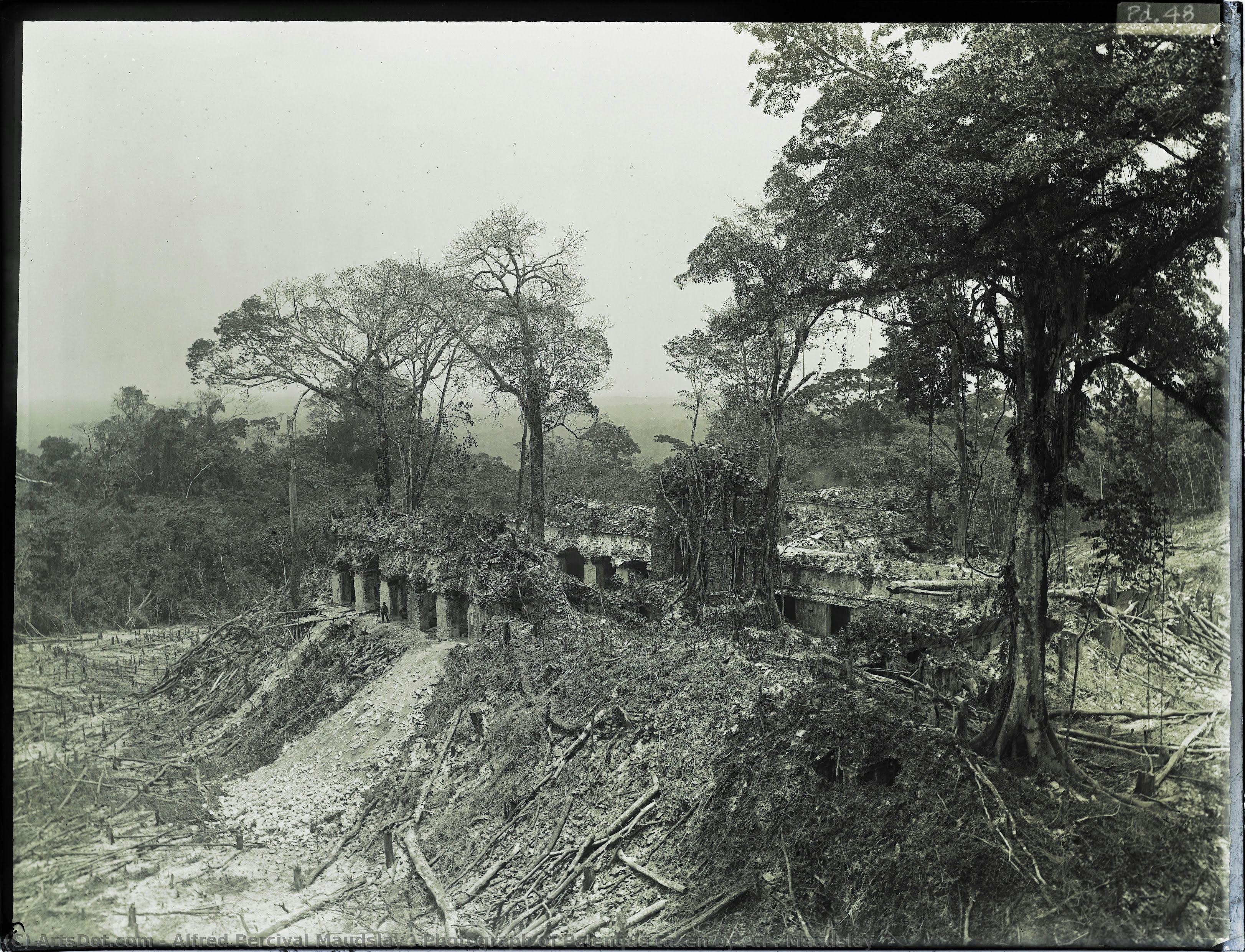
Photograph of Palenque taken by A.P. Maudslay
 Black and White Photography
- Photo
- Documentary Photography
 1894
1894- 19th Century
 16.0 x 21.0 cm
 Museo Británico
 Ver más
Giclée / Impresión de arte
Impresiones giclée o en lienzo de calidad de museo con producción rápida y opciones de acabado flexibles. ( Comprar pintura hecha a mano Comprar imagen)




































Elija entre nuestros tamaños predefinidos que respetan las proporciones originales de la obra.

Puede introducir sus propias dimensiones para adaptarse a un marco o espacio específico. Si el tamaño seleccionado no coincide con las proporciones de la imagen original, recortaremos la obra de arte o extenderemos la imagen con un borde con efecto espejo o de color sólido. Se enviará una maqueta digital para su aprobación antes de que comience la producción.
Tenga en cuenta que la vista previa en pantalla no refleja el recorte o la extensión real. Solo la maqueta mostrará con precisión la composición final.
Aunque existen tamaños personalizados, recomendamos seleccionar una dimensión de la lista predefinida para preservar las proporciones originales.
Envío a todo el mundo () en 2 semanas en lugar de las 4/5 semanas estándar. (7 septiembre)

Envío exprés gratuito a todo el mundo

Lienzo de lino de alta calidad

Seguro de envío total

Garantía de reembolso de impuestos aduaneros

Garantía de fidelidad cromática exacta

Política de devolución de 100 días (solo por defectos)

Garantía de devolución del 100% del dinero

Descuento por cantidad
 La opción de vidrio solo está disponible en tamaños inferiores a 110 cm.

Photograph of Palenque taken by A.P. Maudslay
Giclée / Impresión de arte
Dimensiones de la reproducción
-


Precio total final
$ 62
A Window into the Past: The Lost World of Palenque
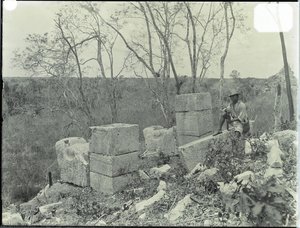
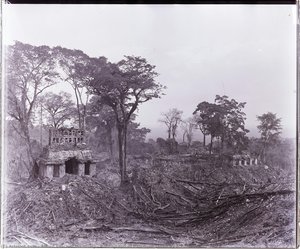
In this evocative monochrome photograph captured in 1894 by Alfred Percival Maudslay, we are transported to a moment where history and nature exist in a delicate, haunting embrace. The image presents the ancient ruins of Palenque not merely as archaeological specimens, but as silent protagonists in a drama of reclamation. Through the lens of late 19th-century documentary photography, the viewer is invited to witness the majestic stone structures of the Maya civilization as they are slowly being enveloped by the lush, untamed vegetation of the Mexican jungle. There is a profound sense of stillness in this composition, a quietude that speaks to the centuries of solitude these ruins endured before the eyes of the modern world found them.
The technical mastery of the wet collodion process—or similar era-specific photographic techniques—is evident in the rich, tonal depth of the grayscale palette. Maudslay utilizes a sophisticated interplay of light and shadow to breathe life into the inanimate stone. The lighting, soft and diffused as if filtered through an overcast jungle canopy, eliminates harsh contrasts, allowing for a subtle gradation of grays that defines the rugged textures of the ruins. One can almost feel the dampness of the air and the rough, weathered surfaces of the ancient masonry. The composition is expertly balanced; strong vertical lines from towering tree trunks provide a structural rhythm that contrasts beautifully with the horizontal, geometric remnants of human ambition, creating a visual tension between the permanence of stone and the ephemeral growth of the forest.
The Poetics of Decay and Discovery
Beyond its documentary value, this photograph serves as a poignant meditation on the passage of time and the inevitable cycle of life and decay. The way the organic shapes of the foliage overlap and obscure the man-made elements creates a sense of mystery and depth, suggesting that much of history remains hidden beneath the verdant shroud of the earth. For the collector or the interior designer, this piece offers more than just a historical record; it provides an emotional anchor for a space. The monochromatic tones lend a timeless elegance, making it a versatile choice for sophisticated environments that seek to evoke a sense of intellectual curiosity and melancholic beauty.
To possess a reproduction of this work is to hold a fragment of the Victorian era's great archaeological spirit. Maudslay, a man whose life was defined by exploration and the meticulous documentation of the unknown, captured here the very essence of discovery. The image resonates with the romanticism of the 19th-century explorer, yet it maintains an objective, scientific clarity that honors the integrity of the site. It is a piece that invites contemplation, prompting the viewer to reflect on the rise and fall of civilizations and the enduring power of the natural world to reclaim what was once lost.
Obras relacionadas
Biografía del artista
Primeros años y educación
Alfred Percival Maudslay, administrador colonial británico y arqueólogo, nació el 18 de marzo de 1850 en Londres, en una familia adinerada. Estudió ciencias naturales en Trinity Hall, Cambridge, obteniendo su licenciatura en 1872.Carrera y viajes
Los primeros planes de Maudslay para una carrera médica se postergaron mientras viajaba con su hermano, recorriendo Centroamérica, México y partes de los Estados Unidos. Este viaje despertó un interés por la arqueología, el cual definiría más tarde su legado. Tras regresar a casa, Maudslay pospuso nuevamente la escuela de medicina para viajar a Islandia en 1873. Su bronquitis crónica lo llevó a buscar un clima más cálido, lo que resultó en una serie de puestos en Jamaica, Trinidad y, finalmente, el Pacífico Sur.Contribuciones arqueológicas
El tiempo de Maudslay en las colonias del Pacífico británico sentó las bases para sus futuras indagaciones arqueológicas. Se interesó por la recolección de materiales etnográficos, lo que eventualmente contribuiría a la formación del Museo Universitario de Arqueología y Etnología de Cambridge. Su amigo, el ornitólogo Osbert Salvin, animó a Maudslay a explorar las ruinas mayas de Quiriguá y Copán.Logros notables
Maudslay fue el primero en describir el sitio de Yaxchilán.
Exploró Chichén Itzá en la década de 1880, tomando extensas fotografías.
Publicó la primera descripción detallada de Chichén Itzá en su libro, Biologia Centrali-Americana.
Realizó una traducción completa con anotaciones de la Historia de Bernal Díaz del Castillo, que sigue siendo la edición estándar en inglés.
Legado artístico
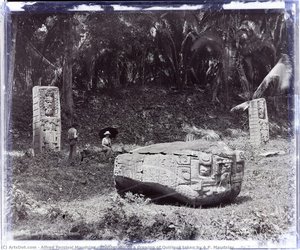
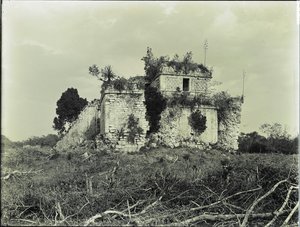
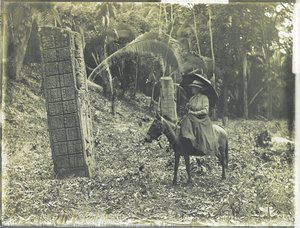
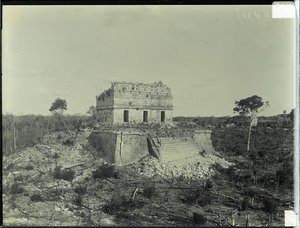
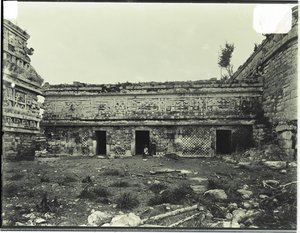
Las fotografías y escritos de Maudslay han sido preservados, ofreciendo un vistazo único al mundo de la arqueología del siglo XIX. Su obra se puede encontrar en varios museos, incluido el Museo Británico (Londres, Reino Unido), que alberga varias de sus fotografías.- fotografía de Chichén Itzá realizada por A.P. Maudslay (16 x 21 cm, Museo Británico, fotografía)
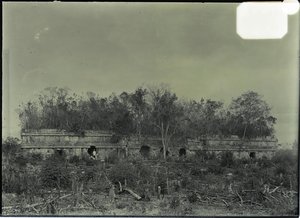
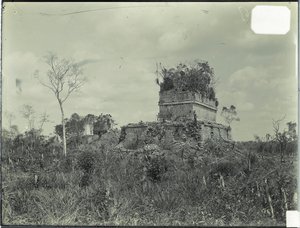
- fotografía de Chichén Itzá realizada por A.P. Maudslay (25 x 30 cm, Museo Británico, fotografía)
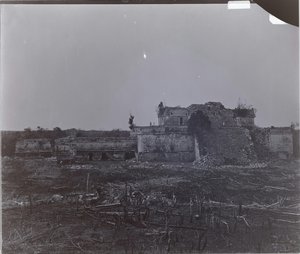
- fotografía de Copán realizada por A.P. Maudslay (31 x 25 cm, Museo Británico, fotografía)
Conclusión
El legado de Alfred Percival Maudslay es un testimonio del poder de la curiosidad y la exploración. Desde sus primeros días como administrador colonial hasta sus últimos años como arqueólogo, el trabajo de Maudslay continúa inspirando y educando.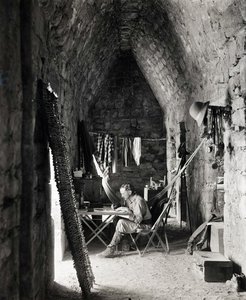
Alfred Percival Maudslay
1850 - 1931 , Reino Unido
Datos clave
- Fecha De Fallecimiento: 1931
- Fecha De Nacimiento: 1850
- Lugar De Nacimiento: Londres, Reino Unido
- Movimiento Artístico O Estilo: Arqueología/Fotografía
- Nacionalidad: Británico
- Nombre Completo: Alfred Percival Maudslay
- Obras Notables: ['Fotografía de Chichén Itzá']
Artículos relacionados

Monochrome Visions: Exploring the Aesthetic & Historical Significance of Black & White Photography
Explore the rich history & artistic power of black and white photography. From early techniques to iconic masters like Ansel Adams, discover why monochrome continues to captivate art lovers today. Expert insights for collectors.

Beyond the Lens: Photography's Enduring Influence on Modern & Contemporary Art
Explore photography's pivotal role in shaping modern & contemporary art. Discover key movements, influential artists like Stieglitz, and expert collecting advice from ArtsDot.

Pictorialismo: La Búsqueda del Alma de la Fotografía Artística – Estética, Técnicas y Legado
Descubre el Pictorialismo, un movimiento clave en la historia de la fotografía artística. Explora sus técnicas, figuras emblemáticas y su legado perdurable. Guía experta para coleccionistas y amantes del arte.
Witnessing History Through Lens & Light: Documentary Photography's Enduring Legacy
Explore the powerful history of documentary photography – from its origins to contemporary masters like Gordon Parks & W. Eugene Smith. Discover how this art form shapes our understanding of society and witness pivotal moments in time.

Timeless & Chic: Elevating Your New Home with the Sophistication of Black and White Photography
Transform your new home with the timeless allure of black and white photography. ArtsDot.com specializes in elegant monochrome decor and custom hand-painted wedding portraits that turn cherished milestones into lasting, soulful masterpieces. Elevate your space with ease.