 Ver en contexto
 Enviar
 Compartir
 Detalles

 Descargar
 Similares
 Radiografía
 Presentación de diapositivas
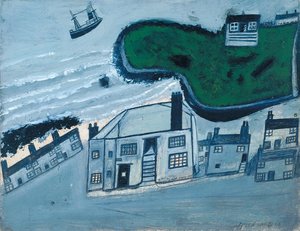
Boats before a Great Bridge (Royal Albert Bridge )
 Painting
- Naive Art
 1937
1937- Modern
 37.0 x 39.0 cm
 Kettle's Yard
 Ver más
Reproducción al óleo hecha a mano
Óleo sobre lienzo pintado a mano en el tamaño y marco de su elección, realizado por encargo por nuestros artistas. ( Comprar impresión Comprar imagen)




P118B $10

P118H $10

P118W $10

P438Z $10

P508JH $12

P508YH $12

P805H $10

P805Z $10

P919BZ $10

P919G $10

P919XJ $10

P959ZH $10

P968JZ $12

W106C $8

W218G $10

W218JH $8

W218Y $10

W307PJ $10

W316G $10

W316PJ $8

W316Y $10

W398PJ $8

W4111J $10

W500HY $15

W500JH $15

W692G $12

W849H $8

W940BG $15

W953PJ $8




Elija entre nuestros tamaños predefinidos que respetan las proporciones originales de la obra.

Puede ingresar sus propias dimensiones para adaptarse a un marco o espacio específico. Si el tamaño seleccionado no coincide con las proporciones de la imagen original, recortaremos la obra o extenderemos la pintura con elementos adicionales pintados a mano. Se le enviará una maqueta digital para su aprobación antes de comenzar la producción.
Tenga en cuenta que la vista previa en pantalla no refleja el recorte o la extensión reales. Solo la maqueta mostrará con precisión la composición final.
Si bien existen tamaños personalizados, recomendamos seleccionar una dimensión de la lista predefinida para preservar las proporciones originales.
Tras realizar el pedido, el equipo de ArtsDot.com enviará un correo electrónico al cliente para solicitar instrucciones y proporcionarle una vista previa del boceto.
Envío a todo el mundo () en 3-4 semanas en lugar de las 5 semanas estándar. (2 septiembre). Sin comprometer la calidad.

Envío exprés gratuito a todo el mundo

Lienzo de lino de alta calidad

Seguro de envío total

Garantía de reembolso de impuestos aduaneros

Garantía de fidelidad cromática exacta

Política de devolución de 60 días (solo por defectos)

Garantía de devolución del 100% del dinero

Descuento por cantidad
 La opción de vidrio solo está disponible en tamaños inferiores a 110 cm.

Boats before a Great Bridge (Royal Albert Bridge )
Técnica de reproducción
Dimensiones de la reproducción
-


Precio total final
$ 263
A Timeless Encounter with the Cornish Coast
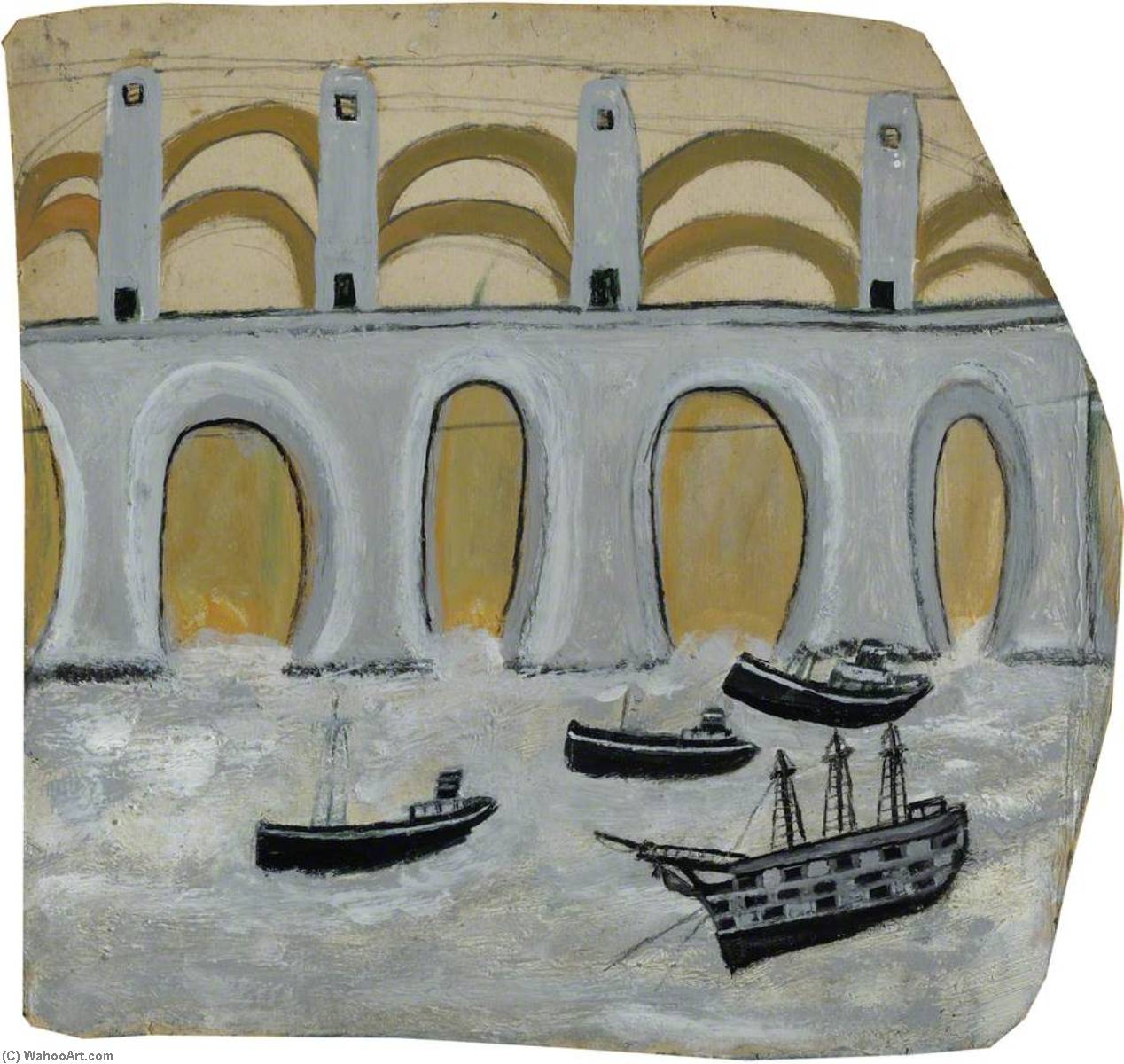
In the quiet, monochromatic depths of Boats before a Great Bridge (Royal Albert Bridge), we are transported to a moment frozen in 1937, where the rhythmic pulse of the sea meets the industrial majesty of the United Kingdom. This evocative piece by the self-taught master Alfred Wallis captures more than just a landscape; it captures a way of life. The composition presents a serene assembly of vessels, varying in scale and distance, drifting upon the water's surface like memories floating through time. A solitary figure stands poised upon one of the boats, adding a poignant human element to the vastness of the scene—a silent witness to the enduring relationship between man and the maritime environment.
The presence of the Royal Albert Bridge in the background provides a striking architectural counterpoint to the organic, fluid forms of the boats. This structural titan, stretching across the horizon, serves as a symbol of progress and connectivity, yet within Wallis’s vision, it feels integrated into the very fabric of the coastal atmosphere. The interplay between the heavy, permanent ironwork of the bridge and the light, transient nature of the floating vessels creates a profound tension, inviting the viewer to contemplate the intersection of human ingenuity and the natural world.
The Soul of Naive Artistry and Technique
To behold a work by Alfred Wallis is to experience the raw, unadulterated beauty of naïve art. Having spent much of his life as a shipbuilder in Devonport, Wallis brought an intimate, tactile knowledge of maritime structures to his canvas. His technique lacks the polished pretension of academic training, opting instead for a soulful simplicity that resonates with deep authenticity. In this particular black and white rendering, the absence of color forces the eye to focus on texture, light, and form. The subtle gradations of grey and the stark contrasts of shadow allow the viewer to feel the weight of the water and the ruggedness of the boats.
The artist’s approach is characterized by a meticulous attention to the essence of his subjects rather than photographic precision. This stylistic choice imbues the artwork with a dreamlike, nostalgic quality, making it an extraordinary piece for those who appreciate folk art and the charm of historical realism. For collectors and interior designers, this painting offers a sophisticated monochromatic palette that integrates seamlessly into modern, minimalist, or classic coastal decor, providing a focal point that is both intellectually stimulating and visually calming.
An Emotional Legacy for the Discerning Collector
Beyond its aesthetic merits, Boats before a Great Bridge carries an emotional weight that lingers long after the first glance. It evokes a sense of nostalgia for a bygone era of maritime tranquility, a time when the pace of life was dictated by the tides and the wind. The stillness of the scene offers a sanctuary of peace, making it an ideal acquisition for spaces designed for reflection, such as libraries, study halls, or quiet living areas.
Owning a high-quality reproduction of this masterpiece is an opportunity to bring a piece of British maritime history into one's personal environment. It serves not merely as decoration, but as a conversation piece that celebrates the rugged spirit of Cornwall and the profound vision of a man who saw the extraordinary within the ordinary. Whether you are an art enthusiast or a designer seeking to add depth and narrative to a room, this work stands as a testament to the enduring power of the sea and the human spirit.
Obras relacionadas





Biografía del artista
La visión del marino de Cornualles
Alfred Wallis (1855-1942) se distingue del paisaje artístico tradicional de su época: una figura cuya tranquila sencillez esconde un profundo compromiso con la observación y una dedicación inquebrantable para capturar la esencia de la costa de Cornualles. Nacido en Devonport, Inglaterra, Wallis no poseía formación artística formal; era un artesano autodidacta que trabajó como constructor naval durante gran parte de su vida, moldeando maderas para crear embarcaciones que surcarían las aguas del Atlántico. Esta maestría práctica y directa le inculcó una meticulosa atención al detalle y un conocimiento íntimo de los materiales que más tarde se traduciría en sus evocadoras pinturas. Sus años formativos transcurrieron perfeccionando las habilidades de la construcción naval, un oficio transmitido a través de generaciones de familias cornwallesas, lo que le proporcionó una conexión única y visceral con el mundo marítimo que eventualmente inmortalizaría sobre el lienzo.
No fue sino hasta la década de 1920 cuando la carrera artística de Wallis floreció verdaderamente, tras su traslado al vibrante enclave artístico de St Ives, en Cornualles. Atraído por la energía creativa de esta comunidad —que incluía figuras notables como Ben Burrell y George Nash— comenzó a producir una prolífica serie de obras que representaban barcos, puertos y paisajes bañados por la distintiva luz de Cornualles. Su estética es innegablemente única, caracterizada por perspectivas planas, contornos audaces y una paleta de colores apagados dominada por azules profundos y verdes marinos. La obra de Wallis encarna los principios del arte naïf, un estilo arraigado en la experiencia sensorial directa más que en la teoría académica intelectualizada. Él evitaba las composiciones complejas y las pinceladas elaboradas, priorizando la claridad y un impacto emocional inmediato.
Un legado de memoria marítima
La importancia de la contribución de Wallis al arte reside en su capacidad para transformar los elementos cotidianos de la vida marinera en algo profundamente espiritual y atmosférico. Sus pinturas no son meras representaciones de lugares; están impregnadas de un sentido palpable de movimiento y memoria. A través de obras como Trawler y Boat, se puede sentir el peso del Atlántico y el pulso rítmico de las mareas. Incluso en composiciones más turbulentas como Rough Sea, su estilo expresivo y su pincelada evocadora capturan la fuerza bruta del océano a través del lente de la tradición del arte folclórico. Al rechazar las rígidas convenciones académicas de su tiempo, Wallis logró un nivel de honestidad que resuena en los espectadores que buscan una conexión con las fuerzas elementales de la naturaleza.
Su importancia histórica se consolida por su papel como puente entre la cruda realidad del trabajo marítimo y los movimientos artísticos modernos del siglo XX. Aunque carecía de instrucción formal, su enfoque "primitivo" ofreció una alternativa refrescante a las técnicas sofisticadas de la época, influyendo en nuestra percepción de la relación entre el sujeto y el medio. La obra de su vida sigue siendo un testimonio del poder de la mirada sin entrenamiento, demostrando que la verdadera visión artística surge a menudo de una profunda e íntima relación de toda una vida con el entorno. Hoy en día, su legado continúa inspirando a quienes se sienten atraídos por el encanto de la vida en Cornualles y la belleza eterna del mar.
Alfred Wallis
1855 - 1942 , Reino Unido
Datos clave
- Artistic Movement Or Style: Naive painting
- Artists Or Movements Influenced By This Artist: ['Cornish Art']
- Date Of Birth: August 8, 1855
- Date Of Death: August 29, 1942
- Full Name: Alfred Wallis
- Nationality: British
- Notable Artworks:
- Boat
- Trawler
- Three Masted Ship Near Lighthouse
- Place Of Birth: Devonport, United Kingdom
Artículos relacionados

Blanco Sublime: Los 10 Cuadros Más Famosos Dominados por la Luz y el Color
Descubre los 10 cuadros blancos más emblemáticos de la historia del arte. Explora Monet, Van Gogh y Klimt, y su magistral uso de la luz y el color. Encuentra reproducciones de alta calidad e inspírate para tu decoración en .

Las 10 Pinturas Más Famosas Dominadas por el Negro | Arte y Decoración
Descubre las 10 pinturas más impactantes dominadas por el negro. Explora obras maestras de Rembrandt, Goya y Rothko, su historia y significado. Encuentra reproducciones de arte exclusivas para transformar tu hogar en .

Monochrome Visions: Exploring the Aesthetic & Historical Significance of Black & White Photography
Explore the rich history & artistic power of black and white photography. From early techniques to iconic masters like Ansel Adams, discover why monochrome continues to captivate art lovers today. Expert insights for collectors.

Las 10 Obras Maestras Dominadas por el Negro Marsella: Arte y Decoración
Descubre las 10 pinturas más famosas dominadas por el negro marsella. Explora la historia, técnica y simbolismo de obras maestras del expresionismo alemán, gótico y arte moderno. Reproducciones de museos en .

The Subtleties of White: Exploring Absence, Light & Symbolism in Art History
Explore the profound symbolism & history of white in art! From ancient purity to modern abstraction, discover how artists have used absence & light. Expert insights from ArtsDot.