

 Ver en contexto
 Enviar
 Compartir
 Detalles

 Descargar
 Similares
 Radiografía
 Presentación de diapositivas
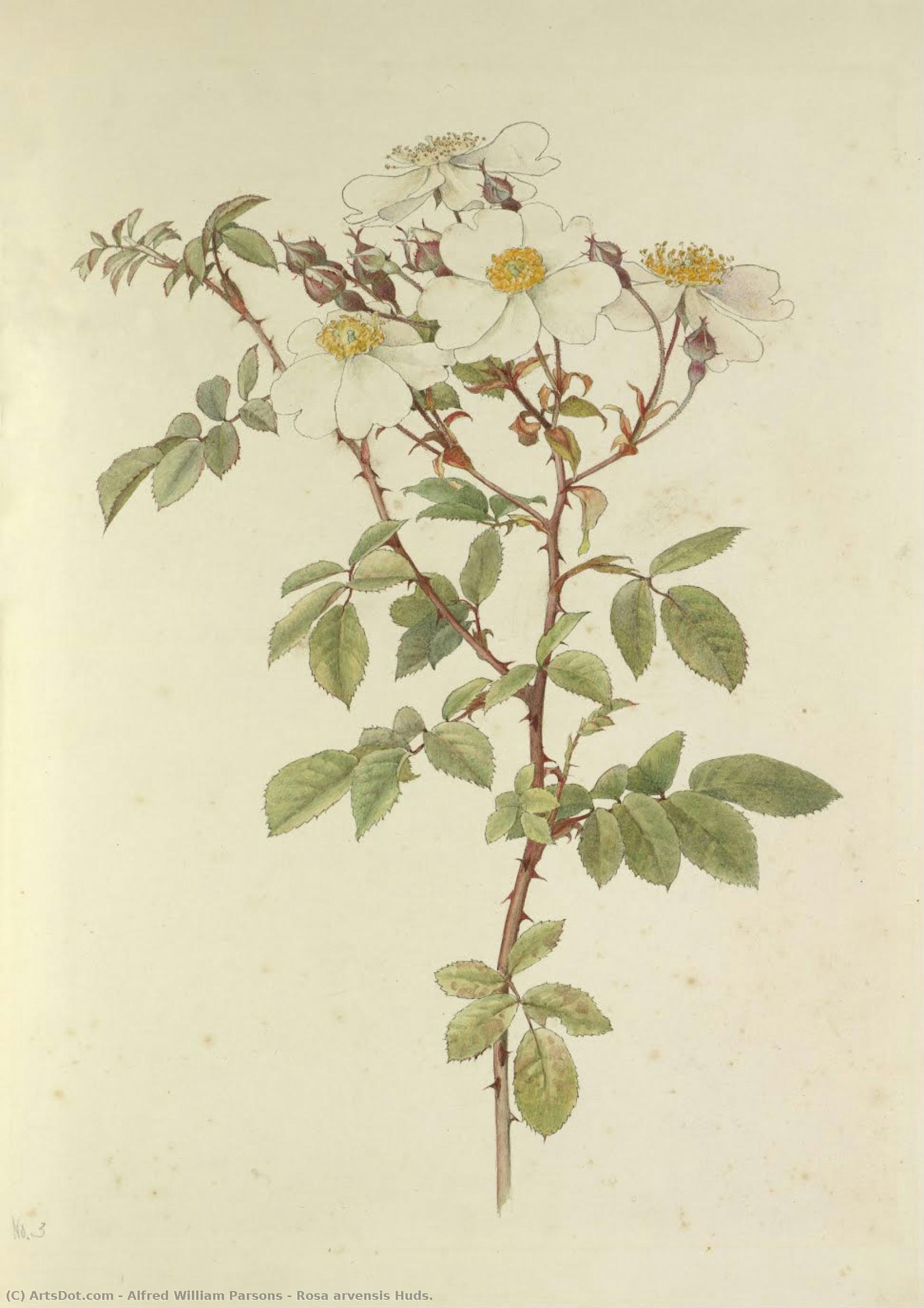
Rosa arvensis Huds.


 Ver más
Reproducción al óleo hecha a mano
Óleo sobre lienzo pintado a mano en el tamaño y marco de su elección, realizado por encargo por nuestros artistas. ( Comprar impresión Comprar imagen)




































Elija entre nuestros tamaños predefinidos que respetan las proporciones originales de la obra.

Puede ingresar sus propias dimensiones para adaptarse a un marco o espacio específico. Si el tamaño seleccionado no coincide con las proporciones de la imagen original, recortaremos la obra o extenderemos la pintura con elementos adicionales pintados a mano. Se le enviará una maqueta digital para su aprobación antes de comenzar la producción.
Tenga en cuenta que la vista previa en pantalla no refleja el recorte o la extensión reales. Solo la maqueta mostrará con precisión la composición final.
Si bien existen tamaños personalizados, recomendamos seleccionar una dimensión de la lista predefinida para preservar las proporciones originales.
Tras realizar el pedido, el equipo de ArtsDot.com enviará un correo electrónico al cliente para solicitar instrucciones y proporcionarle una vista previa del boceto.
Envío a todo el mundo () en 3-4 semanas en lugar de las 5 semanas estándar. (23 agosto). Sin comprometer la calidad.

Envío exprés gratuito a todo el mundo

Lienzo de lino de alta calidad

Seguro de envío total

Garantía de reembolso de impuestos aduaneros

Garantía de fidelidad cromática exacta

Política de devolución de 60 días (solo por defectos)

Garantía de devolución del 100% del dinero

Descuento por cantidad
 La opción de vidrio solo está disponible en tamaños inferiores a 110 cm.

Rosa arvensis Huds.
Técnica de reproducción
Dimensiones de la reproducción
-


Precio total final
$ 263
Descripción de la obra
Obras relacionadas


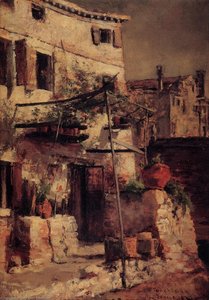
Biografía del artista
Alfred William Parsons (1847–1920): Painter of Tranquility and Advocate for Harmonious Gardens
Alfred William Parsons (1847-1920) stands as a prominent figure in Victorian landscape painting and garden design, an artist whose vision seamlessly blended artistic sensibility with the principles of natural beauty. Born in Beckington, Somerset, on December 2nd, 1847, he descended from a family steeped in horticultural tradition—his father, Joshua Parsons, was a dedicated alpinist and correspondent to William Robinson, a pivotal influence shaping Parsons’s aesthetic sensibilities. This familial connection instilled within him an enduring passion for the natural world, which would become the cornerstone of his artistic endeavors. Early life afforded Parsons a privileged education, fostering intellectual curiosity alongside practical skills—particularly in horticulture. He commenced his professional career as a clerk at the Post Office in 1867, but swiftly recognized that such a sedentary occupation lacked the dynamism required for creative fulfillment. Recognizing this disparity, he abandoned his desk job to pursue formal artistic training at Kensington School of Art, immersing himself in techniques and styles prevalent during the era. His subsequent exhibitions at galleries like the Grosvenor Gallery and the Royal Academy cemented his reputation as a skilled artist and established him within London’s vibrant artistic community. From 1874 until his passing in January 16th, 1920, Parsons consistently presented his work to the public, demonstrating unwavering dedication to his craft. Parsons's artistic output is characterized by exquisitely rendered English landscapes—idyllic scenes bathed in soft light and imbued with meticulous detail—that capture the essence of Victorian pastoralism. His paintings frequently depict rolling hills dotted with wildflowers, serene lakes reflecting azure skies, and stately manor houses nestled amidst verdant gardens. Notably, Parsons collaborated closely with William Robinson, a celebrated botanist and horticultural writer who championed the concept of “living sculpture”—the harmonious integration of art and horticulture. Their partnership resulted in stunning botanical illustrations for Robinson’s seminal work, *The Garden*, establishing Parsons as a visual interpreter of the natural world's beauty. These illustrations showcased his mastery of watercolor technique—a medium he favored throughout his career—allowing him to convey subtle tonal variations and textural nuances that faithfully reproduced the intricacies of plant life. Beyond his paintings, Parsons exerted considerable influence on garden design, advocating for approaches that prioritized ecological balance and aesthetic refinement. He believed passionately that artists possessed a unique capacity to elevate gardens beyond mere ornamentation, transforming them into spaces that nurtured both human wellbeing and environmental stewardship. His designs reflected this conviction—incorporating native plants, thoughtfully sculpted forms, and harmonious color palettes—resulting in landscapes that epitomized Victorian ideals of elegance and tranquility. Among his most notable creations was Luggershill House Gardens in Worcestershire, where he skillfully blended formal geometric patterns with organic contours to create a visually captivating space that celebrated the splendor of British flora. Parsons’s artistic achievements extended far beyond the realm of painting and garden design. He was awarded the Chantrey Bequest in 1887, recognizing his contribution to British art and culture. Furthermore, he published *Notes from Japan* in 1896, documenting his travels with Robinson and showcasing his fascination for Eastern aesthetics—a testament to his intellectual breadth and artistic curiosity. His presidency of the Society of Painters in Watercolour from 1905 underscored his leadership within the artistic community and solidified his legacy as a champion of watercolor painting techniques. Parsons’s enduring influence can be seen in works such as *Ellen Willmott's The Genus Rosa*, where he skillfully captured the delicate beauty of roses—a subject that resonated deeply with his lifelong passion for horticulture. He died peacefully at Luggershill, Broadway, Worcestershire, on January 16th, 1920, leaving behind a remarkable artistic legacy and an indelible mark on Victorian landscape painting and garden design.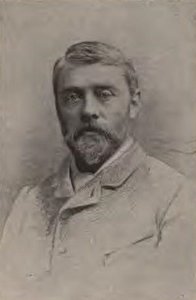
Alfred William Parsons
1847 - 1920 , Reino Unido
Datos clave
- Artistic Movement Or Style: Paisaje Inglés Victoriano
- Artists Or Movements Influenced By This Artist: ['Romanticismo']
- Artists Who Influenced This Artist: ['William Robinson']
- Date Of Birth: 2 diciembre 1847
- Date Of Death: 16 enero 1920
- Full Name: Alfred William Parsons
- Nationality: Inglés
- Notable Artworks:
- American Apples
- El Manantial
- La Casa Manor
- Place Of Birth: Bекington, Somerset

