

 Ver en contexto
 Enviar
 Compartir
 Detalles

 Descargar
 Similares
 Radiografía
 Presentación de diapositivas
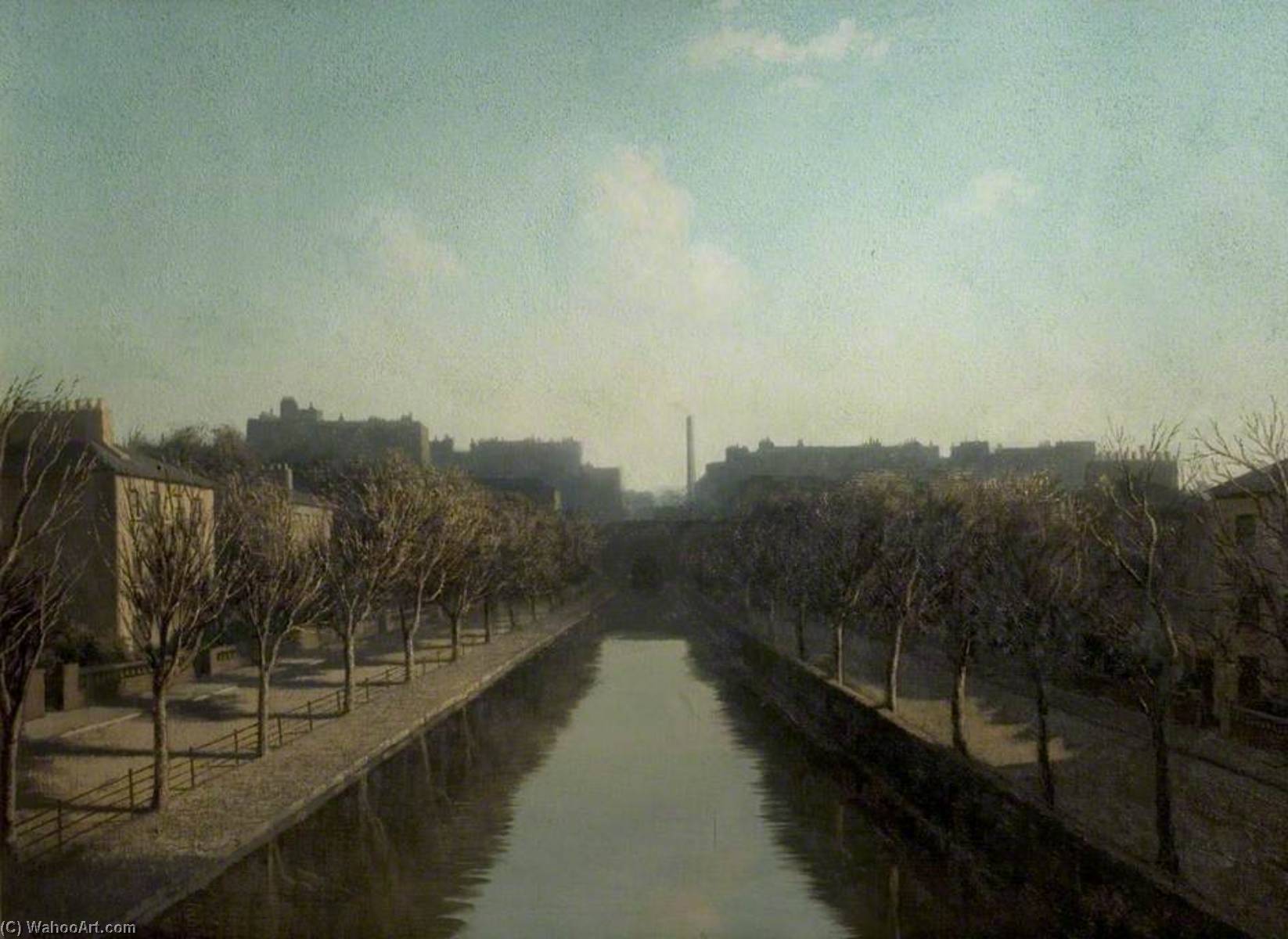
Regent's Canal, Maida Vale, London
 1942
1942 56.0 x 76.0 cm
 Nottingham Castle Museum y Galería de Arte
 Ver más
Reproducción al óleo hecha a mano
Óleo sobre lienzo pintado a mano en el tamaño y marco de su elección, realizado por encargo por nuestros artistas. ( Comprar impresión Comprar imagen)




































Elija entre nuestros tamaños predefinidos que respetan las proporciones originales de la obra.

Puede ingresar sus propias dimensiones para adaptarse a un marco o espacio específico. Si el tamaño seleccionado no coincide con las proporciones de la imagen original, recortaremos la obra o extenderemos la pintura con elementos adicionales pintados a mano. Se le enviará una maqueta digital para su aprobación antes de comenzar la producción.
Tenga en cuenta que la vista previa en pantalla no refleja el recorte o la extensión reales. Solo la maqueta mostrará con precisión la composición final.
Si bien existen tamaños personalizados, recomendamos seleccionar una dimensión de la lista predefinida para preservar las proporciones originales.
Tras realizar el pedido, el equipo de ArtsDot.com enviará un correo electrónico al cliente para solicitar instrucciones y proporcionarle una vista previa del boceto.
Envío a todo el mundo () en 3-4 semanas en lugar de las 5 semanas estándar. (22 agosto). Sin comprometer la calidad.

Envío exprés gratuito a todo el mundo

Lienzo de lino de alta calidad

Seguro de envío total

Garantía de reembolso de impuestos aduaneros

Garantía de fidelidad cromática exacta

Política de devolución de 60 días (solo por defectos)

Garantía de devolución del 100% del dinero

Descuento por cantidad
 La opción de vidrio solo está disponible en tamaños inferiores a 110 cm.

Regent's Canal, Maida Vale, London
Técnica de reproducción
Dimensiones de la reproducción
-


Precio total final
$ 263
Descripción de la obra
The Artist's Vision
Algernon Cecil Newton's work often featured scenes of everyday life, and Regent's Canal, Maida Vale, London is no exception. The painting presents a tranquil atmosphere, with trees lining the sidewalk and benches inviting pedestrians to pause and enjoy the view. A boat on the river adds a touch of leisure and movement to the scene, creating a sense of balance between nature and human activity. Key Elements of the painting include:- The use of oil on canvas, which allows for rich textures and vivid colors
- The depiction of a peaceful urban environment, highlighting the beauty of everyday life
- The inclusion of natural elements, such as trees and water, to create a sense of harmony
Exploring Similar Works
For those interested in Algernon Cecil Newton's style, other notable works include Canal Scene, Maida Vale and The Regent's Canal, Twilight, both of which showcase the artist's ability to capture the essence of urban landscapes. These paintings can be found on ArtsDot.com and offer a glimpse into the artist's fascination with the interplay between nature and human activity.To learn more about Algernon Cecil Newton and his works, visit ArtsDot.com, which offers a wide range of handmade oil paintings reproductions, including pieces by this talented artist. For additional information on the Nottingham Castle Museum And Art Gallery, visit their website or explore the Wikipedia page.
Obras relacionadas








Biografía del artista
Algernon Cecil Newton: The Canaletto of the Canals
Algernon Cecil Newton (1880-1968) stands as a singular figure in British landscape painting, earning the moniker “The Canaletto of the Canals” for his remarkable ability to distill the essence of urban and industrial environments into compositions imbued with quiet beauty and contemplative serenity. Born in Hampstead in 1880, Newton’s artistic lineage traced back to Henry Newton, one of the founders of Winsor & Newton – a connection that instilled within him an appreciation for meticulous craftsmanship and a dedication to capturing subtle nuances of light and atmosphere. This familial influence would prove pivotal in shaping his distinctive style and enduring legacy. Early Life and Education: Newton’s formative years were spent honing his artistic skills at Clare College, Cambridge, where he studied alongside luminaries like Roger Fry and Vanessa Bell – figures who championed modernist ideals and encouraged experimentation with form and color. His subsequent training at Frank Calderon's School of Animal Painting further solidified his foundational understanding of observation and representation. He possessed a keen eye for detail and an unwavering commitment to capturing the atmospheric conditions that profoundly impacted the appearance of his subjects. Service in World War I: Newton’s involvement in the First World War began with a commission as Sub-Lieutenant in the Royal Naval Volunteer Reserve, followed by service with the Army. Tragically, he was invalided out in 1916 after contracting pneumonia during active duty, an experience that profoundly impacted his psyche and spurred him to seek solace amidst the artistic community of Lamorna, Cornwall. This period instilled within him a deep empathy for human suffering and fueled his desire to express emotion through visual art—a characteristic that would permeate his oeuvre throughout his life. Lamorna: A Crucible of Style: Newton’s relocation to Lamorna in Cornwall marked a decisive turning point in his artistic trajectory. Surrounded by fellow artists—including George Dyer and William Nicholson—he embraced plein air painting with fervor, developing a technique characterized by loose brushstrokes and muted palettes that prioritized capturing the mood and character of his subjects rather than striving for photographic accuracy. He famously remarked, “There is beauty to be found in everything, you only have to search for it; a gasometer can make as beautiful a picture as a palace on the Grand Canal, Venice. It simply depends on the artist’s vision.” This approach—rooted in Impressionism yet tempered by realism—became his trademark and distinguished him from many of his contemporaries. Notable Works and Recognition: Newton's artistic output encompassed a diverse range of landscapes, portraits, and murals, reflecting his multifaceted interests and intellectual curiosity. Among his most celebrated paintings are “Evening on the Avon,” a monumental mural adorning the Long Gallery of RMS Queen Mary—a testament to his reputation as one of Britain’s foremost landscape artists—and “Stormy Sunset on the East Coast,” which exemplifies his masterful command of color and light. His work gained considerable acclaim at the Royal Academy of Art and the New English Art Club, securing him membership in ARA (Associate Royal Academician) in 1936 and FRBA (Full Royal Academician) in 1943. He was recognized as a visionary artist who possessed an unparalleled ability to transform ordinary scenes into canvases brimming with poetic grace—a distinction that cemented his place in art history. Legacy: Algernon Cecil Newton’s artistic legacy extends far beyond the confines of his own lifetime, inspiring generations of painters and scholars alike. His unwavering dedication to observation, coupled with his profound sensitivity to emotion and atmosphere, ensured that his paintings would endure as emblems of British landscape art—a testament to his singular contribution to the visual arts. He died peacefully in 1968, leaving behind a body of work that continues to captivate audiences worldwide and reaffirming his enduring reputation as “The Canaletto of the Canals.”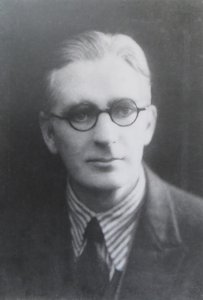
Algernon Cecil Newton
1880 - 1968 , Inglaterra
Datos clave
- Artistic Movement Or Style: Paisajismo Canalettoesque
- Artists Or Movements Influenced By This Artist:
- Picasso
- Braque
- Chagall
- Artists Who Influenced This Artist:
- Henry Newton
- Frank Calderon
- Date Of Birth: 23 febrero 1880
- Full Name: Algernon Cecil Newton
- Nationality: Británico
- Notable Artworks:
- Evening on the Avon
- Park Crescent, Londres
- Stormy Sunset on el Este Cost
- Place Of Birth: Hampstead, Inglaterra

