 Vista previa
 Compartir
 Compartir
 Ver detalles

 Descargar
 Ver similares
 Radiografía
 Presentación de diapositivas
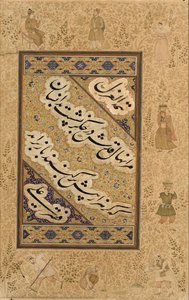
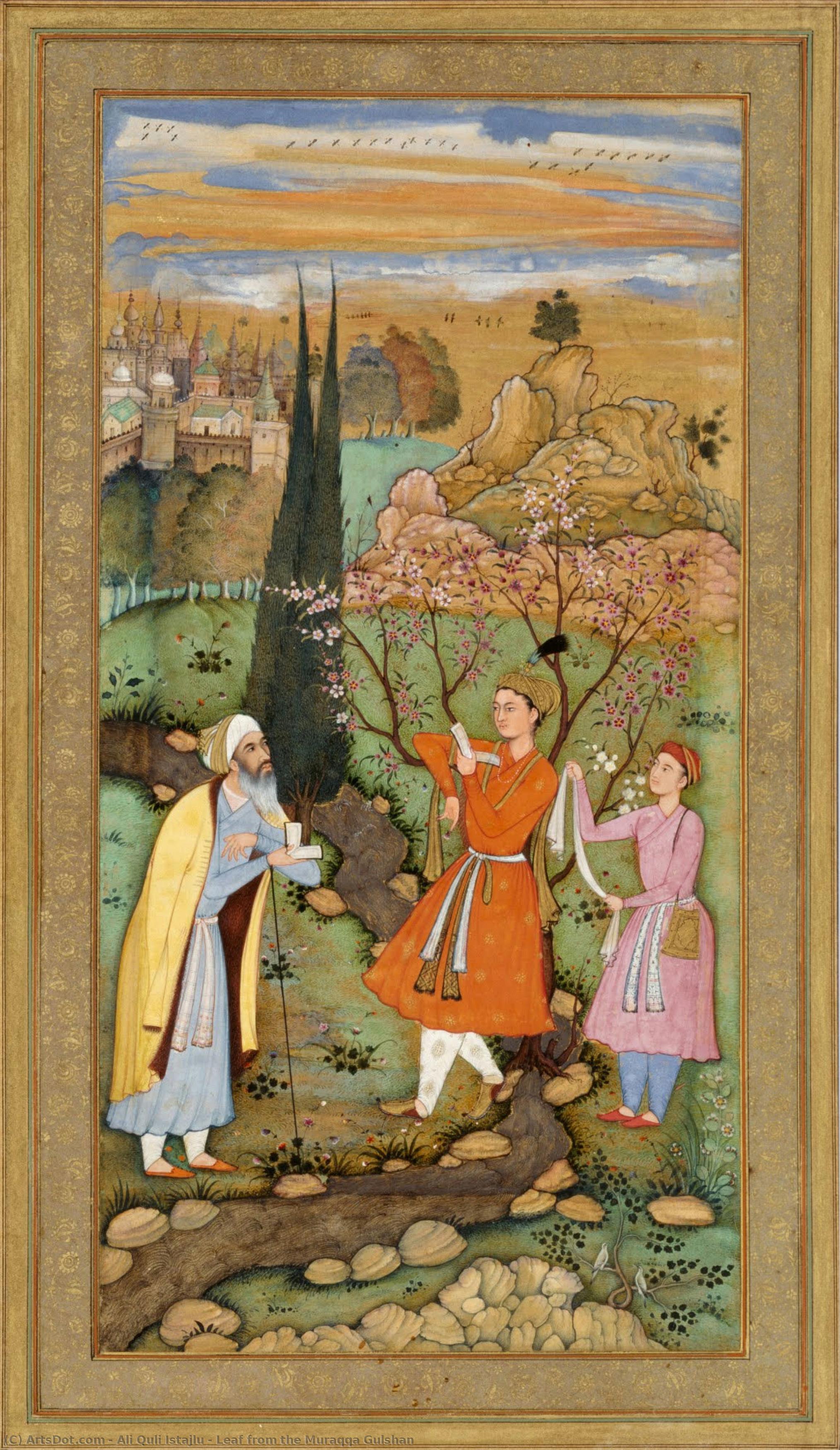
Leaf from the Muraqqa Gulshan


 Leer más
Reproducción al óleo hecha a mano
Óleo sobre lienzo pintado a mano en el tamaño y marco de su elección, realizado por encargo por nuestros artistas. ( Pedir impresión Comprar descarga)




































Elija entre nuestros tamaños predefinidos que respetan las proporciones originales de la obra.

Puede ingresar sus propias dimensiones para adaptarse a un marco o espacio específico. Si el tamaño seleccionado no coincide con las proporciones de la imagen original, recortaremos la obra o extenderemos la pintura con elementos adicionales pintados a mano. Se le enviará una maqueta digital para su aprobación antes de comenzar la producción.
Tenga en cuenta que la vista previa en pantalla no refleja el recorte o la extensión reales. Solo la maqueta mostrará con precisión la composición final.
Si bien existen tamaños personalizados, recomendamos seleccionar una dimensión de la lista predefinida para preservar las proporciones originales.
Tras realizar el pedido, el equipo de ArtsDot.com enviará un correo electrónico al cliente para solicitar instrucciones y proporcionarle una vista previa del boceto.
Envío a todo el mundo () en 3-4 semanas en lugar de las 5 semanas estándar. (22 agosto). Sin comprometer la calidad.

Envío exprés gratuito a todo el mundo

Lienzo de lino de alta calidad

Seguro de envío completo

Garantía de reembolso de aranceles aduaneros

Garantía de fidelidad cromática exacta

Política de devolución de 60 días (solo por defectos)

Garantía de devolución del 100% del dinero

Oferta por volumen
 La opción de vidrio solo está disponible en tamaños inferiores a 110 cm.

Leaf from the Muraqqa Gulshan
Técnica de reproducción
Tamaño de la reproducción
-


Precio total
$ 263
Descripción de la obra
Obras relacionadas

Biografía del artista
Early Life and Career
Ali Quli Istajlu, a pivotal figure in Mughal painting, was born in Kandahar (Afghanistan) around 1551. His early life remains shrouded in some mystery, but he emerged from the Ustajlu tribe—a Turkoman lineage known for its artistic traditions—and received an education under the tutelage of Shah Ismail II of Safavid Iran. This formative experience profoundly shaped his artistic sensibilities, exposing him to Persian art and culture’s grandeur and sophistication. The influence of Safavid aesthetics is palpable in his later works, demonstrating a masterful synthesis of diverse artistic currents. Following this initial training, Ali Quli ascended into the Mughal court, serving as *safarchi* (table attendant) to Shah Ismail II before transitioning to a role as *jagirdar* (landholder) under Akbar—a position that cemented his status within the empire’s administrative hierarchy. His dedication to Akbar's service was marked by unwavering loyalty and contributed significantly to the emperor’s cultural patronage. During this period, he honed his skills in diplomacy and administration alongside his artistic pursuits.Artistic Style and Notable Works
Ali Quli Istajlu’s artistic style stands apart as a testament to Mughal painting’s unique blend of Persian, Turkoman, and Indian influences. He skillfully combined intricate patterns—characteristic of Persian art—with vibrant colors derived from Turkoman traditions and refined depictions inspired by Indian aesthetics. His canvases pulsed with life, capturing scenes of courtly grandeur and religious devotion with meticulous detail. Among his most celebrated achievements are contributions to monumental artistic endeavors such as *The Great Mongol Shahnameh*, a magnificent manuscript commissioned by Ilkhanid rulers—a project that showcased his mastery of illumination and storytelling. Furthermore, he excelled in Mughal miniature painting, producing exquisitely crafted portraits of emperors like Akbar, Jahangir, and Shah Jahan—works that embody the era’s artistic ideals. These portraits are renowned for their realism and psychological depth, reflecting Ali Quli's profound understanding of human emotion and form.Influence and Legacy
Ali Quli Istajlu’s influence extended far beyond his own lifetime, shaping the trajectory of Mughal art and fostering a distinctive Indian style of painting. He championed Persian artistic ideals within the Mughal court, promoting cultural exchange and enriching the empire's artistic landscape. His legacy continues to inspire contemporary artists who strive for excellence in technique and vision—a testament to his enduring contribution to the history of Islamic art. Today, Ali Quli Istajlu’s artwork resides in prestigious museums worldwide, including The Metropolitan Museum of Art (New York), The British Museum (London), and The Victoria & Albert Museum (London)—institutions that safeguard and disseminate his masterpieces for generations to come. These collections serve as invaluable resources for scholars and enthusiasts alike, offering insights into the artistic achievements of the Mughal era and celebrating Ali Quli Istajlu’s indelible mark on Indian cultural heritage.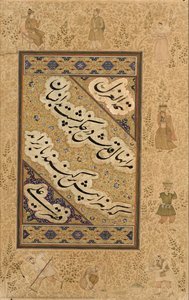
Ali Quli Istajlu
1551 - 1605 , Afganistán
Datos clave
- Artistic Movement Or Style: Mughal Painting
- Artists Who Influenced This Artist: ['Shah Ismail II']
- Date Of Birth: 1551 Kandahar Afghanistan
- Date Of Death: 1605
- Full Name: Ali Quli Istajlu
- Nationality: Afghan
- Notable Artworks:
- The Great Mongol Shahnameh
- Mughal Miniature Paintings
- Portraits of Mughal Emperors
- Place Of Birth: Kandahar Afghanistan