

 Ver en contexto
 Enviar
 Compartir
 Detalles

 Descargar
 Similares
 Radiografía
 Presentación de diapositivas
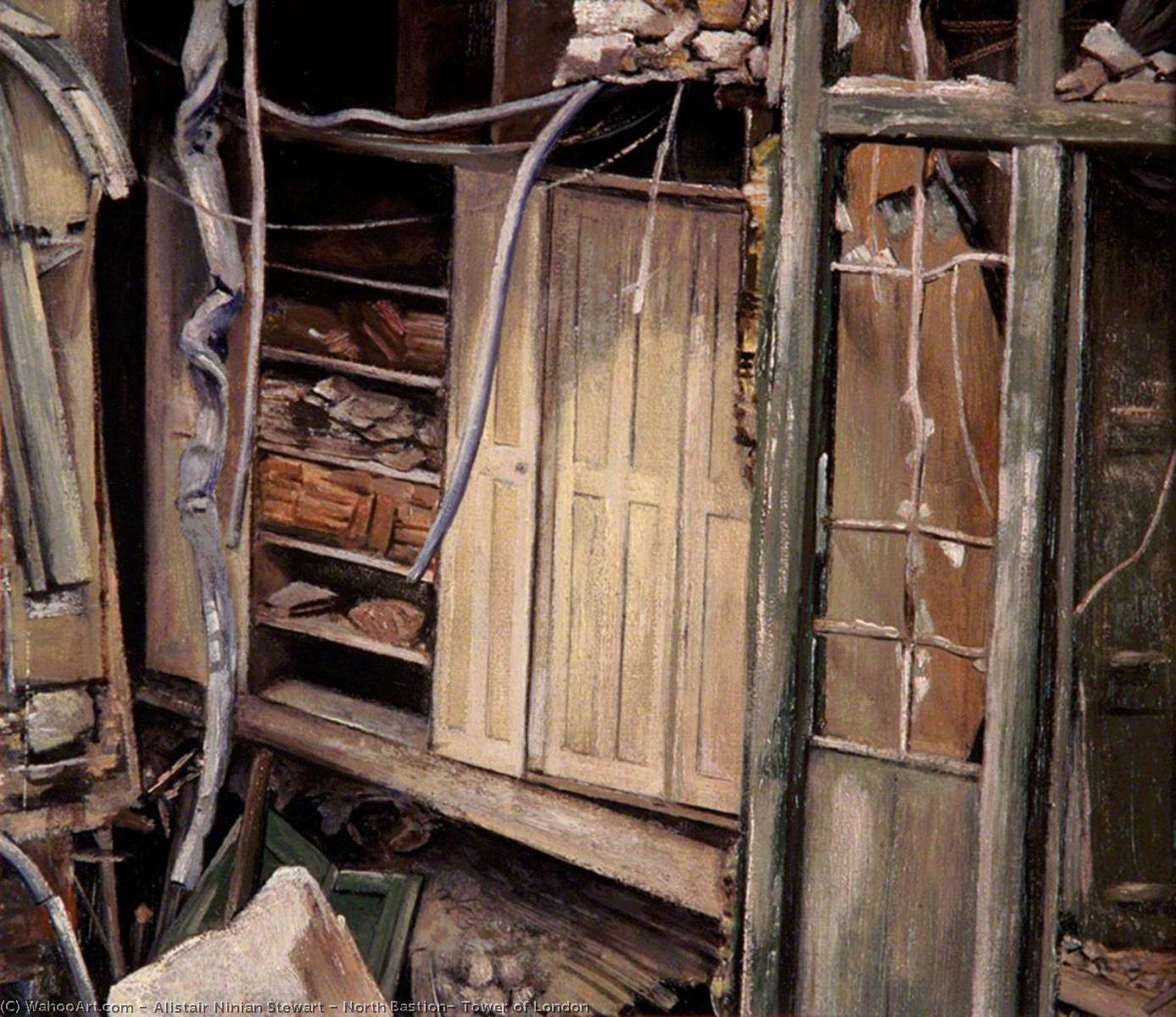
North Bastion, Tower of London
 Contemporary Realism
 1941
1941 44.0 x 49.0 cm
 Ministerio de Defensa
 Ver más
Giclée / Impresión de arte
Impresiones giclée o en lienzo de calidad de museo con producción rápida y opciones de acabado flexibles. ( Comprar pintura hecha a mano Comprar imagen)




































Elija entre nuestros tamaños predefinidos que respetan las proporciones originales de la obra.

Puede introducir sus propias dimensiones para adaptarse a un marco o espacio específico. Si el tamaño seleccionado no coincide con las proporciones de la imagen original, recortaremos la obra de arte o extenderemos la imagen con un borde con efecto espejo o de color sólido. Se enviará una maqueta digital para su aprobación antes de que comience la producción.
Tenga en cuenta que la vista previa en pantalla no refleja el recorte o la extensión real. Solo la maqueta mostrará con precisión la composición final.
Aunque existen tamaños personalizados, recomendamos seleccionar una dimensión de la lista predefinida para preservar las proporciones originales.
Envío a todo el mundo () en 2 semanas en lugar de las 4/5 semanas estándar. (26 agosto)

Envío exprés gratuito a todo el mundo

Lienzo de lino de alta calidad

Seguro de envío total

Garantía de reembolso de impuestos aduaneros

Garantía de fidelidad cromática exacta

Política de devolución de 60 días (solo por defectos)

Garantía de devolución del 100% del dinero

Descuento por cantidad
 La opción de vidrio solo está disponible en tamaños inferiores a 110 cm.

North Bastion, Tower of London
Giclée / Impresión de arte
Dimensiones de la reproducción
-


Precio total final
$ 62
Obras relacionadas
Biografía del artista
Alistair Ninian Stewart: Echoes of War and the Pallor of Galloway
Alistair Ninian Stewart (1908-1979) wasn’t a name immediately recognized in the annals of 20th-century British art, yet his work possesses a haunting beauty and profound historical resonance. Born in Edinburgh, Scotland, into a family with strong artistic leanings – his father was a renowned painter – Stewart's journey as an artist was shaped by both personal tragedy and the tumultuous backdrop of World War II. His canvases aren’t merely depictions of landscapes or buildings; they are imbued with a palpable sense of loss, memory, and the enduring impact of conflict on the British psyche.
Stewart’s early artistic training focused primarily on landscape painting, influenced by the Scottish tradition of depicting the rugged beauty of Galloway. He initially embraced a more traditional style, capturing the rolling hills, heather-clad moors, and dramatic coastlines with meticulous detail. However, the outbreak of World War II dramatically altered his trajectory. The bombing raids over Britain, particularly those targeting London, profoundly affected him, triggering a shift in his subject matter and artistic approach. He began to document the devastation – the skeletal remains of buildings, the rubble-strewn streets, and the lingering sense of fear – with an unflinching realism that belied the romanticism often associated with landscape painting.
The Shadow of War: A Shift in Style
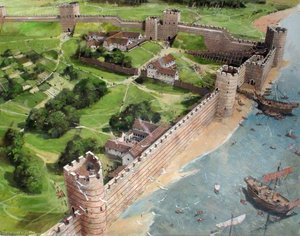
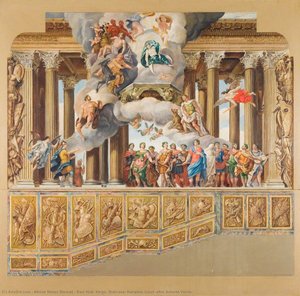
Following the war, Stewart’s work underwent a significant transformation. He moved away from purely representational depictions, exploring tonal variations and atmospheric effects to convey the emotional weight of his subjects. His paintings became characterized by muted colors, subtle textures, and a deliberate blurring of outlines – techniques reminiscent of Tonalism, a late 19th-century movement emphasizing mood and atmosphere over precise detail. This stylistic evolution is particularly evident in his iconic series of wartime paintings, including “East Wall, Kings’ Staircase, Hampton Court” (1943) and "North Bastion, Tower of London" (1941). These works aren't celebratory portrayals of military might; instead, they offer a poignant meditation on destruction, decay, and the fragility of human existence. The stark contrast between the grandeur of the historical buildings and their ravaged state serves as a powerful metaphor for the broader social and psychological trauma experienced by Britain during the war years.
Stewart’s artistic influences were diverse. He admired the work of J.M.W. Turner, whose atmospheric landscapes had profoundly impacted his early training. Later, he was drawn to the works of Edward Hopper, particularly his evocative portrayals of urban isolation and loneliness. However, it's crucial to note that Stewart’s wartime paintings transcend mere imitation; they possess a uniquely Scottish sensibility – a melancholic awareness of mortality and a deep connection to the land.
Galloway Revisited: A Return to Roots
Despite his wartime output, Stewart never abandoned his love for Galloway. In the post-war years, he returned to this region, producing a series of paintings that celebrated its enduring beauty while subtly acknowledging the scars left by past conflicts. These landscapes retain the meticulous detail of his earlier work but are infused with a newfound sense of quiet contemplation and resilience. The muted colors and atmospheric effects suggest a deeper understanding of the land’s history – its connection to both prosperity and hardship.
His later works often featured portraits, notably his evocative depictions of Sir John Watson Gordon, a leading Scottish master. These portraits demonstrate Stewart's ability to capture not only physical likeness but also the character and personality of his subjects. The influence of Tonalism is still present, creating a sense of intimacy and emotional depth.
Legacy and Historical Significance
Alistair Ninian Stewart’s contribution to British art may have been initially overlooked, yet his wartime paintings hold significant historical value. They offer a rare and unflinching glimpse into the psychological impact of World War II on Britain – a subject often glossed over in official accounts. His work serves as a poignant reminder of the human cost of conflict and the enduring power of memory. Furthermore, Stewart’s stylistic evolution—his transition from traditional landscape painting to atmospheric Tonalism—demonstrates the dynamic nature of artistic expression during a period of profound social and political upheaval. Today, his paintings are increasingly recognized for their emotional depth, technical skill, and historical significance, solidifying Alistair Ninian Stewart's place as a compelling voice in 20th-century British art.
alistair ninian stewart
1908 - 1979
Datos clave
- Artistic Movement Or Style: WWII Art, Landscape Painting
- Artists Or Movements Influenced By This Artist:
- Impressionist painters
- Macchiaioli artists
- Artists Who Influenced This Artist:
- Tommy Gordon
- William MacGeorge
- Date Of Birth: 1908
- Date Of Death: 1979
- Full Name: Alistair Ninian Stewart
- Nationality: Scottish
- Notable Artworks:
- East Wall, Hampton Court
- North Bastion, Tower London
- Place Of Birth: WahooArt, Scotland
Artículos relacionados
25 Obras Maestras de la National Gallery, Londres: Arte, Historia y Decoración Exclusiva
Descubre 25 obras maestras de la National Gallery, Londres. Explora la historia y el significado de Van Gogh, Monet, Leonardo da Vinci y más. Encuentra reproducciones de arte exclusivas para decorar tu hogar con estilo en ArtsDot.com.
Julius Leblanc Stewart: A Luminist’s Poetic Vision of Belle Époque Life
Explore the captivating world of Julius Leblanc Stewart, a master of Luminism renowned for his Belle Époque portraits and serene landscapes. Discover his artistic journey & legacy with ArtsDot.
Thomas H. Shepherd: Capturing Victorian London's Essence Through Topographical Precision
Explore the exquisite topographical paintings of Thomas H. Shepherd, renowned for his detailed depictions of Victorian London and beyond. Discover his legacy & artistic techniques.

Geoffrey Scowcroft Fletcher: A Life Immersed in Colour & British Abstract Expressionism
Explore the captivating world of Geoffrey Scowcroft Fletcher (1923-2004), a pivotal British artist and art critic. Discover his iconic London scenes, landscapes & unique style – a true master of romantic realism and impressionism.
William Stewart MacGeorge: Aesthetic Japonisme & the Scottish Portrait Tradition
Explore the captivating art of William Stewart MacGeorge, a key figure of the Kirkcudbright School. Discover his fusion of Scottish tradition with Aesthetic and Japonisme influences. Learn about his portraits & landscapes.

