 Ver en contexto
 Enviar
 Compartir
 Detalles

 Descargar
 Similares
 Radiografía
 Presentación de diapositivas
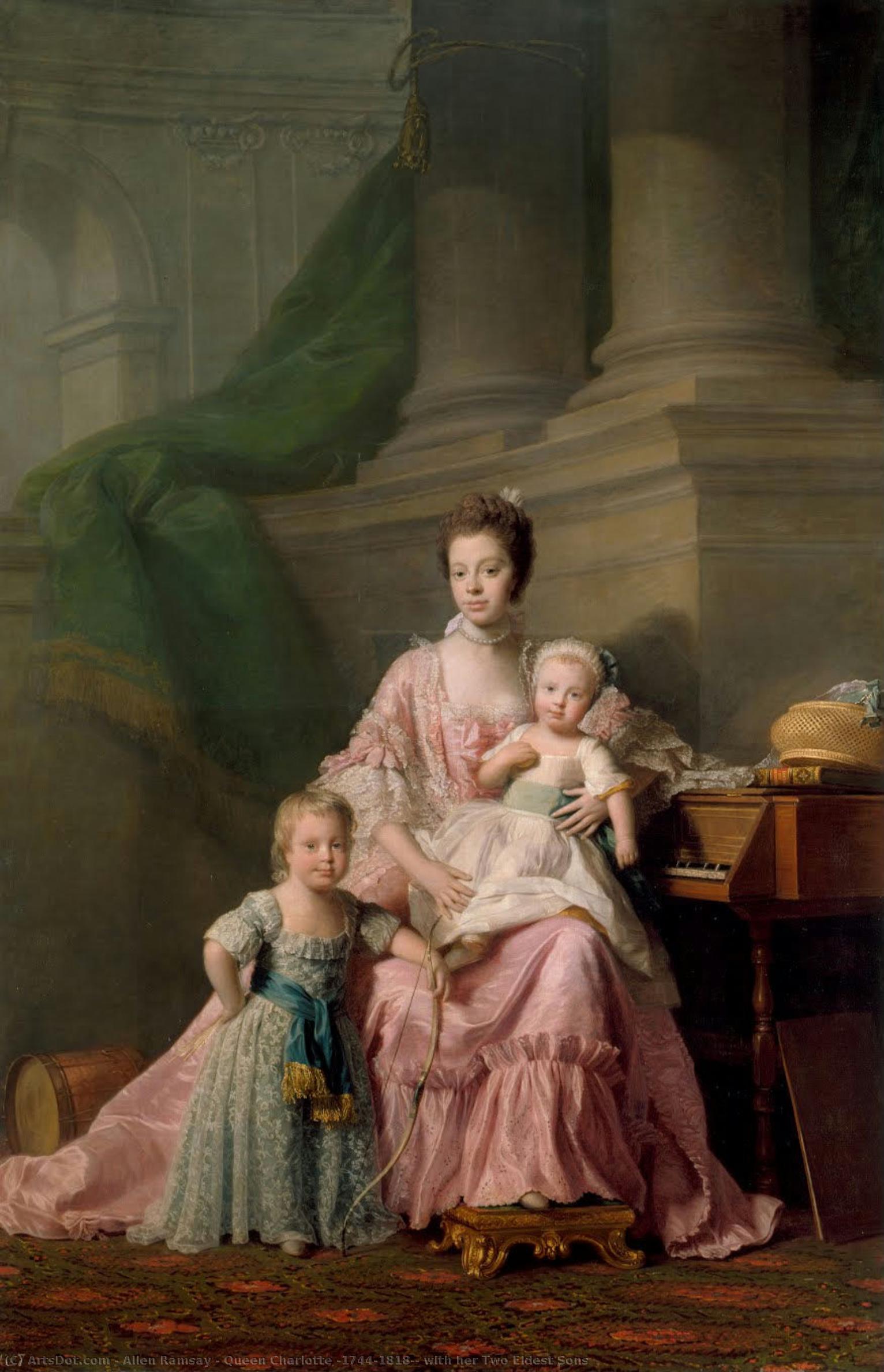
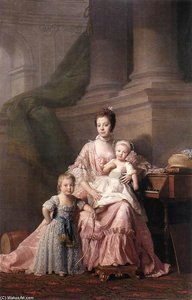
Queen Charlotte (1744-1818), with her Two Eldest Sons


 Ver más
Reproducción al óleo hecha a mano
Óleo sobre lienzo pintado a mano en el tamaño y marco de su elección, realizado por encargo por nuestros artistas. ( Comprar impresión Comprar imagen)




P118B $10

P118H $10

P118W $10

P438Z $10

P508JH $12

P508YH $12

P805H $10

P805Z $10

P919BZ $10

P919G $10

P919XJ $10

P959ZH $10

P968JZ $12

W106C $8

W218G $10

W218JH $8

W218Y $10

W307PJ $10

W316G $10

W316PJ $8

W316Y $10

W398PJ $8

W4111J $10

W500HY $15

W500JH $15

W692G $12

W849H $8

W940BG $15

W953PJ $8




Elija entre nuestros tamaños predefinidos que respetan las proporciones originales de la obra.

Puede ingresar sus propias dimensiones para adaptarse a un marco o espacio específico. Si el tamaño seleccionado no coincide con las proporciones de la imagen original, recortaremos la obra o extenderemos la pintura con elementos adicionales pintados a mano. Se le enviará una maqueta digital para su aprobación antes de comenzar la producción.
Tenga en cuenta que la vista previa en pantalla no refleja el recorte o la extensión reales. Solo la maqueta mostrará con precisión la composición final.
Si bien existen tamaños personalizados, recomendamos seleccionar una dimensión de la lista predefinida para preservar las proporciones originales.
Tras realizar el pedido, el equipo de ArtsDot.com enviará un correo electrónico al cliente para solicitar instrucciones y proporcionarle una vista previa del boceto.
Envío a todo el mundo () en 3-4 semanas en lugar de las 5 semanas estándar. (22 agosto). Sin comprometer la calidad.

Envío exprés gratuito a todo el mundo

Lienzo de lino de alta calidad

Seguro de envío total

Garantía de reembolso de impuestos aduaneros

Garantía de fidelidad cromática exacta

Política de devolución de 60 días (solo por defectos)

Garantía de devolución del 100% del dinero

Descuento por cantidad
 La opción de vidrio solo está disponible en tamaños inferiores a 110 cm.

Queen Charlotte (1744-1818), with her Two Eldest Sons
Técnica de reproducción
Dimensiones de la reproducción
-


Precio total final
$ 313
Descripción de la obra
A Window into the Georgian Court
Allan Ramsay’s “Queen Charlotte (1744-1818), with her Two Eldest Sons” is more than just a portrait; it's a meticulously crafted window into the opulent world of 18th-century British aristocracy. Painted in 1769, this masterpiece captures a pivotal moment within the royal family – Queen Charlotte presiding over her sons, symbols of lineage and future power. The scene unfolds within a richly appointed interior, likely a state room at Buckingham Palace or another grand residence, its details meticulously rendered to convey wealth, status, and an air of carefully controlled formality. The composition is deliberately balanced, reflecting the values of the era – order, propriety, and the importance of family succession.
Ramsay’s skill lies not just in his technical proficiency but also in his ability to imbue the figures with a palpable sense of personality. Queen Charlotte herself is depicted as a woman of considerable dignity and intelligence, her gaze direct and assured. The youthful sons flanking her possess an air of nascent authority, hinting at their future roles within the monarchy. The careful attention to detail – the intricate folds of the drapery, the shimmering fabrics, the delicate rendering of jewelry – speaks volumes about the family’s wealth and influence.
Rococo Elegance: A Style Defined by Grace
The painting is firmly rooted in the Rococo style, a movement that flourished throughout Europe during the 18th century. Characterized by its emphasis on elegance, grace, and ornamentation, Rococo art sought to evoke feelings of pleasure and delight. Ramsay masterfully employs this aesthetic through his use of soft colors – predominantly pinks, blues, and greens – creating a harmonious and visually soothing atmosphere. The flowing lines of the drapery, the rounded forms of the furniture, and the delicate details of the fabrics all contribute to the overall sense of lightness and refinement.
Notice particularly the use of *glazing*, a technique Ramsay perfected—thin layers of translucent paint applied over dried underlayers. This method allows for incredible luminosity and depth, capturing the subtle nuances of light and shadow with remarkable precision. The polished texture of the surfaces suggests meticulous brushwork, reflecting the artist’s dedication to his craft.
Symbolism and Royal Authority
Beyond its aesthetic beauty, “Queen Charlotte” is rich in symbolic meaning. The presence of the Queen and her sons underscores the importance of family continuity and the stability of the monarchy. The grand setting itself – the opulent interior with its columns and draped curtains – reinforces the notion of royal power and authority. Even the positioning of the figures within the composition carries significance, creating a sense of hierarchy and order.
Furthermore, the inclusion of the piano, a fashionable instrument of the time, subtly alludes to the Queen’s cultivated interests and her role as patron of the arts. The work-box on the piano hints at her domestic responsibilities, balancing the image of regal power with that of a devoted mother.
A Legacy in Reproduction
Today, Allan Ramsay's “Queen Charlotte” remains one of the most celebrated portraits of the Georgian era. Its exquisite detail, masterful technique, and profound symbolic meaning continue to captivate viewers centuries after its creation. High-quality reproductions offer a remarkable opportunity to experience this iconic artwork firsthand, bringing a touch of elegance and historical significance to any interior space.
Obras relacionadas
Biografía del artista
Allan Ramsay: Una Vida de Elegancia y Arte
Primeros Años y Formación
Nacido en Edimburgo, Escocia el 13 de octubre de 1713, Allan Ramsay emergió como un destacado pintor retratista escocés cuya obra capturaba la elegancia y la refinada del arte de su época. Su viaje artístico comenzó a los veinte años cuando viajó a Londres para estudiar bajo la tutela del pintor sueco Hans Hysing, seguido de instrucción en la Academia de St. Martin's Lane. Esta formación inicial le proporcionó una base sólida en técnica y composición.
Influencias Italianas y Desarrollo Artístico
El desarrollo artístico de Ramsay tomó un giro significativo con sus viajes a Roma y Nápoles, donde pasó tres años (1736-1738) trabajando bajo la tutela de Francesco Solimena y Imperiali (Francesco Fernandi). Estos maestros italianos influyeron profundamente en su estilo, fomentando una mayor comprensión de los principios clásicos y mejorando sus habilidades para capturar la semejanza y el carácter. Absorbió la estética rococó predominante mientras también desarrolló una apreciación por los ideales neoclásicos.
Una Carrera Floreciente y Obras Notables
Al regresar a Gran Bretaña en 1738, Ramsay rápidamente estableció una exitosa carrera como retratista. Su capacidad para representar a sus sujetos con precisión y gracia pronto le valió una distinguida clientela. Algunas de sus obras más notables incluyen:
- La Reina Carlota (1744-1818) con sus dos hijos mayores (Colección Real, Londres): Una representación regia que muestra la presencia maternal de la Reina.
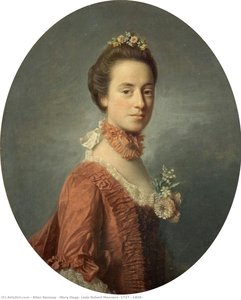
- Mary Degg, Lady Robert Manners (Galería Nacional de Escocia, Edimburgo): Un retrato elegante que demuestra la habilidad de Ramsay para capturar la belleza aristocrática.
- Retrato de cabeza de Duncan Forbes of Culloden: Esta obra temprana llamó la atención del Duque de Argyll y más tarde se incluyó en las notas bancarias del Banco Nacional de Escocia.
Nombramiento Real y Apogeo
Un momento crucial en la carrera de Ramsay llegó en 1761 con su nombramiento como Principal Pintor Ordinario de George III. Esta prestigiosa posición consolidó su estatus entre los élites artísticas y aseguró un flujo constante de encargos de la familia real y la alta sociedad. Se convirtió en *el* retratista de la era georgiana.
Vida Tardía y Legado
La vida tardía de Ramsay vio una transición hacia los intereses literarios, reflejando sus amplios intereses intelectuales. Sin embargo, tragedias personales – una dislocación accidental de su brazo derecho y el fallecimiento de su segunda esposa en 1782 – impactaron su salud y productividad. Murió en 1784.
A pesar de estos desafíos, Ramsay dejó un legado perdurable como uno de los pintores retratistas más celebrados de Escocia. Como Samuel Johnson señaló, “Me encanta Ramsay. No encontrarás a ningún hombre cuya conversación sea tan instructiva, llena de información y elegancia como la de Ramsay”. Sus obras continúan siendo admiradas por su habilidad técnica, estética refinada e insights sobre la sociedad del siglo XVIII.
Significado Histórico
La contribución de Allan Ramsay se extiende más allá de su talento artístico. Jugó un papel crucial en la configuración de la cultura visual de Escocia durante un período de importantes cambios sociales y políticos. Sus retratos proporcionan valiosos conocimientos sobre las vidas, la moda y los valores de la nobleza y la gentry escoceses. Sus obras se pueden encontrar en lugares como el ayuntamiento de Ayr y la Galería Nacional de Retratos de Escocia.
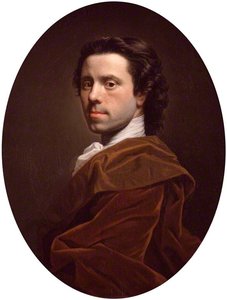
allen ramsay
1713 - 1784 , United Kingdom
Datos clave
- Artistic Movement Or Style: Rococó y Neoclásico
- Artists Or Movements Influenced By This Artist: ['Samuel Johnson']
- Artists Who Influenced This Artist:
- Hans Hysing
- Francesco Solimena
- Date Of Birth: 1713-10-13
- Full Name: Allan Ramsay
- Nationality: Escocés
- Notable Artworks:
- La Reina Carlota con sus dos hijos mayores
- Mary Degg, Lady Robert Manners
- Retrato de cabeza de Duncan Forbes
- Place Of Birth: Edimburgo, Reino Unido
Artículos relacionados

La Estética Rococó: Opulencia, Rebelión y Placer en el Arte del Siglo XVIII
Descubre la fascinante estética rococó: su historia, características clave y los artistas más influyentes del siglo XVIII. Un análisis profundo para amantes del arte y coleccionistas.

Rococó: 10 Obras Maestras que Definieron una Época | Arte y Decoración en
Descubre las 10 obras maestras del Rococó que marcaron una época. Explora la elegancia de Fragonard, Boucher y Watteau en . Reproducciones de arte de calidad museo para decorar tu hogar con estilo.
Illuminating the Enlightenment: A Comprehensive Exploration of 18th-Century Painting
Explore the captivating world of 18th-century painting! Discover Rococo's playful elegance & Neoclassicism’s Enlightenment ideals with expert insights into Fragonard, David, and more. A comprehensive guide for art enthusiasts.
Allen Ramsay: Portraiture, Patronage & Shaping Georgian Identity
Explore the life & work of Allen Ramsay, pivotal portraitist to George III. Discover his Rococo style, influence on Georgian society, and lasting legacy in British art history. Learn about his key works & patronage.
The Rococo Style: Aristocratic Leisure & the Pursuit of Delight in 18th-Century Art
Explore the opulent world of Rococo art! Discover Watteau, Boucher & Nattier's masterpieces. Expert insights for collectors seeking museum-quality reproductions and custom portraits at ArtsDot.