 Ver en contexto
 Enviar
 Compartir
 Detalles

 Descargar
 Similares
 Radiografía
 Presentación de diapositivas
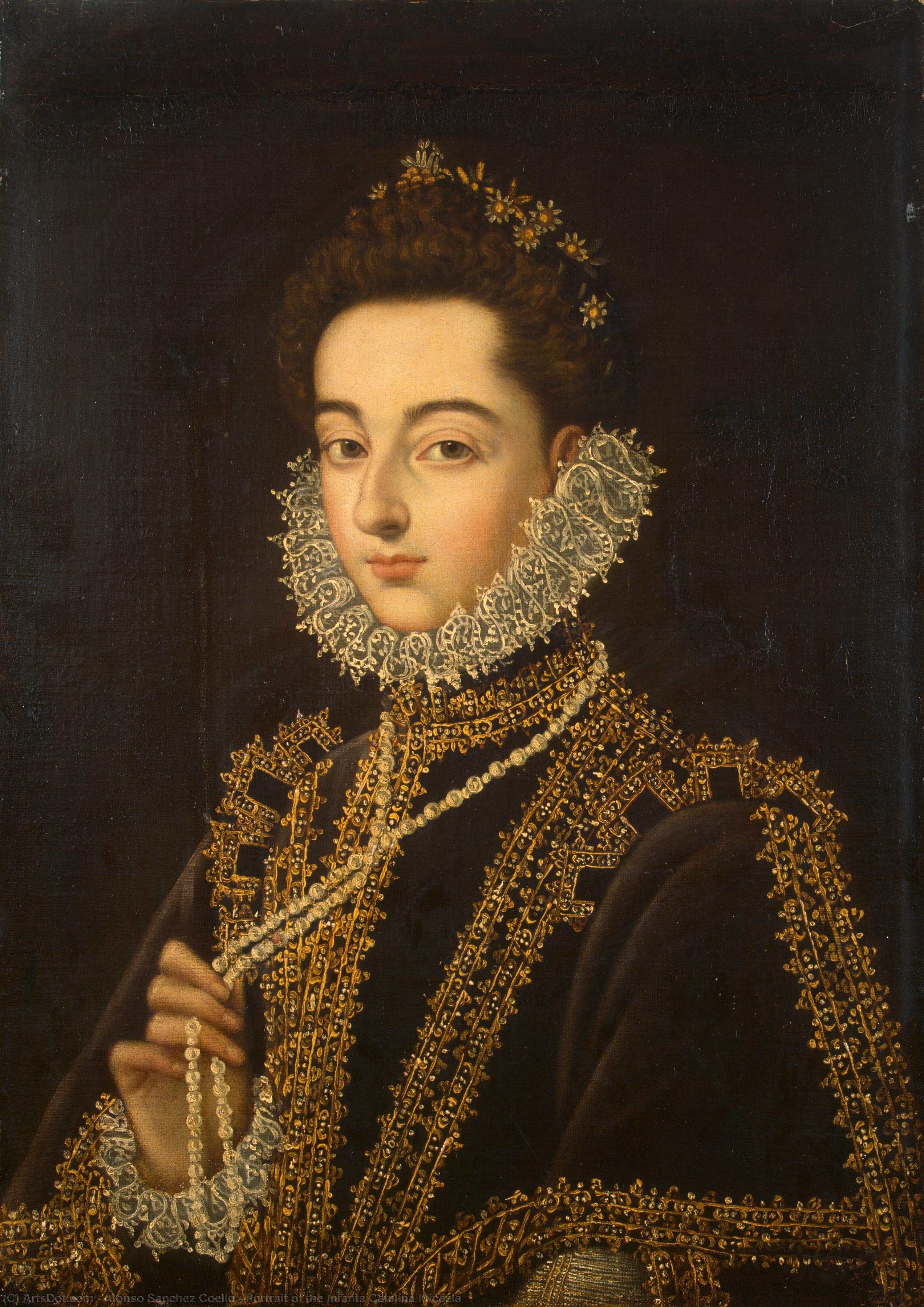
Portrait of the Infanta Catalina Micaela
 Oil On Canvas
- WallArt
- Renaissance Portraiture
 1682
1682 70.0 x 50.0 cm
 Museo del Hermitage
 Ver más
Reproducción al óleo hecha a mano
Óleo sobre lienzo pintado a mano en el tamaño y marco de su elección, realizado por encargo por nuestros artistas. ( Comprar impresión Comprar imagen)




P118B $10

P118H $10

P118W $10

P438Z $10

P508JH $12

P508YH $12

P805H $10

P805Z $10

P919BZ $10

P919G $10

P919XJ $10

P959ZH $10

P968JZ $12

W106C $8

W218G $10

W218JH $8

W218Y $10

W307PJ $10

W316G $10

W316PJ $8

W316Y $10

W398PJ $8

W4111J $10

W500HY $15

W500JH $15

W692G $12

W849H $8

W940BG $15

W953PJ $8




Elija entre nuestros tamaños predefinidos que respetan las proporciones originales de la obra.

Puede ingresar sus propias dimensiones para adaptarse a un marco o espacio específico. Si el tamaño seleccionado no coincide con las proporciones de la imagen original, recortaremos la obra o extenderemos la pintura con elementos adicionales pintados a mano. Se le enviará una maqueta digital para su aprobación antes de comenzar la producción.
Tenga en cuenta que la vista previa en pantalla no refleja el recorte o la extensión reales. Solo la maqueta mostrará con precisión la composición final.
Si bien existen tamaños personalizados, recomendamos seleccionar una dimensión de la lista predefinida para preservar las proporciones originales.
Tras realizar el pedido, el equipo de ArtsDot.com enviará un correo electrónico al cliente para solicitar instrucciones y proporcionarle una vista previa del boceto.
Envío a todo el mundo () en 3-4 semanas en lugar de las 5 semanas estándar. (1 septiembre). Sin comprometer la calidad.

Envío exprés gratuito a todo el mundo

Lienzo de lino de alta calidad

Seguro de envío total

Garantía de reembolso de impuestos aduaneros

Garantía de fidelidad cromática exacta

Política de devolución de 60 días (solo por defectos)

Garantía de devolución del 100% del dinero

Descuento por cantidad
 La opción de vidrio solo está disponible en tamaños inferiores a 110 cm.

Portrait of the Infanta Catalina Micaela
Técnica de reproducción
Dimensiones de la reproducción
-


Precio total final
$ 263
The Enigmatic Beauty of a Royal Portrait
Alonso Sánchez Coello’s “Portrait of the Infanta Catalina Micaela,” painted in 1582-85, is more than just a depiction of a young noblewoman; it's a meticulously crafted window into the formality and subtle power dynamics of 16th-century Spanish court life. The painting, now residing within the hallowed halls of the Museo del Prado in Madrid, immediately draws the eye with its restrained elegance – a deliberate departure from the flamboyant excesses often associated with portraiture during that era. The subject, Catalina Micaela, daughter of Philip II and Margaret Thérèse of Austria, is presented with an almost austere dignity, her gaze lowered as if lost in contemplation, yet radiating an undeniable grace.
Coello’s genius lies not merely in his technical skill – the subtle gradations of light and shadow, the delicate rendering of fabrics and jewelry – but in his ability to imbue a formal portrait with a profound sense of humanity. He masterfully blends influences from the Flemish objectivity championed by Anthonis Mor, whom he studied in Flanders, with the Venetian sensuality that characterized Titian’s work. This fusion results in a remarkably lifelike portrayal, capturing not just the physical likeness of the Infanta but also hinting at her inner world – a quiet intelligence and perhaps even a touch of melancholy.
A Masterclass in Renaissance Technique
Examining the painting closely reveals Coello’s sophisticated understanding of technique. He employs a layered approach, building up color and texture through numerous thin glazes—a hallmark of Flemish painting—creating an astonishingly luminous surface. The rich crimson of her dress is offset by the cool tones of her hair and skin, while the intricate details of her jewelry – pearls, gold buttons, and delicate lace – are rendered with painstaking precision. Notice, too, how he subtly uses light to sculpt the form of her face, emphasizing the delicate curve of her cheekbone and the gentle slope of her nose.
- Flemish Objectivity: Coello’s meticulous attention to detail and realistic depiction of textures reflects the influence of Flemish painting.
- Venetian Sensuality: The use of warm colors, particularly in the dress, hints at the Venetian tradition's emphasis on color and light.
- Glaze Technique: The numerous thin glazes create a luminous and vibrant surface.
Symbolism and Context within the Spanish Court
Beyond its technical brilliance, “Portrait of the Infanta Catalina Micaela” is steeped in symbolism relevant to the Spanish court of Philip II. The pose itself—the lowered gaze, the crossed hands—is a common motif in Renaissance portraits, signifying modesty and restraint – virtues highly valued within the rigid social hierarchy of the time. The inclusion of her gloves, a symbol of feminine refinement, further reinforces this image of aristocratic grace. Catalina Micaela’s position as one of the King's daughters made her a prominent figure in court circles, and Coello’s portrait serves not only to commemorate her beauty but also to subtly assert her status within the royal family.
Furthermore, the painting provides insight into the artistic patronage system prevalent during this period. The Infanta’s portrait was commissioned by Philip II himself, a testament to Coello's standing as one of the most sought-after court painters in Spain. The work reflects the King’s desire to project an image of power and prosperity – a carefully constructed façade designed to reinforce his authority.
A Timeless Masterpiece: Reproduction Possibilities
Today, “Portrait of the Infanta Catalina Micaela” stands as a testament to Alonso Sánchez Coello's artistic genius. If you’re seeking to bring this captivating portrait into your own home or office, a high-quality reproduction offers an accessible and affordable way to appreciate its beauty and historical significance. 1st Art Gallery offers meticulously hand-painted reproductions that capture the essence of Coello's original masterpiece, ensuring that you possess a stunning work of art that will grace your space for generations to come.
Obras relacionadas
Biografía del artista
Primeros Años y Formación
- Nacido: Benifaió, España (1531)
- Pasó su infancia cerca de Valencia hasta la muerte de su padre.
- Alrededor de 1541/42, se mudó a Portugal para vivir con su abuelo, un noble al servicio de los monarcas portugueses.
- Estudió con Anthonis Mor (Antonio Moro) en Flandes alrededor de 1550.
- Recibió el patrocinio de Antoine de Granville, Obispo de Arras, también patrono de Mor.
Carrera en la Corte Española
- Trabajó para la familia real portuguesa y más tarde para la corte de João Manuel, Príncipe de Portugal.
- Se trasladó a la corte española de Felipe II en 1555, recomendado por Juana, hermana de Felipe II.
- Se convirtió en Pintor de Cámara en 1560.
- Se casó con Luisa Reyaltes, hija de un silversmith, alrededor de 1560/61.
- Su hija, Isabel Sánchez, también se convirtió en pintora y asistió en su taller.
- Se mudó con la corte a Toledo y se estableció en Madrid en 1561.
Estilo Artístico e Influencias
- Estilo: Combinó la objetividad flamenca con la sensualidad veneciana.
- Influencias: Principalmente influenciado por Anthonis Mor y Tiziano.
- Aprendió precisión de Mor.
- Incorporó tonos dorados venecianos, generosa factura y el uso de la luz de Tiziano.
- Conocido por retratos marcados por facilidad de pose, dignidad, sobriedad y calidez del color.
Obras Principales y Logros
- Produjo tanto retratos como pinturas religiosas.
- Las obras religiosas eran convencionales pero demuestran un estilo austero.
- Retratos notables:
- Felipe II sosteniendo un Rosario (1573)
- Retratos de la Infanta Isabel Clara Eugenia (1571)
- Serie de pinturas que representan a los hijos de Felipe II.
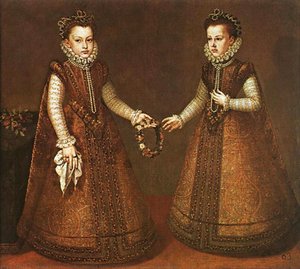
- Doble retrato de las infantas Isabella Clara Eugenia y Catalina Micaela (1568–9).
- Pintó obras religiosas para El Escorial.
- Produjo una vista topográfica del puerto de Sevilla.
Legado y Significado Histórico
- Su reputación como retratista se ha complicado por numerosas copias e imitaciones.
- Considerado una figura significativa en el arte renacentista español, particularmente por sus retratos cortesanos.
- Su obra influyó a artistas posteriores, incluyendo Velázquez, con respecto a la representación de texturas como armaduras y drapeados.
- Falleció en Madrid el 8 de agosto de 1588.
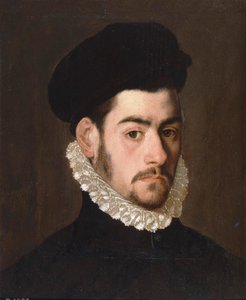
Alonso Sánchez Coello
1531 - 1588 , España
Datos clave
- Artistas Influenciados: ['Velázquez']
- Artistas Que Influyeron:
- Anthonis Mor
- Tiziano
- Fecha De Muerte: 1588
- Fecha De Nacimiento: c. 1531
- Lugar De Nacimiento: Benifaió, España
- Movimiento Artístico: Renacimiento español
- Nacionalidad: Iberia
- Nombre Completo: Alonso Sánchez Coello
- Obras Notables:
- Felipe II con rosario
- Retrato de Isabel Clara Eugenia
- Hijas de Felipe II
- La dama del abanico
Artículos relacionados

The Golden Age Reforged: Dramatic Realism & Religious Zeal in Spanish Baroque Art
Explore the dramatic world of Spanish Baroque art! Discover masters like Zurbarán & the powerful influence of religious zeal on painting techniques – a guide for collectors and enthusiasts.
Rafael de Penagos: A Study in Spanish Portraiture & Artistic Identity
Explore the life & art of Rafael de Penagos, a leading Spanish Art Deco illustrator. Discover his iconic 'Penagos Woman', commercial work, and lasting legacy. Learn about this pivotal figure in 20th-century Spanish art history.
José Gutiérrez Solana: A Chronicle of Spanish Society Through Expressionist Vision
Explore the captivating world of José Gutiérrez Solana, a pivotal Spanish Expressionist painter. Discover his haunting depictions of early 20th-century Spain, influenced by Goya & El Greco. Learn about his key works and lasting legacy.
Manuel Benedito Vives: A Study of Light, Color & Emotional Resonance in Contemporary Spanish Painting
Explore the captivating world of Manuel Benedito Vives, a celebrated Spanish painter influenced by Sorolla. Discover his masterful portraits, luminous landscapes & enduring legacy – a favorite of the Spanish Royal Family. Art collectors will appreciate this in-depth study.
Las 25 Obras Maestras del Prado: Arte Español e Inspiración para tu Hogar
Descubre las 25 obras maestras del Museo del Prado: Velázquez, Goya, El Greco y más. Explora la historia, técnica y belleza de cada cuadro español. Encuentra reproducciones de arte exclusivas e inspira tu hogar con ArtsDot.com.