

 Ver en contexto
 Enviar
 Compartir
 Detalles

 Descargar
 Similares
 Radiografía
 Presentación de diapositivas
 Stats
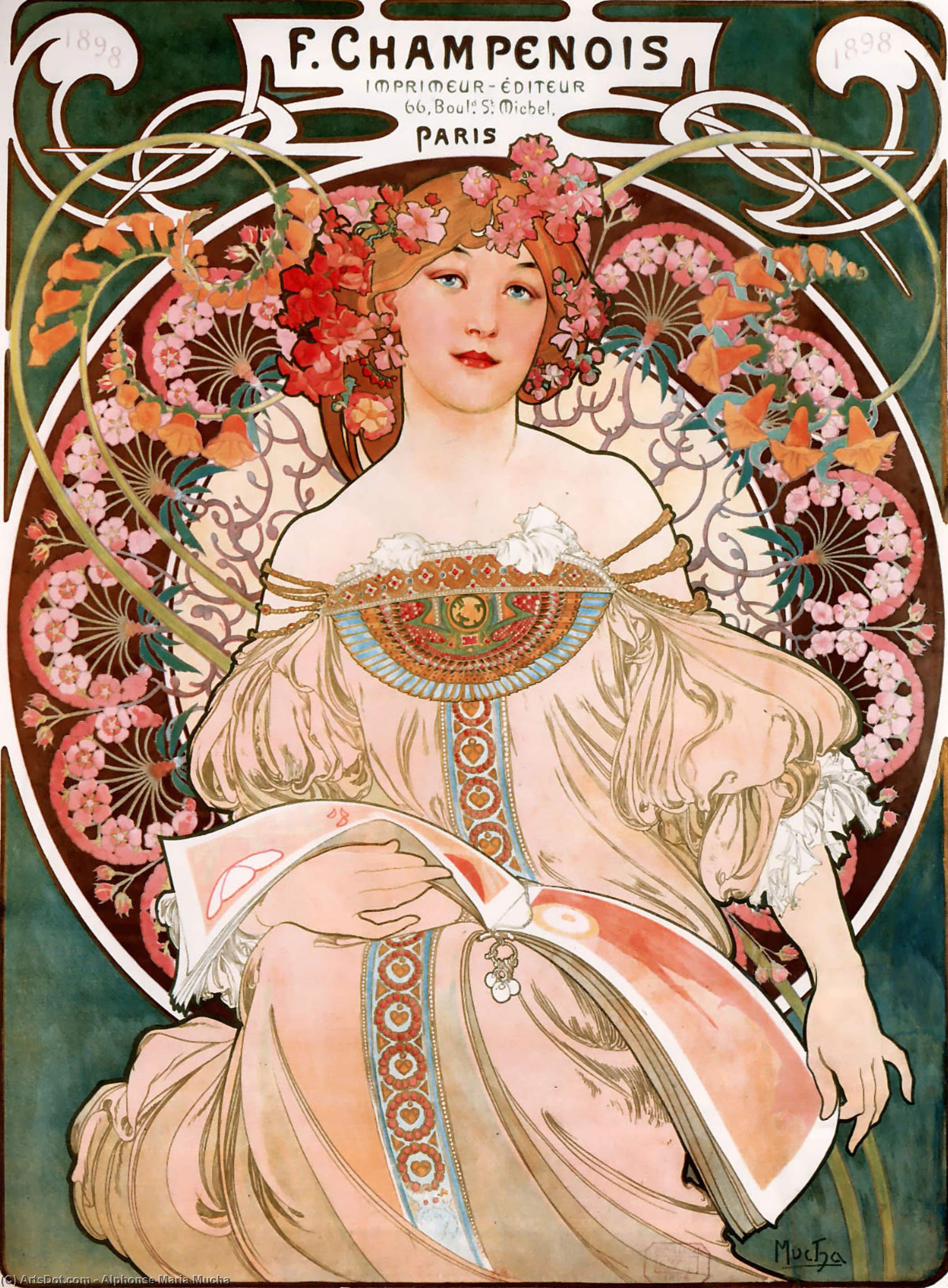
StatsF Champenois Imprimeur Editeur


 Ver más
Adquiera una imagen digital de alta resolución y optimizada, muy superior a la vista previa en línea.
Cada archivo es preparado meticulosamente por nuestros especialistas internos mediante el uso de herramientas avanzadas y un experto retoque manual. Nos aseguramos de que cada imagen posea una claridad excepcional, una precisión cromática impecable y un detalle minucioso.
El archivo final se entrega por correo electrónico en un plazo de 72 horas, optimizado para su uso inmediato en entornos profesionales, editoriales y de impresión. Esta es la misma calidad en la que confían los estudios de diseño, las editoriales y las galerías de primer nivel.
Imagen Digital
Descarga un archivo de alta resolución para exhibición personal, impresión y proyectos creativos. ( Switch to Print Comprar pintura hecha a mano)
Incluido en cada pedido de imágenes digitales
Entrega digital experta, garantizada.
Al elegir ArtsDot.com, no solo está adquiriendo una imagen; está recibiendo una obra de arte digital mejorada profesionalmente, elaborada con precisión y respaldada por una garantía de satisfacción. Esto es todo lo que incluye su pedido, automáticamente:

Entrega rápida por email
Recibirá su archivo de imagen digital en alta resolución por correo electrónico en un plazo de 72 horas tras realizar su pedido, listo para su uso inmediato.

Archivo digital optimizado por IA
Su obra de arte se optimiza profesionalmente mediante herramientas avanzadas de IA y edición manual, garantizando el máximo detalle, claridad y precisión cromática.

Reenvío gratuito de por vida
¿Has borrado o perdido tu archivo por error? No te preocupes: te lo volveremos a enviar en cualquier momento, sin coste adicional.

Sin gastos de importación, siempre
Disfrute de su obra de arte al instante sin aduanas, aranceles ni gastos de envío; las descargas digitales siempre están libres de impuestos.

Garantía de fidelidad de color
Garantizamos que su imagen digital refleje los colores originales con la mayor fidelidad posible, mediante el uso de herramientas profesionales y gestión del color.

Garantía de satisfacción de 100 días
Si no está satisfecho con su imagen digital, la revisaremos o le reembolsaremos el 100% en un plazo de 100 días, sin preguntas.

100% Garantía de devolución de dinero
¿No está satisfecho? Obtenga un reembolso completo dentro de los 100 días posteriores a la recepción de su archivo digital, sin preguntas.

Descuentos por pedidos grandes
Compra 3 imágenes, ahorra 10% - Compra 5, ahorra 15% - Compra 10+, ahorra 20%. Ideal para proyectos creativos, galerías y agencias.
Alphonse Mucha’s ‘Introduction of the Slavonic Liturgy’: A Symphony of Symbolism
Step into a world of profound spirituality and exquisite artistry with this hand-painted reproduction of Alphonse Maria Mucha's monumental mural, ‘Introduction of the Slavonic Liturgy.’ Commissioned for the Vysoká škola (High School) in Prague, this work represents far more than a depiction of a biblical event; it’s a testament to Czech national identity, religious devotion, and Mucha’s unparalleled mastery of the Art Nouveau style. The sheer scale – originally measuring an astonishing 14 x 23 meters – immediately commands attention, transporting the viewer into a scene brimming with vibrant color, intricate detail, and a palpable sense of reverence.
Mucha's artistic vision was deeply rooted in the Symbolist movement, yet he infused it with distinctly Czech motifs. The central figures, representing Christ and Saint Cyril, are rendered with an almost ethereal grace, their robes flowing with the characteristic curves that define Art Nouveau. The surrounding figures – priests, dignitaries, and the faithful – are depicted with a remarkable attention to detail, reflecting Mucha’s meticulous approach to his craft. Notice the careful rendering of textures: the heavy velvet of the liturgical vestments, the shimmering gold of the icons, and the rough-hewn stone of the temple itself all contribute to the immersive quality of the scene.
Thematic Resonance and Historical Context
Completed in 1902, ‘Introduction of the Slavonic Liturgy’ emerged during a period of intense national revival within Bohemia. The Austro-Hungarian Empire sought to foster a sense of unity among its diverse populations, and art played a crucial role in this endeavor. Mucha's mural served as a powerful symbol of Czech Orthodox faith and identity, aligning with the broader movement to promote Czech language, culture, and religious traditions. The subject itself – the introduction of Slavonic liturgy into the Roman Catholic Church – held significant theological weight, representing a bridge between Eastern and Western Christianity.
Furthermore, the mural’s commission coincided with Mucha's growing recognition as a leading figure in the international Art Nouveau movement. His distinctive style, characterized by its flowing lines, decorative patterns, and idealized female figures, was rapidly gaining popularity across Europe. This monumental work solidified his reputation as one of the era’s most innovative and influential artists.
Technique and Artistic Flourishes
This hand-painted reproduction meticulously recreates Mucha's original technique, employing traditional oil painting methods to capture the richness and depth of color. The artist has skillfully replicated the layering of glazes, creating a luminous effect that mimics the shimmering quality of the original mural. The intricate detailing – from the folds in the drapery to the expressions on the faces of the figures – is achieved through painstaking brushwork, demonstrating an extraordinary level of skill and patience. Note the use of gold leaf accents, a hallmark of Mucha’s work, which adds a further layer of opulence and grandeur.
A Timeless Masterpiece: Bringing Art Home
More than just a beautiful image, this reproduction offers a window into a pivotal moment in Czech history and the artistic genius of Alphonse Maria Mucha. Whether adorning a grand salon or a smaller space, this artwork will undoubtedly become a focal point, sparking conversation and inspiring awe. Commissioning a hand-painted replica ensures that you possess an authentic piece of art history – a timeless masterpiece that will be treasured for generations to come.
Obras relacionadas
Biografía del artista
Primeros Años y Educación
- Nacido: 15 de julio de 1860, en Ivanačice, Moravia (ahora parte de la República Checa)
- Mostró talento artístico desde una edad temprana.
- Estudió en la Academia de Bellas Artes de Praga pero se desilusionó con los enfoques tradicionales.
- Se mudó a París en 1887 para perseguir su propio estilo.
Estilo Artístico y Obras Notables
- Conocido por un estilo Art Nouveau distintivo caracterizado por líneas fluidas, formas orgánicas y una sensación de movimiento.
- Influenciado por artistas como Pierre-Auguste Renoir y Gustave Moreau.
- Obras Notables:
- La Insurrección Eslava - Muestra la combinación de motivos checos tradicionales con elementos Art Nouveau modernos.
- Salon des Cent
- Pinturas inspiradas en obras como Las Hijas de Tespio de Gustave Moreau, y La Ribambelle des Gobelins de Piero Dorazio.
- Ilustraciones basadas en Jóvenes Granjeros Rompiendo Lino de Sir Hubert von Herkomer.
- Frecuentemente presentó mujeres idealizadas con túnicas fluidas rodeadas de flores exuberantes.
Hitos Profesionales y Comisiones Importantes
- Colaboración con Sarah Bernhardt: Creó carteles y diseños para la actriz Sarah Bernhardt, comenzando con el cartel de Gismonda (1894), lo que lanzó su carrera.
- Exposición Universal en París (1900): Su estilo Art Nouveau ganó reconocimiento internacional en esta exposición. Decoró el Pabellón de Bosnia y Herzegovina y colaboró en el Pabellón Austriaco.
- Patronazgo de Charles Richard Crane: Recibió apoyo de Charles Richard Crane, lo que le permitió crear la monumental serie El Épico Eslavo (1912-30).
- Checoslovaquia Independiente: Diseñó sellos postales, billetes y documentos gubernamentales para la recién independiente Checoslovaquia.
Influencias y Legado
- Influenciado por las tradiciones artísticas checas y los movimientos de arte europeos modernos.
- Su estilo único allanó el camino para futuras generaciones de artistas en Art Nouveau y Secesión.
- Inspiró a otros artistas como Eva Prokopcová.
- El legado se extiende más allá de su obra de arte hasta influir en el diseño y la estética.
Vida Posterior y Muerte
- Se casó con Maruska (Marie/Maria) Chytilová en 1906.
- Visitó los Estados Unidos desde 1906 hasta 1910, donde nació su hija Jaroslava.
- Murió el 14 de julio de 1939 en Praga, Checoslovaquia.
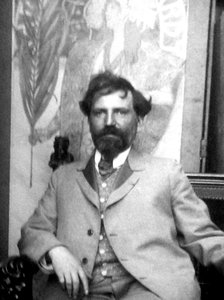
Alphonse Maria Mucha
1860 - 1939 , República Checa
Breves datos
- Artistas Influenciados: ['Eva Prokopcová']
- Artistas Que Influyeron:
- Pierre-Auguste Renoir
- Gustave Moreau
- Fecha De Fallecimiento: 1939
- Fecha De Nacimiento: 15 de julio de 1860
- Lugar De Nacimiento: Brno, República Checa
- Movimiento Artístico: Art Nouveau
- Nacionalidad: Checo
- Nombre Completo: Alphonse Maria Mucha
- Obras Notables:
- La sublevación eslava
- Salón de los Cien
- Las hijas de Tespio
- La Ribambelle de Gobelins