 Ver en contexto
 Enviar
 Compartir
 Detalles

 Descargar
 Similares
 Radiografía
 Presentación de diapositivas
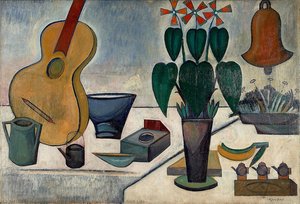
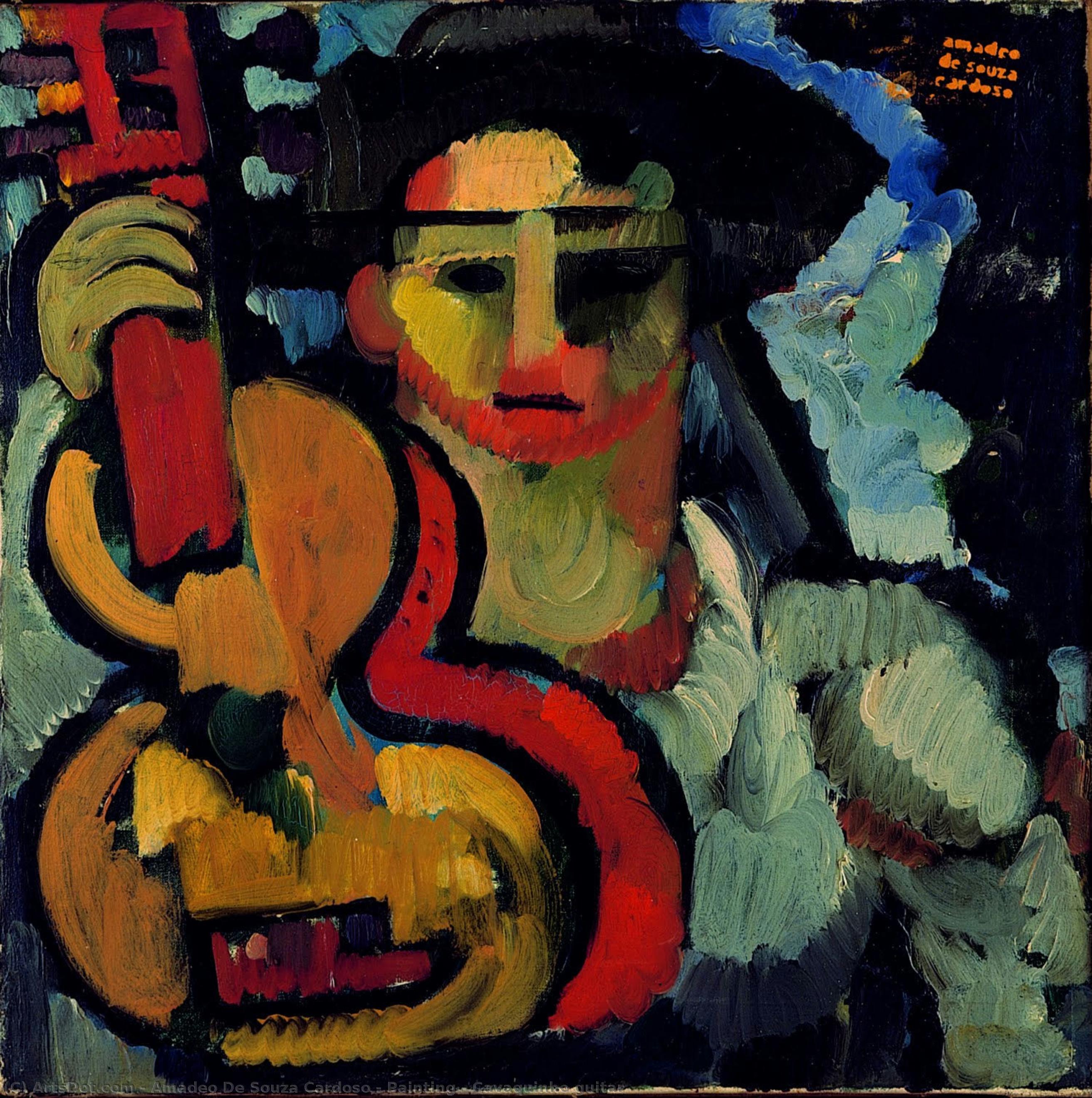
Painting - Cavaquinho guitar
 Oil On Canvas
- WallArt
- Portuguese Modernism
 1915
1915- Modern
 5.0 x 50.0 cm
 Rede Portuguesa de Arte Contemporânea a Norte
 Ver más
Giclée / Impresión de arte
Impresiones giclée o en lienzo de calidad de museo con producción rápida y opciones de acabado flexibles. ( Comprar pintura hecha a mano Comprar imagen)




P118B $10

P118H $10

P118W $10

P438Z $10

P508JH $12

P508YH $12

P805H $10

P805Z $10

P919BZ $10

P919G $10

P919XJ $10

P959ZH $10

P968JZ $12

W106C $8

W218G $10

W218JH $8

W218Y $10

W307PJ $10

W316G $10

W316PJ $8

W316Y $10

W398PJ $8

W4111J $10

W500HY $15

W500JH $15

W692G $12

W849H $8

W940BG $15

W953PJ $8




Elija entre nuestros tamaños predefinidos que respetan las proporciones originales de la obra.

Puede introducir sus propias dimensiones para adaptarse a un marco o espacio específico. Si el tamaño seleccionado no coincide con las proporciones de la imagen original, recortaremos la obra de arte o extenderemos la imagen con un borde con efecto espejo o de color sólido. Se enviará una maqueta digital para su aprobación antes de que comience la producción.
Tenga en cuenta que la vista previa en pantalla no refleja el recorte o la extensión real. Solo la maqueta mostrará con precisión la composición final.
Aunque existen tamaños personalizados, recomendamos seleccionar una dimensión de la lista predefinida para preservar las proporciones originales.
Envío a todo el mundo () en 2 semanas en lugar de las 4/5 semanas estándar. (31 agosto)

Envío exprés gratuito a todo el mundo

Lienzo de lino de alta calidad

Seguro de envío total

Garantía de reembolso de impuestos aduaneros

Garantía de fidelidad cromática exacta

Política de devolución de 60 días (solo por defectos)

Garantía de devolución del 100% del dinero

Descuento por cantidad
 La opción de vidrio solo está disponible en tamaños inferiores a 110 cm.

Painting - Cavaquinho guitar
Giclée / Impresión de arte
Dimensiones de la reproducción
-


Precio total final
$ 62
A Melancholic Resonance: The Soul of the Cavaquinho Guitar
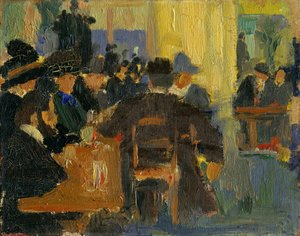
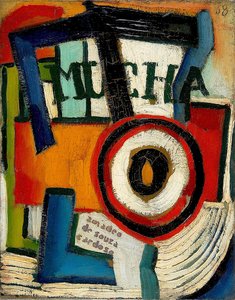
In the evocative realm of early 20th-century Modernism, few works capture the intersection of cultural identity and avant-garde experimentation as poignantly as Amadeo de Souza-Cardoso’s “Cavaquinho Guitar.” This striking masterpiece presents a man lost in a moment of profound contemplation, his hands cradling the iconic Portuguese instrument. The composition is anchored by this central figure, whose presence dominates the canvas with an almost sculptural weight. Behind him, a subtly textured sky filled with drifting clouds introduces an air of soft melancholy, creating a dreamlike atmosphere that transcends simple portraiture. Every element, from the man’s steady gaze to the delicate way he holds the instrument, invites the viewer into a private, introspective world where time seems to suspend itself.
The painting serves as a brilliant testament to the artist's ability to synthesize diverse European influences. Souza-Cardoso, a pioneer of Portuguese Modernism, masterfully weaves together the fragmented perspectives of Cubism with the raw, emotional intensity of Expressionism. Through the use of geometric forms and a dynamic arrangement of shapes, he imbues the scene with a sense of movement and structural complexity. Yet, despite this modern fragmentation, the work never loses its human pulse. The artist’s technique—utilizing oil on canvas with meticulous, visible brushstrokes—adds a tactile richness to the piece. His skillful blending of pigments creates harmonious tonal variations, allowing light and shadow to dance across the man's features and the surface of the guitar, lending the artwork a lifelike depth that is both captivating and enduring.
Cultural Heritage and the Modern Spirit
Beyond its formal brilliance, “Cavaquinho Guitar” is steeped in profound symbolism. The cavaquinho itself is more than just an object; it is a vessel of Portuguese musical artistry and cultural heritage, acting as a tether to the artist's roots even as his style reaches toward the international avant-garde. This tension between tradition and innovation is the heartbeat of the painting. Created in 1915, the work emerged during a period of intense artistic upheaval in Portugal, reflecting a nation’s yearning for modern identity amidst global change. The man’s outward gaze suggests a longing or a searching spirit, mirroring the broader anxieties and aspirations of an era defined by rapid transformation.
For the discerning collector or interior designer, this painting offers much more than mere decoration; it provides a focal point of intellectual and emotional depth. Whether placed in a contemporary gallery setting or a classic study, the piece commands attention through its sophisticated interplay of texture and mood. A high-quality reproduction of this work allows one to bring the transformative energy of the Parisian-influenced Portuguese school into a personal space, offering a daily encounter with a moment of pure, unadulterated passion and historical significance.
Obras relacionadas
Biografía del artista
Primeros años y educación
Amadeo de Souza-Cardoso, un pintor portugués pionero, nació el 14 de noviembre de 1887 en Mancelos, una parroquia de Amarante. A los 18 años, se inscribió en la Superior Escuela de Bellas Artes de Lisboa, marcando el inicio de su viaje artístico. Un año después, se trasladó a París, donde inicialmente persiguió la arquitectura pero pronto cambió su enfoque hacia la pintura, destacándose particularmente en caricaturas.Evolución artística e influencias
Para 1910, el estilo de Amadeo de Souza-Cardoso comenzó a reflejar las influencias del cubismo y el futurismo, estableciéndolo como uno de los primeros pintores portugueses modernos. Sus obras se caracterizan por su forma y color agresivos y vívidos, con una estructura compositiva que puede parecer aleatoria o caótica al principio, pero es, de hecho, claramente definida y equilibrada.Obras destacadas y asociaciones
- Saut du Lapin (1911): Una obra temprana que muestra su estilo único.
- Cabeça (1913): Refleja su experimentación con la forma y el color.
- Entrada (1917) y Pintura (1917): Demuestran su crecimiento hacia la abstracción.
Legado y reconocimiento
A pesar de su muerte prematura a los 30 años, el legado de Amadeo de Souza-Cardoso perdura. Su obra ha sido objeto de dos importantes retrospectivas, una en 1958 y otra en 2016 en el Grand Palais de París. Hoy en día, sus pinturas se pueden encontrar en varios museos, incluyendo el Plymouth City Museum and Art Gallery, que también presenta obras de otros artistas notables como Harold Riley, Henry Harris Lines y Edmund John Niemann.Significado histórico
Amadeo de Souza-Cardoso es reconocido como un precursor del arte moderno portugués. Su capacidad para integrar influencias vanguardistas como el cubismo y el futurismo en su propio estilo único lo convierte en una figura clave en la historia del arte portugués. Su breve pero impactante carrera ha dejado una huella indeleble en el mundo del arte, inspirando a artistas contemporáneos y fascinando a entusiastas del arte de todo el mundo.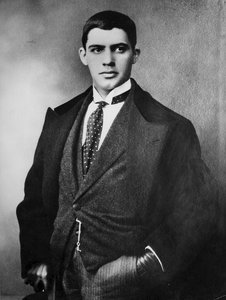
Amadeo de Souza Cardoso
1887 - 1918 , Portugal
Datos clave
- Artistas Que Influyeron:
- Amedeo Modigliani
- Fernand Léger
- Pablo Picasso
- Fecha De Muerte: 25 de octubre de 1918
- Fecha De Nacimiento: 14 de noviembre de 1887
- Lugar De Nacimiento: Mancelos, Portugal
- Movimiento Artístico: Modernismo, Cubismo, Futurismo
- Nacionalidad: Portuguesa
- Nombre Completo: Amadeo de Souza-Cardoso
- Obras Notables:
- Saut du Lapin (1911)
- Cabeça (1913)
- Entrada (1917)
- Pintura (1917)
Artículos relacionados
Mikhail Larionov: Rayonism, Primitivism & the Dawn of Russian Avant-Garde Painting
Explore the revolutionary art of Mikhail Larionov & the Russian Avant-Garde. Discover Rayonism, Primitivism's influence, and his lasting impact on modern painting. Expert insights for collectors.
The Dawn of Modernity: Artistic Responses to a Pivotal Year – 1913
Explore the revolutionary art of 1913 – a pivotal year for Modernism. Discover Cubist masterpieces, Russian Avant-Garde pioneers & key artists shaping a new era. Expert insights for discerning collectors.

David Burliuk: A Pioneer of Russian Avant-Garde & His Enduring Legacy
Explore the revolutionary art of David Burliuk, a key figure in Russian Avant-Garde & Cubo-Futurism. Discover his impact on painting, poetry, and design with ArtsDot.
Kuzma Petrov-Vodkin: A Pioneer of Russian Spiritual Symbolism & the Avant-Garde
Explore the captivating world of Kuzma Petrov-Vodkin, a pivotal figure in Russian avant-garde and spiritual symbolism. Discover his iconic works, unique style & lasting influence on 20th-century art.
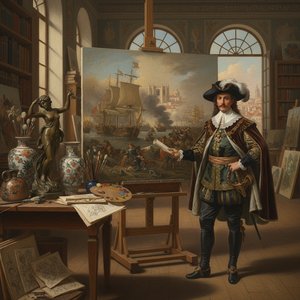
Alfredo Roque Gameiro: A Portuguese Master of Historical Painting & Artistic Eclecticism
Discover Alfredo Roque Gameiro (1864-1935), a renowned Portuguese painter celebrated for his vibrant watercolors and historical illustrations. Explore his legacy & artworks at ArtsDot.