

 Ver en contexto
 Enviar
 Compartir
 Detalles

 Descargar
 Similares
 Radiografía
 Presentación de diapositivas
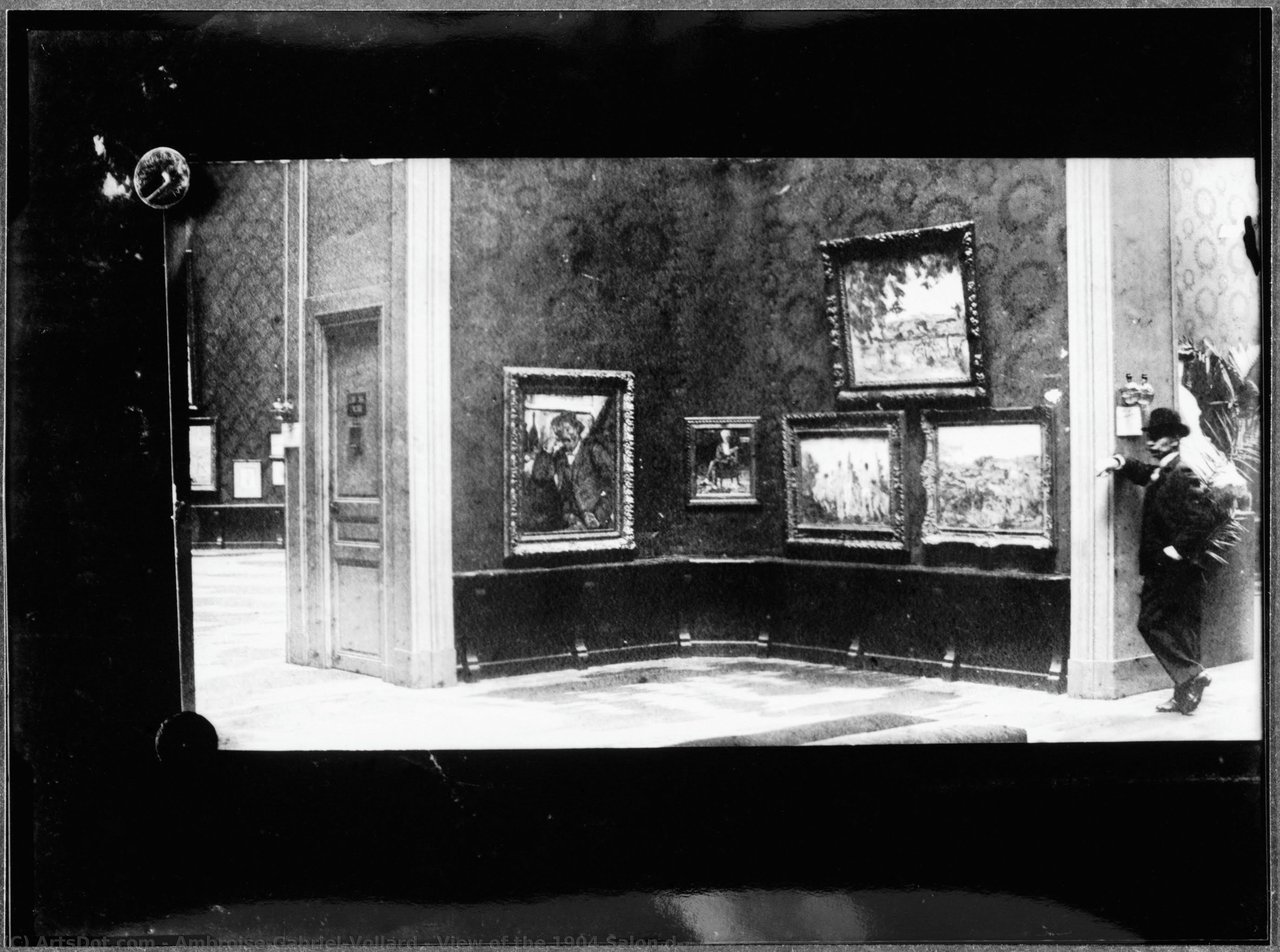
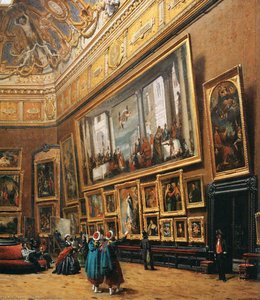
View of the 1904 Salon d


 Ver más
Giclée / Impresión de arte
Impresiones giclée o en lienzo de calidad de museo con producción rápida y opciones de acabado flexibles. ( Comprar pintura hecha a mano Comprar imagen)




P118B $10

P118H $10

P118W $10

P438Z $10

P508JH $12

P508YH $12

P805H $10

P805Z $10

P919BZ $10

P919G $10

P919XJ $10

P959ZH $10

P968JZ $12

W106C $8

W218G $10

W218JH $8

W218Y $10

W307PJ $10

W316G $10

W316PJ $8

W316Y $10

W398PJ $8

W4111J $10

W500HY $15

W500JH $15

W692G $12

W849H $8

W940BG $15

W953PJ $8




Elija entre nuestros tamaños predefinidos que respetan las proporciones originales de la obra.

Puede introducir sus propias dimensiones para adaptarse a un marco o espacio específico. Si el tamaño seleccionado no coincide con las proporciones de la imagen original, recortaremos la obra de arte o extenderemos la imagen con un borde con efecto espejo o de color sólido. Se enviará una maqueta digital para su aprobación antes de que comience la producción.
Tenga en cuenta que la vista previa en pantalla no refleja el recorte o la extensión real. Solo la maqueta mostrará con precisión la composición final.
Aunque existen tamaños personalizados, recomendamos seleccionar una dimensión de la lista predefinida para preservar las proporciones originales.
Envío a todo el mundo () en 2 semanas en lugar de las 4/5 semanas estándar. (24 agosto)

Envío exprés gratuito a todo el mundo

Lienzo de lino de alta calidad

Seguro de envío total

Garantía de reembolso de impuestos aduaneros

Garantía de fidelidad cromática exacta

Política de devolución de 60 días (solo por defectos)

Garantía de devolución del 100% del dinero

Descuento por cantidad
 La opción de vidrio solo está disponible en tamaños inferiores a 110 cm.

View of the 1904 Salon d
Giclée / Impresión de arte
Dimensiones de la reproducción
-


Precio total final
$ 62
Descripción de la pieza
A Glimpse into Parisian Salon Life – “View of the 1904 Salon d” by Ambroise Vollard
The photograph presented before us—"View of the 1904 Salon d"—isn’t merely a snapshot; it's a meticulously crafted window into a pivotal moment in art history. Captured by Ambroise Vollard, a name synonymous with championing modern artists during the early 20th century, this image transports us to the heart of the 1904 Paris Salon, an exhibition renowned for its role in shaping artistic trends and fostering innovation. The grainy texture of the silver gelatin print speaks volumes about the era’s photographic techniques—a testament to the artistry involved in capturing light and shadow before the advent of digital imaging. More than just a record of an event, it's a palpable feeling of intellectual curiosity and artistic fervor.
At the center of the composition stands a man, elegantly attired in a hat, positioned near a painting—a focal point that immediately draws the viewer’s eye. His posture suggests quiet contemplation, a deliberate engagement with the artwork before him. Around him, a carefully arranged collection of framed paintings creates an immersive environment, hinting at the wealth and sophistication associated with art patronage during this period. The perspective skillfully guides our gaze through the room, utilizing the converging lines of the walls and frames to establish depth and draw us into the scene. It’s a masterful use of composition that elevates the photograph beyond a simple documentation.
The Artist: Ambroise Vollard – A Patron of Modernism
Ambroise Vollard was more than just an art dealer; he was a pivotal figure in the rise of modern art. Born in Saint-Denis, France, in 1866, his early life laid the groundwork for his future role as a champion of avant-garde artists. Initially pursuing a legal career, Vollard quickly recognized his true passion lay within the world of art. He established his own gallery on Rue Laffitte in Paris, a vibrant hub for contemporary creativity, and swiftly gained a reputation for taking risks by exhibiting the works of emerging talents—artists often overlooked by the more conservative Salon establishment. His commitment extended beyond mere sales; Vollard frequently purchased entire collections from artists, ensuring their financial stability and solidifying his position as a crucial advocate.
Vollard’s influence was profound. He played an instrumental role in establishing Paul Cézanne's reputation, recognizing the genius behind the artist’s revolutionary approach to color and form. His dedication to fostering talent extended to other groundbreaking figures like Henri Matisse, Pablo Picasso, and Georges Braque—artists who would collectively shape the course of 20th-century art. The photograph itself is a product of his vision, capturing the atmosphere he so diligently cultivated.
A Window into the Salon d’Automne – A Counterpoint to Tradition
The “Salon d’Automne,” which this image documents, was a direct response to the rigid conventions of the official Paris Salon. Established in 1903 by Frantz Jourdain, it offered an alternative platform for artists pushing boundaries and experimenting with new styles. It quickly became a breeding ground for innovation, showcasing works that challenged established norms and paved the way for movements like Fauvism and Cubism. The photograph offers a glimpse into this dynamic environment—a space where artistic experimentation thrived, free from the constraints of traditional expectations.
The setting itself – a corner of an opulent room filled with paintings – speaks to the social context of the time. It’s a scene of refined taste and intellectual engagement, reflecting the patronage system that supported much of the art world. The presence of the man in the hat suggests a member of the upper class, likely an art collector or critic, observing and appreciating the artistic offerings on display. This image isn't just about individual artworks; it’s about the broader cultural landscape in which they were created and consumed.
Symbolism and Emotional Resonance
Beyond its technical merits, “View of the 1904 Salon d” resonates with a sense of historical significance and artistic appreciation. The muted tones and diffused lighting evoke a feeling of quiet contemplation—a moment suspended in time. The carefully arranged paintings create an atmosphere of intellectual curiosity, inviting the viewer to engage with the works on display. The man’s posture suggests not just observation but also a deep connection with the art he is viewing – a silent dialogue between artist and observer.
Ultimately, this photograph serves as a powerful reminder of a transformative era in art history—a time when artistic boundaries were being pushed, new styles were emerging, and the role of the art dealer played a crucial part in shaping the future of modernism. It’s an evocative image that captures not only a specific moment but also the spirit of innovation and cultural exchange that defined early 20th-century Paris.
Obras relacionadas
Biografía del artista
Ambroise Vollard: Una Vida Dedicada al Arte Moderno
Primeros Años y Educación
- Nacimiento: 3 de julio de 1866, en Saint-Denis, Reunión.
- La primera infancia de Vollard transcurrió en la colonia francesa de Reunión. Más tarde se mudó a Francia para estudiar leyes.
- Inicialmente se inscribió en la École de droit en París, obteniendo su título en 1888, pero rápidamente se sintió atraído por el mundo del arte más que por el derecho.
Convirtiéndose en Marchante de Arte
- En 1893, Vollard abrió su primera galería en Rue Laffitte en París, una ubicación central para el arte contemporáneo en aquel momento.
- Un Ojo Agudo para el Talento: Se distinguió por exponer obras de artistas jóvenes y relativamente desconocidos, asumiendo riesgos significativos que a menudo dieron sus frutos.
- El enfoque de Vollard era poco convencional; a menudo compraba toda la producción de un artista para asegurar su éxito, demostrando un compromiso notable con sus elegidos.
Defendiendo a los Maestros del Arte Moderno
- Paul Cézanne: Vollard fue fundamental en el establecimiento de la reputación de Cézanne, organizando exposiciones que inicialmente enfrentaron resistencia pero finalmente consolidaron su lugar en la historia del arte.
- Pierre-Auguste Renoir: Le brindó un apoyo crucial durante un período en el que su obra no era ampliamente apreciada.
- Pablo Picasso: Vollard organizó la primera exposición de Picasso en 1901, impulsando la carrera de uno de los artistas más influyentes del siglo XX.
- Otros artistas a los que apoyó incluyeron Gauguin, Van Gogh, Matisse, Derain y Rouault.
Vollard como Editor
- Más allá de la comercialización del arte, Vollard fue un prolífico editor de grabados y libros ilustrados.
- Experiencia en Grabado: Colaboró con artistas líderes para crear grabados de edición limitada, asegurando una alta calidad a través de la cuidadosa selección de materiales y técnicos cualificados.
- Encargó la famosa Suite Vollard a Picasso – una serie de 100 aguafuertes – y una suite anterior a Gauguin.
Legado y Significado Histórico
- Ambroise Vollard murió el 21 de julio de 1939 en Versalles, Francia.
- Una Figura Pivotal: Es recordado como uno de los marchantes de arte más importantes de principios del siglo XX, desempeñando un papel vital en la configuración del arte moderno.
- Su disposición a defender a artistas poco convencionales y su dedicación al grabado dejaron un legado perdurable en el mundo del arte.
- Recuerdos de un Marchante de Cuadros: La autobiografía de Vollard proporciona valiosas perspectivas sobre el panorama artístico de su época.
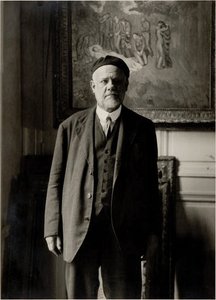
ambroise-gabriel-vollard
1866 - 1939 , Francia
Datos clave
- Artistic Movement Or Style: Impressionismo y Cubismo
- Artists Or Movements Influenced By This Artist: ['Pablo Picasso']
- Artists Who Influenced This Artist:
- Paul Cézanne
- Pierre Auguste Renoir
- Date Of Birth: 3 julio 1866
- Date Of Death: 21 julio 1939
- Full Name: Ambroise Gabriel Vollard
- Nationality: Francés
- Notable Artworks:
- Suite Vollard
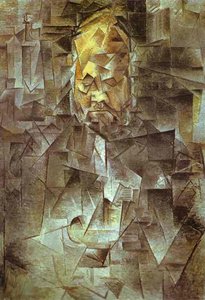
- Retrato de Cézanne
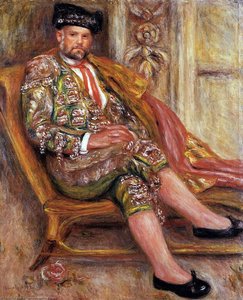
- Portrait de Renoir
- Place Of Birth: Saint-Denis, Francia
Artículos relacionados
Los 25 Tesoros del Musée d'Orsay: Arte Impresionista y Decoración de Lujo
Descubre los 25 cuadros más emblemáticos del Musée d'Orsay: Monet, Renoir, Van Gogh y más. Explora la historia, técnica y belleza del impresionismo francés. Encuentra reproducciones de arte exclusivas para decorar tu hogar con ArtsDot.com.
Alexandre Cabanel: Sensuality, Tradition & the Salon's Embrace of Academic Realism
Explore the captivating world of Alexandre Cabanel, master of French Academic painting. Discover his iconic works, Salon success & lasting influence on art history. High-quality reproductions available at ArtsDot.
Echoes of an Era: Exploring Themes & Techniques in 19th-Century Painting
Explore the captivating world of 19th-century painting! Discover Realism & Impressionism's revolutionary techniques, key artists like Manet and Monet, and their lasting impact. A comprehensive guide for art enthusiasts.
Ernest Hébert: A Master of Academic Realism & Parisian Salon Success
Explore the captivating world of Ernest Hébert, a master of 19th-century academic realism. Discover his Salon successes, stunning portraits & Italian landscapes. Learn about his legacy and find high-quality reproductions at ArtsDot.
El Auge del Arte Académico: Tradición, Técnica y la Búsqueda de la Forma Ideal en el Siglo XIX
Descubre el auge del arte académico en el siglo XIX: técnicas impecables, maestros como Bouguereau y Gérôme, y la búsqueda de la belleza ideal. Un análisis profundo para amantes del arte clásico.

