

 Ver en contexto
 Enviar
 Compartir
 Detalles

 Descargar
 Similares
 Radiografía
 Presentación de diapositivas
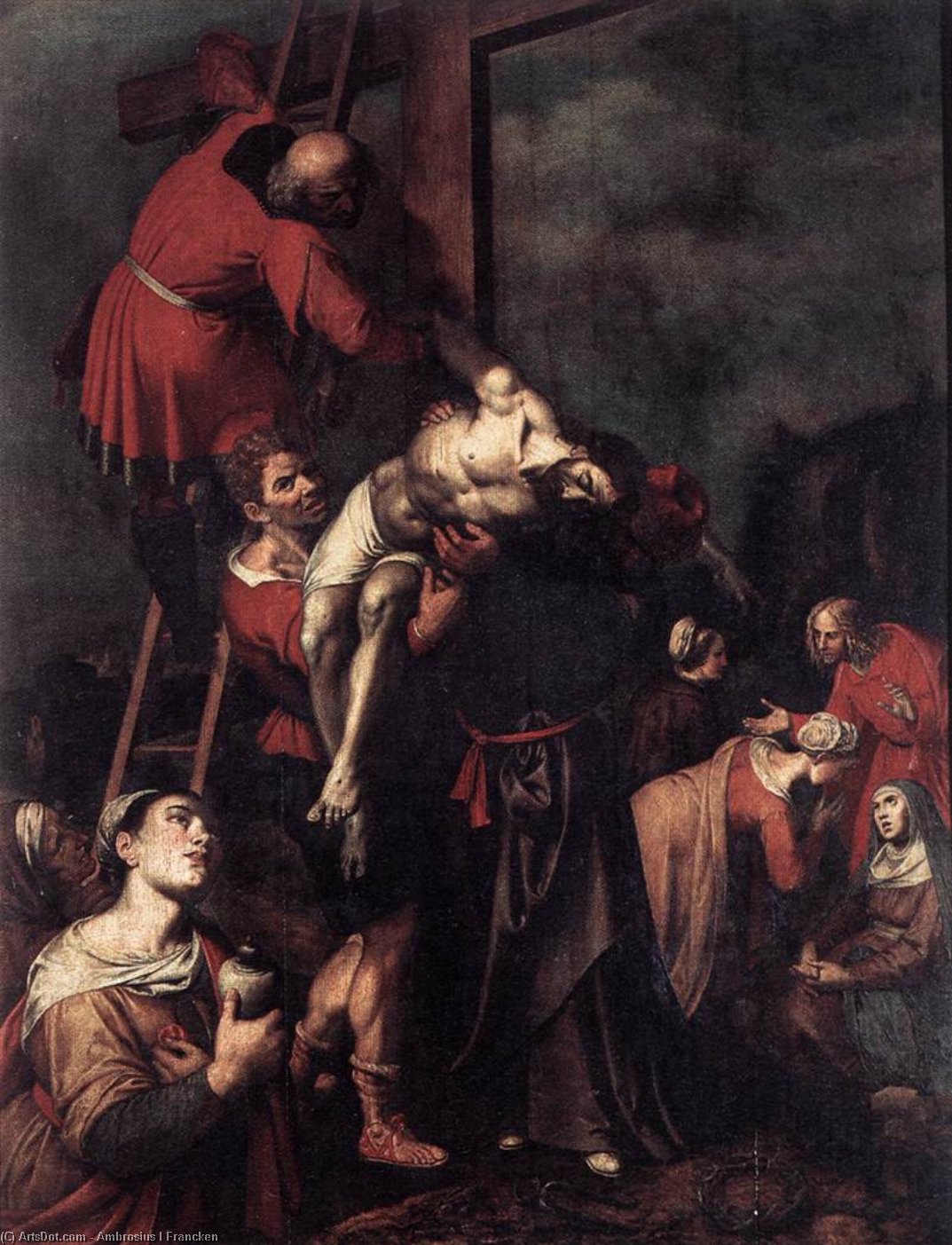
Descent from the Cross
 Acrylic On Canvas
- WallArt
- Baroque Mannerism
 1580
1580 122.0 x 95.0 cm
 Onze-Lieve Vrouwekathedraal
 Ver más
Giclée / Impresión de arte
Impresiones giclée o en lienzo de calidad de museo con producción rápida y opciones de acabado flexibles. ( Comprar pintura hecha a mano Comprar imagen)




P118B $10

P118H $10

P118W $10

P438Z $10

P508JH $12

P508YH $12

P805H $10

P805Z $10

P919BZ $10

P919G $10

P919XJ $10

P959ZH $10

P968JZ $12

W106C $8

W218G $10

W218JH $8

W218Y $10

W307PJ $10

W316G $10

W316PJ $8

W316Y $10

W398PJ $8

W4111J $10

W500HY $15

W500JH $15

W692G $12

W849H $8

W940BG $15

W953PJ $8




Elija entre nuestros tamaños predefinidos que respetan las proporciones originales de la obra.

Puede introducir sus propias dimensiones para adaptarse a un marco o espacio específico. Si el tamaño seleccionado no coincide con las proporciones de la imagen original, recortaremos la obra de arte o extenderemos la imagen con un borde con efecto espejo o de color sólido. Se enviará una maqueta digital para su aprobación antes de que comience la producción.
Tenga en cuenta que la vista previa en pantalla no refleja el recorte o la extensión real. Solo la maqueta mostrará con precisión la composición final.
Aunque existen tamaños personalizados, recomendamos seleccionar una dimensión de la lista predefinida para preservar las proporciones originales.
Envío a todo el mundo () en 2 semanas en lugar de las 4/5 semanas estándar. (28 agosto)

Envío exprés gratuito a todo el mundo

Lienzo de lino de alta calidad

Seguro de envío total

Garantía de reembolso de impuestos aduaneros

Garantía de fidelidad cromática exacta

Política de devolución de 60 días (solo por defectos)

Garantía de devolución del 100% del dinero

Descuento por cantidad
 La opción de vidrio solo está disponible en tamaños inferiores a 110 cm.

Descent from the Cross
Giclée / Impresión de arte
Dimensiones de la reproducción
-


Precio total final
$ 62
A Moment of Profound Sorrow: The Descent from the Cross by Ambrosius Francken I
Ambrosius Francken I’s “Descent from the Cross,” painted around 1580, isn't merely a depiction of a pivotal biblical event; it’s a visceral exploration of grief, human vulnerability, and the weight of sacrifice. Emerging from the turbulent milieu of late Mannerism in Antwerp, this painting transcends simple religious illustration to become a deeply emotive work that resonates with viewers centuries later. The scene unfolds within a carefully constructed space – a modest courtyard bathed in muted light, suggesting both earthly confinement and spiritual significance. Francken masterfully employs a restrained palette of browns, ochres, and deep blues, creating an atmosphere of somber contemplation rather than dramatic spectacle. This deliberate choice underscores the painting’s focus on the emotional core of the event, prioritizing feeling over flamboyant display.
- Compositional Drama: The arrangement of figures is meticulously considered. Christ, depicted with a remarkable degree of anatomical realism for the period, is lowered from the cross by Joseph of Arimathea and Nicodemus – their faces etched with sorrow and exhaustion. The positioning emphasizes the physical burden of carrying the lifeless body, highlighting the humanity of these rescuers.
- Subtle Details: Notice the intricate folds in the drapery, rendered with a delicate touch that adds to the sense of realism and texture. The expressions on the faces of those present are remarkably nuanced, conveying a range of emotions from despair to quiet reverence.
The Context of Faith and Turmoil
To fully appreciate “Descent from the Cross,” it’s crucial to understand the historical context in which it was created. The late 16th century witnessed a period of intense religious upheaval across Europe, marked by the Protestant Reformation and the Counter-Reformation. Antwerp, a major center for art production, found itself caught between these competing forces. Ambrosius Francken I, like many artists of his time, navigated this complex landscape, producing works that reflected both artistic innovation and the prevailing religious currents. The painting’s somber tone aligns with the Counter-Reformation's emphasis on piety and emotional engagement with faith – a deliberate shift away from the more opulent and celebratory imagery favored during the Renaissance.
Francken’s background further illuminates the work’s significance. He was part of a prominent artistic family—his father, Nicolaes Francken, was also a painter, and his brothers, Frans and Hieronymus, were equally renowned. This familial legacy undoubtedly influenced his artistic development, but Ambrosius forged his own distinctive style characterized by a profound sensitivity to human emotion.
Symbolism and the Human Condition
Beyond its religious subject matter, “Descent from the Cross” offers a powerful meditation on the human condition. The scene speaks to themes of mortality, suffering, and redemption. The presence of the young child lying at the base of the cross – a detail often overlooked – adds another layer of complexity, suggesting innocence lost and the enduring consequences of violence. The figures themselves represent not just biblical characters but archetypes of compassion and sacrifice. The artist’s choice to depict them with realistic features and expressions underscores their shared humanity, inviting viewers to connect with the scene on an emotional level.
Furthermore, Francken's decision to focus on the *act* of lowering Christ from the cross—the physical labor involved—rather than a traditional depiction of the event is noteworthy. This shift emphasizes the tangible reality of suffering and the human effort required to bear witness to it. It’s a subtle yet profound commentary on the responsibilities inherent in faith.
A Timeless Masterpiece – Reproduction Possibilities
ArtsDot offers high-quality, hand-painted reproductions of Ambrosius Francken I's “Descent from the Cross,” capturing the painting’s rich detail and emotional depth. Available in a range of sizes and framing options, our reproductions provide an authentic representation of this iconic work of art for your home or office. Whether you are an art enthusiast, collector, or simply seeking to add a touch of timeless beauty to your space, a ArtsDot reproduction is the perfect way to experience the power and poignancy of “Descent from the Cross.”
Obras relacionadas

Biografía del artista
Primeros años y antecedentes familiares
- Nacimiento y Orígenes: Ambrosius Francken I nació en Herentals, Bélgica, en 1544. Su padre, Nicolaes Francken, era pintor que más tarde trasladó a la familia a Amberes.
- Familia de Artistas: Provenía de una prolífica familia artística. Sus hermanos, Frans Francken I y Hieronymus Francken I, también alcanzaron un gran éxito como pintores, estableciendo a la familia Francken como figuras centrales del arte flamenco durante finales del siglo XVI y principios del XVII.
- Formación Artística: Ambrosius estudió inicialmente pintura bajo la guía de su padre. Perfeccionó aún más sus habilidades con Frans Floris, un destacado pintor manierista en Amberes, absorbiendo las influencias estilísticas de ese período.
Carrera y Desarrollo Artístico
- Primeros Viajes e Influencias: Alrededor de 1569, Francken sirvió en la residencia del obispo en Tournai. Pasó un tiempo en Fontainebleau en 1570, experiencias que probablemente ampliaron sus horizontes artísticos.
- Membresía en el Gremio de Amberes: Aproximadamente en 1573, Ambrosius había regresado a Amberes y se unió al gremio local de San Lucas como maestro pintor, lo que significó su establecimiento profesional.
- Agitación Religiosa y Política: La carrera de Francken se desarrolló durante un período de intensa agitación religiosa y política en los Países Bajos. El auge del calvinismo condujo a la iconoclasia (la destrucción sistemática de imágenes religiosas) en 1581, lo que afectó las comisiones artísticas.
- Cambios de Afiliación Religiosa: Se cree que inicialmente se convirtió al calvinismo, Ambrosius fue elegido decano del Gremio en 1582. Tras el regreso de Amberes al control católico, reafirmó públicamente su fe católica y aprovechó la demanda de nuevos retablos para reemplazar los destruidos durante el período iconoclasta.
Estilo Artístico y Obras Principales
- Características Manieristas: El estilo de Ambrosius Francken I se caracteriza por el manierismo tardío, con figuras alargadas, composiciones dinámicas y un enfoque en narrativas dramáticas.
- Temas Religiosos e Históricos: Se centró principalmente en temas religiosos y alegorías históricas. Se hizo famoso por crear retablos a gran escala para iglesias de Amberes, satisfaciendo la necesidad de reemplazos después del iconoclasmo.
- Influencia de Marten de Vos: Su obra muestra la influencia de Marten de Vos, particularmente en el opulento drapeado de las vestimentas y los intrincados detalles. Ocasionalmente colaboró con Abraham Govaerts, pintando *staffage* (figuras o detalles menores) dentro de sus paisajes.
- Comisiones Notables: Una comisión importante fue el tríptico creado para el Gremio de Barberos y Cirujanos en 1590. Un panel representaba los milagros de San Cosme y San Damián, mostrando notablemente un procedimiento quirúrgico con un realismo sorprendente, que se apartaba de las representaciones idealizadas anteriores.
- Los Milagros de San Cosme y San Damián: Esta obra es particularmente destacable por su representación realista de una amputación y un trasplante, centrándose en los aspectos técnicos más que en la intervención divina. Los santos se muestran utilizando sus propios instrumentos, sin halos ni ayuda angelical.
Legado e Importancia Histórica
- Arte de la Contrarreforma: La obra de Francken desempeñó un papel crucial en el panorama artístico de la Contrarreforma. Sus retablos ayudaron a reafirmar la imaginería y la devoción católica tras los disturbios iconoclastas.
- Influencia en Artistas Contemporáneos: Sus composiciones, con figuras musculares inspiradas en prototipos clásicos, ejercieron una considerable influencia sobre otros artistas de su tiempo.
- Grabados y Comentarios Políticos: Durante un período de afiliación calvinista (aproximadamente entre 1579 y 1585), Francken creó una serie de grabados titulada "El Destino de la Humanidad", que satirizaba críticamente al clero católico.
- Enseñanza y Continuación Familiar: Fue maestro de Hieronymus Francken II, hijo de su hermano Frans Francken I, continuando el legado artístico dentro de la familia.
- Muerte e Impacto Duradero: Ambrosius Francken I murió en Amberes en 1618, dejando tras de sí una obra sustancial que refleja las complejidades religiosas y políticas de su época y consolidó su lugar como una figura importante de la pintura manierista flamenca.
Ambrosius Francken I
1545 - 1618 , Bélgica
Datos clave
- Artistas Influenciados: ['Contrarreforma']
- Artistas Que Influyeron: ['Frans Floris']
- Fecha De Fallecimiento: 1618
- Fecha De Nacimiento: 1544
- Lugar De Nacimiento: Herentals, Bélgica
- Movimiento Artístico: Manierismo tardío
- Nacionalidad: Flamenco
- Nombre Completo: Ambrosius Francken I
Artículos relacionados

Barroco Sublime: 10 Obras Maestras que Definieron una Época |
Descubre las 10 obras maestras del Barroco que marcaron una época. Caravaggio, Bernini y Velázquez cobran vida en . Reproducciones de arte de calidad museo para decorar tu hogar con elegancia. ¡Explora la colección online!

Drama Barroca: Llevando la Grandeza y la Emoción a los Interiores Contemporáneos
Descubre cómo el drama y la grandeza del arte barroco pueden transformar tus interiores. Guía experta, inspiración y reproducciones de alta calidad en .

The Dramatic Flourish: Exploring the Baroque Movement's Enduring Legacy in Art History
Explore the dramatic world of Baroque art! Discover iconic artists like Caravaggio & Rubens, defining techniques, and its lasting impact on art history. Expert insights for collectors & enthusiasts at ArtsDot.

The Visceral Stage: Exploring Dramatic Narratives & Emotional Intensity in Baroque Art
Explore the dramatic world of Baroque art! Discover iconic masters like Caravaggio & Rembrandt, their techniques, and the movement's lasting impact. Expert insights for collectors & enthusiasts at ArtsDot.

Theatricality & Triumph: Baroque Drama in Painting & Sculpture
Explore the dramatic world of Baroque art! Discover its history, defining characteristics, & lasting influence on painting & sculpture. Expert insights into Caravaggio, Zurbarán, and Bernini – plus high-quality reproductions at ArtsDot.

