 Vista previa
 Compartir
 Compartir
 Ver detalles

 Descargar
 Ver similares
 Radiografía
 Presentación de diapositivas
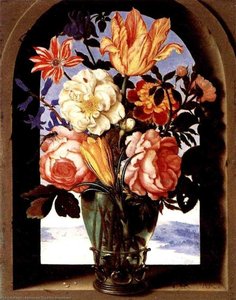
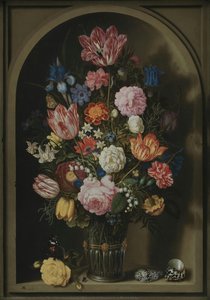
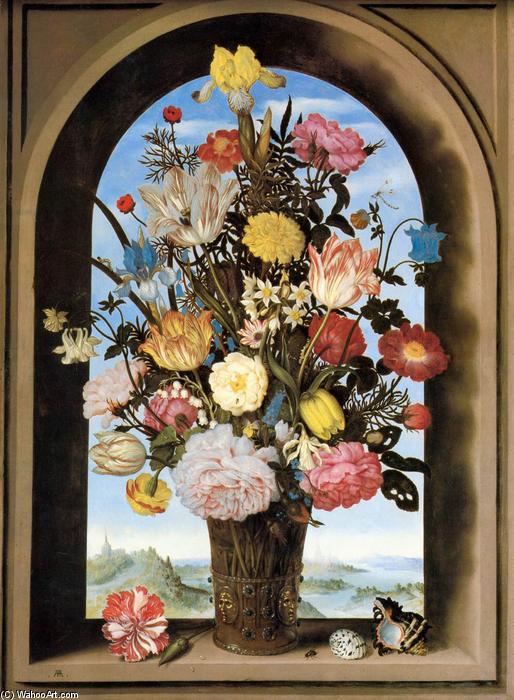
Bouquet in an Arched Window
 Oil On Panel
- Dutch Golden Age Painting
 1618
1618 64.0 x 46.0 cm
 Mauritshuis
 Leer más
Reproducción al óleo hecha a mano
Óleo sobre lienzo pintado a mano en el tamaño y marco de su elección, realizado por encargo por nuestros artistas. ( Pedir impresión Comprar descarga)




P118B $10

P118H $10

P118W $10

P438Z $10

P508JH $12

P508YH $12

P805H $10

P805Z $10

P919BZ $10

P919G $10

P919XJ $10

P959ZH $10

P968JZ $12

W106C $8

W218G $10

W218JH $8

W218Y $10

W307PJ $10

W316G $10

W316PJ $8

W316Y $10

W398PJ $8

W4111J $10

W500HY $15

W500JH $15

W692G $12

W849H $8

W940BG $15

W953PJ $8




Elija entre nuestros tamaños predefinidos que respetan las proporciones originales de la obra.

Puede ingresar sus propias dimensiones para adaptarse a un marco o espacio específico. Si el tamaño seleccionado no coincide con las proporciones de la imagen original, recortaremos la obra o extenderemos la pintura con elementos adicionales pintados a mano. Se le enviará una maqueta digital para su aprobación antes de comenzar la producción.
Tenga en cuenta que la vista previa en pantalla no refleja el recorte o la extensión reales. Solo la maqueta mostrará con precisión la composición final.
Si bien existen tamaños personalizados, recomendamos seleccionar una dimensión de la lista predefinida para preservar las proporciones originales.
Tras realizar el pedido, el equipo de ArtsDot.com enviará un correo electrónico al cliente para solicitar instrucciones y proporcionarle una vista previa del boceto.
Envío a todo el mundo () en 3-4 semanas en lugar de las 5 semanas estándar. (21 agosto). Sin comprometer la calidad.

Envío exprés gratuito a todo el mundo

Lienzo de lino de alta calidad

Seguro de envío completo

Garantía de reembolso de aranceles aduaneros

Garantía de fidelidad cromática exacta

Política de devolución de 60 días (solo por defectos)

Garantía de devolución del 100% del dinero

Oferta por volumen
 La opción de vidrio solo está disponible en tamaños inferiores a 110 cm.

Bouquet in an Arched Window
Técnica de reproducción
Tamaño de la reproducción
-


Precio total
$ 263
Descripción de la obra
Bouquet in an Arched Window: A Dutch Golden Age Masterpiece
Ambrosius Bosschaert the Elder’s “Bouquet in an Arched Window,” painted in 1618, is more than just a still life; it's a meticulously crafted meditation on beauty, abundance, and the fleeting nature of time. Housed within the Mauritshuis in The Hague, this oil-on-panel painting offers a captivating glimpse into the artistic sensibilities of the Dutch Golden Age, showcasing a remarkable blend of scientific observation, symbolic richness, and exquisite technical skill.
The scene unfolds within a warmly lit interior, dominated by an arched window that frames a meticulously arranged bouquet. The flowers—a vibrant tapestry of roses, tulips, carnations, violets, and various other blooms—are not merely depicted; they are rendered with astonishing detail, each petal seemingly poised to unfurl. Bosschaert’s mastery lies in his ability to capture the textures of velvet petals, the delicate veins of leaves, and the subtle variations in color that define each flower's unique character. The composition is carefully balanced, drawing the eye through a series of overlapping planes and creating a sense of depth that invites the viewer into the heart of the arrangement.
The Artist and His Time
Ambrosius Bosschaert the Elder (1573-1621) emerged as a pivotal figure in the burgeoning world of Dutch art during the Golden Age. Initially trained within the established artistic circles of Antwerp, he found himself drawn to a distinctive and revolutionary genre: the meticulously rendered floral still life. His journey wasn’t merely one of stylistic innovation; it was intertwined with personal circumstance – a relocation driven by religious persecution that ultimately shaped his career and legacy in Middelburg, where he would become a dominant force for decades. His early years in Antwerp laid the foundation for his artistic sensibilities, but it was the threat of upheaval that propelled him to seek refuge and establish himself as a leading artist in Middelburg.
Bosschaert’s work reflects the prevailing trends of the era – a fascination with nature, an appreciation for beauty, and a growing interest in scientific observation. The Dutch were renowned for their exploration of the natural world, and Bosschaert's paintings capture this spirit of inquiry. He wasn’t simply depicting flowers; he was studying them, analyzing their forms, and striving to reproduce their beauty with unparalleled accuracy. His meticulous approach earned him recognition within the Guild of Saint Luke and later as a respected figure in the art community.
Symbolism and Composition
Beyond its aesthetic appeal, “Bouquet in an Arched Window” is laden with symbolic meaning. The arrangement itself—a carefully curated collection of flowers—represents abundance, fertility, and the transience of life. Each bloom carries a specific significance: roses symbolize love and beauty, tulips represent wealth and prosperity, while violets evoke humility and modesty. The arched window acts as a framing device, suggesting a connection between the earthly realm of the bouquet and the serene landscape beyond – a reminder of nature’s enduring beauty and the cyclical rhythms of life and death.
Notably, two small birds perch on the windowsill, adding a touch of animation to the scene. They represent joy, peace, and perhaps even divine grace, subtly elevating the still life from a mere depiction of flowers to a more profound meditation on the interconnectedness of nature and spirituality. The careful placement of these elements creates a harmonious balance between the tangible and the intangible, grounding the painting in both earthly reality and spiritual contemplation.
A Legacy of Floral Art
“Bouquet in an Arched Window” stands as a testament to Ambrosius Bosschaert’s skill and vision. His pioneering work established a new genre within Dutch art—the meticulously rendered floral still life—and inspired generations of artists who followed. His dynasty of painters continued his style, turning Middelburg into the leading centre for flower painting in the Dutch Republic. The painting's enduring appeal lies not only in its technical brilliance but also in its ability to evoke a sense of wonder and appreciation for the beauty of the natural world. It remains a captivating example of the artistic achievements of the Dutch Golden Age, inviting viewers to pause, reflect, and contemplate the fleeting nature of beauty and the enduring power of art.
Obras relacionadas
Biografía del artista
Ambrosius Bosschaert el Mayor: Pionero de la Floración en la Pintura Holandesa
Nacido en Amberes en 1573, Ambrosius Bosschaert el Mayor emergió como una figura clave en el mundo del arte holandés durante el Siglo de Oro. Inicialmente entrenado dentro de los círculos artísticos establecidos de su ciudad natal, pronto se sintió atraído por un género distintivo y revolucionario: la meticulosa representación de bodegones florales. Su viaje no fue simplemente una cuestión de innovación estilística; estuvo entrelazado con circunstancias personales – una reubicación impulsada por la persecución religiosa que moldeó su carrera y legado en Middelburg, donde se convertiría en una fuerza dominante durante décadas. La vida temprana en Amberes sentó las bases para la sensibilidad artística de Bosschaert. Se unió a la Guilda de San Lucas de la ciudad a los veintidós años, demostrando un temprano compromiso con su oficio y estableciendo su presencia dentro de la comunidad artística establecida. Sin embargo, la amenaza del caos religioso impulsó su traslado hacia el este, llevando a un período de residencia en Middelburg desde 1587 hasta 1613. Esta mudanza resultó transformadora, brindándole tanto refugio como terreno fértil para desarrollar su estilo único. Fue durante este tiempo cuando comenzó a especializarse en la pintura de intrincados ramos – un género que previamente se había explorado menos como tema independiente.El Ascenso del Bodegón Floral
Bosschaert es ampliamente reconocido como uno de los primeros artistas en elevar el bodegón floral a una categoría artística distinta y respetada. Antes de su trabajo, las pinturas de flores a menudo estaban integradas dentro de composiciones más amplias o servían principalmente como elementos decorativos. Bosschaert, sin embargo, trató las flores con un detalle, precisión científica y simetría compositiva sin precedentes. Sus ramos, frecuentemente ejecutados en paneles de cobre, no eran simplemente arreglos; eran narrativas cuidadosamente construidas, imbuidas de significado simbólico y una profunda apreciación por el mundo natural. Su técnica era notablemente precisa. Representaba meticulosamente cada pétalo, hoja y tallo, a menudo incorporando elementos de ilustración botánica – un testimonio de sus agudas habilidades de observación. Los ramos que creaba no eran colecciones al azar; eran arreglos equilibrados, reflejando tanto principios artísticos como la belleza inherente de las flores mismas. Tulipanes y rosas se convirtieron en pilares de su obra, reflejando su creciente popularidad y significado simbólico dentro de la sociedad holandesa en ese momento – un reflejo del floreciente comercio de la nación con el Este.Estilo e Iconografía
El estilo de Bosschaert se caracterizó por su meticuloso detalle, composición simétrica y enfoque científico. No simplemente pintaba flores; las documentaba, estudiaba sus formas y capturaba su esencia con una fidelidad notable. Sus obras a menudo incluían elementos simbólicos – una elección deliberada que elevaba el bodegón más allá de la mera representación. Las flores se asociaban frecuentemente con temas religiosos, transmitiendo mensajes de fe, esperanza y recuerdo. El arreglo en sí mismo tenía significado, reflejando los principios de armonía y equilibrio encontrados en el arte clásico. La influencia de artistas como Jan Brueghel el Mayor es evidente en la composición y la atención al detalle de sus obras. Sin embargo, Bosschaert desarrolló un estilo distintivo que se centró en la representación científica y precisa de las flores, lo que le permitió crear bodegones que eran a la vez hermosos y educativos.Legado e Influencia
El legado de Ambrosius Bosschaert se extiende más allá de sus obras individuales. Transformó la percepción del bodegón, convirtiéndolo en una categoría artística respetada. Su enfoque meticuloso hacia la representación floral influyó en generaciones de artistas, incluyendo a Jan Fyt (Joannes Fijt) y Rachel Ruysch, quienes también se especializaron en bodegones y construyeron sobre sus cimientos. Sus obras están ahora alojadas en colecciones prestigiosas como el Museo St. Joriskerk en Amersfoort, un testimonio de su valor artístico perdurable. El meticuloso detalle y la observación científica evidentes en las pinturas de Bosschaert siguen cautivando a los espectadores hoy en día, ofreciendo una visión del vibrante mundo del arte holandés del siglo XVII y la profunda apreciación por la naturaleza que caracterizó la época. Su dinastía de pintores florales dejó un legado duradero en Middelburg, convirtiéndola en el centro líder para este arte especializado en la República Holandesa.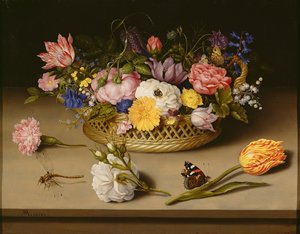
Ambrosius Bosschaert el Mayor
1573 - 1621 , Países Bajos
Datos clave
- Artistic Movement Or Style: Siglo de Oro Holandés
- Artists Or Movements Influenced By This Artist:
- Joannes Fijt
- Rachel Ruysch
- Artists Who Influenced This Artist: ['Jan Brueghel el Mayor']
- Date Of Birth: 1573-01-18
- Date Of Death: 1621-01-16
- Full Name: Ambrosius Bosschaert el Mayor
- Nationality: Flemeco, Holandés
- Notable Artworks:
- Bouquet en Ventana Arborescida
- Conjunto de Flores en Jarrón
- Place Of Birth: Antwerp, Bélgica
Artículos relacionados
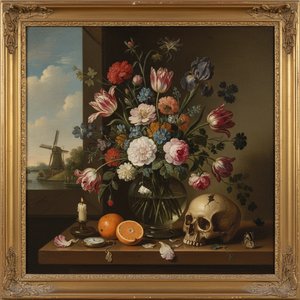
Jan Jansz Wijnants: A Study in Dutch Golden Age Still Life & Floral Transience
Explore the captivating world of Jan Wijnants and Dutch Golden Age still life painting. Discover symbolism, masterful techniques & lasting influence on floral art history. Learn more!
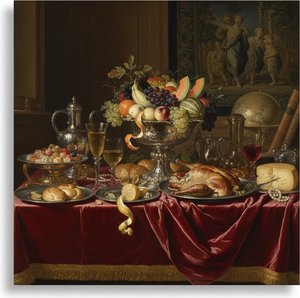
Abraham Hendricksz van Beyeren: Pioneering Dutch Still Life & the Banquet Tradition
Explore the captivating world of Dutch Golden Age still life with Abraham van Beyeren. Discover his innovative techniques, symbolic banquet scenes & lasting influence on art history. Learn about collecting these masterpieces.
Blossoms of Time: A Historical & Aesthetic Exploration of Floral Painting Across Cultures
Explore the rich history of floral painting! Discover symbolism, techniques & masterpieces from Van Huysum to O'Keeffe. Expert insights for art lovers & collectors at ArtsDot.
Blossoms of Time: A Historical Journey Through Flower Painting
Explore the captivating history of flower painting! Discover Dutch masters, symbolic meanings, & botanical art. Expert insights & high-quality reproductions at ArtsDot.
Blossoming Symbolism: A Historical Journey Through Flowers in Western Painting
Explore the rich history of flower symbolism in Western painting! Discover how artists from the Renaissance to Modernism used blossoms to convey meaning, emotion & beauty. Learn about iconic artworks and movements.