 Ver en contexto
 Enviar
 Compartir
 Detalles

 Descargar
 Similares
 Radiografía
 Presentación de diapositivas
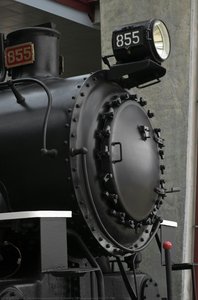
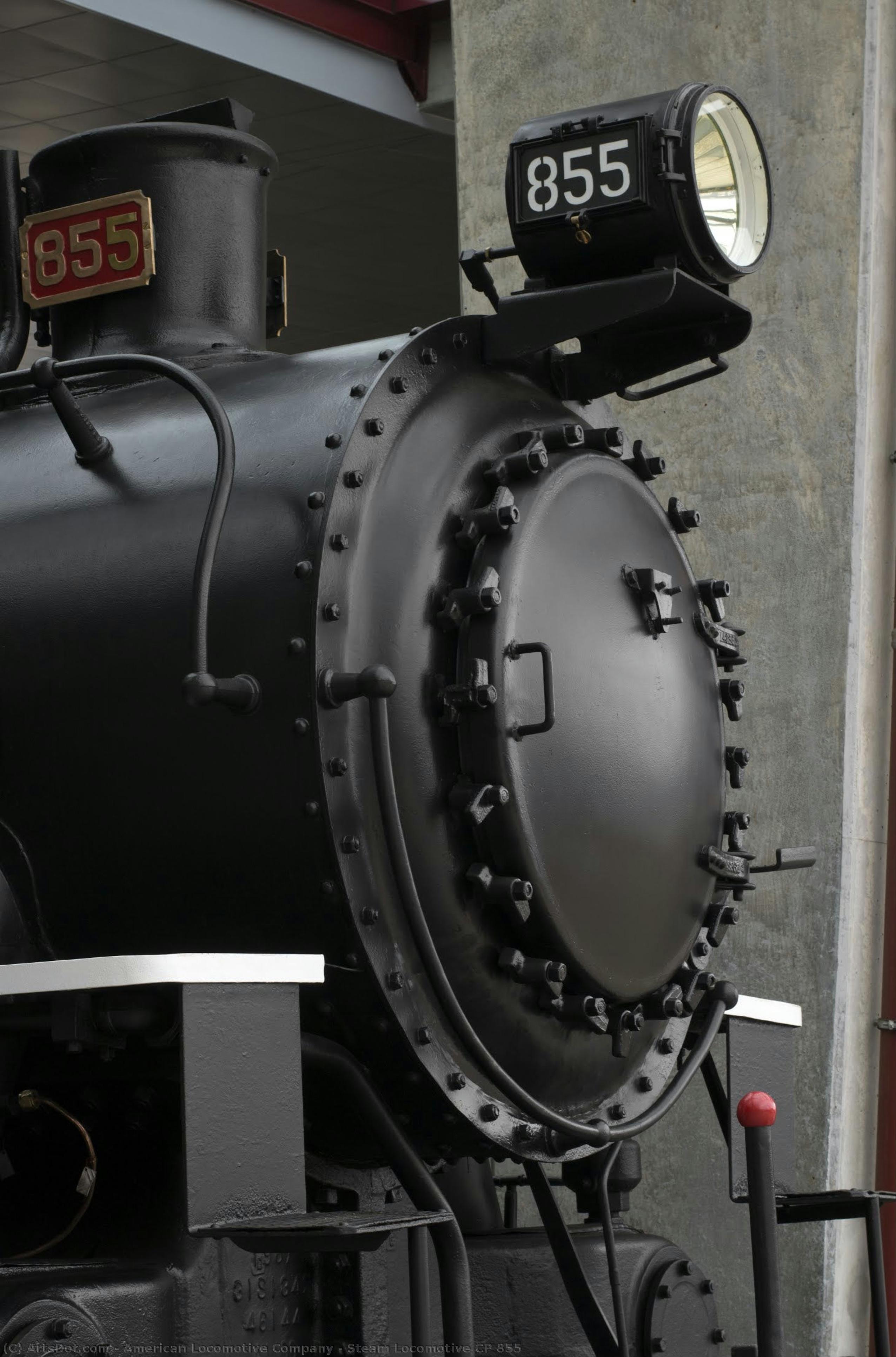
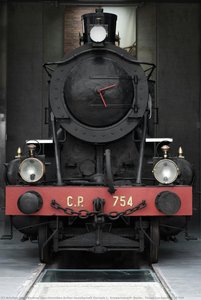
Steam Locomotive CP 855


 Ver más
Giclée / Impresión de arte
Impresiones giclée o en lienzo de calidad de museo con producción rápida y opciones de acabado flexibles. ( Comprar pintura hecha a mano Comprar imagen)




































Elija entre nuestros tamaños predefinidos que respetan las proporciones originales de la obra.

Puede introducir sus propias dimensiones para adaptarse a un marco o espacio específico. Si el tamaño seleccionado no coincide con las proporciones de la imagen original, recortaremos la obra de arte o extenderemos la imagen con un borde con efecto espejo o de color sólido. Se enviará una maqueta digital para su aprobación antes de que comience la producción.
Tenga en cuenta que la vista previa en pantalla no refleja el recorte o la extensión real. Solo la maqueta mostrará con precisión la composición final.
Aunque existen tamaños personalizados, recomendamos seleccionar una dimensión de la lista predefinida para preservar las proporciones originales.
Envío a todo el mundo () en 2 semanas en lugar de las 4/5 semanas estándar. (1 septiembre)

Envío exprés gratuito a todo el mundo

Lienzo de lino de alta calidad

Seguro de envío total

Garantía de reembolso de impuestos aduaneros

Garantía de fidelidad cromática exacta

Política de devolución de 60 días (solo por defectos)

Garantía de devolución del 100% del dinero

Descuento por cantidad
 La opción de vidrio solo está disponible en tamaños inferiores a 110 cm.

Steam Locomotive CP 855
Giclée / Impresión de arte
Dimensiones de la reproducción
-


Precio total final
$ 62
Obras relacionadas







Biografía del artista
The Iron Horses of Progress: American Locomotive Company
The American Locomotive Company (ALCO), though not a name typically associated with fine art, represents a fascinating intersection of industrial might, engineering innovation, and the very spirit of American progress. Founded in 1901 through the merger of several established locomotive manufacturers – including Cooke Locomotive & Machine Works, Dickson Manufacturing Company, Pittsburgh Locomotive & Car Works, and Swiss Steel Works – ALCO quickly became one of the largest and most influential builders of steam locomotives in the world. To consider ALCO solely as a producer of machinery overlooks its profound impact on shaping landscapes, economies, and even the cultural imagination of the late 19th and early 20th centuries. Their creations weren't merely functional; they were symbols of power, speed, and the relentless drive to connect a burgeoning nation.From Industrial Consolidation to Railroad Dominance
The genesis of ALCO wasn’t about artistic vision in the traditional sense, but rather about survival in an increasingly competitive market. The late 1800s saw intense consolidation within American industry, and the locomotive building sector was no exception. By uniting these key players, ALCO aimed to streamline production, reduce costs, and better compete with rivals like Baldwin Locomotive Works. This strategic move proved remarkably successful. ALCO locomotives became ubiquitous across North America, powering everything from freight trains hauling vital resources to passenger lines whisking travelers across vast distances. The company’s early designs drew heavily on established engineering principles, but ALCO quickly distinguished itself through a commitment to research and development. They weren't content with simply replicating existing models; they sought continuous improvement in efficiency, power, and reliability. This dedication led to innovations in boiler design, valve gear mechanisms, and the use of new materials – all contributing to locomotives that were both more powerful and more economical to operate.Engineering as Art: The Aesthetics of Function
While ALCO engineers weren’t explicitly focused on aesthetics, their locomotives possessed a distinct visual character that resonated with the public. The sheer scale and imposing presence of these machines commanded attention. The elegant curves of the boiler, the gleaming brass fittings, the powerful driving wheels – all contributed to an impression of robust strength and technological mastery. The company’s designers often incorporated decorative elements into their locomotives, such as polished copper pipes, ornate nameplates, and carefully crafted paint schemes. These details weren't merely superficial; they reflected a sense of pride in craftsmanship and a desire to create machines that were not only functional but also visually appealing. The “Hudson” type locomotive, for example, became renowned for its streamlined appearance and powerful performance. It represented the pinnacle of steam locomotive design, embodying both form and function in perfect harmony.Beyond Steam: Diversification and Legacy
As diesel-electric technology emerged in the mid-20th century, ALCO recognized the inevitable shift away from steam power. The company diversified its operations, venturing into the production of diesel locomotives, industrial equipment, and even military vehicles during World War II. However, despite these efforts, ALCO struggled to regain its former dominance. The transition to diesel proved challenging, and competition from established players like General Motors’ Electro-Motive Division was fierce. In 1964, the company ceased locomotive production altogether. Despite this decline, ALCO's legacy endures.- Its locomotives played a pivotal role in shaping the American railroad system.
- The engineering innovations pioneered by ALCO continue to influence modern transportation technology.
- And perhaps most importantly, its creations remain potent symbols of an era defined by industrial ambition and relentless progress.