

 Ver en contexto
 Enviar
 Compartir
 Detalles

 Descargar
 Similares
 Radiografía
 Presentación de diapositivas
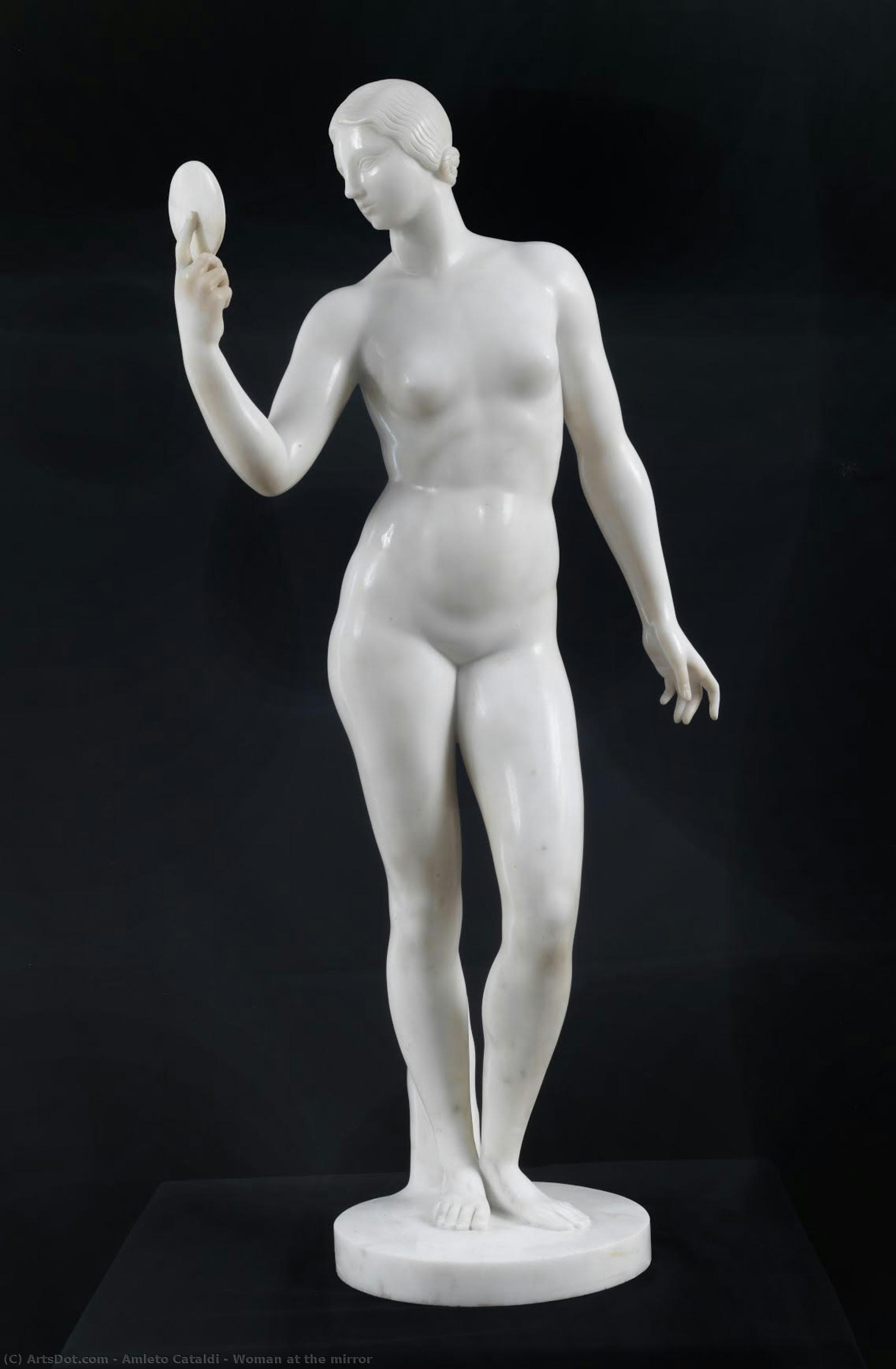
Woman at the mirror


 Ver más
Reproducción al óleo hecha a mano
Óleo sobre lienzo pintado a mano en el tamaño y marco de su elección, realizado por encargo por nuestros artistas. ( Comprar impresión Comprar imagen)




































Elija entre nuestros tamaños predefinidos que respetan las proporciones originales de la obra.

Puede ingresar sus propias dimensiones para adaptarse a un marco o espacio específico. Si el tamaño seleccionado no coincide con las proporciones de la imagen original, recortaremos la obra o extenderemos la pintura con elementos adicionales pintados a mano. Se le enviará una maqueta digital para su aprobación antes de comenzar la producción.
Tenga en cuenta que la vista previa en pantalla no refleja el recorte o la extensión reales. Solo la maqueta mostrará con precisión la composición final.
Si bien existen tamaños personalizados, recomendamos seleccionar una dimensión de la lista predefinida para preservar las proporciones originales.
Tras realizar el pedido, el equipo de ArtsDot.com enviará un correo electrónico al cliente para solicitar instrucciones y proporcionarle una vista previa del boceto.
Envío a todo el mundo () en 3-4 semanas en lugar de las 5 semanas estándar. (23 agosto). Sin comprometer la calidad.

Envío exprés gratuito a todo el mundo

Lienzo de lino de alta calidad

Seguro de envío total

Garantía de reembolso de impuestos aduaneros

Garantía de fidelidad cromática exacta

Política de devolución de 60 días (solo por defectos)

Garantía de devolución del 100% del dinero

Descuento por cantidad
 La opción de vidrio solo está disponible en tamaños inferiores a 110 cm.

Woman at the mirror
Técnica de reproducción
Dimensiones de la reproducción
-


Precio total final
S$ 340
Obras relacionadas
Biografía del artista
Amleto Cataldi: Sculptor of Grace and Reflection
Amleto Cataldi (2 November 1882 – 10 September 1930) was an Italian sculptor born in Frosinone, Italy, whose artistic journey unfolded against the backdrop of a burgeoning modernist movement while retaining deep roots in classical tradition. His formative years were imbued with the influence of his father’s craft—a wood carver—instilling him with an early appreciation for meticulous detail and sculptural mastery. Cataldi pursued formal training at the Libera Scuola in Rome, honing his skills under instructors who championed both academic rigor and expressive innovation, shaping him into a sculptor deeply committed to conveying emotion through form.Early Influences: The Resonance of Rodin
Cataldi’s artistic sensibilities were profoundly shaped by Auguste Rodin, whose monumental sculptures captivated him with their daring exploration of human emotion and anatomical realism. Rodin's ability to capture the dynamism of movement and the vulnerability of the human spirit served as a cornerstone for Cataldi’s stylistic vision. This admiration would permeate his own oeuvre, informing his compositional choices and thematic concerns—particularly his fascination with portraying psychological depth within sculptural representations. Cataldi sought to emulate Rodin’s masterful manipulation of texture and surface treatment, striving to imbue his sculptures with a similar sense of palpable presence.Notable Works: ‘Woman at the Mirror’ – A Reflection of Modern Consciousness
Cataldi achieved considerable renown during the 1920s and 1930s, producing a diverse body of work encompassing monumental sculptures, busts, and smaller decorative pieces—each demonstrating his exceptional technical skill and artistic sensitivity. Among his most celebrated creations is ‘Woman at the Mirror,’ commissioned for the 1924 Summer Olympics—a neoclassical marble statue that transcends mere representation to embody profound contemplation and psychological complexity. This artwork exemplifies Cataldi’s unwavering commitment to conveying nuanced emotion through sculptural form, capturing a moment of introspective stillness amidst the grandeur of athletic achievement. The statue's serene pose and delicately rendered drapery invite viewers to consider themes of femininity, self-awareness, and the elusive nature of inner experience—a testament to Cataldi’s artistic intellect and his ability to translate philosophical ideas into tangible sculptural expression.Sculptural Style and Technique: Marble and Classical Inspiration
Cataldi’s sculptural style can be characterized as neoclassical with subtle influences from Art Nouveau. He skillfully employed marble—a material he favored for its purity, luminosity, and capacity to capture light—to achieve remarkable textural qualities and anatomical precision. His meticulous attention to detail extended beyond mere replication; Cataldi sought to elevate the material itself, harnessing its inherent properties to enhance the expressive power of his sculptures. The sculptor’s technique involved painstaking carving, polishing, and patination processes designed to maximize visual impact and preserve artistic integrity—a dedication that resulted in surfaces possessing an unparalleled sheen and conveying subtle nuances of color and tone. Cataldi's mastery of drapery was particularly noteworthy, mirroring the elegance and refinement characteristic of classical sculpture while simultaneously incorporating organic forms reminiscent of Art Nouveau motifs.Legacy and Recognition: An Unsung Hero of Italian Sculpture
Despite his considerable talent and prolific output during his lifetime—a period marked by significant artistic experimentation and innovation—Amleto Cataldi remained largely unrecognized outside scholarly circles, a poignant reminder of the challenges faced by artists striving for recognition within their own time. However, in recent decades, Cataldi’s sculptures have experienced a resurgence of interest among collectors and critics alike, recognizing his enduring contribution to Italian sculpture and celebrating his ability to synthesize classical ideals with modernist sensibilities. Today, Cataldi's works reside in prominent museums across Italy and internationally—a testament to the lasting beauty and intellectual depth of his artistic vision—ensuring that his legacy continues to inspire artists and captivate audiences for years to come.Further Exploration
For more detailed information about Amleto Cataldi’s life and work, consult the Wikipedia article: Wikipedia Article. You can admire ‘Woman at the Mirror’ on ArtsDot.com: ArtsDot.com Artwork Database.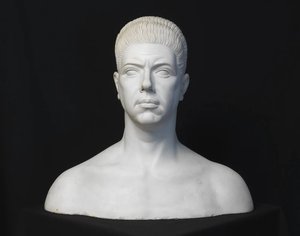
Amleto Cataldi
1882 - 1930 , Italia
Datos clave
- Artistic Movement Or Style: Neoclasicismo
- Artists Who Influenced This Artist: ['Auguste Rodin']
- Date Of Birth: 2 noviembre 1882
- Date Of Death: 10 septiembre 1930
- Full Name: Amleto Cataldi
- Nationality: Italiano
- Notable Artworks: ['Mujer al espejo']
- Place Of Birth: Frosinone, Italia
Artículos relacionados

Esculturas de Bronce Legendarias: 10 Obras Maestras que Transformaron el Arte | ArtsDot
Descubre las 10 esculturas de bronce más legendarias que revolucionaron el arte. Explora la historia de Rodin, Degas y otros maestros del bronce. Encuentra reproducciones de alta calidad e inspiración para tu hogar en ArtsDot.com.
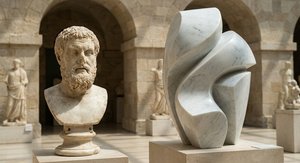
The Enduring Allure of Marble in Art History: From Classical Sculpture to Modern Abstraction
Explore the captivating history of marble sculpture from ancient Greece to modern art. Discover renowned artists like Canova & Michelangelo, carving techniques, and investment insights at ArtsDot.

The Enduring Form: Exploring Themes & Techniques in Sculpture Across Historical Periods
Explore the rich history of sculpture from ancient masterpieces to contemporary innovations. Discover key techniques, influential artists & investment potential for discerning art collectors.

Las 10 Obras Maestras de Bronce que Revolucionaron la Historia del Arte | ArtsDot
Descubre las 10 esculturas de bronce más influyentes de la historia del arte. Explora obras maestras de Rodin, Degas y otros genios. Encuentra reproducciones de arte de calidad museo en ArtsDot.com.
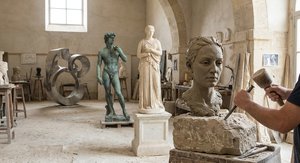
The Enduring Form: Sculpture Across History, Technique & Emotional Resonance
Explore the rich history of sculpture with ArtsDot. Discover key techniques, influential artists & investment potential for discerning collectors. Expert insights into valuing and collecting timeless masterpieces.

