 Ver en contexto
 Enviar
 Compartir
 Detalles

 Descargar
 Similares
 Radiografía
 Presentación de diapositivas
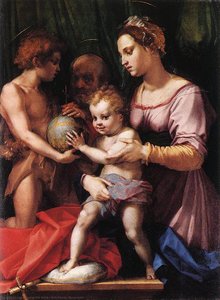
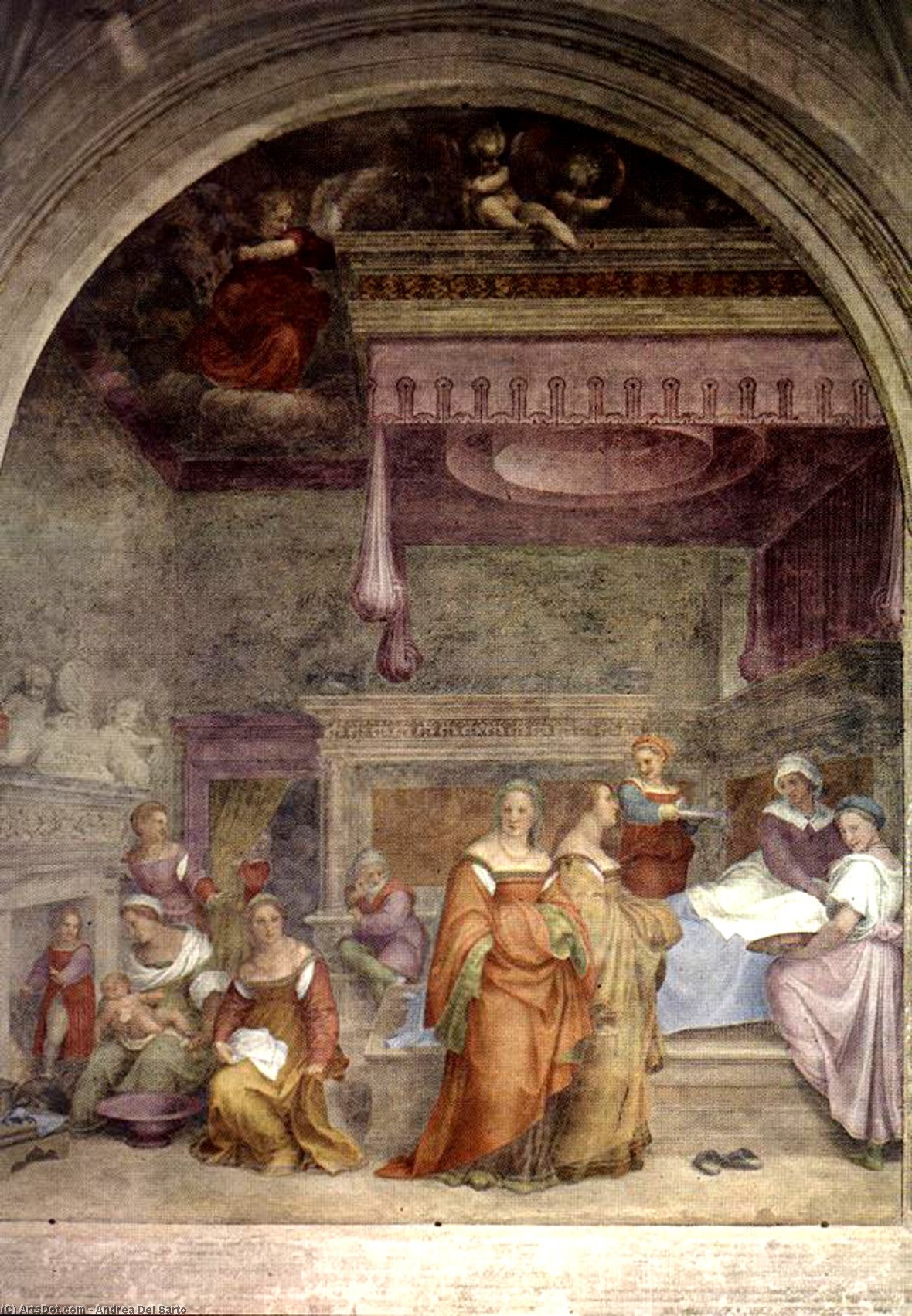
Birth of the Virgin
 Acrylic On Canvas
- WallArt
- High Renaissance
 1514
1514 413.0 x 345.0 cm
 Santísima Anunciación
 Ver más
Reproducción al óleo hecha a mano
Óleo sobre lienzo pintado a mano en el tamaño y marco de su elección, realizado por encargo por nuestros artistas. ( Comprar impresión Comprar imagen)




P118B $10

P118H $10

P118W $10

P438Z $10

P508JH $12

P508YH $12

P805H $10

P805Z $10

P919BZ $10

P919G $10

P919XJ $10

P959ZH $10

P968JZ $12

W106C $8

W218G $10

W218JH $8

W218Y $10

W307PJ $10

W316G $10

W316PJ $8

W316Y $10

W398PJ $8

W4111J $10

W500HY $15

W500JH $15

W692G $12

W849H $8

W940BG $15

W953PJ $8




Elija entre nuestros tamaños predefinidos que respetan las proporciones originales de la obra.

Puede ingresar sus propias dimensiones para adaptarse a un marco o espacio específico. Si el tamaño seleccionado no coincide con las proporciones de la imagen original, recortaremos la obra o extenderemos la pintura con elementos adicionales pintados a mano. Se le enviará una maqueta digital para su aprobación antes de comenzar la producción.
Tenga en cuenta que la vista previa en pantalla no refleja el recorte o la extensión reales. Solo la maqueta mostrará con precisión la composición final.
Si bien existen tamaños personalizados, recomendamos seleccionar una dimensión de la lista predefinida para preservar las proporciones originales.
Tras realizar el pedido, el equipo de ArtsDot.com enviará un correo electrónico al cliente para solicitar instrucciones y proporcionarle una vista previa del boceto.
Envío a todo el mundo () en 3-4 semanas en lugar de las 5 semanas estándar. (24 agosto). Sin comprometer la calidad.

Envío exprés gratuito a todo el mundo

Lienzo de lino de alta calidad

Seguro de envío total

Garantía de reembolso de impuestos aduaneros

Garantía de fidelidad cromática exacta

Política de devolución de 60 días (solo por defectos)

Garantía de devolución del 100% del dinero

Descuento por cantidad
 La opción de vidrio solo está disponible en tamaños inferiores a 110 cm.

Birth of the Virgin
Técnica de reproducción
Dimensiones de la reproducción
-


Precio total final
$ 263
Descripción de la obra
The Birth of the Virgin: A Florentine Masterpiece by Andrea del Sarto
Within the hallowed halls of the Uffizi Gallery in Florence resides a fresco that continues to captivate viewers centuries after its creation – Andrea del Sarto’s “Birth of the Virgin.” More than just a depiction of a biblical event, this work is a testament to the artist's mastery of color, composition, and his profound understanding of human emotion. Painted in 1514 during the High Renaissance, it offers a glimpse into the artistic sensibilities of a period defined by both classical ideals and burgeoning individualism.
The scene unfolds within an opulent, almost theatrical interior – a grand chamber bathed in diffused light that suggests a private moment of profound significance. Two women, rendered with remarkable realism and grace, stand close together near the center; one cradling the infant Mary, while the other offers assistance. The composition is meticulously balanced, drawing the eye to the central figures while subtly incorporating architectural details – a richly adorned bed draped in luxurious fabrics, a glimpse of a doorway hinting at an unseen world beyond – that contribute to the painting’s immersive quality. Del Sarto's skill lies not just in his ability to accurately portray human form but also in creating a believable and emotionally resonant space.
A Symphony of Grisaille: Technique and Innovation
Andrea del Sarto was renowned for his expertise in *grisaille*, a technique involving the use of monochrome (primarily shades of gray) to create the illusion of depth, volume, and light. This fresco is a prime example of this approach. He skillfully employed subtle variations in tone and shadow to define the figures’ forms, their drapery, and the textures of the surrounding architecture. The lack of color forces the viewer to focus entirely on the interplay of light and dark, emphasizing the three-dimensionality of the scene. This deliberate choice highlights his mastery of form and spatial relationships – a characteristic that distinguishes him from the more vibrant color palettes favored by contemporaries like Leonardo da Vinci.
The fresco’s surface is remarkably smooth, achieved through meticulous layering of *intonaco*, the plaster used to build up the ground layer for painting. This technique allowed del Sarto to create subtle gradations in tone and achieve a remarkable level of detail. He employed a dry brushstroke, creating a delicate texture that enhances the sense of realism and adds to the fresco’s overall luminosity.
Symbolism and Spiritual Depth
Beyond its technical brilliance, “The Birth of the Virgin” is rich in symbolic meaning. The scene depicts the moment when Saint Anne, Mary's mother, gives birth to her daughter. This event holds immense theological significance within Christian tradition, representing the fulfillment of prophecy and the beginning of the lineage that would ultimately lead to Jesus Christ. The figures themselves are imbued with a sense of serenity and devotion – reflecting the sacred nature of the occasion.
Notice, too, the subtle gestures and expressions on the faces of the women. The woman holding Mary exudes tenderness and maternal love, while the other offers support and assistance. These small details contribute to the painting’s emotional depth and invite viewers to contemplate the profound bond between mother and child. The architectural elements – the bed, the doorway – can be interpreted as symbols of transition and new beginnings.
A Legacy of Grace: Andrea del Sarto's Enduring Influence
Despite his reputation for technical perfection, Andrea del Sarto’s career was marked by a certain melancholy. He struggled to gain recognition from the most celebrated artists of his time, and his later works were often overshadowed by those of Leonardo da Vinci, Michelangelo, and Raphael. However, “The Birth of the Virgin” stands as a testament to his enduring talent and artistic vision. It’s a masterpiece that showcases his mastery of *grisaille*, his profound understanding of human form and emotion, and his ability to create immersive and spiritually resonant works of art.
Today, this fresco continues to inspire awe and admiration, offering viewers a glimpse into the world of Renaissance Florence and the genius of one of its most accomplished artists. Reproductions of “The Birth of the Virgin” remain highly sought after by collectors and interior designers alike, who appreciate its timeless beauty and profound symbolic depth.
Obras relacionadas
Biografía del artista
Primeros años y formación
Andrea del Sarto, cuyo nombre completo era Andrea d'Agnolo di Francesco di Luca, nació el 16 de julio de 1486 en Gualfonda, cerca de Florencia. Su apodo "del Sarto" proviene del oficio de su padre, Agnolo, que era sastre ("sarto" en italiano). Desde temprana edad, demostró talento artístico. Fue aprendiz de un orfebre y posteriormente de Gian Barile, un tallador de madera y pintor. Más adelante, estudió con Piero di Cosimo y Raffaellino del Garbo, lo que sentó las bases para su desarrollo como artista.Carrera Artística y Estilo
La colaboración inicial de Andrea con Franciabigio resultó en la creación conjunta de "El Bautismo de Cristo" para la Congregación dello Scalzo en Florencia, marcando el inicio de una serie de frescos monocromáticos en grisalla. A medida que avanzaba su carrera, desarrolló un estilo distintivo caracterizado por una armonía compositiva y figuras elegantes. Se unió a la Arte dei Medici e degli Speziali en 1508. Su habilidad para combinar elementos del Alto Renacimiento con tendencias manieristas lo convirtió en una figura única en el panorama artístico florentino. Andrea se destacó como decorador de frescos, pintor de retablos, retratista y colorista, demostrando versatilidad en sus encargos.Obras Destacadas y Comisiones Importantes
Andrea del Sarto dejó un legado significativo a través de diversas obras maestras:- La Sagrada Familia: Una pintura encargada por Zanobi Strozzi para la capilla de su villa de Rovezzano, actualmente ubicada en la Pinacoteca de las Gallerie Nazionali di Arte Antica (Palazzo Barberini) en Roma.
- Cenacolo di Andrea del Sarto: Un fresco monumental que cubre más de 40 metros cuadrados, representando a Jesús y sus discípulos durante la Última Cena, ubicado en el Museo del Cenacolo di Andrea del Sarto en Florencia. Esta obra es un testimonio de su habilidad para crear escenas narrativas complejas con gran detalle.
- Storie di miracoli di San Filippo Benizzi: Una serie de frescos para la Loggia dei Servi di Maria, que exhiben sus primeras habilidades en el uso del grisalla monocromático. Estos trabajos revelan una maestría temprana en la técnica y un enfoque en la narración visual.
Influencias y Legado
A pesar de ser a menudo eclipsado por contemporáneos como Leonardo da Vinci, Miguel Ángel y Rafael, Andrea del Sarto desarrolló un estilo propio que fusionaba elementos del Alto Renacimiento con las tendencias emergentes del manierismo. Su habilidad para el color y la composición lo distinguieron, y su influencia se puede apreciar en numerosos artistas posteriores. Su legado perdura a través de sus obras, que son testimonio de su destreza como pintor, decorador, retratista y colorista. Andrea del Sarto es recordado por su capacidad para crear imágenes armoniosas y elegantes que capturan la esencia del espíritu renacentista.Últimos Años y Fallecimiento
Andrea del Sarto falleció el 21 de enero de 1530 en Florencia, dejando tras de sí un importante cuerpo de trabajo que continúa siendo admirado por su belleza y sofisticación. Su vida y obra representan una contribución significativa al arte italiano del siglo XVI, consolidando su lugar como uno de los grandes maestros del Renacimiento.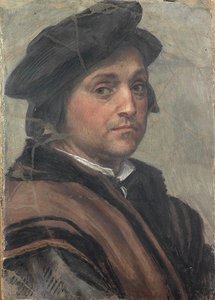
Andrea del Sarto
1486 - 1530 , Italia
Datos clave
- Artistas Influyentes:
- Leonardo da Vinci
- Miguel Ángel
- Rafael
- Estilo Artístico: Alto Renacimiento y Manierismo
- Fecha De Muerte: 21 de enero de 1530
- Fecha De Nacimiento: 16 de julio de 1486
- Influencia En Artistas: ['Jacopo Carucci (Pontormo)']
- Lugar De Nacimiento: Florencia, Italia
- Nacionalidad: Italiana
- Nombre Completo: Andrea del Sarto
- Obras Notables:
- La Sagrada Familia
- Cenáculo de Andrea del Sarto
- Historias de San Filippo Benizzi
Artículos relacionados
Andrea del Sarto: Florentine Grace, Technical Mastery & Artistic Ambition
Explore the life & art of Andrea del Sarto, a Florentine Renaissance master renowned for harmonious compositions & technical brilliance. Discover his frescoes, portraits, and lasting influence on art history.

Legado en las Paredes: Frescos Familiares que Trascienden el Tiempo
Descubre el arte del fresco muralístico para inmortalizar tu historia familiar. Expertos en frescos personalizados y técnicas ancestrales. Crea un legado visual único con .

The Enduring Legacy of Fresco: Technique, History & Artistic Expression Across Cultures
Explore the rich history & enduring legacy of fresco painting! Discover ancient techniques, Giotto's masterpieces, and modern applications. Expert insights for art lovers & professionals.

The Enduring Legacy of Fresco Painting: Techniques, History & Contemporary Relevance
Explore the rich history & enduring artistry of fresco painting – from Giotto to Michelangelo! Discover techniques, conservation efforts, & modern applications. Learn how ArtsDot brings this timeless art form to your home.

¿El Arte que Habita Contigo: El Poder Emocional de un Fresco Interior Personalizado?
Descubre el poder emocional de un fresco interior personalizado. Expertos en arte te guían para crear una obra única que refleje tu estilo y valore tu hogar. : calidad, confianza y diseño excepcional.