 Ver en contexto
 Enviar
 Compartir
 Detalles

 Descargar
 Similares
 Radiografía
 Presentación de diapositivas
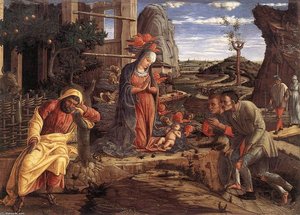
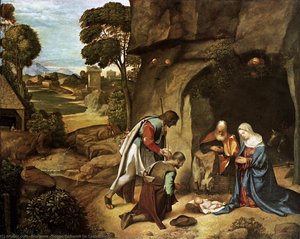
Adoration of the Shepherds

 Ver más
Reproducción al óleo hecha a mano
Óleo sobre lienzo pintado a mano en el tamaño y marco de su elección, realizado por encargo por nuestros artistas. ( Comprar impresión Comprar imagen)




P118B $10

P118H $10

P118W $10

P438Z $10

P508JH $12

P508YH $12

P805H $10

P805Z $10

P919BZ $10

P919G $10

P919XJ $10

P959ZH $10

P968JZ $12

W106C $8

W218G $10

W218JH $8

W218Y $10

W307PJ $10

W316G $10

W316PJ $8

W316Y $10

W398PJ $8

W4111J $10

W500HY $15

W500JH $15

W692G $12

W849H $8

W940BG $15

W953PJ $8




Elija entre nuestros tamaños predefinidos que respetan las proporciones originales de la obra.

Puede ingresar sus propias dimensiones para adaptarse a un marco o espacio específico. Si el tamaño seleccionado no coincide con las proporciones de la imagen original, recortaremos la obra o extenderemos la pintura con elementos adicionales pintados a mano. Se le enviará una maqueta digital para su aprobación antes de comenzar la producción.
Tenga en cuenta que la vista previa en pantalla no refleja el recorte o la extensión reales. Solo la maqueta mostrará con precisión la composición final.
Si bien existen tamaños personalizados, recomendamos seleccionar una dimensión de la lista predefinida para preservar las proporciones originales.
Tras realizar el pedido, el equipo de ArtsDot.com enviará un correo electrónico al cliente para solicitar instrucciones y proporcionarle una vista previa del boceto.
Envío a todo el mundo () en 3-4 semanas en lugar de las 5 semanas estándar. (25 agosto). Sin comprometer la calidad.

Envío exprés gratuito a todo el mundo

Lienzo de lino de alta calidad

Seguro de envío total

Garantía de reembolso de impuestos aduaneros

Garantía de fidelidad cromática exacta

Política de devolución de 60 días (solo por defectos)

Garantía de devolución del 100% del dinero

Descuento por cantidad
 La opción de vidrio solo está disponible en tamaños inferiores a 110 cm.

Adoration of the Shepherds
Técnica de reproducción
Dimensiones de la reproducción
-


Precio total final
$ 263
Descripción de la obra
Andrea Mantegna’s ‘Adoration of the Shepherds’: A Testament to Roman Antiquity
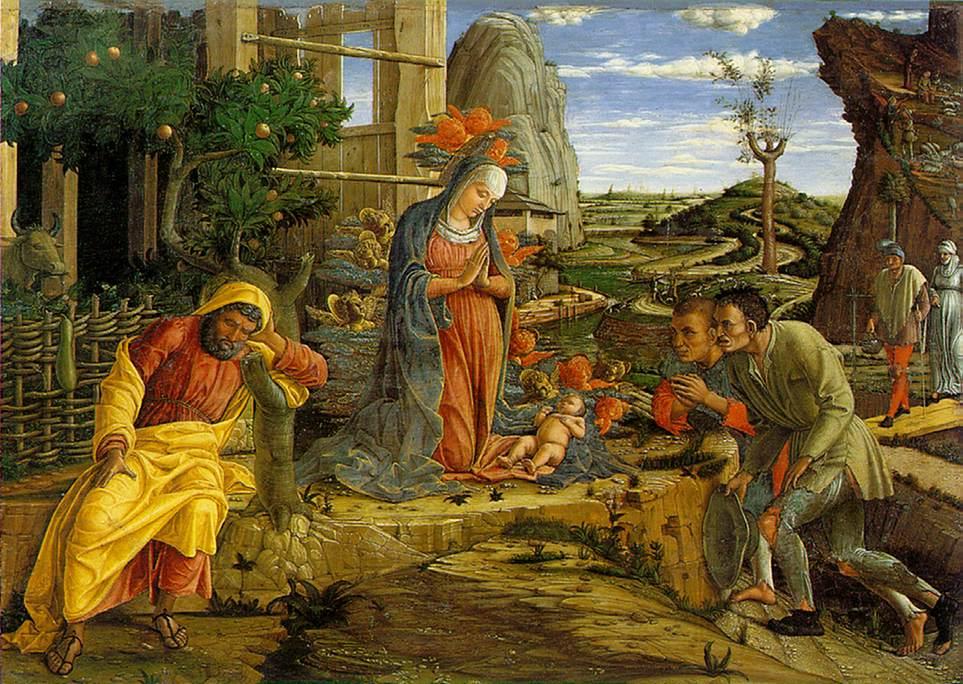
Andrea Mantegna's “Adoration of the Shepherds” is not merely a depiction of a biblical scene; it’s a profound statement about artistic ambition, historical reverence, and the very soul of the Renaissance. Painted around 1480-1485, this masterpiece transports us to a moment of profound humility and spiritual awakening – the arrival of the shepherds before the infant Jesus. The painting's power resides in Mantegna’s meticulous approach, born from an almost obsessive fascination with the vestiges of Roman antiquity. He didn’t simply paint a religious scene; he resurrected it, imbuing it with the solidity and grandeur of a lost empire.
- A Sculptural Vision: Mantegna's influence is immediately apparent in the work’s strikingly sculptural forms. The figures are rendered with an almost architectural precision, recalling the idealized human bodies found in Roman sculpture. This isn’t the soft, flowing style of some contemporary artists; it’s a deliberate return to the clarity and strength of classical form.
- Dramatic Perspective: The artist masterfully employs linear perspective, a technique largely pioneered during this period, creating an illusion of depth that draws the viewer directly into the scene. This was revolutionary at the time, demonstrating Mantegna's understanding and application of mathematical principles to achieve realism.
- The Echoes of Rome: Mantegna’s formative years spent studying Roman ruins under Francesco Squarcione profoundly shaped his artistic sensibilities. The painting is saturated with references to Roman art – the poses of the figures, the drapery, even the architectural details in the background—all subtly allude to the grandeur and power of ancient Rome.
Subject Matter and Narrative
The scene itself is a carefully constructed narrative from Matthew 2:1-12. Mary, Joseph, and the infant Jesus are at the center of attention, surrounded by a throng of shepherds who have been guided to them by an angel. The painting captures the moment of adoration, the reverence with which these humble figures approach the divine child. It’s a scene rich in symbolism – representing humanity's yearning for salvation and the arrival of grace into the world. Note the deliberate positioning of the figures; they are not simply arranged randomly but contribute to the overall sense of order and solemnity.
- The Dog: The presence of a small dog, positioned near the bottom-left corner, adds an unexpected layer of interest and perhaps symbolizes loyalty or guardianship.
- Compositional Balance: Mantegna skillfully balances the composition, using diagonal lines to create movement and directing the viewer’s eye across the scene.
Technique and Materials
Mantegna's technique is characterized by a smooth, polished surface achieved through meticulous layering of thin glazes of oil paint. This glazing technique allowed him to build up color gradually, creating a luminous effect that was particularly effective in depicting the drapery and skin tones. The use of tempera on wood panel further enhanced the durability and longevity of the work. The artist’s attention to detail is breathtaking – from the individual strands of hair to the folds of the shepherds' clothing—every element contributes to the painting’s overall realism and impact.
Historical Context and Legacy
"Adoration of the Shepherds" stands as a pivotal work in the transition between the Early and High Renaissance. It exemplifies Mantegna’s commitment to classical ideals while simultaneously pushing the boundaries of artistic innovation. His influence extended far beyond his own time, inspiring generations of artists who followed. This painting remains a testament to Mantegna's genius – a powerful reminder of the enduring appeal of Roman antiquity and the transformative power of art.
Obras relacionadas

Biografía del artista
vida temprana y carrera
Andrea Mantegna, un innovador pintor e estudioso de la arqueología romana italiano, nació en Italia en 1431. Su vida está marcada por una desviación significativa de las formas suaves de su tiempo, favoreciendo un tratamiento audaz y voluminoso del espacio y la forma.contribución a la perspectiva
La obra de Mantegna fue fundamental para explorar la perspectiva, utilizando técnicas como ajustar la línea del horizonte para impartir una escala más grandiosa y gravedad a sus obras. Este enfoque marcó una desviación significativa de las formas suaves de su tiempo, mostrando su estilo único.obras notables y asociaciones
* Las pinturas de Mantegna son reconocidas por su calidad robusta y escultórica, exhibiendo paisajes y figuras duras y reflectantes que revelan su sensibilidad como escultor a la forma y la textura. * Su asociación con la familia Bellini a través del matrimonio es notable, ya que refleja la interconexión de las familias artísticas durante el Renacimiento.legado en la historia del arte
La influencia de Mantegna en el desarrollo del arte en Italia y más allá es innegable. Su enfoque audaz de la perspectiva y la forma ha inspirado a generaciones de artistas. Como se ve en su colección en ArtsDot, sus obras continúan cautivando al público con su grandeza e innovación.- Movimientos artísticos clave: Renacimiento, perspectiva temprana.
- Obras notables: incluyen "El lamento sobre el Cristo muerto" y "San Jorge".
- Museos que exhiben su obra: la Galería Nacional de Londres y la Pinacoteca Brera en Milán, entre otros.
lectura adicional y exploración
* Para más información sobre la vida y las obras de Mantegna, consulte la colección Palumbo-Fossati (Venecia, Italia), que presenta una breve reseña de la colección y sus piezas notables. * Explore la historia del arte en Italia con la cultura de Italia en Wikipedia.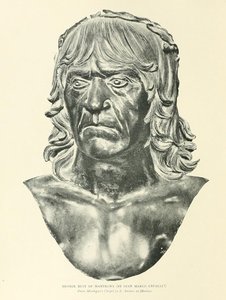
Andrea Mantegna
1431 - 1506 , Italia
Datos clave
- Artistas Influenciados:
- Rafael
- Miguel Ángel
- Artistas Que Influyeron:
- Donatello
- Jacopo Bellini
- Fecha De Muerte: 1506
- Fecha De Nacimiento: 1431
- Lugar De Nacimiento: Carturo, Italia
- Movimiento Artístico: Renacimiento Temprano
- Nacionalidad: Italiana
- Nombre Completo: Andrea Mantegna
- Obras Notables:
- El Lamento sobre el Cristo muerto
- San Jorge y el dragón
- Camera degli Sposi
- Los Triunfos de César
Artículos relacionados

Giclée Prints: Archival Quality & Aesthetic Nuances for the Discerning Collector
Explore the world of giclée prints with ArtsDot. Learn about archival quality, aesthetic nuances & investment potential. Expert guidance for discerning art collectors seeking museum-quality reproductions and lasting value.

Echoes of Time: Exploring the Enduring Appeal & Historical Context of Vintage Art Prints
Explore the captivating world of vintage art prints! Discover their history, collecting tips & enduring appeal. Expert insights on chromolithography and building a legacy collection with ArtsDot.

Transforming Spaces: A Comprehensive Exploration of Wall Decor Through Art History & Contemporary Practice
Explore the art of transforming spaces with our comprehensive guide to wall decor. From historical movements to contemporary trends, discover how to curate impactful interiors and commission bespoke artwork for a truly personalized aesthetic.

The Enduring Legacy of Fine Art Prints: Technique, History & Aesthetic Impact
Explore the rich history & techniques of fine art prints. Discover investment potential, assess authenticity, and learn how to preserve your collection with expert guidance. Trusted insights for discerning collectors.
El Regreso del Fresco: Murales de Lujo para un Diseño Exclusivo
Descubre el arte del fresco: guía completa sobre técnicas, diseño y aplicaciones de lujo. Expertos en murales personalizados para hoteles y espacios exclusivos. ¡Transforma tu espacio con !