 Ver en contexto
 Enviar
 Compartir
 Detalles

 Descargar
 Similares
 Radiografía
 Presentación de diapositivas
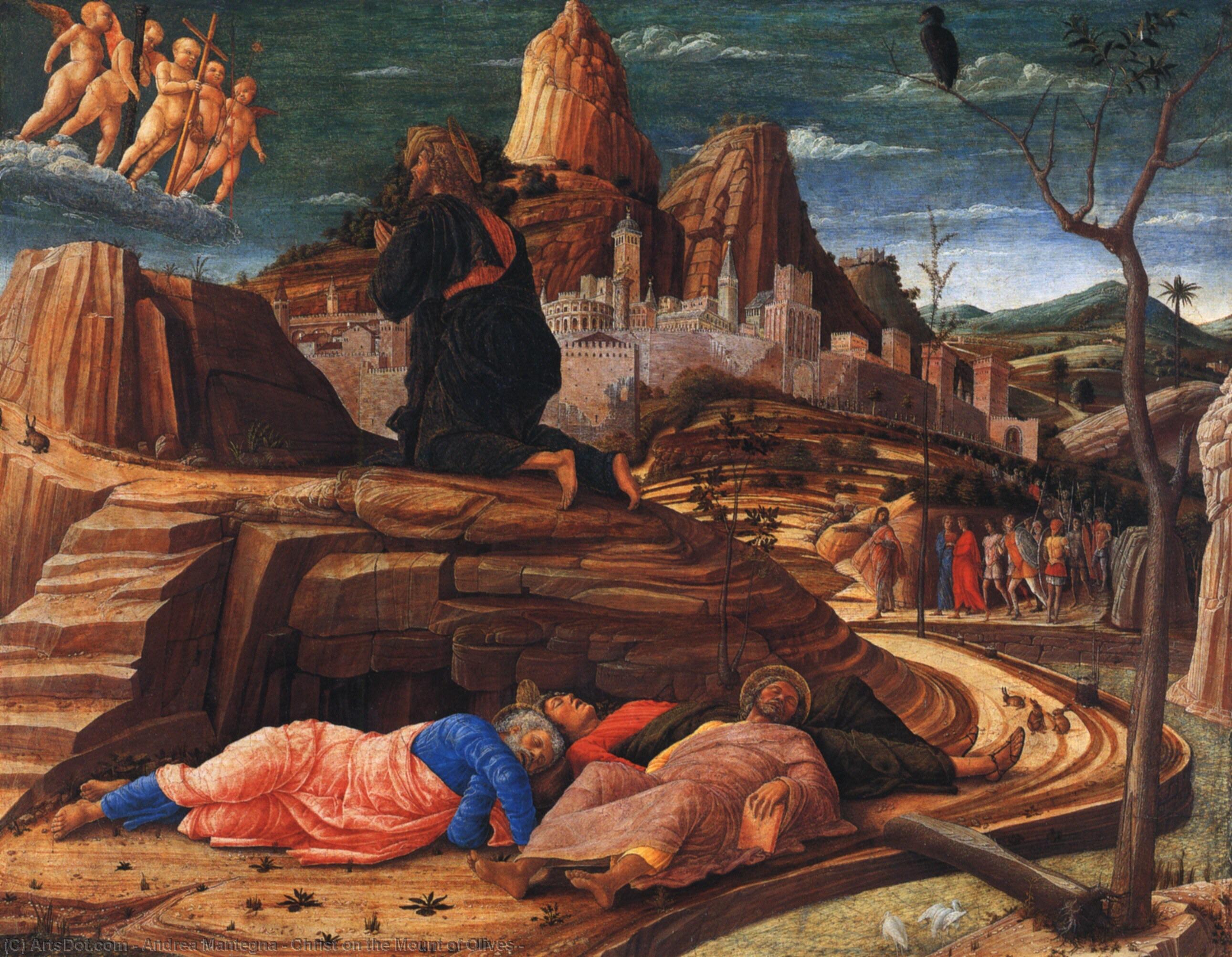
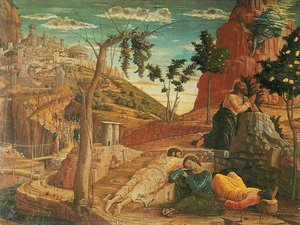
Christ on the Mount of Olives -


 Ver más
Reproducción al óleo hecha a mano
Óleo sobre lienzo pintado a mano en el tamaño y marco de su elección, realizado por encargo por nuestros artistas. ( Comprar impresión Comprar imagen)




P118B $10

P118H $10

P118W $10

P438Z $10

P508JH $12

P508YH $12

P805H $10

P805Z $10

P919BZ $10

P919G $10

P919XJ $10

P959ZH $10

P968JZ $12

W106C $8

W218G $10

W218JH $8

W218Y $10

W307PJ $10

W316G $10

W316PJ $8

W316Y $10

W398PJ $8

W4111J $10

W500HY $15

W500JH $15

W692G $12

W849H $8

W940BG $15

W953PJ $8




Elija entre nuestros tamaños predefinidos que respetan las proporciones originales de la obra.

Puede ingresar sus propias dimensiones para adaptarse a un marco o espacio específico. Si el tamaño seleccionado no coincide con las proporciones de la imagen original, recortaremos la obra o extenderemos la pintura con elementos adicionales pintados a mano. Se le enviará una maqueta digital para su aprobación antes de comenzar la producción.
Tenga en cuenta que la vista previa en pantalla no refleja el recorte o la extensión reales. Solo la maqueta mostrará con precisión la composición final.
Si bien existen tamaños personalizados, recomendamos seleccionar una dimensión de la lista predefinida para preservar las proporciones originales.
Tras realizar el pedido, el equipo de ArtsDot.com enviará un correo electrónico al cliente para solicitar instrucciones y proporcionarle una vista previa del boceto.
Envío a todo el mundo () en 3-4 semanas en lugar de las 5 semanas estándar. (24 agosto). Sin comprometer la calidad.

Envío exprés gratuito a todo el mundo

Lienzo de lino de alta calidad

Seguro de envío total

Garantía de reembolso de impuestos aduaneros

Garantía de fidelidad cromática exacta

Política de devolución de 60 días (solo por defectos)

Garantía de devolución del 100% del dinero

Descuento por cantidad
 La opción de vidrio solo está disponible en tamaños inferiores a 110 cm.

Christ on the Mount of Olives -
Técnica de reproducción
Dimensiones de la reproducción
-


Precio total final
$ 263
Descripción de la obra
The Weight of Sorrow: Andrea Mantegna’s Christ on the Mount of Olives
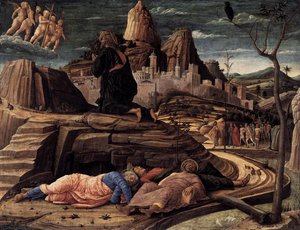
Andrea Mantegna's 1455 painting, “Christ on the Mount of Olives,” isn’t merely a depiction of a biblical scene; it’s a profound meditation on human emotion and the transition from Byzantine formality to the burgeoning dynamism of the Italian Renaissance. More than just a religious image, this work is a carefully constructed tableau of grief, anticipation, and the quiet dignity of suffering – a testament to Mantegna's mastery of perspective, his deep understanding of classical forms, and his ability to infuse even sacred subjects with palpable realism.

The scene unfolds against a dramatic, mountainous backdrop – a carefully rendered landscape that immediately establishes a sense of depth and spatial awareness, a hallmark of Mantegna’s innovative use of perspective. Jesus stands at the center, not as a divine figure radiating power, but as a profoundly human one, burdened by sorrow. His posture is slumped, his face etched with anguish; he's not triumphant or majestic, but vulnerable and deeply affected. Surrounding him are twelve figures – disciples, mourners, and perhaps even angels – arranged in a complex composition that draws the viewer into the heart of the drama. The inclusion of a solitary bird soaring above adds an element of naturalism and subtly underscores the themes of loss and ascension.
A Bridge Between Worlds: Byzantine Roots and Renaissance Innovation
To fully appreciate “Christ on the Mount of Olives,” it’s crucial to understand its historical context. Mantegna, a student of Francesco Squarcione, was deeply influenced by the artistic traditions of Byzantium – the Eastern Orthodox Christian art that dominated the visual landscape of his time. Byzantine paintings were characterized by their rich gold backgrounds, stylized figures, and a focus on symbolic representation. However, Mantegna deliberately diverged from these established conventions. He embraced a more realistic approach, employing sharper lines, greater detail in drapery and facial expressions, and a dramatic use of light and shadow – techniques that would become defining features of the Renaissance.
The painting’s composition reflects this shift. Unlike the flattened perspective often found in Byzantine art, Mantegna utilizes linear perspective to create an illusion of three-dimensionality, drawing the viewer into the scene with remarkable immediacy. The bench positioned prominently at the center is a particularly intriguing detail; it suggests rest, contemplation, and perhaps even a shared grief among those gathered around Jesus.
Symbolism and Emotional Resonance
Beyond its technical brilliance, “Christ on the Mount of Olives” is rich in symbolic meaning. The presence of the twelve figures can be interpreted as representing the apostles’ impending betrayal and their subsequent abandonment of Christ. The bird, often associated with hope and resurrection, offers a glimmer of solace amidst the prevailing sorrow. The very act of Jesus praying – a moment of profound vulnerability – speaks to his humanity and his acceptance of his fate. It's a scene not just of suffering, but of deep spiritual struggle.
Mantegna’s decision to depict Christ in such an emotionally raw state was revolutionary for its time. He wasn’t interested in presenting a sanitized or idealized image of the savior; instead, he sought to capture the full spectrum of human experience – including pain, doubt, and despair. This willingness to confront difficult emotions is what makes “Christ on the Mount of Olives” such a powerful and enduring work of art.
Reproductions: Bringing Renaissance Emotion Home
ArtsDot offers meticulously crafted hand-painted reproductions of Andrea Mantegna’s “Christ on the Mount of Olives,” allowing you to experience this masterpiece in stunning detail. Our skilled artists faithfully recreate Mantegna's nuanced brushstrokes, vibrant colors, and masterful use of perspective, ensuring that your reproduction captures the painting’s original emotional impact. Whether displayed in a grand salon or a cozy study, a ArtsDot reproduction will serve as a timeless reminder of Renaissance artistry and the profound beauty of human emotion.
Obras relacionadas
Biografía del artista
vida temprana y carrera
Andrea Mantegna, un innovador pintor e estudioso de la arqueología romana italiano, nació en Italia en 1431. Su vida está marcada por una desviación significativa de las formas suaves de su tiempo, favoreciendo un tratamiento audaz y voluminoso del espacio y la forma.contribución a la perspectiva
La obra de Mantegna fue fundamental para explorar la perspectiva, utilizando técnicas como ajustar la línea del horizonte para impartir una escala más grandiosa y gravedad a sus obras. Este enfoque marcó una desviación significativa de las formas suaves de su tiempo, mostrando su estilo único.obras notables y asociaciones
* Las pinturas de Mantegna son reconocidas por su calidad robusta y escultórica, exhibiendo paisajes y figuras duras y reflectantes que revelan su sensibilidad como escultor a la forma y la textura. * Su asociación con la familia Bellini a través del matrimonio es notable, ya que refleja la interconexión de las familias artísticas durante el Renacimiento.legado en la historia del arte
La influencia de Mantegna en el desarrollo del arte en Italia y más allá es innegable. Su enfoque audaz de la perspectiva y la forma ha inspirado a generaciones de artistas. Como se ve en su colección en ArtsDot, sus obras continúan cautivando al público con su grandeza e innovación.- Movimientos artísticos clave: Renacimiento, perspectiva temprana.
- Obras notables: incluyen "El lamento sobre el Cristo muerto" y "San Jorge".
- Museos que exhiben su obra: la Galería Nacional de Londres y la Pinacoteca Brera en Milán, entre otros.
lectura adicional y exploración
* Para más información sobre la vida y las obras de Mantegna, consulte la colección Palumbo-Fossati (Venecia, Italia), que presenta una breve reseña de la colección y sus piezas notables. * Explore la historia del arte en Italia con la cultura de Italia en Wikipedia.
Andrea Mantegna
1431 - 1506 , Italia
Datos clave
- Artistas Influenciados:
- Rafael
- Miguel Ángel
- Artistas Que Influyeron:
- Donatello
- Jacopo Bellini
- Fecha De Muerte: 1506
- Fecha De Nacimiento: 1431
- Lugar De Nacimiento: Carturo, Italia
- Movimiento Artístico: Renacimiento Temprano
- Nacionalidad: Italiana
- Nombre Completo: Andrea Mantegna
- Obras Notables:
- El Lamento sobre el Cristo muerto
- San Jorge y el dragón
- Camera degli Sposi
- Los Triunfos de César
Artículos relacionados
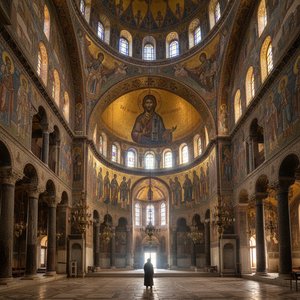
Iluminando la Eternidad: Una Exploración Exhaustiva del Legado del Arte Bizantino
Descubre el fascinante mundo del arte bizantino con nuestra guía experta. Explora su historia, arquitectura, mosaicos y legado cultural. Un viaje a través de la belleza y el simbolismo de un imperio inolvidable.

Giotto di Bondone: Las 25 Obras Maestras que Definieron el Renacimiento | ArtsDot
Descubre las 25 obras maestras de Giotto di Bondone, el pionero del Renacimiento. Explora la historia, técnica y simbolismo de sus frescos italianos más icónicos. Encuentra reproducciones de arte exclusivas para decorar tu hogar en ArtsDot.com.

Fra Angelico: Las 25 Obras Maestras del Renacimiento para Decorar con Arte y Fe
Descubre las 25 obras maestras de Fra Angelico, el pintor renacentista que llenó el arte sacro de luz y fe. Explora su técnica, simbolismo y belleza en frescos e iconos. Encuentra reproducciones de alta calidad para decorar tu hogar con ArtsDot.com.

El Greco: Las 25 Obras Maestras que Definen un Genio del Arte y la Fe
Descubre las 25 obras maestras de El Greco, el genio del Renacimiento español. Explora su arte religioso, manierismo y la historia detrás de cuadros icónicos como 'El Entierro del Conde de Orgaz'. Encuentra reproducciones de alta calidad en ArtsDot.com.
Proto-Renacimiento: 10 Obras Maestras que Cambiaron la Historia del Arte | ArtsDot
Descubre las 10 obras maestras del Proto Renacimiento que revolucionaron el arte italiano. Explora la historia de Giotto, Duccio y Cimabue. Reproducciones de arte en ArtsDot.com para decorar tu hogar con belleza atemporal.