 Ver en contexto
 Enviar
 Compartir
 Detalles

 Descargar
 Similares
 Radiografía
 Presentación de diapositivas
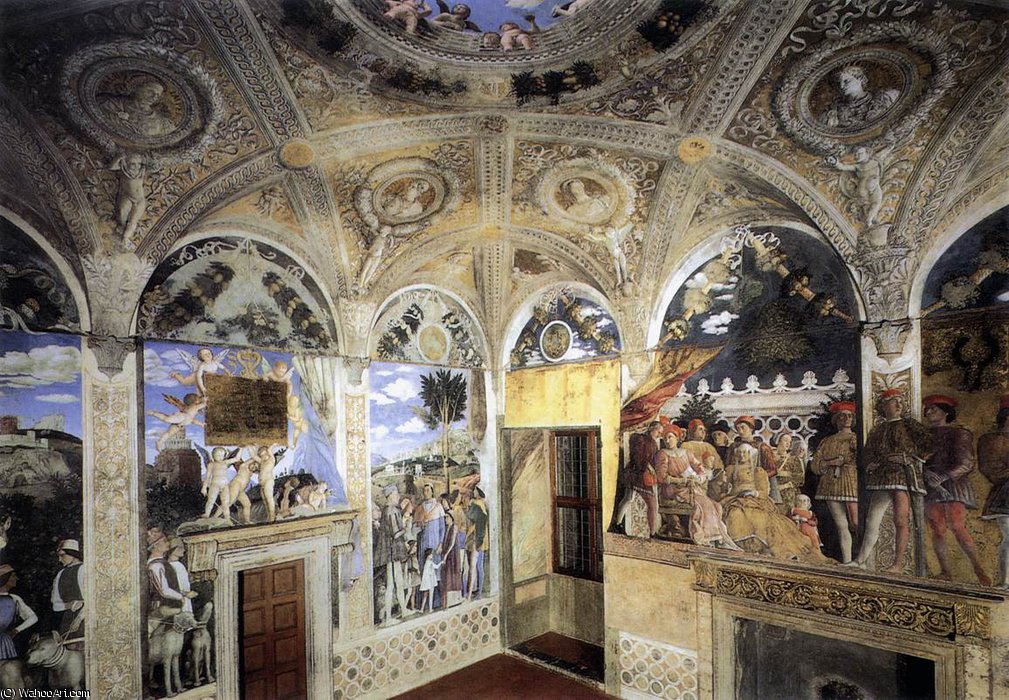
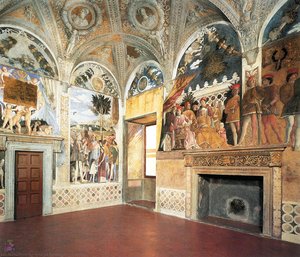
DucalPalace - View of the west and north walls

 Ver más
Giclée / Impresión de arte
Impresiones giclée o en lienzo de calidad de museo con producción rápida y opciones de acabado flexibles. ( Comprar pintura hecha a mano Comprar imagen)




P118B $10

P118H $10

P118W $10

P438Z $10

P508JH $12

P508YH $12

P805H $10

P805Z $10

P919BZ $10

P919G $10

P919XJ $10

P959ZH $10

P968JZ $12

W106C $8

W218G $10

W218JH $8

W218Y $10

W307PJ $10

W316G $10

W316PJ $8

W316Y $10

W398PJ $8

W4111J $10

W500HY $15

W500JH $15

W692G $12

W849H $8

W940BG $15

W953PJ $8




Elija entre nuestros tamaños predefinidos que respetan las proporciones originales de la obra.

Puede introducir sus propias dimensiones para adaptarse a un marco o espacio específico. Si el tamaño seleccionado no coincide con las proporciones de la imagen original, recortaremos la obra de arte o extenderemos la imagen con un borde con efecto espejo o de color sólido. Se enviará una maqueta digital para su aprobación antes de que comience la producción.
Tenga en cuenta que la vista previa en pantalla no refleja el recorte o la extensión real. Solo la maqueta mostrará con precisión la composición final.
Aunque existen tamaños personalizados, recomendamos seleccionar una dimensión de la lista predefinida para preservar las proporciones originales.
Envío a todo el mundo () en 2 semanas en lugar de las 4/5 semanas estándar. (30 agosto)

Envío exprés gratuito a todo el mundo

Lienzo de lino de alta calidad

Seguro de envío total

Garantía de reembolso de impuestos aduaneros

Garantía de fidelidad cromática exacta

Política de devolución de 60 días (solo por defectos)

Garantía de devolución del 100% del dinero

Descuento por cantidad
 La opción de vidrio solo está disponible en tamaños inferiores a 110 cm.

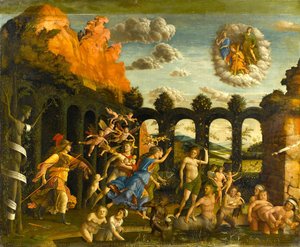
DucalPalace - View of the west and north walls
Giclée / Impresión de arte
Dimensiones de la reproducción
-


Precio total final
$ 62
A Window into Antiquity: Exploring Andrea Mantegna’s “Ducal Palace – View of the West and North Walls”
Andrea Mantegna's "Ducal Palace – View of the West and North Walls," painted between 1465-74, transcends mere depiction; it embodies a profound philosophical stance—a deliberate confrontation with the grandeur of Rome and its legacy. Commissioned for the Camera degli Sposi (Hall of Marriage) within Mantua’s Ducal Palace, this monumental fresco isn't simply a panoramic vista; it’s a meticulously crafted illusion designed to transport viewers back to the Roman Forum, capturing a moment frozen in time with astonishing accuracy.- Subject Matter: The painting portrays a section of the palace walls, specifically focusing on the west and north facades. However, its true brilliance lies in recreating the atmosphere of the Roman Forum—a space revered by Mantegna as a symbol of civic virtue and artistic excellence.
- Style & Technique: Mantegna’s mastery is evident in his pioneering use of *linear perspective*, achieved through mathematical calculations that revolutionized painting technique. Unlike artists who relied on atmospheric haze to create depth, Mantegna employed converging lines to generate an illusion of three-dimensionality, mirroring the architectural precision of Roman ruins. This meticulous approach extends beyond perspective; sculptural forms dominate the composition, subtly hinting at classical sculpture and reinforcing the overarching theme of antiquity.
Historical Context: The Renaissance Reborn Through Ruins
Mantegna’s artistic fervor stemmed directly from his formative years spent studying Roman ruins under Francesco Squarcione. This encounter ignited a passion for archaeological observation that profoundly shaped his oeuvre. The Camera degli Sposi itself was conceived as an ambitious project aimed at elevating Mantua's prestige and commemorating the marriage of Federico Gonzaga and Isabella d’Este—a union celebrated as a symbol of humanist ideals and artistic patronage. By depicting the Forum, Mantegna wasn’t merely illustrating a historical site; he was articulating the Renaissance aspiration to recapture the intellectual and aesthetic achievements of Classical Greece and Rome.- Symbolism: The inclusion of figures within the architectural space is laden with symbolic significance. They represent citizens engaged in civic life—a deliberate reference to Roman republican values—underscoring the importance of virtue, reason, and public service.
- Emotional Impact: Viewing “Ducal Palace – View of the West and North Walls” evokes a sense of awe and contemplation. The sheer scale of the fresco combined with its masterful illusionistic technique compels viewers to confront the enduring power of classical art and architecture, prompting reflection on notions of beauty, order, and human achievement.
A Legacy of Innovation: Mantegna’s Influence on Artistic Tradition
Mantegna's groundbreaking perspective system irrevocably altered the course of Renaissance painting, establishing a precedent for subsequent artists to emulate. His unwavering commitment to anatomical accuracy—a hallmark of his style—further solidified his position as one of the foremost sculptors and painters of his era. “Ducal Palace – View of the West and North Walls” stands not only as a testament to Mantegna’s artistic genius but also as an enduring emblem of the Renaissance's ambition to revive the glories of antiquity, securing its place within art history as a cornerstone of Western artistic innovation.Reproductions & Inspiration
ArtsDot offers exceptional reproductions of Andrea Mantegna’s “Ducal Palace – View of the West and North Walls,” allowing you to experience the breathtaking beauty and intellectual depth of this masterpiece firsthand. Explore our curated collection and discover how this iconic artwork can enrich your interior design or serve as a source of artistic inspiration.Obras relacionadas
Biografía del artista
vida temprana y carrera
Andrea Mantegna, un innovador pintor e estudioso de la arqueología romana italiano, nació en Italia en 1431. Su vida está marcada por una desviación significativa de las formas suaves de su tiempo, favoreciendo un tratamiento audaz y voluminoso del espacio y la forma.contribución a la perspectiva
La obra de Mantegna fue fundamental para explorar la perspectiva, utilizando técnicas como ajustar la línea del horizonte para impartir una escala más grandiosa y gravedad a sus obras. Este enfoque marcó una desviación significativa de las formas suaves de su tiempo, mostrando su estilo único.obras notables y asociaciones
* Las pinturas de Mantegna son reconocidas por su calidad robusta y escultórica, exhibiendo paisajes y figuras duras y reflectantes que revelan su sensibilidad como escultor a la forma y la textura. * Su asociación con la familia Bellini a través del matrimonio es notable, ya que refleja la interconexión de las familias artísticas durante el Renacimiento.legado en la historia del arte
La influencia de Mantegna en el desarrollo del arte en Italia y más allá es innegable. Su enfoque audaz de la perspectiva y la forma ha inspirado a generaciones de artistas. Como se ve en su colección en ArtsDot, sus obras continúan cautivando al público con su grandeza e innovación.- Movimientos artísticos clave: Renacimiento, perspectiva temprana.
- Obras notables: incluyen "El lamento sobre el Cristo muerto" y "San Jorge".
- Museos que exhiben su obra: la Galería Nacional de Londres y la Pinacoteca Brera en Milán, entre otros.
lectura adicional y exploración
* Para más información sobre la vida y las obras de Mantegna, consulte la colección Palumbo-Fossati (Venecia, Italia), que presenta una breve reseña de la colección y sus piezas notables. * Explore la historia del arte en Italia con la cultura de Italia en Wikipedia.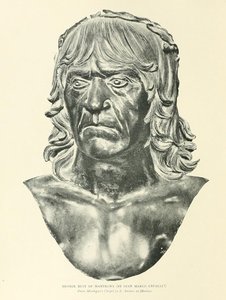
Andrea Mantegna
1431 - 1506 , Italia
Datos clave
- Artistas Influenciados:
- Rafael
- Miguel Ángel
- Artistas Que Influyeron:
- Donatello
- Jacopo Bellini
- Fecha De Muerte: 1506
- Fecha De Nacimiento: 1431
- Lugar De Nacimiento: Carturo, Italia
- Movimiento Artístico: Renacimiento Temprano
- Nacionalidad: Italiana
- Nombre Completo: Andrea Mantegna
- Obras Notables:
- El Lamento sobre el Cristo muerto
- San Jorge y el dragón
- Camera degli Sposi
- Los Triunfos de César
Artículos relacionados

Giclée Prints: Archival Quality & Aesthetic Nuances for the Discerning Collector
Explore the world of giclée prints with ArtsDot. Learn about archival quality, aesthetic nuances & investment potential. Expert guidance for discerning art collectors seeking museum-quality reproductions and lasting value.

Echoes of Time: Exploring the Enduring Appeal & Historical Context of Vintage Art Prints
Explore the captivating world of vintage art prints! Discover their history, collecting tips & enduring appeal. Expert insights on chromolithography and building a legacy collection with ArtsDot.
Transforming Spaces: A Comprehensive Exploration of Wall Decor Through Art History & Contemporary Practice
Explore the art of transforming spaces with our comprehensive guide to wall decor. From historical movements to contemporary trends, discover how to curate impactful interiors and commission bespoke artwork for a truly personalized aesthetic.

The Enduring Legacy of Fine Art Prints: Technique, History & Aesthetic Impact
Explore the rich history & techniques of fine art prints. Discover investment potential, assess authenticity, and learn how to preserve your collection with expert guidance. Trusted insights for discerning collectors.
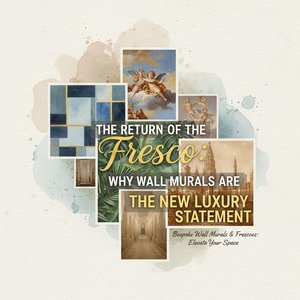
El Regreso del Fresco: Murales de Lujo para un Diseño Exclusivo
Descubre el arte del fresco: guía completa sobre técnicas, diseño y aplicaciones de lujo. Expertos en murales personalizados para hoteles y espacios exclusivos. ¡Transforma tu espacio con !