 Ver en contexto
 Enviar
 Compartir
 Detalles

 Descargar
 Similares
 Radiografía
 Presentación de diapositivas
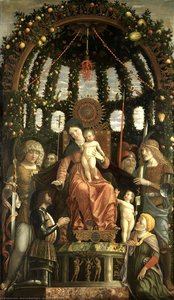
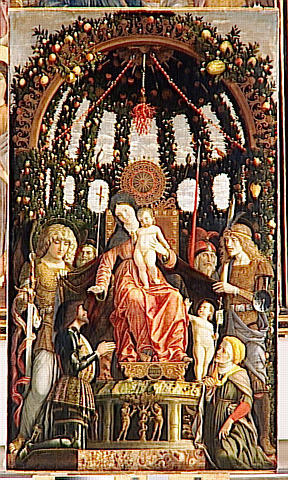
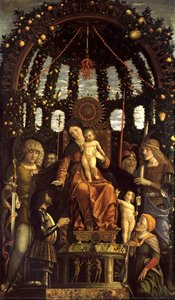
LA VIERGE ET L'ENFANT ENTOURES DE SIX SAINTS ET ADORES PAR GIAN FRANCESCO II GONZAGA DITE LA VIERGE DE LA VICTOIRE


 Ver más
Reproducción al óleo hecha a mano
Óleo sobre lienzo pintado a mano en el tamaño y marco de su elección, realizado por encargo por nuestros artistas. ( Comprar impresión Comprar imagen)




P118B $10

P118H $10

P118W $10

P438Z $10

P508JH $12

P508YH $12

P805H $10

P805Z $10

P919BZ $10

P919G $10

P919XJ $10

P959ZH $10

P968JZ $12

W106C $8

W218G $10

W218JH $8

W218Y $10

W307PJ $10

W316G $10

W316PJ $8

W316Y $10

W398PJ $8

W4111J $10

W500HY $15

W500JH $15

W692G $12

W849H $8

W940BG $15

W953PJ $8




Elija entre nuestros tamaños predefinidos que respetan las proporciones originales de la obra.

Puede ingresar sus propias dimensiones para adaptarse a un marco o espacio específico. Si el tamaño seleccionado no coincide con las proporciones de la imagen original, recortaremos la obra o extenderemos la pintura con elementos adicionales pintados a mano. Se le enviará una maqueta digital para su aprobación antes de comenzar la producción.
Tenga en cuenta que la vista previa en pantalla no refleja el recorte o la extensión reales. Solo la maqueta mostrará con precisión la composición final.
Si bien existen tamaños personalizados, recomendamos seleccionar una dimensión de la lista predefinida para preservar las proporciones originales.
Tras realizar el pedido, el equipo de ArtsDot.com enviará un correo electrónico al cliente para solicitar instrucciones y proporcionarle una vista previa del boceto.
Envío a todo el mundo () en 3-4 semanas en lugar de las 5 semanas estándar. (26 agosto). Sin comprometer la calidad.

Envío exprés gratuito a todo el mundo

Lienzo de lino de alta calidad

Seguro de envío total

Garantía de reembolso de impuestos aduaneros

Garantía de fidelidad cromática exacta

Política de devolución de 60 días (solo por defectos)

Garantía de devolución del 100% del dinero

Descuento por cantidad
 La opción de vidrio solo está disponible en tamaños inferiores a 110 cm.

LA VIERGE ET L'ENFANT ENTOURES DE SIX SAINTS ET ADORES PAR GIAN FRANCESCO II GONZAGA DITE LA VIERGE DE LA VICTOIRE
Técnica de reproducción
Dimensiones de la reproducción
-


Precio total final
$ 263
Descripción de la obra
La Vergine et l'Enfant Entourés de Six Saints… A Renaissance Echo
Andrea Mantegna’s La Vierge de la Victoire, a monumental altarpiece completed between 1495 and 1496, is far more than a depiction of the Virgin Mary and Child; it's a meticulously crafted testament to the burgeoning Renaissance fascination with antiquity. Commissioned by Francesco II Gonzaga of Mantua following his decisive victory at the Battle of Fornovo, the painting transcends mere celebratory iconography, becoming a profound meditation on power, faith, and the enduring legacy of Rome itself. The scene unfolds within a richly detailed church interior – a space deliberately constructed to evoke the grandeur of Roman basilicas, reflecting Gonzaga’s ambition and artistic patronage.
Mantegna's genius lies in his ability to fuse classical ideals with a strikingly modern sensibility. He doesn’t simply copy Roman forms; he dissects them, analyzes their structural principles, and then reinterprets them through the lens of his own time. Notice the almost sculptural quality of the figures – they possess a solidity and weight that recalls ancient marble statues, yet are imbued with a palpable sense of human emotion. The perspective is dramatically flattened, creating an illusionistic depth that pulls the viewer into the scene, mirroring the techniques employed by Roman architects and artists.
A Symphony of Detail: Technique and Materials
Executed primarily in tempera on wood panel, La Vierge de la Victoire showcases Mantegna’s mastery of this demanding medium. Tempera paint, known for its slow drying time, allowed him to build up layers of color with incredible precision, achieving a remarkable level of detail and luminosity. The use of glazes – thin, transparent washes of pigment – creates a shimmering effect, particularly evident in the drapery and the Virgin’s robes. The artist's meticulous attention to surface texture is also noteworthy; the smooth, polished finish of the wood panel contributes significantly to the painting’s overall impact.
Beyond the tempera itself, Mantegna employed a sophisticated understanding of color theory. He utilized a restricted palette – predominantly blues, reds, and ochres – to create a sense of solemnity and grandeur. The subtle gradations of tone and shade contribute to the illusion of three-dimensionality, further enhancing the painting’s realism.
Symbolism and Narrative
The composition is layered with symbolic meaning. Mary, presented in a slightly turned pose, embodies piety and grace. Her gesture – presenting her son to the viewer – is a traditional motif signifying divine revelation. The six surrounding saints—including St. Michael, St. George, and St. Sebastian—represent various facets of Christian faith and martyrdom, offering a visual testament to Gonzaga’s military triumph. The inclusion of angels on either side adds an element of celestial protection and reinforces the painting's religious significance.
The presence of objects – the chair, dining table, and bowl – is not merely decorative; they subtly allude to earthly pleasures and the importance of moderation, a common theme in Renaissance art. The overall effect is one of serene contemplation, inviting viewers to reflect on themes of faith, victory, and divine grace.
A Legacy of Innovation
La Vierge de la Victoire stands as a pivotal work in the history of Italian painting. It exemplifies Mantegna’s revolutionary approach to perspective, his profound engagement with classical antiquity, and his ability to synthesize these influences into a uniquely powerful artistic vision. Reproductions of this masterpiece offer an unparalleled opportunity to experience firsthand the brilliance of one of the Renaissance's most innovative and influential artists.
Obras relacionadas
Biografía del artista
vida temprana y carrera
Andrea Mantegna, un innovador pintor e estudioso de la arqueología romana italiano, nació en Italia en 1431. Su vida está marcada por una desviación significativa de las formas suaves de su tiempo, favoreciendo un tratamiento audaz y voluminoso del espacio y la forma.contribución a la perspectiva
La obra de Mantegna fue fundamental para explorar la perspectiva, utilizando técnicas como ajustar la línea del horizonte para impartir una escala más grandiosa y gravedad a sus obras. Este enfoque marcó una desviación significativa de las formas suaves de su tiempo, mostrando su estilo único.obras notables y asociaciones
* Las pinturas de Mantegna son reconocidas por su calidad robusta y escultórica, exhibiendo paisajes y figuras duras y reflectantes que revelan su sensibilidad como escultor a la forma y la textura. * Su asociación con la familia Bellini a través del matrimonio es notable, ya que refleja la interconexión de las familias artísticas durante el Renacimiento.legado en la historia del arte
La influencia de Mantegna en el desarrollo del arte en Italia y más allá es innegable. Su enfoque audaz de la perspectiva y la forma ha inspirado a generaciones de artistas. Como se ve en su colección en ArtsDot, sus obras continúan cautivando al público con su grandeza e innovación.- Movimientos artísticos clave: Renacimiento, perspectiva temprana.
- Obras notables: incluyen "El lamento sobre el Cristo muerto" y "San Jorge".
- Museos que exhiben su obra: la Galería Nacional de Londres y la Pinacoteca Brera en Milán, entre otros.
lectura adicional y exploración
* Para más información sobre la vida y las obras de Mantegna, consulte la colección Palumbo-Fossati (Venecia, Italia), que presenta una breve reseña de la colección y sus piezas notables. * Explore la historia del arte en Italia con la cultura de Italia en Wikipedia.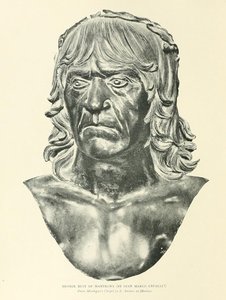
Andrea Mantegna
1431 - 1506 , Italia
Datos clave
- Artistas Influenciados:
- Rafael
- Miguel Ángel
- Artistas Que Influyeron:
- Donatello
- Jacopo Bellini
- Fecha De Muerte: 1506
- Fecha De Nacimiento: 1431
- Lugar De Nacimiento: Carturo, Italia
- Movimiento Artístico: Renacimiento Temprano
- Nacionalidad: Italiana
- Nombre Completo: Andrea Mantegna
- Obras Notables:
- El Lamento sobre el Cristo muerto
- San Jorge y el dragón
- Camera degli Sposi
- Los Triunfos de César
Artículos relacionados
Sacred Narratives Embodied: A Comprehensive Exploration of Religious Iconography in Art History
Explore the rich history of religious iconography in art! Discover symbolism, movements & masterpieces from Byzantine to Renaissance periods. Expert insights for collectors and enthusiasts at ArtsDot.
Fra Angelico: Las 25 Obras Maestras del Renacimiento para Decorar con Arte y Fe
Descubre las 25 obras maestras de Fra Angelico, el pintor renacentista que llenó el arte sacro de luz y fe. Explora su técnica, simbolismo y belleza en frescos e iconos. Encuentra reproducciones de alta calidad para decorar tu hogar con ArtsDot.com.

Giotto di Bondone: Las 25 Obras Maestras que Definieron el Renacimiento | ArtsDot
Descubre las 25 obras maestras de Giotto di Bondone, el pionero del Renacimiento. Explora la historia, técnica y simbolismo de sus frescos italianos más icónicos. Encuentra reproducciones de arte exclusivas para decorar tu hogar en ArtsDot.com.
Sacred Narratives on Canvas: Exploring Religious Painting Through History
Explore the rich history of religious painting with ArtsDot.com! Discover iconic artworks, symbolism & techniques from antiquity to the Renaissance. Enhance your art appreciation today.
Sacred Narratives on Canvas: Exploring Religious Scenes & Their Enduring Influence
Explore the rich history of religious art from Giotto to the Renaissance masters with ArtsDot. Discover symbolism, techniques & enduring legacies. Museum-quality reproductions available.