 Ver en contexto
 Enviar
 Compartir
 Detalles

 Descargar
 Similares
 Radiografía
 Presentación de diapositivas
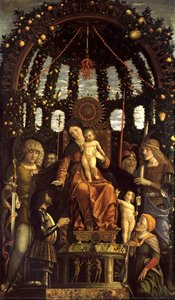
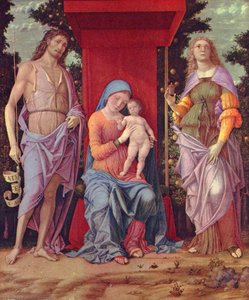
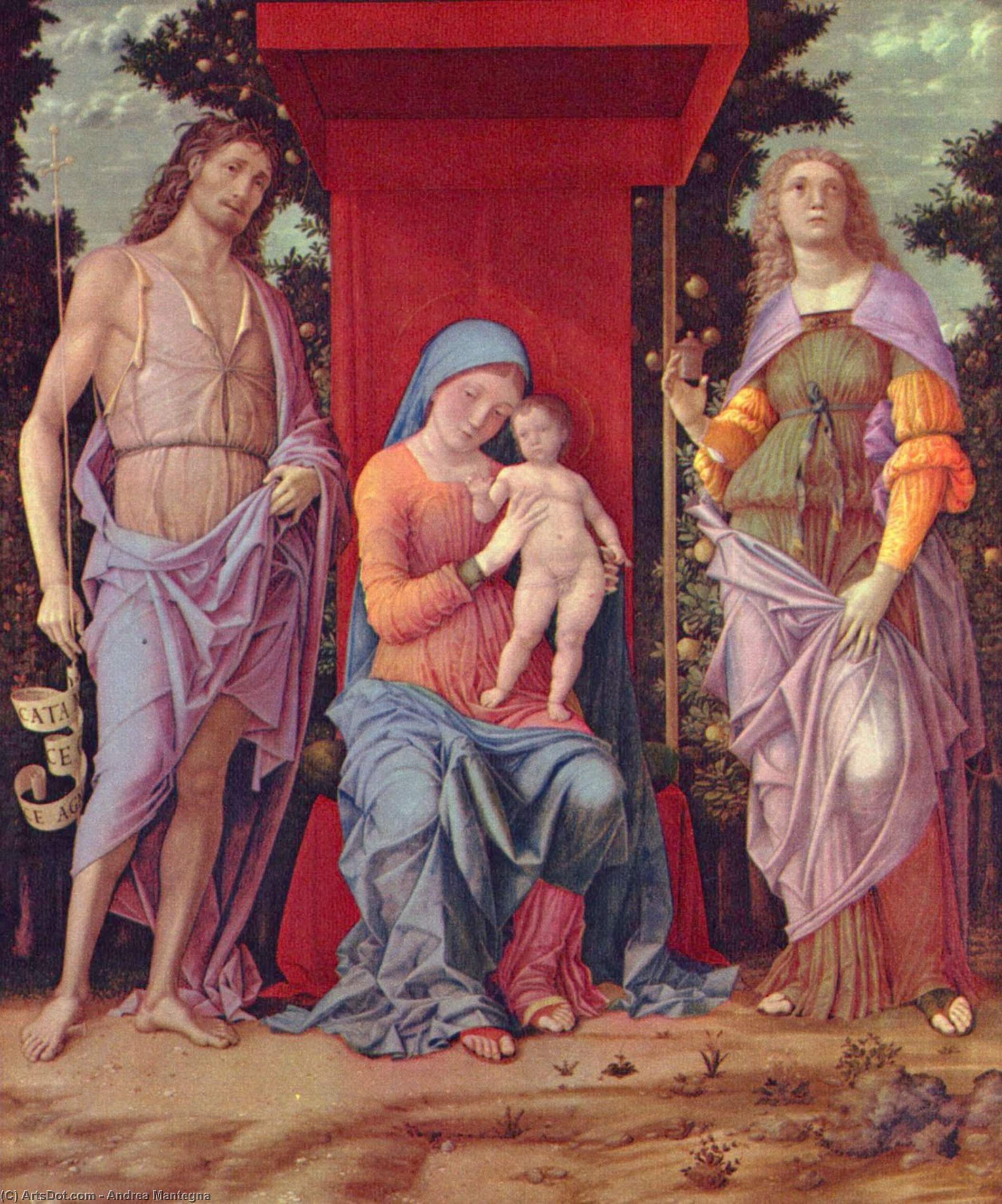
Madonna con Santa María Magdalena y San Juan Bautista
 Acrílico sobre lienzo
- Arte de pared
- Antigüedad Renacentista
 Renacimiento
 136.0 x 114.0 cm
 Galería Nacional
 Ver más
Reproducción al óleo hecha a mano
Óleo sobre lienzo pintado a mano en el tamaño y marco de su elección, realizado por encargo por nuestros artistas. ( Comprar impresión Comprar imagen)




































Elija entre nuestros tamaños predefinidos que respetan las proporciones originales de la obra.

Puede ingresar sus propias dimensiones para adaptarse a un marco o espacio específico. Si el tamaño seleccionado no coincide con las proporciones de la imagen original, recortaremos la obra o extenderemos la pintura con elementos adicionales pintados a mano. Se le enviará una maqueta digital para su aprobación antes de comenzar la producción.
Tenga en cuenta que la vista previa en pantalla no refleja el recorte o la extensión reales. Solo la maqueta mostrará con precisión la composición final.
Si bien existen tamaños personalizados, recomendamos seleccionar una dimensión de la lista predefinida para preservar las proporciones originales.
Tras realizar el pedido, el equipo de ArtsDot.com enviará un correo electrónico al cliente para solicitar instrucciones y proporcionarle una vista previa del boceto.
Envío a todo el mundo () en 3-4 semanas en lugar de las 5 semanas estándar. (28 agosto). Sin comprometer la calidad.

Envío exprés gratuito a todo el mundo

Lienzo de lino de alta calidad

Seguro de envío total

Garantía de reembolso de impuestos aduaneros

Garantía de fidelidad cromática exacta

Política de devolución de 60 días (solo por defectos)

Garantía de devolución del 100% del dinero

Descuento por cantidad
 La opción de vidrio solo está disponible en tamaños inferiores a 110 cm.

Madonna con Santa María Magdalena y San Juan Bautista
Técnica de reproducción
Dimensiones de la reproducción
-


Precio total final
$ 263
Andrea Mantegna’s Madonna mit Hl. Maria Magdalena und Hl. Johannes dem Täufer: A Masterpiece of Perspective and Symbolism
Andrea Mantegna's *Madonna mit Hl. Maria Magdalena und Hl. Johannes dem Täufer*, a tempera painting measuring 136 x 114 cm, resides within the National Gallery in London, United Kingdom—a testament to his enduring legacy as one of the foremost artists of the Renaissance. More than just a depiction of biblical figures, this artwork represents Mantegna’s groundbreaking exploration of linear perspective and his remarkable ability to conjure an illusion of depth within a seemingly flat surface. It's a visual triumph that continues to captivate viewers centuries later.Composition and Perspective: A Revolutionary Approach
Mantegna fundamentally altered artistic conventions by meticulously adjusting the horizon line, mirroring techniques pioneered in Roman architecture—specifically the Pantheon—to imbue his canvases with an unprecedented sense of grandeur and realism. This deliberate manipulation wasn’t merely stylistic; it was driven by a profound conviction that art should strive for accuracy and fidelity to observed reality. The pyramidal composition draws the eye upwards towards Mary, emphasizing her centrality as the Virgin Mother and anchoring the scene in stability. Notice how Mantegna subtly guides our gaze across the canvas, creating an immersive experience that transcends mere representation.Symbolism Woven into Every Detail
The painting’s rich symbolism elevates it beyond a simple narrative illustration. The inclusion of a red pillar—a deliberate reference to Roman triumphal arches—adds a striking visual contrast and underscores the solemn dignity of the occasion. Scattered apples symbolize abundance and fertility, hinting at Mary's role as Mother Earth and foreshadowing the divine promise of salvation. Furthermore, the book held by Mary Magdalene serves as a potent emblem of faith and scripture, reinforcing the spiritual significance of the scene. Each element contributes to a layered interpretation that invites contemplation and rewards careful observation.Technique: Tempera Paint – Precision and Luminosity
Mantegna’s masterful use of tempera paint—a medium known for its brilliance and permanence—is crucial to understanding the painting's aesthetic impact. Unlike oil paints, which blend seamlessly over time, tempera pigments remain vibrant and unaltered, preserving their original luminosity for generations. Mantegna achieved this remarkable effect through painstaking layering and blending techniques, meticulously controlling pigment dispersion to achieve unparalleled tonal accuracy. The resulting surface possesses a velvety smoothness that captures the subtle nuances of light and shadow—a hallmark of Mantegna’s distinctive artistic style.Historical Context: Renaissance Antiquity Revisited
Mantegna's artistic vision was profoundly shaped by his immersion in Roman archaeology, fueled by his marriage into the Bellini family and his unwavering fascination with classical ruins. He sought to revive the spirit of Rome within the burgeoning Italian Renaissance, mirroring the humanist ideals that championed reason and observation alongside faith. This dedication to accuracy—evident throughout *Madonna mit Hl. Maria Magdalena und Hl. Johannes dem Täufer*—reflects a broader cultural movement aimed at rediscovering and celebrating the glories of antiquity, marking Mantegna as an artist who truly embodied the transformative energy of his era.Legacy: An Enduring Influence on Renaissance Art
Andrea Mantegna’s *Madonna mit Hl. Maria Magdalena und Hl. Johannes dem Täufer* stands as a cornerstone of Renaissance art—a masterpiece that continues to inspire artists and scholars alike. Its innovative perspective, meticulous technique, and profound symbolism solidified Mantegna's reputation as a visionary innovator who elevated painting to new heights of artistic achievement. For those seeking to appreciate the beauty and intellectual depth of this iconic artwork, exploring his other masterpieces – *The Adoration of the Magi* and *The Circumcision of Christ* – offers invaluable insight into the enduring power of Renaissance artistry.Obras relacionadas



Biografía del artista
vida temprana y carrera
Andrea Mantegna, un innovador pintor e estudioso de la arqueología romana italiano, nació en Italia en 1431. Su vida está marcada por una desviación significativa de las formas suaves de su tiempo, favoreciendo un tratamiento audaz y voluminoso del espacio y la forma.contribución a la perspectiva
La obra de Mantegna fue fundamental para explorar la perspectiva, utilizando técnicas como ajustar la línea del horizonte para impartir una escala más grandiosa y gravedad a sus obras. Este enfoque marcó una desviación significativa de las formas suaves de su tiempo, mostrando su estilo único.obras notables y asociaciones
* Las pinturas de Mantegna son reconocidas por su calidad robusta y escultórica, exhibiendo paisajes y figuras duras y reflectantes que revelan su sensibilidad como escultor a la forma y la textura. * Su asociación con la familia Bellini a través del matrimonio es notable, ya que refleja la interconexión de las familias artísticas durante el Renacimiento.legado en la historia del arte
La influencia de Mantegna en el desarrollo del arte en Italia y más allá es innegable. Su enfoque audaz de la perspectiva y la forma ha inspirado a generaciones de artistas. Como se ve en su colección en ArtsDot, sus obras continúan cautivando al público con su grandeza e innovación.- Movimientos artísticos clave: Renacimiento, perspectiva temprana.
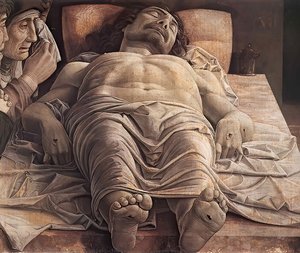
- Obras notables: incluyen "El lamento sobre el Cristo muerto" y "San Jorge".
- Museos que exhiben su obra: la Galería Nacional de Londres y la Pinacoteca Brera en Milán, entre otros.
lectura adicional y exploración
* Para más información sobre la vida y las obras de Mantegna, consulte la colección Palumbo-Fossati (Venecia, Italia), que presenta una breve reseña de la colección y sus piezas notables. * Explore la historia del arte en Italia con la cultura de Italia en Wikipedia.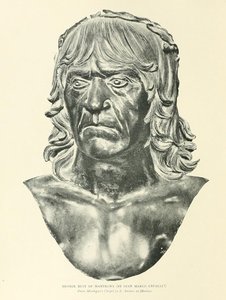
Andrea Mantegna
1431 - 1506 , Italia
Datos clave
- Artistas Influenciados:
- Rafael
- Miguel Ángel
- Artistas Que Influyeron:
- Donatello
- Jacopo Bellini
- Fecha De Muerte: 1506
- Fecha De Nacimiento: 1431
- Lugar De Nacimiento: Carturo, Italia
- Movimiento Artístico: Renacimiento Temprano
- Nacionalidad: Italiana
- Nombre Completo: Andrea Mantegna
- Obras Notables:
- El Lamento sobre el Cristo muerto
- San Jorge y el dragón
- Camera degli Sposi
- Los Triunfos de César
Artículos relacionados
Rafael: Las 25 Obras Maestras que Definen al Genio del Renacimiento | ArtsDot
Descubre las 25 obras maestras de Rafael Sanzio, el genio del Renacimiento. Explora su historia, técnica y significado en pinturas icónicas como 'La Escuela de Atenas'. Reproducciones de arte de alta calidad para decorar tu hogar con elegancia. ¡Explora la colección completa en ArtsDot.com!

Fra Angelico: Las 25 Obras Maestras del Renacimiento para Decorar con Arte y Fe
Descubre las 25 obras maestras de Fra Angelico, el pintor renacentista que llenó el arte sacro de luz y fe. Explora su técnica, simbolismo y belleza en frescos e iconos. Encuentra reproducciones de alta calidad para decorar tu hogar con ArtsDot.com.
Jacob Henricus Maris: A Master of Dutch Atmospheric Realism & the Intimate Landscape
Explore the captivating world of Jacob Henricus Maris, a leading figure of the Dutch Hague School. Discover his atmospheric landscapes, signature brushstrokes & lasting influence on 19th-century art. Learn more at ArtsDot.
Los 25 Tesoros del Uffizi: Arte Renacentista para tu Hogar | ArtsDot
Descubre los 25 tesoros del Uffizi en Florencia: Botticelli, Leonardo da Vinci y más. Explora la historia, el arte renacentista y encuentra reproducciones de alta calidad para tu hogar. ¡Inspírate con ArtsDot.com!
El Greco: Las 25 Obras Maestras que Definen un Genio del Arte y la Fe
Descubre las 25 obras maestras de El Greco, el genio del Renacimiento español. Explora su arte religioso, manierismo y la historia detrás de cuadros icónicos como 'El Entierro del Conde de Orgaz'. Encuentra reproducciones de alta calidad en ArtsDot.com.