

 Enviar
 Compartir
 Detalles

 Descargar
 Similares
 Presentación de diapositivas
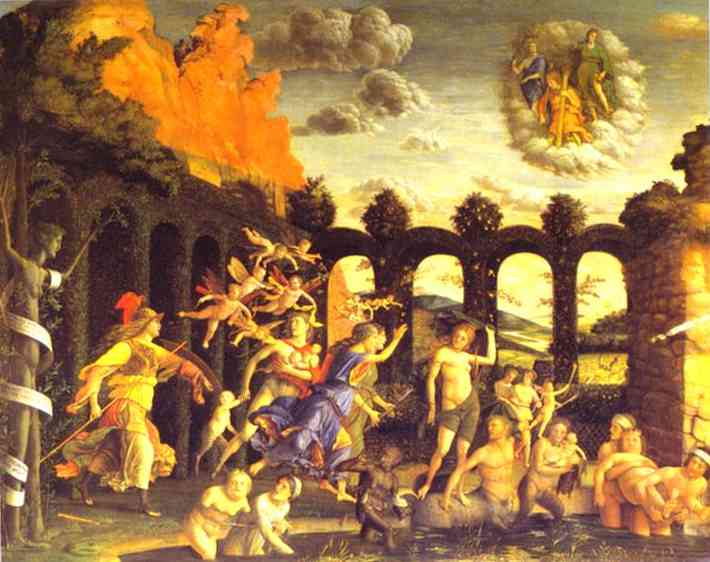
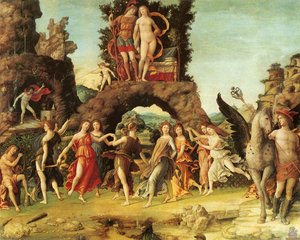
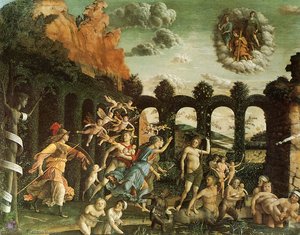
Minerva Chases the Vices from the Garden of Virtue


 Ver más
Adquiera una imagen digital de alta resolución y optimizada, muy superior a la vista previa en línea.
Cada archivo es preparado meticulosamente por nuestros especialistas internos mediante el uso de herramientas avanzadas y un experto retoque manual. Nos aseguramos de que cada imagen posea una claridad excepcional, una precisión cromática impecable y un detalle minucioso.
El archivo final se entrega por correo electrónico en un plazo de 72 horas, optimizado para su uso inmediato en entornos profesionales, editoriales y de impresión. Esta es la misma calidad en la que confían los estudios de diseño, las editoriales y las galerías de primer nivel.
Imagen Digital
Descarga un archivo de alta resolución para exhibición personal, impresión y proyectos creativos. ( Comprar impresión Comprar pintura hecha a mano)
Incluido en cada pedido de imágenes digitales
Entrega digital experta, garantizada.
Al elegir ArtsDot.com, no solo está adquiriendo una imagen; está recibiendo una obra de arte digital mejorada profesionalmente, elaborada con precisión y respaldada por una garantía de satisfacción. Esto es todo lo que incluye su pedido, automáticamente:

Entrega rápida por email
Recibirá su archivo de imagen digital en alta resolución por correo electrónico en un plazo de 72 horas tras realizar su pedido, listo para su uso inmediato.

Archivo digital optimizado por IA
Su obra de arte se optimiza profesionalmente mediante herramientas avanzadas de IA y edición manual, garantizando el máximo detalle, claridad y precisión cromática.

Reenvío gratuito de por vida
¿Has borrado o perdido tu archivo por error? No te preocupes: te lo volveremos a enviar en cualquier momento, sin coste adicional.

Sin gastos de importación, siempre
Disfrute de su obra de arte al instante sin aduanas, aranceles ni gastos de envío; las descargas digitales siempre están libres de impuestos.

Garantía de fidelidad de color
Garantizamos que su imagen digital refleje los colores originales con la mayor fidelidad posible, mediante el uso de herramientas profesionales y gestión del color.

Garantía de satisfacción de 60 días
Si no está satisfecho con su imagen digital, la revisaremos o le reembolsaremos el 100% en un plazo de 60 días, sin preguntas.

100% Garantía de devolución de dinero
¿No está satisfecho? Obtenga un reembolso completo dentro de los 60 días posteriores a la recepción de su archivo digital, sin necesidad de explicaciones.

Descuentos por pedidos grandes
Compra 3 imágenes, ahorra 10% - Compra 5, ahorra 15% - Compra 10+, ahorra 20%. Ideal para proyectos creativos, galerías y agencias.
A Celestial Battle of Morality
In the grand tapestry of the Italian Renaissance, few works capture the dramatic tension between light and shadow, virtue and vice, as poignantly as Andrea Mantegna’s Minerva Chases the Vices from the Garden of Virtue. This masterpiece is not merely a painting; it is a profound moral allegory that breathes life into the classical ideals of antiquity. The scene unfolds with an arresting sense of motion, as the Roman goddess Minerva—the embodiment of wisdom and strategic intellect—sweeps through a lush, symbolic landscape. She is on a divine mission to purge the Garden of Virtue of its corrupting influences, driving away grotesque and unsettling figures that represent the various vices of humanity. As the viewer’s eye wanders through the composition, they encounter a dynamic procession where the grace of the virtuous clashes with the chaotic energy of the fallen, creating a visual narrative that is as much a sermon as it is a spectacle.
The emotional impact of the work lies in its ability to evoke both the serenity of order and the visceral discomfort of chaos. One can almost feel the frantic movement of the figures running through the greenery, the suddenness of Minerva’s intervention, and the palpable tension held within the landscape. For the discerning collector or interior designer, this piece offers a sophisticated focal point that commands attention, inviting deep contemplation on the eternal struggle for self-mastery and ethical clarity.
The Mastery of Sculptural Realism
Mantegna’s technique in this work reveals his unparalleled obsession with the archaeological grandeur of ancient Rome. Eschewing the soft, blurred edges found in much of the period's art, Mantegna employs a deliberate, almost metallic precision. His style is characterized by a remarkable sculptural quality; the figures possess a weight and presence that suggest they were carved from marble rather than rendered in pigment. Through the masterful use of linear perspective, he creates an architectural illusion that draws the observer into a deep, believable space, making the garden feel like an extension of our own world.
<The artist’s approach to light and texture is equally extraordinary. Rather than relying solely on traditional chiaroscuro to create volume, Mantegna uses meticulous modeling and careful layering of pigments to achieve a sense of palpable surface. Every element—from the sharp edge of a sword to the delicate feathers of a bird or the weathered texture of a stone—is rendered with an exacting clarity. This precision does not merely showcase technical skill; it reinforces the painting's underlying theme of truth and clarity, mirroring the clarity of mind that Minerva represents.
A Legacy of Humanist Splendor
To understand this painting is to step into the intellectual heart of the late 15th century. Created during a period of fervent humanist revival, the work reflects the deep connection between art and the burgeoning classical scholarship of the era. Commissioned for the private studiolo of the influential Isabella d'Este, the painting served as a visual manifestation of the patron's sophisticated taste and dedication to moral excellence. The symbolism is dense and layered: the presence of animals, specific objects like books and bowls, and the very arrangement of the flora all serve as emblems of a well-ordered soul.
For those looking to bring a piece of history into a contemporary space, a high-quality reproduction of this work offers more than just decoration. It provides an infusion of Renaissance intellect and classical beauty. Whether placed in a grand library, a formal dining room, or a curated gallery space, Mantegna’s triumph serves as a timeless reminder of the enduring power of wisdom to overcome the shadows of human frailty, making it an incomparable treasure for any serious art enthusiast.
Obras relacionadas
Biografía del artista
vida temprana y carrera
Andrea Mantegna, un innovador pintor e estudioso de la arqueología romana italiano, nació en Italia en 1431. Su vida está marcada por una desviación significativa de las formas suaves de su tiempo, favoreciendo un tratamiento audaz y voluminoso del espacio y la forma.contribución a la perspectiva
La obra de Mantegna fue fundamental para explorar la perspectiva, utilizando técnicas como ajustar la línea del horizonte para impartir una escala más grandiosa y gravedad a sus obras. Este enfoque marcó una desviación significativa de las formas suaves de su tiempo, mostrando su estilo único.obras notables y asociaciones
* Las pinturas de Mantegna son reconocidas por su calidad robusta y escultórica, exhibiendo paisajes y figuras duras y reflectantes que revelan su sensibilidad como escultor a la forma y la textura. * Su asociación con la familia Bellini a través del matrimonio es notable, ya que refleja la interconexión de las familias artísticas durante el Renacimiento.legado en la historia del arte
La influencia de Mantegna en el desarrollo del arte en Italia y más allá es innegable. Su enfoque audaz de la perspectiva y la forma ha inspirado a generaciones de artistas. Como se ve en su colección en ArtsDot, sus obras continúan cautivando al público con su grandeza e innovación.- Movimientos artísticos clave: Renacimiento, perspectiva temprana.
- Obras notables: incluyen "El lamento sobre el Cristo muerto" y "San Jorge".
- Museos que exhiben su obra: la Galería Nacional de Londres y la Pinacoteca Brera en Milán, entre otros.
lectura adicional y exploración
* Para más información sobre la vida y las obras de Mantegna, consulte la colección Palumbo-Fossati (Venecia, Italia), que presenta una breve reseña de la colección y sus piezas notables. * Explore la historia del arte en Italia con la cultura de Italia en Wikipedia.
Andrea Mantegna
1431 - 1506 , Italia
Breves datos
- Artistas Influenciados:
- Rafael
- Miguel Ángel
- Artistas Que Influyeron:
- Donatello
- Jacopo Bellini
- Fecha De Muerte: 1506
- Fecha De Nacimiento: 1431
- Lugar De Nacimiento: Carturo, Italia
- Movimiento Artístico: Renacimiento Temprano
- Nacionalidad: Italiana
- Nombre Completo: Andrea Mantegna
- Obras Notables:
- El Lamento sobre el Cristo muerto
- San Jorge y el dragón
- Camera degli Sposi
- Los Triunfos de César

