 Ver en contexto
 Enviar
 Compartir
 Detalles

 Descargar
 Similares
 Radiografía
 Presentación de diapositivas
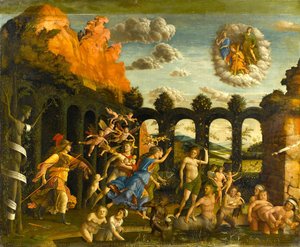
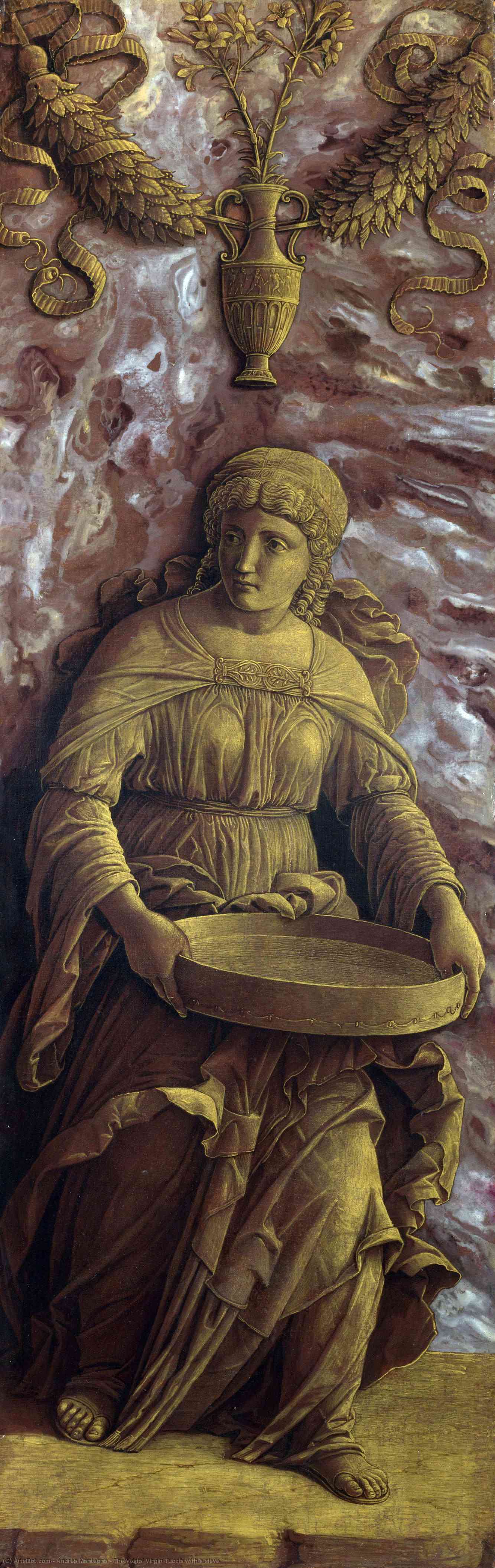
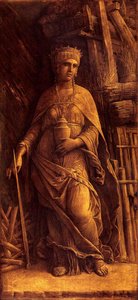
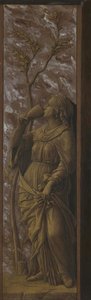
The Vestal Virgin Tuccia with a sieve

 Ver más
Reproducción al óleo hecha a mano
Óleo sobre lienzo pintado a mano en el tamaño y marco de su elección, realizado por encargo por nuestros artistas. ( Comprar impresión Comprar imagen)




P118B $10

P118H $10

P118W $10

P438Z $10

P508JH $12

P508YH $12

P805H $10

P805Z $10

P919BZ $10

P919G $10

P919XJ $10

P959ZH $10

P968JZ $12

W106C $8

W218G $10

W218JH $8

W218Y $10

W307PJ $10

W316G $10

W316PJ $8

W316Y $10

W398PJ $8

W4111J $10

W500HY $15

W500JH $15

W692G $12

W849H $8

W940BG $15

W953PJ $8




Elija entre nuestros tamaños predefinidos que respetan las proporciones originales de la obra.

Puede ingresar sus propias dimensiones para adaptarse a un marco o espacio específico. Si el tamaño seleccionado no coincide con las proporciones de la imagen original, recortaremos la obra o extenderemos la pintura con elementos adicionales pintados a mano. Se le enviará una maqueta digital para su aprobación antes de comenzar la producción.
Tenga en cuenta que la vista previa en pantalla no refleja el recorte o la extensión reales. Solo la maqueta mostrará con precisión la composición final.
Si bien existen tamaños personalizados, recomendamos seleccionar una dimensión de la lista predefinida para preservar las proporciones originales.
Tras realizar el pedido, el equipo de ArtsDot.com enviará un correo electrónico al cliente para solicitar instrucciones y proporcionarle una vista previa del boceto.
Envío a todo el mundo () en 3-4 semanas en lugar de las 5 semanas estándar. (25 agosto). Sin comprometer la calidad.

Envío exprés gratuito a todo el mundo

Lienzo de lino de alta calidad

Seguro de envío total

Garantía de reembolso de impuestos aduaneros

Garantía de fidelidad cromática exacta

Política de devolución de 60 días (solo por defectos)

Garantía de devolución del 100% del dinero

Descuento por cantidad
 La opción de vidrio solo está disponible en tamaños inferiores a 110 cm.

The Vestal Virgin Tuccia with a sieve
Técnica de reproducción
Dimensiones de la reproducción
-


Precio total final
$ 263
Descripción de la obra
Andrea Mantegna’s Exemplary Women of Antiquity: A Sculptural Echo of Classical Ideals
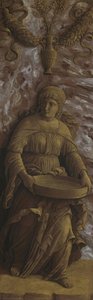
The quartet of paintings known as *Exemplary Women of Antiquity*, created by Andrea Mantegna between 1495 and 1500, stands as a testament to the artist's unwavering devotion to the principles of classical art – specifically, sculptural illusion. These two small canvases, housed in the National Gallery London and Montreal Museum of Fine Arts respectively, are not merely depictions; they’re meticulously crafted simulations of marble reliefs, reflecting Mantegna’s profound admiration for Roman sculpture and his ambition to elevate Renaissance painting beyond mere representation. Unlike many artists of his era who adopted classical motifs superficially, Mantegna undertook a painstaking process of archaeological study, mirroring the fervor exhibited by Francesco Squarcione, his mentor at Padua, whose workshop functioned as an academy dedicated to reconstructing the grandeur of antiquity. This singular focus resulted in artworks imbued with palpable depth and dynamism—a stylistic hallmark that distinguishes Mantegna from his contemporaries.- Subject Matter: The paintings portray two celebrated figures from Greco-Roman history: Sophonisba, Queen of Carthaginians who bravely defied Roman authority by consuming poison rather than submitting to humiliation, and Tuccia, the Vestal Virgin who demonstrated her piety by carrying water in a sieve—a symbolic gesture designed to prove her virginity. Alongside these women are Judith and Dido, representing courage and resilience respectively.
- Style & Technique: Mantegna’s masterful technique is characterized by *grisaille*, a monochrome painting style that mimics the appearance of marble. He achieved this illusion through painstaking layering of thin glazes—a method perfected during his formative years under Squarcione—creating an astonishingly realistic surface texture that captures the subtle nuances of stone. The artist skillfully employed perspective, subtly flattening the background to create a convincing illusion of depth and reinforcing the sculptural effect.
- Historical Context: Produced during the High Renaissance, these paintings exemplify the prevailing artistic sensibilities of the period. Mantegna’s patrons—particularly Isabella d'Este Gonzaga—were deeply invested in reviving classical ideals, recognizing their capacity to inspire civic virtue and intellectual contemplation. The artwork reflects a broader cultural preoccupation with antiquity, fueled by ongoing archaeological discoveries that illuminated the glories of Rome and its legacy on Western civilization.
- Symbolism: Each woman embodies specific virtues deemed essential for noblewomen—strength, courage, piety, and unwavering devotion to duty. The sieve itself symbolizes purity and resilience, mirroring Tuccia’s audacious act of defiance against Roman power. The inclusion of birds – one perched atop the left panel and another in the center right – adds a layer of symbolic richness, representing freedom and aspiration.
- Emotional Impact: Mantegna's compositions evoke a sense of solemn grandeur and contemplative beauty. The muted palette—primarily shades of grey—underscores the seriousness of the subject matter, inviting viewers to engage with themes of honor, sacrifice, and moral fortitude. These paintings transcend mere visual representation; they aspire to convey profound psychological insight into the human condition.
Provenance & Acquisition
The *Exemplary Women of Antiquity* were initially acquired by John Taylor in 1912 following a Christie’s auction, where they commanded considerable interest among collectors. Subsequently, they entered the collections of the National Gallery London and Montreal Museum of Fine Arts, cementing their place as iconic masterpieces of Renaissance art. Their journey through history underscores the enduring appeal of Mantegna's artistic vision—a vision rooted in classical ideals yet powerfully expressive of humanist values.Reproductions & Decorative Applications
A high-quality reproduction of *Exemplary Women of Antiquity* can transform any interior space, bringing forth a sense of timeless elegance and intellectual stimulation. Consider framing it with a simple wooden frame—perhaps in a warm oak hue—to complement the artwork’s subdued palette and enhance its sculptural illusion. Alternatively, explore larger scale prints for prominent display areas, allowing visitors to appreciate Mantegna's masterful technique and profound artistic sensibility.Obras relacionadas


Biografía del artista
vida temprana y carrera
Andrea Mantegna, un innovador pintor e estudioso de la arqueología romana italiano, nació en Italia en 1431. Su vida está marcada por una desviación significativa de las formas suaves de su tiempo, favoreciendo un tratamiento audaz y voluminoso del espacio y la forma.contribución a la perspectiva
La obra de Mantegna fue fundamental para explorar la perspectiva, utilizando técnicas como ajustar la línea del horizonte para impartir una escala más grandiosa y gravedad a sus obras. Este enfoque marcó una desviación significativa de las formas suaves de su tiempo, mostrando su estilo único.obras notables y asociaciones
* Las pinturas de Mantegna son reconocidas por su calidad robusta y escultórica, exhibiendo paisajes y figuras duras y reflectantes que revelan su sensibilidad como escultor a la forma y la textura. * Su asociación con la familia Bellini a través del matrimonio es notable, ya que refleja la interconexión de las familias artísticas durante el Renacimiento.legado en la historia del arte
La influencia de Mantegna en el desarrollo del arte en Italia y más allá es innegable. Su enfoque audaz de la perspectiva y la forma ha inspirado a generaciones de artistas. Como se ve en su colección en ArtsDot, sus obras continúan cautivando al público con su grandeza e innovación.- Movimientos artísticos clave: Renacimiento, perspectiva temprana.
- Obras notables: incluyen "El lamento sobre el Cristo muerto" y "San Jorge".
- Museos que exhiben su obra: la Galería Nacional de Londres y la Pinacoteca Brera en Milán, entre otros.
lectura adicional y exploración
* Para más información sobre la vida y las obras de Mantegna, consulte la colección Palumbo-Fossati (Venecia, Italia), que presenta una breve reseña de la colección y sus piezas notables. * Explore la historia del arte en Italia con la cultura de Italia en Wikipedia.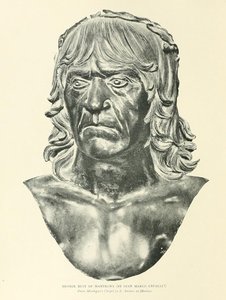
Andrea Mantegna
1431 - 1506 , Italia
Datos clave
- Artistas Influenciados:
- Rafael
- Miguel Ángel
- Artistas Que Influyeron:
- Donatello
- Jacopo Bellini
- Fecha De Muerte: 1506
- Fecha De Nacimiento: 1431
- Lugar De Nacimiento: Carturo, Italia
- Movimiento Artístico: Renacimiento Temprano
- Nacionalidad: Italiana
- Nombre Completo: Andrea Mantegna
- Obras Notables:
- El Lamento sobre el Cristo muerto
- San Jorge y el dragón
- Camera degli Sposi
- Los Triunfos de César
Artículos relacionados

Giclée Prints: Archival Quality & Aesthetic Nuances for the Discerning Collector
Explore the world of giclée prints with ArtsDot. Learn about archival quality, aesthetic nuances & investment potential. Expert guidance for discerning art collectors seeking museum-quality reproductions and lasting value.

The Enduring Legacy of Fine Art Prints: Technique, History & Aesthetic Impact
Explore the rich history & techniques of fine art prints. Discover investment potential, assess authenticity, and learn how to preserve your collection with expert guidance. Trusted insights for discerning collectors.
Los 10 Maestros del Neoclasicismo: Obras que Definieron una Era |
Descubre los 10 imprescindibles del Neoclasicismo con . Obras de David, Ingres y Canova que marcaron una era. Historia, técnica y significado de cada pieza. Encuentra reproducciones de arte de museo en

Echoes of Time: Exploring the Enduring Appeal & Historical Context of Vintage Art Prints
Explore the captivating world of vintage art prints! Discover their history, collecting tips & enduring appeal. Expert insights on chromolithography and building a legacy collection with ArtsDot.
The Enduring Legacy of Printmaking: Techniques, Themes & Artistic Innovation Across Centuries
Explore the rich history of printmaking with ArtsDot. Discover techniques from intaglio to lithography, learn about collecting valuable prints & find museum-quality reproductions. Expert insights for art enthusiasts and collectors.