 Vista previa
 Compartir
 Compartir
 Ver detalles

 Descargar
 Ver similares
 Radiografía
 Presentación de diapositivas
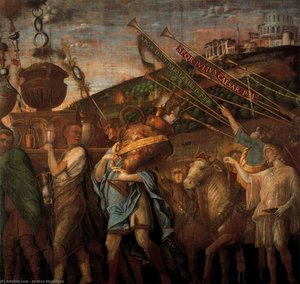
Triumphs of Caesar 4


 Leer más
Reproducción al óleo hecha a mano
Óleo sobre lienzo pintado a mano en el tamaño y marco de su elección, realizado por encargo por nuestros artistas. ( Pedir impresión Comprar descarga)




P118B $10

P118H $10

P118W $10

P438Z $10

P508JH $12

P508YH $12

P805H $10

P805Z $10

P919BZ $10

P919G $10

P919XJ $10

P959ZH $10

P968JZ $12

W106C $8

W218G $10

W218JH $8

W218Y $10

W307PJ $10

W316G $10

W316PJ $8

W316Y $10

W398PJ $8

W4111J $10

W500HY $15

W500JH $15

W692G $12

W849H $8

W940BG $15

W953PJ $8




Elija entre nuestros tamaños predefinidos que respetan las proporciones originales de la obra.

Puede ingresar sus propias dimensiones para adaptarse a un marco o espacio específico. Si el tamaño seleccionado no coincide con las proporciones de la imagen original, recortaremos la obra o extenderemos la pintura con elementos adicionales pintados a mano. Se le enviará una maqueta digital para su aprobación antes de comenzar la producción.
Tenga en cuenta que la vista previa en pantalla no refleja el recorte o la extensión reales. Solo la maqueta mostrará con precisión la composición final.
Si bien existen tamaños personalizados, recomendamos seleccionar una dimensión de la lista predefinida para preservar las proporciones originales.
Tras realizar el pedido, el equipo de ArtsDot.com enviará un correo electrónico al cliente para solicitar instrucciones y proporcionarle una vista previa del boceto.
Envío a todo el mundo () en 3-4 semanas en lugar de las 5 semanas estándar. (22 agosto). Sin comprometer la calidad.

Envío exprés gratuito a todo el mundo

Lienzo de lino de alta calidad

Seguro de envío completo

Garantía de reembolso de aranceles aduaneros

Garantía de fidelidad cromática exacta

Política de devolución de 60 días (solo por defectos)

Garantía de devolución del 100% del dinero

Oferta por volumen
 La opción de vidrio solo está disponible en tamaños inferiores a 110 cm.

Triumphs of Caesar 4
Técnica de reproducción
Tamaño de la reproducción
-


Precio total
$ 263
Descripción de la obra
A Grand Procession Through Time
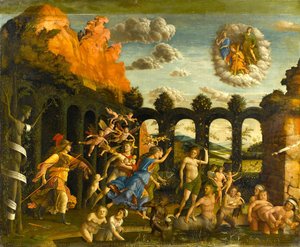
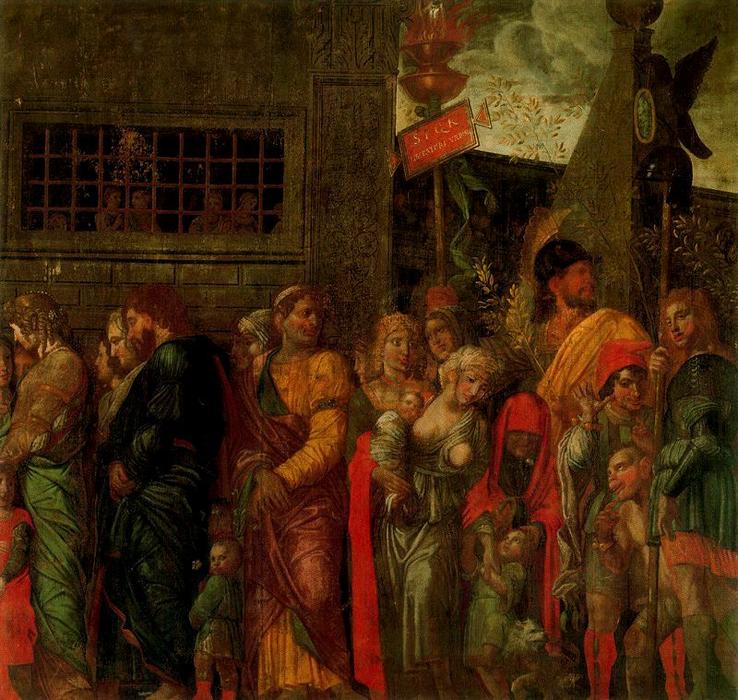
In the heart of the Italian Renaissance, few works capture the sheer magnitude of imperial glory as profoundly as Andrea Mantegna’s Triumphs of Caesar 4. This masterpiece is not merely a depiction of a historical event; it is an immersive window into the soul of ancient Rome, resurrected through the meticulous brushstrokes of a master obsessed with antiquity. As part of a monumental series celebrating Julius Caesar's victories, this specific scene invites viewers to step into a world of rhythmic movement and ceremonial splendor. The canvas vibrates with the energy of a triumphal parade, where the weight of history is felt in every figure and every vessel. Through Mantegna’s eyes, we witness the convergence of military triumph and cultural opulence, making it an ideal centerpiece for any collection that seeks to evoke a sense of timeless prestige and intellectual depth.
The composition is a masterclass in linear perspective and sculptural realism. Mantegna, having been trained amidst the archaeological wonders of his youth, treats the canvas as if he were carving marble rather than applying tempera. The scene unfolds with a breathtaking sense of depth, guiding the eye through a crowded, yet harmoniously organized, procession. We see bearers of precious vases and containers overflowing with coins, their movements suggesting the heavy, rhythmic pulse of a marching army. A young man, rendered with a graceful, almost ethereal stance, leads an ox, his blond curls and delicate features providing a soft, human counterpoint to the rigid, metallic splendor of the Roman spoils. This interplay between the rugged reality of war and the refined beauty of the captured treasures creates a visual tension that keeps the observer perpetually engaged.
The Artistry of Archaeological Precision
What sets this work apart for the discerning collector is Mantegna’s unwavering commitment to accuracy. Every element, from the SPQR inscriptions on the banners to the intricate textures of the bronze and gold vessels, speaks to a profound respect for historical truth. The technique employed—a delicate application of tempera that lends a subtle, luminous sheen to the surface—allows the light to dance across the simulated textures of stone, cloth, and metal. For interior designers, this painting offers an unparalleled ability to anchor a room with a sense of "monumental echo." It possesses a unique capacity to transform a contemporary space into a gallery of classical thought, providing a sophisticated focal point that commands attention without overwhelming the surrounding decor.
Beyond its technical brilliance, the emotional impact of Triumphs of Caesar 4 lies in its ability to evoke nostalgia for a lost era of grandeur. There is a palpable sense of drama in the way the figures are positioned—some pressing forward with purpose, others lingering in the periphery—creating a narrative that feels alive and breathing. To possess a reproduction of this work is to hold a fragment of the Renaissance spirit; it is an invitation to contemplate the cycles of power, the beauty of human achievement, and the enduring legacy of the Roman Empire. Whether placed in a sunlit study or a formal dining hall, this painting serves as a profound statement of culture, taste, and an appreciation for the eternal.
Obras relacionadas
Biografía del artista
vida temprana y carrera
Andrea Mantegna, un innovador pintor e estudioso de la arqueología romana italiano, nació en Italia en 1431. Su vida está marcada por una desviación significativa de las formas suaves de su tiempo, favoreciendo un tratamiento audaz y voluminoso del espacio y la forma.contribución a la perspectiva
La obra de Mantegna fue fundamental para explorar la perspectiva, utilizando técnicas como ajustar la línea del horizonte para impartir una escala más grandiosa y gravedad a sus obras. Este enfoque marcó una desviación significativa de las formas suaves de su tiempo, mostrando su estilo único.obras notables y asociaciones
* Las pinturas de Mantegna son reconocidas por su calidad robusta y escultórica, exhibiendo paisajes y figuras duras y reflectantes que revelan su sensibilidad como escultor a la forma y la textura. * Su asociación con la familia Bellini a través del matrimonio es notable, ya que refleja la interconexión de las familias artísticas durante el Renacimiento.legado en la historia del arte
La influencia de Mantegna en el desarrollo del arte en Italia y más allá es innegable. Su enfoque audaz de la perspectiva y la forma ha inspirado a generaciones de artistas. Como se ve en su colección en ArtsDot, sus obras continúan cautivando al público con su grandeza e innovación.- Movimientos artísticos clave: Renacimiento, perspectiva temprana.
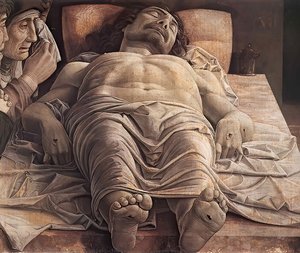
- Obras notables: incluyen "El lamento sobre el Cristo muerto" y "San Jorge".
- Museos que exhiben su obra: la Galería Nacional de Londres y la Pinacoteca Brera en Milán, entre otros.
lectura adicional y exploración
* Para más información sobre la vida y las obras de Mantegna, consulte la colección Palumbo-Fossati (Venecia, Italia), que presenta una breve reseña de la colección y sus piezas notables. * Explore la historia del arte en Italia con la cultura de Italia en Wikipedia.
Andrea Mantegna
1431 - 1506 , Italia
Datos clave
- Artistas Influenciados:
- Rafael
- Miguel Ángel
- Artistas Que Influyeron:
- Donatello
- Jacopo Bellini
- Fecha De Muerte: 1506
- Fecha De Nacimiento: 1431
- Lugar De Nacimiento: Carturo, Italia
- Movimiento Artístico: Renacimiento Temprano
- Nacionalidad: Italiana
- Nombre Completo: Andrea Mantegna
- Obras Notables:
- El Lamento sobre el Cristo muerto
- San Jorge y el dragón
- Camera degli Sposi
- Los Triunfos de César
Artículos relacionados

Esculturas de Bronce Legendarias: 10 Obras Maestras que Transformaron el Arte | ArtsDot
Descubre las 10 esculturas de bronce más legendarias que revolucionaron el arte. Explora la historia de Rodin, Degas y otros maestros del bronce. Encuentra reproducciones de alta calidad e inspiración para tu hogar en ArtsDot.com.

Legado en las Paredes: Frescos Familiares que Trascienden el Tiempo
Descubre el arte del fresco muralístico para inmortalizar tu historia familiar. Expertos en frescos personalizados y técnicas ancestrales. Crea un legado visual único con .

The Enduring Form: Exploring Themes & Techniques in Sculpture Across Historical Periods
Explore the rich history of sculpture from ancient masterpieces to contemporary innovations. Discover key techniques, influential artists & investment potential for discerning art collectors.

The Enduring Legacy of Fresco Painting: Techniques, History & Contemporary Relevance
Explore the rich history & enduring artistry of fresco painting – from Giotto to Michelangelo! Discover techniques, conservation efforts, & modern applications. Learn how ArtsDot brings this timeless art form to your home.

Las 10 Obras Maestras de Bronce que Revolucionaron la Historia del Arte | ArtsDot
Descubre las 10 esculturas de bronce más influyentes de la historia del arte. Explora obras maestras de Rodin, Degas y otros genios. Encuentra reproducciones de arte de calidad museo en ArtsDot.com.