

 Ver en contexto
 Enviar
 Compartir
 Detalles

 Descargar
 Similares
 Radiografía
 Presentación de diapositivas
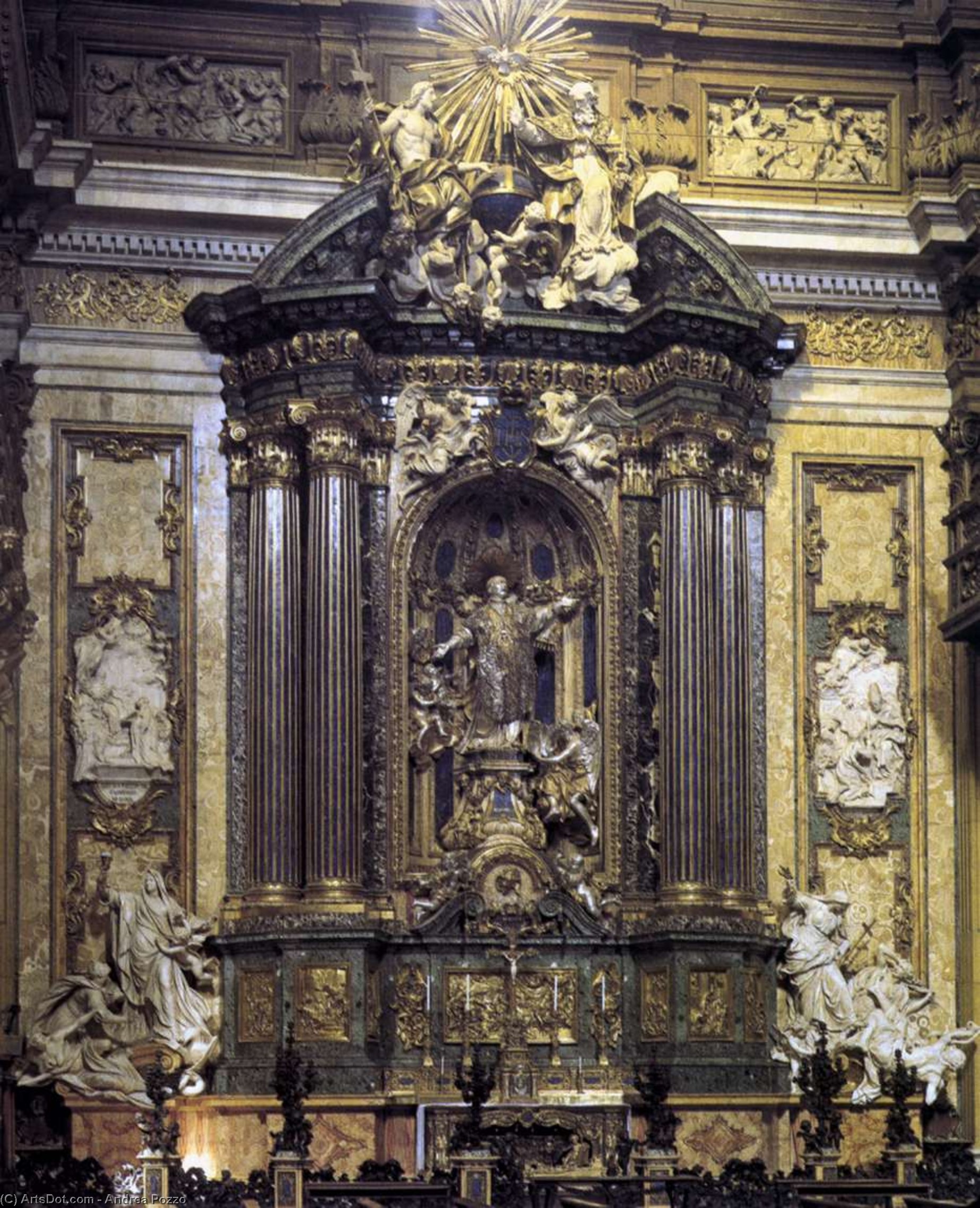
Altar of St Ignatius Loyola


 Ver más
Adquiera una imagen digital de alta resolución y optimizada, muy superior a la vista previa en línea.
Cada archivo es preparado meticulosamente por nuestros especialistas internos mediante el uso de herramientas avanzadas y un experto retoque manual. Nos aseguramos de que cada imagen posea una claridad excepcional, una precisión cromática impecable y un detalle minucioso.
El archivo final se entrega por correo electrónico en un plazo de 72 horas, optimizado para su uso inmediato en entornos profesionales, editoriales y de impresión. Esta es la misma calidad en la que confían los estudios de diseño, las editoriales y las galerías de primer nivel.
Imagen Digital
Descarga un archivo de alta resolución para exhibición personal, impresión y proyectos creativos. ( Comprar impresión Comprar pintura hecha a mano)
Incluido en cada pedido de imágenes digitales
Entrega digital experta, garantizada.
Al elegir ArtsDot.com, no solo está adquiriendo una imagen; está recibiendo una obra de arte digital mejorada profesionalmente, elaborada con precisión y respaldada por una garantía de satisfacción. Esto es todo lo que incluye su pedido, automáticamente:

Entrega rápida por email
Recibirá su archivo de imagen digital en alta resolución por correo electrónico en un plazo de 72 horas tras realizar su pedido, listo para su uso inmediato.

Archivo digital optimizado por IA
Su obra de arte se optimiza profesionalmente mediante herramientas avanzadas de IA y edición manual, garantizando el máximo detalle, claridad y precisión cromática.

Reenvío gratuito de por vida
¿Has borrado o perdido tu archivo por error? No te preocupes: te lo volveremos a enviar en cualquier momento, sin coste adicional.

Sin gastos de importación, siempre
Disfrute de su obra de arte al instante sin aduanas, aranceles ni gastos de envío; las descargas digitales siempre están libres de impuestos.

Garantía de fidelidad de color
Garantizamos que su imagen digital refleje los colores originales con la mayor fidelidad posible, mediante el uso de herramientas profesionales y gestión del color.

Garantía de satisfacción de 60 días
Si no está satisfecho con su imagen digital, la revisaremos o le reembolsaremos el 100% en un plazo de 60 días, sin preguntas.

100% Garantía de devolución de dinero
¿No está satisfecho? Obtenga un reembolso completo dentro de los 60 días posteriores a la recepción de su archivo digital, sin necesidad de explicaciones.

Descuentos por pedidos grandes
Compra 3 imágenes, ahorra 10% - Compra 5, ahorra 15% - Compra 10+, ahorra 20%. Ideal para proyectos creativos, galerías y agencias.
Descripción del coleccionable
A Symphony of Illusion and Faith: The Altar of St Ignatius Loyola
Within the heart of Rome’s Il Gesù church lies a work that transcends mere decoration, becoming instead a profound meditation on faith, perspective, and the very nature of reality – the Altar of St Ignatius Loyola. Completed in 1695 by the masterful Andrea Pozzo, this monumental piece isn't simply an altar; it’s a meticulously crafted stage for divine narrative, a testament to the Baroque era’s obsession with theatricality and illusion. Pozzo, a Jesuit lay brother renowned for his innovative use of quadratura – ‘painted architecture’ – didn’t merely paint on a surface; he created the *impression* of depth, volume, and an entire architectural space that exists only within the confines of the frescoed ceiling.
The altar itself is a study in opulent detail. Crafted from Carrara marble, it's adorned with intricate carvings depicting scenes from the life of St. Ignatius, the founder of the Jesuit order. The central relief sculpture, portraying his martyrdom, commands attention with its dramatic pose and the palpable sense of suffering. Surrounding this focal point are a multitude of angels and cherubs, rendered in exquisite detail, each contributing to the overall narrative tapestry. The use of gold leaf – liberally applied throughout – amplifies the altar’s grandeur, reflecting light and drawing the eye towards its central elements.
The Art of Quadratura: Creating an Illusion of Space
Pozzo's genius lies in his mastery of quadratura, a technique perfected by Italian Renaissance artists but elevated to breathtaking heights by him. He didn’t simply paint a flat ceiling; he painted the *illusion* of a vast, vaulted space above – a space that appears to extend infinitely beyond the confines of the church. This is achieved through a complex interplay of perspective, foreshortening, and architectural detail. The fresco depicts a celestial realm, complete with columns, arches, and windows, all seamlessly integrated into the painted ceiling. Looking closely, one can discern subtle cues – a slightly skewed angle here, a vanishing point cleverly concealed there – that reveal the artistry behind this astonishing illusion.
The effect is profoundly immersive. The viewer feels as though they are standing beneath a genuine dome, bathed in ethereal light. Pozzo’s skill wasn't just technical; it was deeply spiritual. He sought to transport the worshipper into a realm of divine beauty and contemplation, using art as a conduit for faith.
Historical Context: The Jesuit Church and Baroque Grandeur
The Altar of St Ignatius Loyola is inextricably linked to the rise of the Jesuits in 17th-century Rome. The Society of Jesus was instrumental in shaping the artistic landscape of the city, commissioning grand churches and lavish interiors designed to inspire awe and devotion. The Il Gesù church itself, built between 1646 and 1668, became a showcase for Baroque innovation, and Pozzo’s altar served as its crowning achievement. The Baroque style, characterized by dramatic lighting, dynamic movement, and elaborate ornamentation, was intended to evoke strong emotions in the viewer – a desire for religious experience and a sense of connection with the divine.
Furthermore, the commission itself reflects the Jesuit emphasis on education and intellectual pursuits. The intricate details of the altar’s design, combined with its illusionistic perspective, demonstrate a sophisticated understanding of mathematics, geometry, and optics – fields that were central to the Jesuits' commitment to knowledge and reason.
Symbolism and Emotional Impact
Beyond its technical brilliance, the Altar of St Ignatius Loyola is rich in symbolism. The depiction of St. Ignatius’ martyrdom represents sacrifice, faith, and the enduring power of spiritual conviction. The angels and cherubs surrounding the central figure symbolize divine grace and protection. The overall composition evokes a sense of reverence, awe, and profound emotional connection – inviting viewers to contemplate the mysteries of faith and the transformative potential of art.
Today, the Altar remains a breathtaking example of Baroque artistry, a testament to Andrea Pozzo’s genius and the enduring power of illusion. It is more than just an altar; it's a window into a bygone era, offering a glimpse into the spiritual heart of Rome and the extraordinary vision of its most influential artists.
Obras relacionadas

Biografía del artista
Primeros Años y Formación
- Nacido: Trento, Italia (1642)
- Fallecido: 1709
- La vida temprana de Pozzo se caracterizó por inclinaciones artísticas. Estudió humanidades en la escuela secundaria jesuita local.
- A los 17 años, comenzó su formación artística con un artista desconocido en Trento.
- Alrededor de 1662, se trasladó al taller de otro pintor no identificado que había sido formado por Andrea Sacchi, absorbiendo técnicas del Alto Barroco Romano.
- Viajó a Como y Milán, desarrollando aún más sus habilidades.
Orden Jesuita y Desarrollo Artístico
- En 1665, Pozzo ingresó en la Orden de los Jesuitas como hermano laico.
- Su actividad artística estuvo estrechamente ligada a las necesidades del orden jesuita, decorando iglesias y edificios en Módena, Bolonia, Arezzo, Mondovì y Turín.
- Las primeras obras mostraban influencias de la Escuela Lombarda, caracterizada por colores ricos y claroscuro gráfico.
- Desarrolló sus técnicas ilusionistas características: dorado falso, estatuas de color bronce, columnas veteadas y cúpulas *trompe-l'œil* en techos planos.
Obras Maestras y Técnicas
- Techo de Sant'Ignazio (Roma): Su obra maestra es el techo de la nave de la Iglesia de Sant'Ignazio en Roma. Este fresco utiliza la *quadratura* para crear una ilusión de un espacio abovedado vasto con elementos arquitectónicos y figuras.
- Quadratura: Pozzo fue un maestro de la *quadratura*, utilizando la perspectiva y el acortamiento para crear ilusiones de profundidad y tridimensionalidad en superficies planas.
- Di Sotto in Su: Empleó hábilmente la técnica "di sotto in su" (vista desde abajo) para simular estructuras arquitectónicas elevadas.
- Planes Arquitectónicos: Pozzo también contribuyó con planes arquitectónicos para la Catedral de Liubliana (1700), inspirados en iglesias jesuitas como Il Gesù y S. Ignazio en Roma.
Influencias y Significado Histórico
- Andrea Sacchi: La formación de Pozzo bajo un estudiante de Andrea Sacchi lo expuso a los principios del Alto Barroco Romano.
- Peter Paul Rubens: Su trabajo en Génova, pintando la Vida de Jesús, demuestra influencia de las dinámicas composiciones y paletas de colores ricos de Peter Paul Rubens.
- Período Barroco: Pozzo se convirtió en una de las figuras más notables del período barroco, conocido por sus grandiosos frescos.
- Arte de la Contrarreforma: Sus obras a menudo reflejaban los temas y objetivos de la Contrarreforma, enfatizando la fe católica y promoviendo un sentido de asombro y grandeza.
Contribuciones Teóricas
- Perspectiva Pictorum et Architectorum (1693, 1700): Pozzo escribió este tratado sobre perspectiva en pintura y arquitectura, codificando sus técnicas e influyendo en generaciones posteriores de artistas.
- Gesamtkunst: Abogó por la *Gesamtkunst* (arte total), integrando arquitectura, pintura y escultura para crear una experiencia artística unificada.
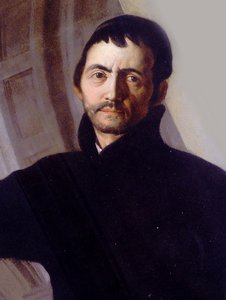
Andrea Pozzo
1642 - 1709 , Italia
Breves datos
- Artistas Influenciados: ['Luigi Vacca']
- Artistas Influyentes:
- Andrea Sacchi
- Peter Paul Rubens
- Palma il Giovane
- Fecha De Fallecimiento: 31 de agosto de 1709
- Fecha De Nacimiento: 30 de noviembre de 1642
- Lugar De Nacimiento: Trento, Italia
- Movimiento Artístico: Barroco
- Nacionalidad: Italiana
- Nombre Completo: Andrea Pozzo
- Obras Notables:
- Techo de Sant'Ignazio
- Frescos de Camere di San Ignazio
- Triumpho y Apotheosis de S. Ignacio

