

 Ver en contexto
 Enviar
 Compartir
 Detalles

 Descargar
 Similares
 Radiografía
 Presentación de diapositivas
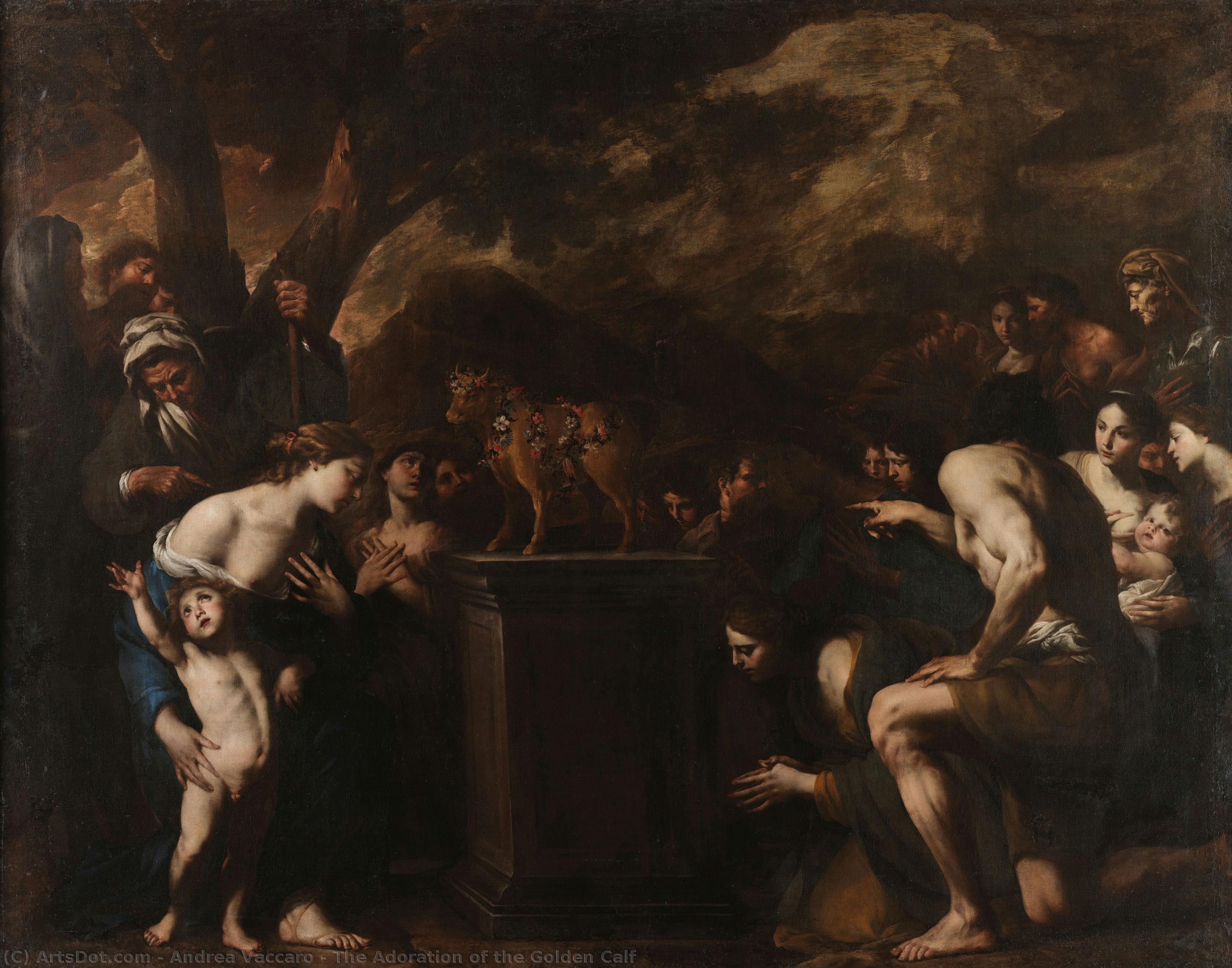
The Adoration of the Golden Calf


 Ver más
Reproducción al óleo hecha a mano
Óleo sobre lienzo pintado a mano en el tamaño y marco de su elección, realizado por encargo por nuestros artistas. ( Comprar impresión Comprar imagen)




P118B $10

P118H $10

P118W $10

P438Z $10

P508JH $12

P508YH $12

P805H $10

P805Z $10

P919BZ $10

P919G $10

P919XJ $10

P959ZH $10

P968JZ $12

W106C $8

W218G $10

W218JH $8

W218Y $10

W307PJ $10

W316G $10

W316PJ $8

W316Y $10

W398PJ $8

W4111J $10

W500HY $15

W500JH $15

W692G $12

W849H $8

W940BG $15

W953PJ $8




Elija entre nuestros tamaños predefinidos que respetan las proporciones originales de la obra.

Puede ingresar sus propias dimensiones para adaptarse a un marco o espacio específico. Si el tamaño seleccionado no coincide con las proporciones de la imagen original, recortaremos la obra o extenderemos la pintura con elementos adicionales pintados a mano. Se le enviará una maqueta digital para su aprobación antes de comenzar la producción.
Tenga en cuenta que la vista previa en pantalla no refleja el recorte o la extensión reales. Solo la maqueta mostrará con precisión la composición final.
Si bien existen tamaños personalizados, recomendamos seleccionar una dimensión de la lista predefinida para preservar las proporciones originales.
Tras realizar el pedido, el equipo de ArtsDot.com enviará un correo electrónico al cliente para solicitar instrucciones y proporcionarle una vista previa del boceto.
Envío a todo el mundo () en 3-4 semanas en lugar de las 5 semanas estándar. (1 septiembre). Sin comprometer la calidad.

Envío exprés gratuito a todo el mundo

Lienzo de lino de alta calidad

Seguro de envío total

Garantía de reembolso de impuestos aduaneros

Garantía de fidelidad cromática exacta

Política de devolución de 60 días (solo por defectos)

Garantía de devolución del 100% del dinero

Descuento por cantidad
 La opción de vidrio solo está disponible en tamaños inferiores a 110 cm.

The Adoration of the Golden Calf
Técnica de reproducción
Dimensiones de la reproducción
-


Precio total final
$ 263
A Moment of Divine Betrayal: Andrea Vaccaro’s “The Adoration of the Golden Calf”
Andrea Vaccaro's "The Adoration of the Golden Calf," painted in 1645, isn’t merely a religious scene; it’s a visceral depiction of human fallibility and the devastating consequences of misplaced devotion. This monumental canvas, now housed within the Museo di Capodimonte in Naples, immediately commands attention with its dramatic chiaroscuro – the stark contrast between light and shadow that defines Vaccaro's signature style. The painting plunges us directly into a chaotic moment of transgression, capturing not just an event from Exodus but also the raw emotion of betrayal and the intoxicating allure of idolatry.
Vaccaro masterfully employs Caravaggio’s techniques – particularly his use of tenebrism – to heighten the drama. The figures are rendered with a startling realism, their faces etched with expressions of ecstasy, confusion, and ultimately, shame. The golden calf itself is not idealized; it's a crude, almost vulgar representation of divinity, reflecting the Israelites’ immediate desire for earthly gratification rather than spiritual understanding. Notice how Vaccaro doesn’t shy away from depicting the animals – two dogs, one near the center and another on the right – adding an unsettling layer to the scene, suggesting the primal instincts that fueled this act of rebellion.
Baroque Drama and Neapolitan Influence
Painted during the height of the Baroque period in Naples, “The Adoration of the Golden Calf” embodies the era’s penchant for theatricality and emotional intensity. Vaccaro was deeply influenced by Caravaggio's revolutionary approach to painting – his emphasis on direct observation, dramatic lighting, and emotionally charged figures – but he also incorporated elements from other artistic traditions, including Guido Reni and Anthony van Dyck, reflecting the vibrant cultural landscape of Naples at the time. The composition itself is carefully constructed, guiding the viewer’s eye through the scene with a dynamic interplay of diagonals and converging lines, creating a sense of movement and urgency.
The historical context is crucial to understanding the painting's power. It was created during a period when the Papal States controlled Naples, and religious fervor – both genuine and manipulative – played a significant role in shaping society. The story of the golden calf serves as a potent warning against idolatry and the dangers of succumbing to earthly desires. Vaccaro doesn’t offer a simple moral judgment; instead, he presents a complex portrayal of human behavior, capturing the seductive power of illusion and the tragic consequences of disobedience.
Symbolism and Emotional Resonance
Beyond its narrative content, “The Adoration of the Golden Calf” is rich in symbolism. The golden calf itself represents not just material wealth but also false idols – anything that replaces true faith and divine connection. The dancing figures embody the intoxicating allure of earthly pleasures, while Moses’ anguished expression reflects his profound disappointment and sorrow. The presence of the dogs can be interpreted as symbols of temptation and primal instincts, further emphasizing the painting's themes of transgression and moral decay.
Vaccaro masterfully evokes a sense of unease and emotional turmoil within the viewer. The painting’s dramatic lighting, intense colors, and dynamic composition combine to create a powerful visual experience that lingers long after it has been viewed. It is a testament to Vaccaro's skill as a painter and his ability to capture the complexities of human nature – our capacity for both great devotion and profound betrayal.
Consider how this painting resonates with contemporary concerns about consumerism, idolatry in modern forms, and the struggle between faith and worldly desires. “The Adoration of the Golden Calf” remains a timeless masterpiece, offering a poignant reflection on the enduring challenges of human morality and the pursuit of true spiritual understanding.
Obras relacionadas
Biografía del artista
Andrea Vaccaro: Un Destacado Pintor Barroco Napolitano
- Nacido: Nápoles, Italia (1604)
- Fallecido: 1670
Vida Temprana y Formación
Andrea Vaccaro nació en Nápoles en 1604, hijo de Pietro Baccaro, un profesional del derecho, y Gioanna di Glauso. Inicialmente persiguió estudios literarios, pero luego se dedicó al arte. Contrariamente a las creencias anteriores de que fue aprendiz de Girolamo Imparato, ahora se sabe que Imparato murió antes de que Vaccaro comenzara su viaje artístico. A los 16 años, Vaccaro fue aprendiz de Giovanni Tommaso Passaro, un artista menos conocido. Hay muy poca documentación sobre esta fase temprana de su carrera.
Desarrollo Artístico e Influencias
Alrededor de 1620, las pinturas de Vaccaro comenzaron a mostrar la influencia de Caravaggio y sus seguidores napolitanos. Se informa que creó una copia de “La Flagelación” de Caravaggio, que en aquel momento se exhibió junto al original en San Domenico Maggiore. Después de 1630, Vaccaro amplió sus horizontes artísticos, inspirándose en Guido Reni, Anthony van Dyck y Pietro Novelli. Producía copias de sus obras para coleccionistas y tratantes de arte napolitanos, lo que sugiere que también pudo haber estado involucrado en el comercio de arte – una práctica común entre los pintores napolitanos de la época.
Logros Destacados y Patronato
La carrera de Vaccaro floreció, y sus pinturas se volvieron muy solicitadas en toda Nápoles y más allá. Obtuvo patrocinio de diversas fuentes, incluyendo órdenes religiosas y nobles patronos en España, a partir de alrededor de 1635. Notablemente, recibió un importante apoyo de Gaspar de Bracamonte, el virrey español de Nápoles. La peste devastó Nápoles en 1656, reclamando a muchos artistas, pero Vaccaro continuó recibiendo encargos, más notablemente para los frescos en la Iglesia Teatina de San Paolo Maggiore – su única comisión de fresco.
Legado y Significado Artístico
Vaccaro fue un miembro fundador y jefe de la 'congrega dei ss anna e luca', un gremio de pintores destinado a elevar el estatus de los artistas en Nápoles. Entre 1650 y 1670, su arte influyó significativamente en la pintura napolitana junto con figuras como Massimo Stanzione y el emergente Luca Giordano. El desarrollo estilístico de Vaccaro es complejo, inicialmente marcado por el tenebrismo de Caravaggio antes de evolucionar para incorporar influencias de Reni, Van Dyck y Cavallino. Su monograma, compuesto por las iniciales "A" y "V" entrelazadas, aparece en varias de sus obras. Atribuir obras auténticas sigue siendo un desafío debido a la gran escala de su taller y la prevalencia de copias.

Andrea Vaccaro
1604 - 1670 , Italia
Datos clave
- Artistas Influenciados: ['Luca Giordano']
- Artistas Que Influyeron:
- Caravaggio
- Guido Reni
- Anthony van Dyck
- Fecha De Fallecimiento: 1670
- Fecha De Nacimiento: 1604
- Lugar De Nacimiento: Nápoles, Italia
- Movimiento Artístico: Barroco
- Nacionalidad: Italiana
- Nombre Completo: Andrea Vaccaro
Artículos relacionados

The Dramatic Flourish: Exploring the Baroque Movement's Enduring Legacy in Art History
Explore the dramatic world of Baroque art! Discover iconic artists like Caravaggio & Rubens, defining techniques, and its lasting impact on art history. Expert insights for collectors & enthusiasts at ArtsDot.

Barroco Sublime: 10 Obras Maestras que Definieron una Época |
Descubre las 10 obras maestras del Barroco que marcaron una época. Caravaggio, Bernini y Velázquez cobran vida en . Reproducciones de arte de calidad museo para decorar tu hogar con elegancia. ¡Explora la colección online!

Drama Barroca: Llevando la Grandeza y la Emoción a los Interiores Contemporáneos
Descubre cómo el drama y la grandeza del arte barroco pueden transformar tus interiores. Guía experta, inspiración y reproducciones de alta calidad en .

Reflejos de una Época Dorada: La Pintura Barroca Holandesa y la Innovación Cultural
Descubra la riqueza y el detalle de la pintura barroca holandesa del Siglo de Oro. Explore las obras maestras de Rembrandt, Vermeer y otros artistas clave. Análisis experto e historia cultural.

The Visceral Stage: Exploring Dramatic Narratives & Emotional Intensity in Baroque Art
Explore the dramatic world of Baroque art! Discover iconic masters like Caravaggio & Rembrandt, their techniques, and the movement's lasting impact. Expert insights for collectors & enthusiasts at ArtsDot.

