

 Ver en contexto
 Enviar
 Compartir
 Detalles

 Descargar
 Similares
 Radiografía
 Presentación de diapositivas
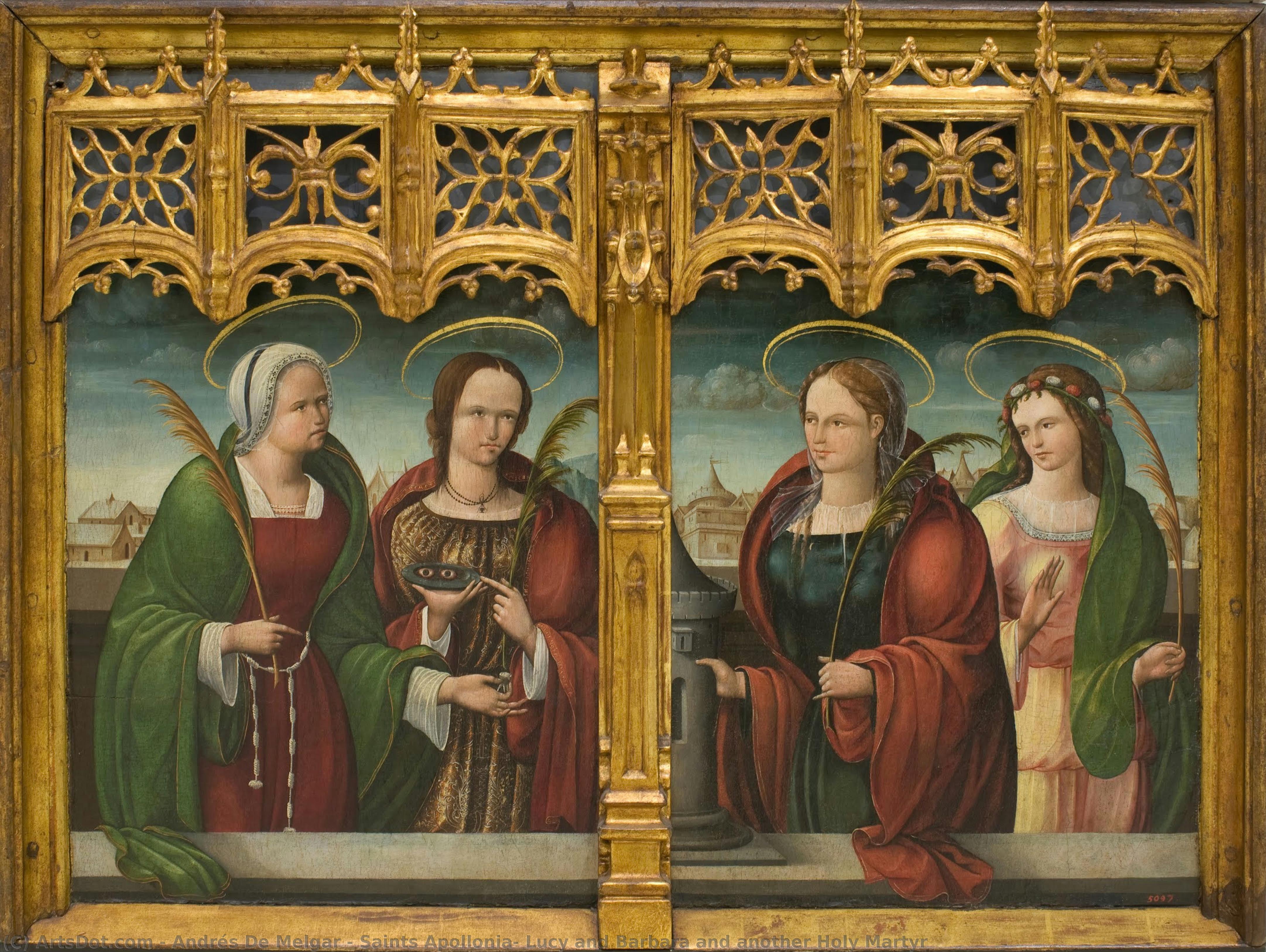
Saints Apollonia, Lucy and Barbara and another Holy Martyr
 Oil
Oil- WallArt
- Renaissance
 1537
1537- Renaissance
 945.0 x 720.0 cm
 Museu Nacional d'Art de Catalunya
 Ver más
Reproducción al óleo hecha a mano
Óleo sobre lienzo pintado a mano en el tamaño y marco de su elección, realizado por encargo por nuestros artistas. ( Comprar impresión Comprar imagen)




P118B $10

P118H $10

P118W $10

P438Z $10

P508JH $12

P508YH $12

P805H $10

P805Z $10

P919BZ $10

P919G $10

P919XJ $10

P959ZH $10

P968JZ $12

W106C $8

W218G $10

W218JH $8

W218Y $10

W307PJ $10

W316G $10

W316PJ $8

W316Y $10

W398PJ $8

W4111J $10

W500HY $15

W500JH $15

W692G $12

W849H $8

W940BG $15

W953PJ $8




Elija entre nuestros tamaños predefinidos que respetan las proporciones originales de la obra.

Puede ingresar sus propias dimensiones para adaptarse a un marco o espacio específico. Si el tamaño seleccionado no coincide con las proporciones de la imagen original, recortaremos la obra o extenderemos la pintura con elementos adicionales pintados a mano. Se le enviará una maqueta digital para su aprobación antes de comenzar la producción.
Tenga en cuenta que la vista previa en pantalla no refleja el recorte o la extensión reales. Solo la maqueta mostrará con precisión la composición final.
Si bien existen tamaños personalizados, recomendamos seleccionar una dimensión de la lista predefinida para preservar las proporciones originales.
Tras realizar el pedido, el equipo de ArtsDot.com enviará un correo electrónico al cliente para solicitar instrucciones y proporcionarle una vista previa del boceto.
Envío a todo el mundo () en 3-4 semanas en lugar de las 5 semanas estándar. (1 septiembre). Sin comprometer la calidad.

Envío exprés gratuito a todo el mundo

Lienzo de lino de alta calidad

Seguro de envío total

Garantía de reembolso de impuestos aduaneros

Garantía de fidelidad cromática exacta

Política de devolución de 60 días (solo por defectos)

Garantía de devolución del 100% del dinero

Descuento por cantidad
 La opción de vidrio solo está disponible en tamaños inferiores a 110 cm.

Saints Apollonia, Lucy and Barbara and another Holy Martyr
Técnica de reproducción
Dimensiones de la reproducción
-


Precio total final
$ 263
A Divine Assembly: The Sacred Presence of Melgar’s Martyrs
In the quiet, contemplative depths of 16th-century Spanish devotion, Andrés de Melgar captured a moment of profound spiritual communion in his masterpiece, Saints Apollonia, Lucy and Barbara and another Holy Martyr. This evocative work serves as a window into the Renaissance soul, presenting a solemn gathering of female saints that transcends the boundaries of time. The composition is anchored by four figures, their presence rendered with a dignity that commands the viewer's immediate reverence. Dressed in the rich, heavy textures of medieval attire, these women are not merely subjects of a painting but icons of endurance and faith. As they stand together, the weight of their shared martyrdom is palpable, yet it is balanced by an ethereal grace that suggests a celestial celebration rather than a mere historical record.
The visual narrative is intricately woven with symbols of sanctity and devotion. Each figure holds a book, a testament to the sacred wisdom and the liturgical traditions that defined their era. The presence of large crosses around their necks serves as a poignant reminder of their sacrifice, acting as luminous focal points amidst the more muted tones of their garments. Even the subtle inclusion of birds—one drifting near the upper periphery and another nestled toward the center—adds a layer of organic life to the structured religious scene, perhaps symbolizing the flight of the soul or the watchful eye of the divine. Through these delicate details, Melgar invites us to look beyond the surface and engage with the deeper theological mysteries embedded within the canvas.
Mastery of Light and the Grutesco Influence
To behold a work by Andrés de Melgar is to witness the masterful application of Spanish Renaissance technique. Known for his pioneering exploration of grutescos, Melgar brings a unique, fantastical sensibility to this religious scene, blending the structured reality of the saints with an atmosphere that feels almost otherworldly. The artist employs a sophisticated use of light and shadow to sculpt the forms of the women, giving their faces a soft, luminous quality that contrasts beautifully with the heavier, more opaque textures of their medieval clothing. This interplay of light does not merely illuminate the scene; it breathes life into the fabric, making the heavy folds of cloth feel tangible to the touch.
For the discerning collector or interior designer, this painting offers an unparalleled opportunity to introduce a sense of historical gravity and sophisticated elegance into a space. The palette, rich with deep, earthy tones and punctuated by the brilliance of sacred symbols, provides a grounding element that works harmoniously in both classical and contemporary settings. A high-quality reproduction of this work allows the profound emotional impact of Melgar’s vision—the tension between human suffering and divine triumph—to become a centerpiece of conversation. It is more than a decoration; it is an invitation to reflect, a piece of history that brings the quiet strength of the Spanish Old Masters into the modern home.
Obras relacionadas
Biografía del artista
Andrés de Melgar: A Visionary of Grutesco
Andrés de Melgar (1501 – c. 1555) stands as a singular figure in Spanish Old Masters painting, primarily recognized for his pioneering exploration and masterful execution of grutescos—fantastical, grotesque imagery that captivated audiences during the Renaissance era. Born in Sahagún, León, Spain, Melgar’s artistic journey unfolded against the backdrop of transformative cultural shifts, leaving an indelible mark on Spanish art history and influencing subsequent generations of artists. His distinctive style cemented his place among the most celebrated painters of his time—a painter who dared to confront viewers with unsettling visions while simultaneously celebrating beauty's sublime grandeur.Early Life and Artistic Training
Information about Melgar’s formative years remains somewhat elusive, yet scholarly research suggests he honed his skills under the tutelage of prominent artists active in León during the early 16th century. The precise details of his training are debated amongst historians, but it’s widely accepted that he absorbed stylistic influences from both Italian Renaissance humanism and Iberian Gothic traditions—a confluence that would profoundly shape his artistic vision. This dual heritage instilled within him a sensitivity to both idealized beauty and unsettling psychological depth, characteristics that would become hallmarks of his oeuvre. He studied under masters who championed the expressive power of color and form, preparing him for a career dedicated to pushing artistic boundaries.The Style of Grutesco: An Imaginative Approach
Melgar’s artistic reputation rests almost entirely upon his unwavering commitment to grutescos—a technique characterized by exaggerated sculptural relief, often depicting monstrous or demonic figures intertwined with floral motifs and architectural elements. Unlike many of his contemporaries who adhered to more conventional representations, Melgar deliberately sought to unsettle viewers through unsettling imagery, mirroring the spirit of Andrea Mantegna’s work and reflecting a fascination with the sublime—the awe-inspiring grandeur that simultaneously inspires terror and wonder. This stylistic choice wasn't merely decorative; it served as a vehicle for conveying complex theological ideas about mortality and divine judgment—a bold assertion of artistic freedom within a period defined by religious dogma. He meticulously crafted grutescos, transforming architectural surfaces into canvases of unsettling beauty.Notable Works and Collections
Among Melgar’s surviving paintings, “The Forge” stands out as an exemplary demonstration of his grutesco style. Executed with meticulous detail and imbued with symbolic resonance—the forge itself representing purification and transformation—it exemplifies the artist's ability to capture both visual splendor and profound spiritual contemplation. His masterful use of chiaroscuro – dramatic contrasts between light and dark – heightened the emotional impact of the scene, mirroring the artistic innovations championed by Caravaggio. Melgar’s works are housed in prestigious institutions like Museo Nacional Centro de Arte Reina Sofía, where “Under the Awning at Zarauz Beach” showcases his talent for portraying serene landscapes infused with fantastical elements—a testament to his versatility and enduring aesthetic vision.Legacy and Historical Significance
Andrés de Melgar’s contribution to Spanish art history transcends mere stylistic experimentation; he championed a visual language that challenged prevailing aesthetic norms and engaged viewers on an emotional level. His pioneering use of grutescos established him as a pivotal figure in the dissemination of this distinctive artistic idiom, influencing subsequent artists who embraced similar imaginative approaches. Today, Melgar’s legacy persists through museum exhibitions and scholarly studies—affirming his enduring significance as one of Spain's most remarkable Old Masters and securing his place within the canon of European Renaissance art. He remains an inspiration for artists striving to express profound ideas through innovative visual forms.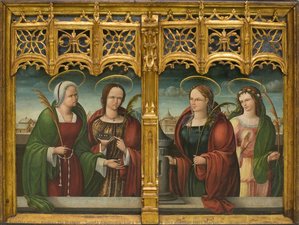
Andrés de Melgar
España
Datos clave
- Artistic Movement Or Style: Grutescos
- Artists Who Influenced This Artist: ['Andrea Mantegna']
- Date Of Birth: Sahagún, León
- Date Of Death: Living
- Full Name: andrés de melgar
- Nationality: Español
- Notable Artworks: ['La Crucifixión de San Andrés']
- Place Of Birth: Sahagún (León)
Artículos relacionados

The Golden Age Reforged: Dramatic Realism & Religious Zeal in Spanish Baroque Art
Explore the dramatic world of Spanish Baroque art! Discover masters like Zurbarán & the powerful influence of religious zeal on painting techniques – a guide for collectors and enthusiasts.
Las 10 Obras Maestras del Alto Medieval: Arte, Historia y Decoración Exclusiva
Descubre las 10 obras maestras del Alto Medieval. Explora la historia, el simbolismo y la belleza de la pintura románica y gótica. Reproducciones exclusivas en ArtsDot.com para decorar tu hogar con arte atemporal.
10 Obras Maestras Medievales que Definen el Arte (y tu Hogar)
Descubre 10 obras maestras del arte medieval, desde Duccio a Van Eyck. Explora la historia, simbolismo y belleza de Giotto, Simone Martini y más. Encuentra reproducciones de alta calidad para decorar tu hogar en ArtsDot.com.
Francisco de Zurbarán: Mysticism, Realism & the Golden Age of Spanish Painting
Explore the captivating world of Francisco de Zurbarán, a master of Spanish Baroque painting. Discover his dramatic tenebrism, religious masterpieces like 'La Porciúncula,' and lasting influence on art history.
Sacred Narratives on Canvas: Exploring Religious Painting Through History
Explore the rich history of religious painting with ArtsDot.com! Discover iconic artworks, symbolism & techniques from antiquity to the Renaissance. Enhance your art appreciation today.

