

 Ver en contexto
 Enviar
 Compartir
 Detalles

 Descargar
 Similares
 Radiografía
 Presentación de diapositivas
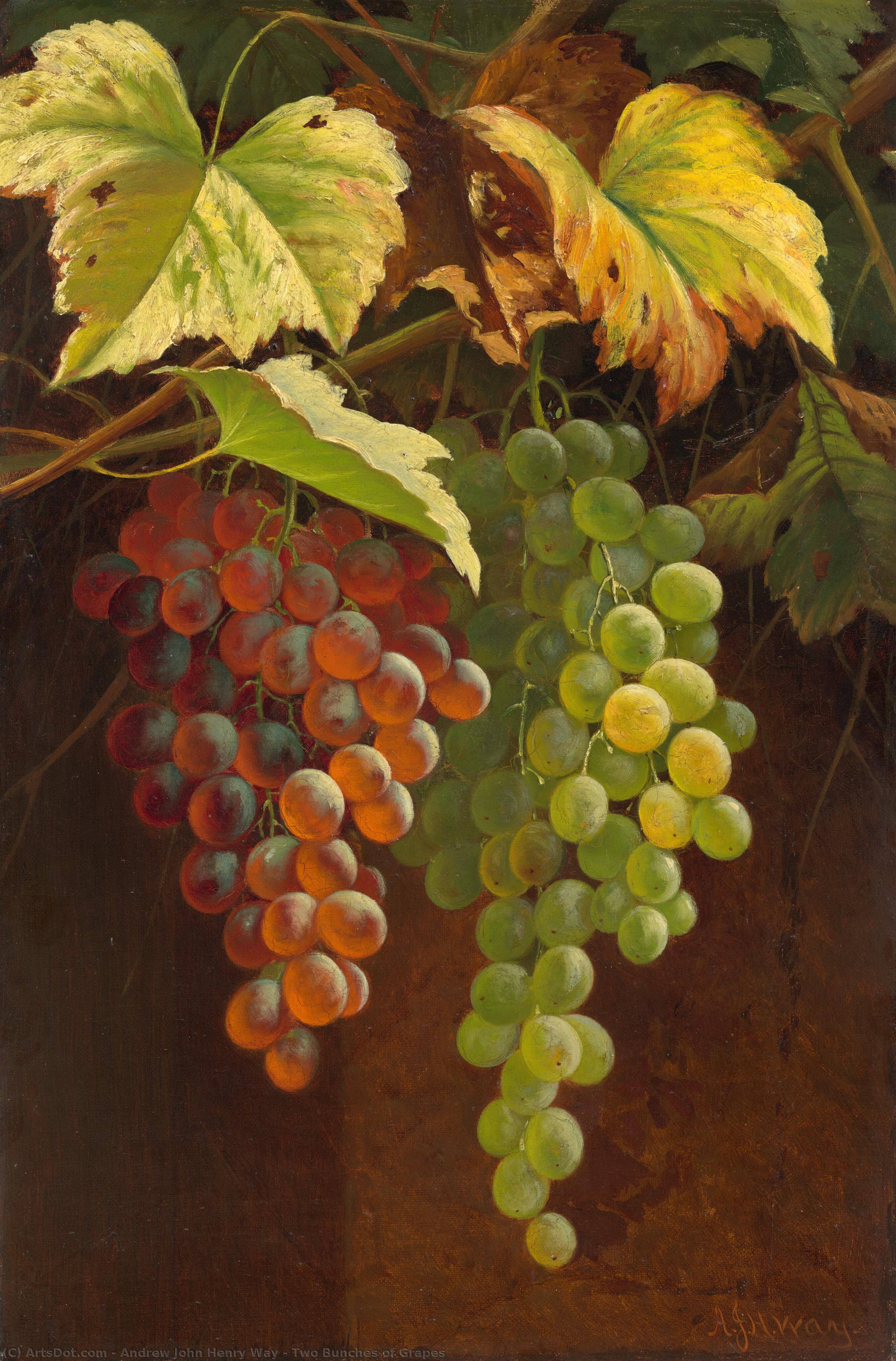
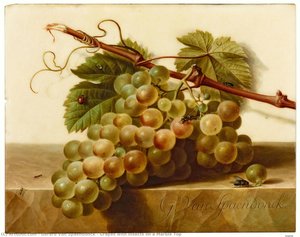
Two Bunches of Grapes
 72.0 x 57.0 cm
 Ver más
Adquiera una imagen digital de alta resolución y optimizada, muy superior a la vista previa en línea.
Cada archivo es preparado meticulosamente por nuestros especialistas internos mediante el uso de herramientas avanzadas y un experto retoque manual. Nos aseguramos de que cada imagen posea una claridad excepcional, una precisión cromática impecable y un detalle minucioso.
El archivo final se entrega por correo electrónico en un plazo de 72 horas, optimizado para su uso inmediato en entornos profesionales, editoriales y de impresión. Esta es la misma calidad en la que confían los estudios de diseño, las editoriales y las galerías de primer nivel.
Imagen Digital
Descarga un archivo de alta resolución para exhibición personal, impresión y proyectos creativos. ( Comprar impresión Comprar pintura hecha a mano)
Incluido en cada pedido de imágenes digitales
Entrega digital experta, garantizada.
Al elegir ArtsDot.com, no solo está adquiriendo una imagen; está recibiendo una obra de arte digital mejorada profesionalmente, elaborada con precisión y respaldada por una garantía de satisfacción. Esto es todo lo que incluye su pedido, automáticamente:

Entrega rápida por email
Recibirá su archivo de imagen digital en alta resolución por correo electrónico en un plazo de 72 horas tras realizar su pedido, listo para su uso inmediato.

Archivo digital optimizado por IA
Su obra de arte se optimiza profesionalmente mediante herramientas avanzadas de IA y edición manual, garantizando el máximo detalle, claridad y precisión cromática.

Reenvío gratuito de por vida
¿Has borrado o perdido tu archivo por error? No te preocupes: te lo volveremos a enviar en cualquier momento, sin coste adicional.

Sin gastos de importación, siempre
Disfrute de su obra de arte al instante sin aduanas, aranceles ni gastos de envío; las descargas digitales siempre están libres de impuestos.

Garantía de fidelidad de color
Garantizamos que su imagen digital refleje los colores originales con la mayor fidelidad posible, mediante el uso de herramientas profesionales y gestión del color.

Garantía de satisfacción de 60 días
Si no está satisfecho con su imagen digital, la revisaremos o le reembolsaremos el 100% en un plazo de 60 días, sin preguntas.

100% Garantía de devolución de dinero
¿No está satisfecho? Obtenga un reembolso completo dentro de los 60 días posteriores a la recepción de su archivo digital, sin necesidad de explicaciones.

Descuentos por pedidos grandes
Compra 3 imágenes, ahorra 10% - Compra 5, ahorra 15% - Compra 10+, ahorra 20%. Ideal para proyectos creativos, galerías y agencias.
Obras relacionadas



Biografía del artista
Early Life and Artistic Foundations
Andrew John Henry Way, born in Washington, D.C., in 1826, emerged from a milieu steeped in the burgeoning artistic spirit of 19th-century America. His initial foray into the world of painting began under the tutelage of John Peter Frankenstein in Cincinnati, where he laid the groundwork for his future endeavors. This early training was followed by studies with Alfred Jacob Miller in Baltimore, further refining his skills and introducing him to a broader range of artistic techniques. However, it was Way’s decision to embark on an extended period of study in Europe – first Paris, then Florence – that truly catalyzed his development as an artist. These years spent immersed in the Old Masters provided him with a profound understanding of composition, color theory, and the subtleties of light and shadow, shaping his aesthetic sensibilities for decades to come.A Pivotal Shift: From Portraiture to Still Life
Upon returning to Baltimore in 1854, Way initially established himself as a portrait painter, diligently capturing the likenesses of prominent citizens. Yet, his artistic trajectory underwent a significant transformation around 1859. A chance encounter with the renowned German-American artist Emanuel Leutze proved pivotal. Leutze’s discerning eye recognized Way's latent talent for still life painting, and his encouragement spurred Way to redirect his focus entirely towards this genre. This wasn’t merely a change in subject matter; it represented a deeper exploration of form, texture, and the evocative power of everyday objects. He began to meticulously render fruit, particularly grapes, with an almost photographic realism that captivated viewers.Mastering *Trompe l'oeil* and Achieving Recognition
Way quickly distinguished himself as a master of *trompe l’oeil*, the art of deceiving the eye into perceiving painted objects as three-dimensional realities. His still lifes, especially his depictions of grapes, were celebrated for their astonishing detail and luminosity. He often identified specific grape varieties – Black Hamburg, Flammé de Tokay, Gros Colmo – adding a layer of authenticity to his illusions. This meticulous attention to detail wasn’t simply about technical skill; it was about elevating the commonplace to the level of art, imbuing humble fruit with a sense of dignity and beauty. His dedication culminated in a medal for excellence at the Centennial Exposition of 1876, solidifying his reputation as one of America's leading still life painters.Community Involvement and Lasting Legacy
Beyond his individual artistic achievements, Way actively contributed to the burgeoning art community of Baltimore. He was a founding member of both the Maryland Academy of Fine Arts in 1871 and the Charcoal Club of Baltimore in 1885, fostering collaboration and providing platforms for local artists to showcase their work. His paintings continue to grace the collections of prestigious institutions such as the Addison Gallery of American Art, the Smithsonian American Art Museum, and The Walters Art Museum—most notably his celebrated *Bunch of Grapes*. Way’s legacy extends beyond his technical prowess; he demonstrated a profound ability to find beauty in the ordinary, transforming simple subjects into captivating works of art that continue to resonate with audiences today. His work offers a glimpse into 19th-century American life and the evolving aesthetic sensibilities of a nation striving for artistic independence.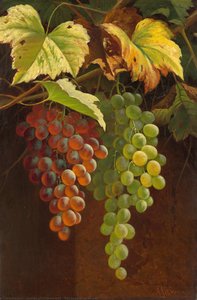
andrew john henry way
1826 - 1888

