

 Ver en contexto
 Enviar
 Compartir
 Detalles

 Descargar
 Similares
 Radiografía
 Presentación de diapositivas
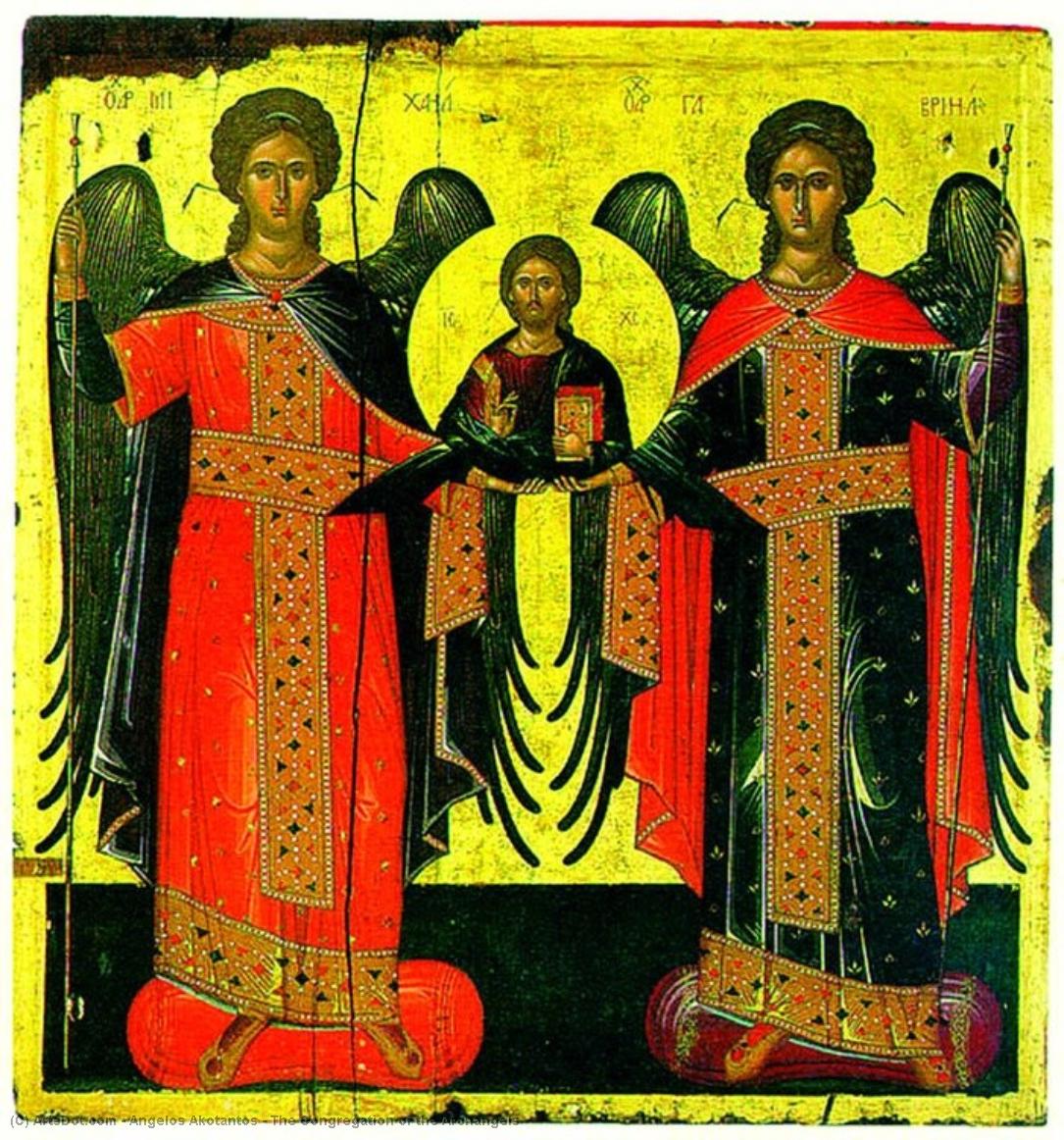
The Congregation of the Archangels


 Ver más
Giclée / Impresión de arte
Impresiones giclée o en lienzo de calidad de museo con producción rápida y opciones de acabado flexibles. ( Comprar pintura hecha a mano Comprar imagen)




P118B $10

P118H $10

P118W $10

P438Z $10

P508JH $12

P508YH $12

P805H $10

P805Z $10

P919BZ $10

P919G $10

P919XJ $10

P959ZH $10

P968JZ $12

W106C $8

W218G $10

W218JH $8

W218Y $10

W307PJ $10

W316G $10

W316PJ $8

W316Y $10

W398PJ $8

W4111J $10

W500HY $15

W500JH $15

W692G $12

W849H $8

W940BG $15

W953PJ $8




Elija entre nuestros tamaños predefinidos que respetan las proporciones originales de la obra.

Puede introducir sus propias dimensiones para adaptarse a un marco o espacio específico. Si el tamaño seleccionado no coincide con las proporciones de la imagen original, recortaremos la obra de arte o extenderemos la imagen con un borde con efecto espejo o de color sólido. Se enviará una maqueta digital para su aprobación antes de que comience la producción.
Tenga en cuenta que la vista previa en pantalla no refleja el recorte o la extensión real. Solo la maqueta mostrará con precisión la composición final.
Aunque existen tamaños personalizados, recomendamos seleccionar una dimensión de la lista predefinida para preservar las proporciones originales.
Envío a todo el mundo () en 2 semanas en lugar de las 4/5 semanas estándar. (26 agosto)

Envío exprés gratuito a todo el mundo

Lienzo de lino de alta calidad

Seguro de envío total

Garantía de reembolso de impuestos aduaneros

Garantía de fidelidad cromática exacta

Política de devolución de 60 días (solo por defectos)

Garantía de devolución del 100% del dinero

Descuento por cantidad
 La opción de vidrio solo está disponible en tamaños inferiores a 110 cm.

The Congregation of the Archangels
Giclée / Impresión de arte
Dimensiones de la reproducción
-


Precio total final
$ 62
Descripción de la pieza
Angelos Akotantos: A Pioneer of Cretan Icon Painting
Angelos Akotantos (Greek: Άγγελος Ακοτάντος; 1390–1457) stands as a pivotal figure in the artistic landscape of Crete during the tumultuous period following the fall of Constantinople in 1453. He wasn’t merely a painter; he was an educator, a chanter, and a man deeply invested in his community's spiritual well-being—a testament to the humanist values prevalent within Cretan intellectual circles.
Born around 1390 in Crete, Akotantos emerged from a family steeped in artistic tradition. His brother Ioannis was equally accomplished, establishing a lineage of painters who would profoundly influence Cretan art for decades to come. Information about his life is primarily gleaned from his meticulously crafted will dated 1436, preserved within the State Archives of Venice—a document that illuminates not only his personal circumstances but also his unwavering dedication to charitable endeavors.
Akotantos’ artistic brilliance resided in his mastery of hagiography – the art of depicting saints and religious figures. He distinguished himself through a distinctive style characterized by a harmonious blend of Byzantine traditions with burgeoning Venetian influences, reflecting Crete's unique position as a crossroads between East and West. This fusion resulted in an aesthetic that prioritized both meticulous detail and expressive dynamism.
His canvases pulsate with vibrant hues—particularly gold leaf—a technique emblematic of the Cretan School’s ambition to recapture the splendor of Byzantine icon painting while simultaneously embracing Venetian artistic sensibilities. Geometric lines dominate his compositions, structuring robes and wing shapes with precision, mirroring a stylistic preference for clarity and order.
The Congregation of Saint Michael the Archangel (Latin: Congregatio Sancti Michaëlis Archangeli) was established in 1921 by Bishop Adam Stefan Sapieha. The Cretan School’s legacy continues to inspire artists today, as evidenced by reproductions of Akotantos's masterpieces adorning churches and private collections globally.
Notable Works: Symbolism and Technique
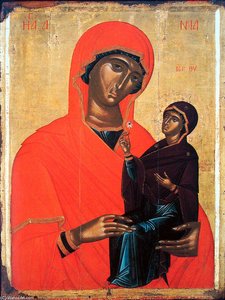
Akotantos produced approximately 50 paintings that have been reliably attributed to him. Among his most celebrated creations are “The Virgin Eleousa,” depicting Mary holding the infant Jesus in a serene posture—a depiction reflecting Byzantine piety and compassion—and “Saint Anne with the Virgin,” showcasing the mother of Mary cradling her daughter, symbolizing maternal devotion and divine grace.
His meticulous application of tempera paint on wooden panels combined with the radiant brilliance of gold leaf exemplifies the Cretan School’s commitment to preserving traditional techniques while simultaneously elevating them to new heights. The resulting images are imbued with spiritual significance—each brushstroke conveying a profound understanding of iconography and theological symbolism.
Historical Context: Venetian Influence
Crete's artistic trajectory during Akotantos’ lifetime was shaped by the ascendancy of Venice, which had seized control of the island in 1453 following Constantinople’s fall. This geopolitical shift fostered an environment conducive to artistic experimentation and innovation—a dynamic that propelled Cretan painters like Akotantos toward a more refined aesthetic.
Venetian artists brought with them new compositional approaches, color palettes, and stylistic conventions—influences that subtly yet decisively altered the character of Cretan painting. Nevertheless, Akotantos steadfastly upheld Byzantine artistic principles, ensuring that his work remained rooted in the spiritual heritage of Byzantium while simultaneously embracing the dynamism of Venetian culture.
Emotional Impact: Reverence and Beauty
Akotantos’ paintings transcend mere visual representation; they evoke a palpable sense of reverence and beauty—qualities that resonate deeply with viewers. The luminous gold leaf, combined with carefully rendered figures and symbolic gestures, communicates an unwavering faith in divine grace and compassion.
His art serves as a testament to the enduring power of religious imagery to inspire contemplation and elevate the human spirit. Viewing Akotantos’ masterpieces is akin to embarking on a spiritual journey—a communion with timeless artistic ideals that continue to captivate audiences centuries later.
Obras relacionadas
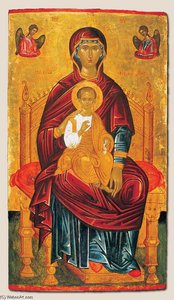
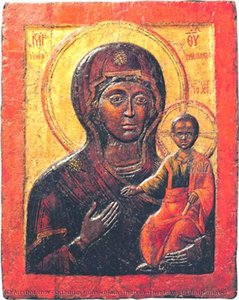
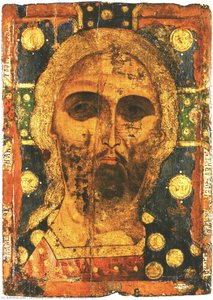
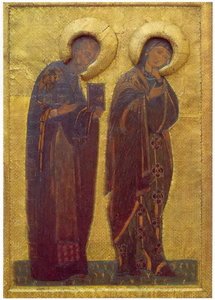
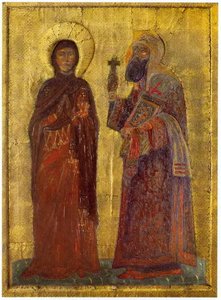
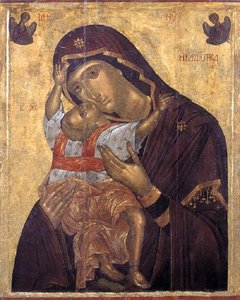
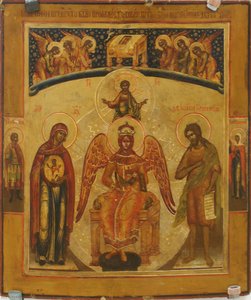
Biografía del artista
Angelos Akotantos: Un Pionero de la Pintura de Íconos Cretenses
Nacido alrededor de 1390 en la isla de Creta, Angelos Akotantos emergió como una figura crucial durante un período de transición vital para el arte bizantino. Su vida y obra estuvieron íntimamente ligadas a Hércules (anteriormente conocida como Candia), que bajo el gobierno de la República Veneciana se convirtió en un crisol cultural donde las tradiciones bizantinas se fusionaban con influencias venecianas emergentes. La información más detallada sobre su vida proviene principalmente de su testamento, fechado en 1436 y conservado en los Archivos Estatales de Venecia, lo que nos ofrece una ventana única a su época y sus intenciones artísticas. Su fallecimiento, alrededor de 1450, marcó el final de un capítulo importante, dejando un legado que sentaría las bases para la escuela cretense de iconografía.Desarrollo Artístico y Estilo: Una Mezcla Innovadora
Angelos Akotantos se distinguió como un *hagiógrafo* altamente cualificado – un pintor especializado en imágenes religiosas de santos. Su estilo artístico es una fascinante síntesis entre las técnicas bizantinas tradicionales, profundamente arraigadas en la historia del arte, y las nuevas tendencias venecianas que comenzaban a influir en el panorama artístico. Se le reconoce por su meticulosa atención al detalle, un uso vibrante y audaz del color, especialmente el oro, que confería una luminosidad especial a sus obras, y figuras con una expresividad notable. Un elemento distintivo de su trabajo fue la práctica innovadora de firmar sus iconos con la frase “χειρ αγγέλου” (“por la mano de Angelos”), un gesto poco común en su época que reflejaba su individualidad como artista y su orgullo por su labor. Esta firma no solo identificaba a la autoría, sino que también implicaba una conexión espiritual con el proceso creativo.Temas Principales e Iconografía: Narrativas Religiosas
Akotantos produjo aproximadamente 50 iconos atribuidos a su nombre, de los cuales alrededor de 30 están firmados con certeza. Su iconografía abarcó una amplia gama de temas religiosos, centrados principalmente en la Virgen María – ejemplos notables son *La Virgen Cardiotissa* (la Virgen con el corazón abierto), que simboliza su compasión y devoción – santos, como San Phanourios, a menudo representado matando un dragón similar al de San Jorge, una imagen poderosa que evoca la lucha entre el bien y el mal; y escenas clave de la vida de Cristo y otros personajes bíblicos. Estos iconos eran muy solicitados por iglesias y monasterios no solo en Creta, sino también en islas cercanas como Patmos y Rodas, lo que demuestra su impacto y popularidad en la región. Obras destacadas incluyen *Icono de la Madre de Dios e Infantil Cristo*, *San Jorge a Caballo, Matando al Dragón* y *La Congregación de los Arcángeles*. Cada uno de estos iconos es una ventana a las creencias religiosas de la época y un testimonio del talento artístico de Akotantos.Significado Histórico e Influencia: El Nacimiento de una Escuela
Angelos Akotantos ocupa un lugar fundamental en la historia del arte cretense, ya que se considera el fundador de la escuela cretense de iconografía. Su trabajo marcó un punto de inflexión crucial, especialmente después de la caída de Constantinopla en 1453, cuando el centro del arte bizantino se trasladó a Creta bajo el dominio veneciano. Su estilo innovador y su habilidad para combinar las tradiciones bizantinas con influencias venecianas contribuyeron al desarrollo de una nueva estética que florecería durante siglos. Además, su práctica de firmar sus iconos estableció un precedente importante para otros artistas cretenses, fomentando la individualidad y el reconocimiento del artista. Su legado no solo reside en sus obras individuales, sino también en el impacto duradero que tuvo en la evolución del arte cretense. Artistas posteriores, como Nikolaos Tzafouris, continuaron desarrollando las características estilísticas establecidas por Akotantos, consolidando su posición como una figura clave en la historia del arte bizantino tardío.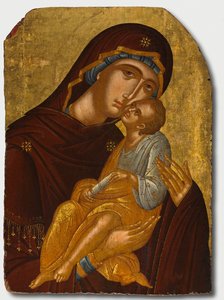
Angelos Akotantos
1390 - 1450 , Grecia
Datos clave
- Artistic Movement Or Style: Escuela Cretense
- Date Of Birth: 1390
- Date Of Death: 1450
- Full Name: Angelos Akotantos
- Nationality: Griego
- Notable Artworks:
- Icona Madre Dios
- San Jorge Dragón
- Congregación Ángeles
- Place Of Birth: Creta, Grecia
Artículos relacionados
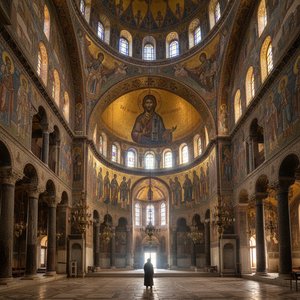
Iluminando la Eternidad: Una Exploración Exhaustiva del Legado del Arte Bizantino
Descubre el fascinante mundo del arte bizantino con nuestra guía experta. Explora su historia, arquitectura, mosaicos y legado cultural. Un viaje a través de la belleza y el simbolismo de un imperio inolvidable.

Andy Warhol: Las 25 Obras Maestras que Definieron el Arte Pop | ArtsDot
Descubre las 25 obras maestras de Andy Warhol, ícono del arte pop. Explora la historia detrás de Marilyn Monroe, Campbell's Soup Cans y más. Reproducciones de alta calidad para tu hogar en ArtsDot.com. ¡Inspírate con el arte moderno!
Los 25 Tesoros de la Alte Pinakothek: Arte Renacentista y Barroco en Munich
Descubre los 25 tesoros de la Alte Pinakothek en Munich. Explora obras maestras de Dürer, Rembrandt y Rubens. Historia del arte renacentista y barroco para inspirar tu hogar. Reproducciones de alta calidad en ArtsDot.com.
Las 25 Obras Maestras del National Gallery of Art: Arte, Historia y Decoración Exclusiva
Descubre las 25 obras maestras del National Gallery of Art, Washington. Explora la historia de Cézanne, Matisse, Picasso y más. Encuentra reproducciones de arte exclusivas e ideas para decorar tu hogar con lienzos inolvidables en ArtsDot.com.
Las 25 Obras Maestras del Prado: Arte Español e Inspiración para tu Hogar
Descubre las 25 obras maestras del Museo del Prado: Velázquez, Goya, El Greco y más. Explora la historia, técnica y belleza de cada cuadro español. Encuentra reproducciones de arte exclusivas e inspira tu hogar con ArtsDot.com.

