 Vista previa
 Compartir
 Compartir
 Ver detalles

 Descargar
 Ver similares
 Radiografía
 Presentación de diapositivas
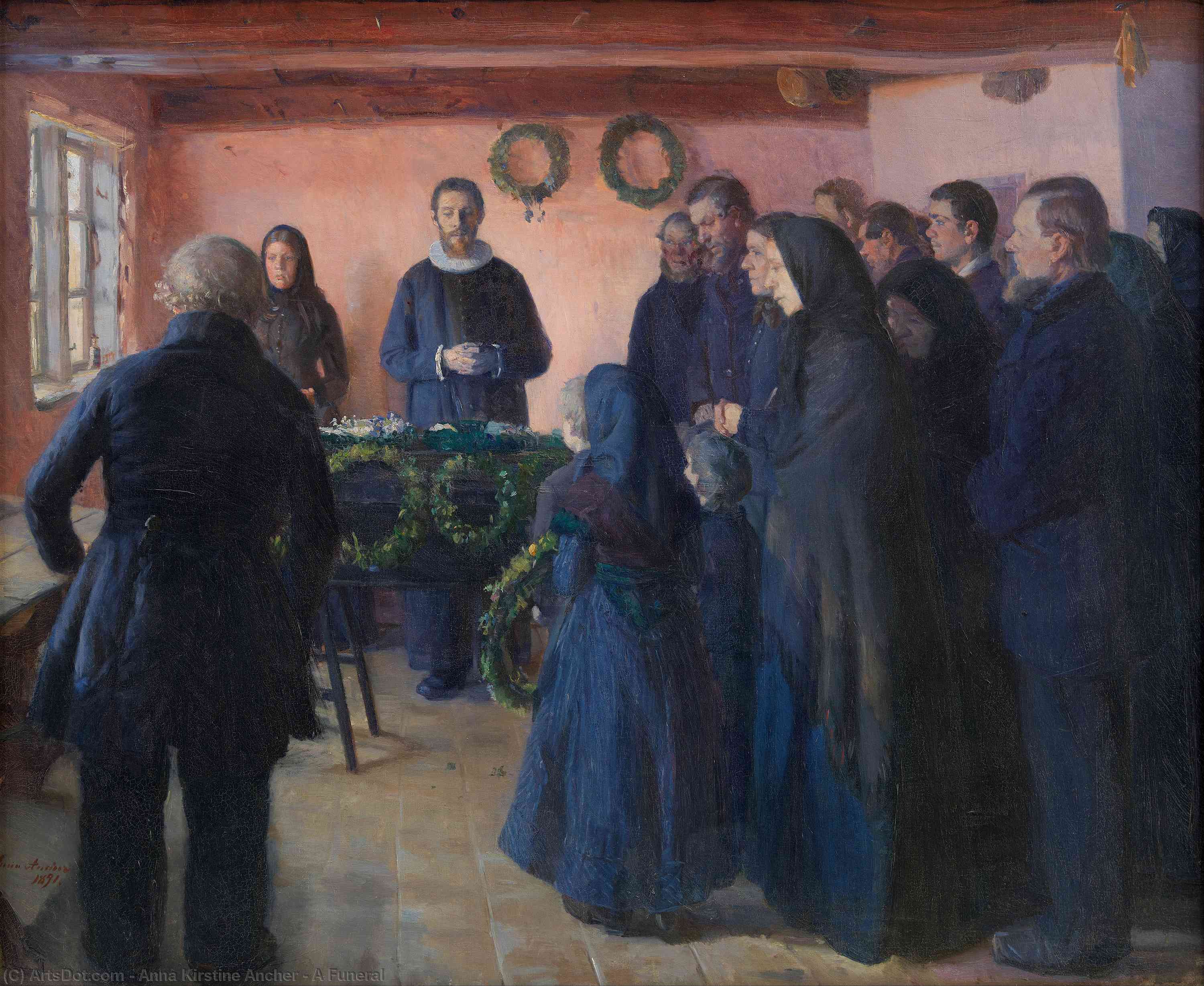
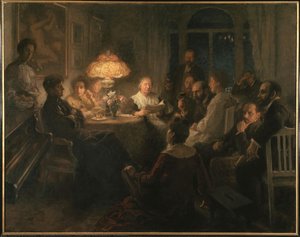
A Funeral
 Oil On Canvas
- WallArt
- Impressionistic Realism
 1891
1891- 19th Century
 104.0 x 125.0 cm
 Museo Nacional de Dinamarca
 Leer más
Reproducción al óleo hecha a mano
Óleo sobre lienzo pintado a mano en el tamaño y marco de su elección, realizado por encargo por nuestros artistas. ( Pedir impresión Comprar descarga)




P118B $10

P118H $10

P118W $10

P438Z $10

P508JH $12

P508YH $12

P805H $10

P805Z $10

P919BZ $10

P919G $10

P919XJ $10

P959ZH $10

P968JZ $12

W106C $8

W218G $10

W218JH $8

W218Y $10

W307PJ $10

W316G $10

W316PJ $8

W316Y $10

W398PJ $8

W4111J $10

W500HY $15

W500JH $15

W692G $12

W849H $8

W940BG $15

W953PJ $8




Elija entre nuestros tamaños predefinidos que respetan las proporciones originales de la obra.

Puede ingresar sus propias dimensiones para adaptarse a un marco o espacio específico. Si el tamaño seleccionado no coincide con las proporciones de la imagen original, recortaremos la obra o extenderemos la pintura con elementos adicionales pintados a mano. Se le enviará una maqueta digital para su aprobación antes de comenzar la producción.
Tenga en cuenta que la vista previa en pantalla no refleja el recorte o la extensión reales. Solo la maqueta mostrará con precisión la composición final.
Si bien existen tamaños personalizados, recomendamos seleccionar una dimensión de la lista predefinida para preservar las proporciones originales.
Tras realizar el pedido, el equipo de ArtsDot.com enviará un correo electrónico al cliente para solicitar instrucciones y proporcionarle una vista previa del boceto.
Envío a todo el mundo () en 3-4 semanas en lugar de las 5 semanas estándar. (20 agosto). Sin comprometer la calidad.

Envío exprés gratuito a todo el mundo

Lienzo de lino de alta calidad

Seguro de envío completo

Garantía de reembolso de aranceles aduaneros

Garantía de fidelidad cromática exacta

Política de devolución de 60 días (solo por defectos)

Garantía de devolución del 100% del dinero

Oferta por volumen
 La opción de vidrio solo está disponible en tamaños inferiores a 110 cm.

A Funeral
Técnica de reproducción
Tamaño de la reproducción
-


Precio total
$ 263
Descripción de la obra
The Quietude of Mourning: A Masterpiece of Light and Loss
In the hushed corridors of art history, few moments capture the intersection of communal ritual and private grief as poignantly as Anna Kirstine Ancher’s 1891 masterpiece, A Funeral. This evocative oil on canvas serves as a profound window into the soul of Skagen, the remote Danish fishing village where Ancher was not merely an observer, but a native daughter. The painting transports the viewer into the solemn stillness of a church service, where the air seems heavy with the weight of memory and the sanctity of tradition. Through her masterful command of the Impressionist style, Ancher does more than depict a ceremony; she captures the very essence of a community gathered in shared contemplation, making the scene feel both deeply personal and universally resonant.
The composition is a delicate dance of figures and space, centered around an officiating figure who stands as a pillar of strength amidst the mourning. As the eye wanders through the church interior, it encounters a gathering of souls—some standing in close proximity to the altar, others receding into the soft shadows of the nave. Ancher utilizes a sophisticated palette of muted blues, soft pinks, and earthy tones to evoke a sense of profound stillness. The light, a hallmark of her celebrated Skagen technique, does not strike the scene with brilliance but rather filters through the atmosphere like a gentle benediction, illuminating the textures of the clothing and the quiet expressions of the mourners. This subtle interplay of light and shadow creates a rhythmic depth that draws the collector into the emotional heart of the service.
A Legacy of Light and Intimacy
To understand A Funeral is to understand the unique position of Anna Ancher within the Skagen Painters movement. While many of her contemporaries were drawn to the dramatic, rugged landscapes of the Jutland peninsula, Ancher possessed a singular talent for finding the extraordinary within the ordinary. Her work often focused on the luminous interiors and the quiet, domestic rhythms of life in Skew. In this particular work, she elevates a standard religious rite into a study of human connection and spiritual endurance. The presence of everyday elements—the simple chairs, the distant dining table—grounds the sacred event in the tangible reality of village life, bridging the gap between the divine and the earthly.
For the discerning art lover or interior designer, this painting offers more than mere decoration; it provides a focal point of contemplative beauty. The somber yet serene atmosphere makes it an ideal centerpiece for spaces designed for reflection, such as a library, a study, or a formal sitting room. A high-quality reproduction of this work allows the subtle nuances of Ancher’s brushwork and her masterful use of color to breathe life into a room, offering a sense of historical depth and emotional maturity. Owning such a piece is an invitation to experience the timeless grace of Danish Impressionism, bringing a fragment of Skagen’s enduring light and quiet dignity into the modern home.
Obras relacionadas

Biografía del artista
Anna Kirstine Ancher: A Pioneer of Nordic Impressionism
Anna Kirstine Brøndum Ancher (Skagen, August 18, 1859 – April 15, 1935) stands as a monumental figure in Danish art history—a beacon of artistic innovation and unwavering devotion to capturing the essence of the Nordic landscape. Born into a family steeped in artistic tradition—her father, Erik Andersen Brøndum, was a hotel proprietor and avid collector—Anna’s early life was undeniably shaped by an environment that nurtured her innate talent for visual expression. From a young age, she demonstrated exceptional aptitude for drawing, prompting her parents to invest in her formal education at the Vilhelm Kyhn College of Painting in Copenhagen, where she honed her skills and developed a distinctive style rooted in meticulous observation and a profound understanding of color theory.Early Influences and Artistic Training
Her formative years were marked by exposure to influential artists who championed Impressionism and Realism—movements that rejected idealized representations of beauty in favor of honest depictions of reality. Notably, she studied alongside Marie Triepcke Krøyer, whom she would marry, fostering a collaborative artistic partnership that spanned decades. This connection to the burgeoning Nordic Modern Breakthrough movement profoundly impacted her artistic sensibilities, encouraging her to explore innovative techniques and perspectives. Her Parisian sojourn between 1882 and 1888 proved particularly formative, immersing her in the vibrant intellectual atmosphere of the time and introducing her to the groundbreaking ideas of Impressionist painters like Pierre Puvis de Chavannes.Skagen: A Landscape That Became Inspiration
Anna Ancher’s artistic identity was inextricably linked to Skagen—a remote fishing village nestled on Jutland’s northern coast—where she resided for most of her life and where her husband, Michael Ancher, established a thriving artistic community. Unlike many artists of her era who sought grandeur or exotic locales, Anna chose Skagen precisely because it offered an unparalleled opportunity to engage with the transformative power of Nordic light—a phenomenon that captivated Impressionist painters across Europe. Her studio was situated in *Anchers Hus*, a beautifully preserved Victorian home that served as both her residence and a focal point for artistic exchange. The house itself embodies the spirit of Skagen’s artistic ethos: simple, functional, yet imbued with warmth and intimacy.A Distinctive Style and Notable Works
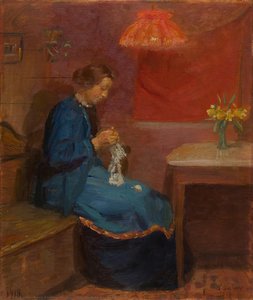
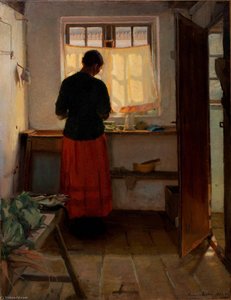
Anna Ancher’s artistic style is characterized by its remarkable sensitivity to detail—particularly in portraying domestic interiors and scenes from everyday life. She eschewed grand narratives or mythological subjects, instead focusing on capturing the subtle nuances of human emotion and experience within unassuming settings. Her paintings are renowned for their luminous color palettes—often dominated by blues and greens—and her masterful manipulation of light—creating ethereal effects that convey atmosphere and mood with breathtaking precision. Among her most celebrated works include *Blue Ane* (1882), a poignant depiction of her wife, and *The Girl in the Kitchen* (1883–1886)—a captivating portrayal of domestic tranquility bathed in golden sunlight. Furthermore, she created *Syende fiskerpige*, which portrays a fisherman’s daughter tending to his nets—a scene that exemplifies her ability to capture the beauty of rural life and the dignity of ordinary individuals. Her later paintings, such as *Interior with Clematis* (1913), demonstrate her continued exploration of light and color—resulting in compositions that are both visually stunning and emotionally resonant.Legacy and Recognition
Anna Ancher’s artistic legacy extends far beyond her individual creations. She championed the cause of female artists during a period when societal expectations often relegated women to domestic roles, bravely pursuing her passion for painting despite considerable obstacles. Her unwavering commitment to her craft earned her widespread acclaim—including the Ingénie et Arti Medal in 1913 and the Tagea Brandt Rejselegat in 1924—recognizing her exceptional talent and contribution to Danish art. Today, Anna Ancher’s paintings are housed in prestigious collections worldwide—serving as enduring symbols of artistic excellence and unwavering devotion to capturing the beauty of the Nordic landscape. Her influence continues to inspire artists and scholars alike—solidifying her place as one of Denmark’s most beloved and influential figures in visual culture.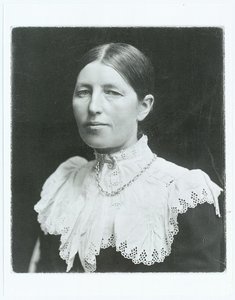
Anna Ancher
1859 - 1935 , Dinamarca
Datos clave
- Artistic Movement Or Style: Impresionismo, Arte Nórdico
- Artists Or Movements Influenced By This Artist: ['Hans Andersen Brendekilde']
- Artists Who Influenced This Artist: ['Pierre Puvis de Chavannes']
- Date Of Birth: 18 Agosto 1859
- Full Name: Anna Kirstine Brøndum Ancher
- Nationality: Danesa
- Notable Artworks:
- Blue Ane
- La niña en la cocina
- Syende fiskerpige
- Interior con clematis
- Place Of Birth: Skagen, Dinamarca
Artículos relacionados
Las 10 Obras Maestras del Azul Pizarra: Arte, Historia y Decoración
Descubre las 10 pinturas más famosas dominadas por el azul pizarra. Explora la historia, técnica y belleza de Monet, Van Gogh y otros maestros. Encuentra reproducciones de arte exclusivas para decorar tu hogar en .
Los 10 Cuadros Más Famosos en Tonos Rosa Pastel: Arte y Decoración
Descubre los 10 cuadros más icónicos en tonos rosa pastel. Explora la historia de Monet, Renoir y otros maestros del impresionismo y el arte moderno. Encuentra reproducciones de alta calidad para decorar tu hogar con .
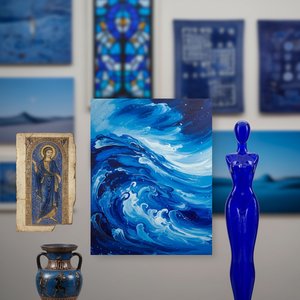
The Allure of Azure: Exploring the Symbolic & Aesthetic Depths of Blue in Art History
Explore the rich history of blue in art! Discover its symbolism, from ancient pigments to modern masterpieces by Kandinsky & Seurat. Uncover the psychological impact and cultural meanings behind this captivating hue.
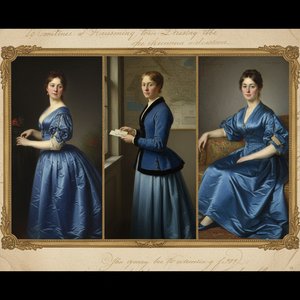
Azure Visions: Exploring Representations of the Blue Dress in Western Art History
Explore the rich history of the blue dress in Western art! Discover its symbolism, from Renaissance masterpieces to modern interpretations by artists like Martin & Schiele. Uncover cultural meanings and artistic techniques.
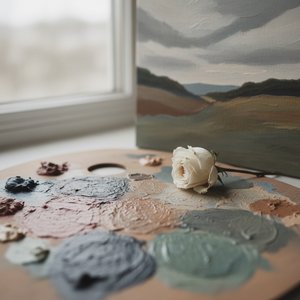
The Subdued Resonance: Exploring Emotional Depth & Artistic Nuance within Muted Color Palettes
Explore the captivating world of muted colors in art & design! Discover historical context, psychological effects, techniques, and inspiration for creating serene spaces. Elevate your aesthetic with ArtsDot.