

 Ver en contexto
 Enviar
 Compartir
 Detalles

 Descargar
 Similares
 Radiografía
 Presentación de diapositivas
 Stats
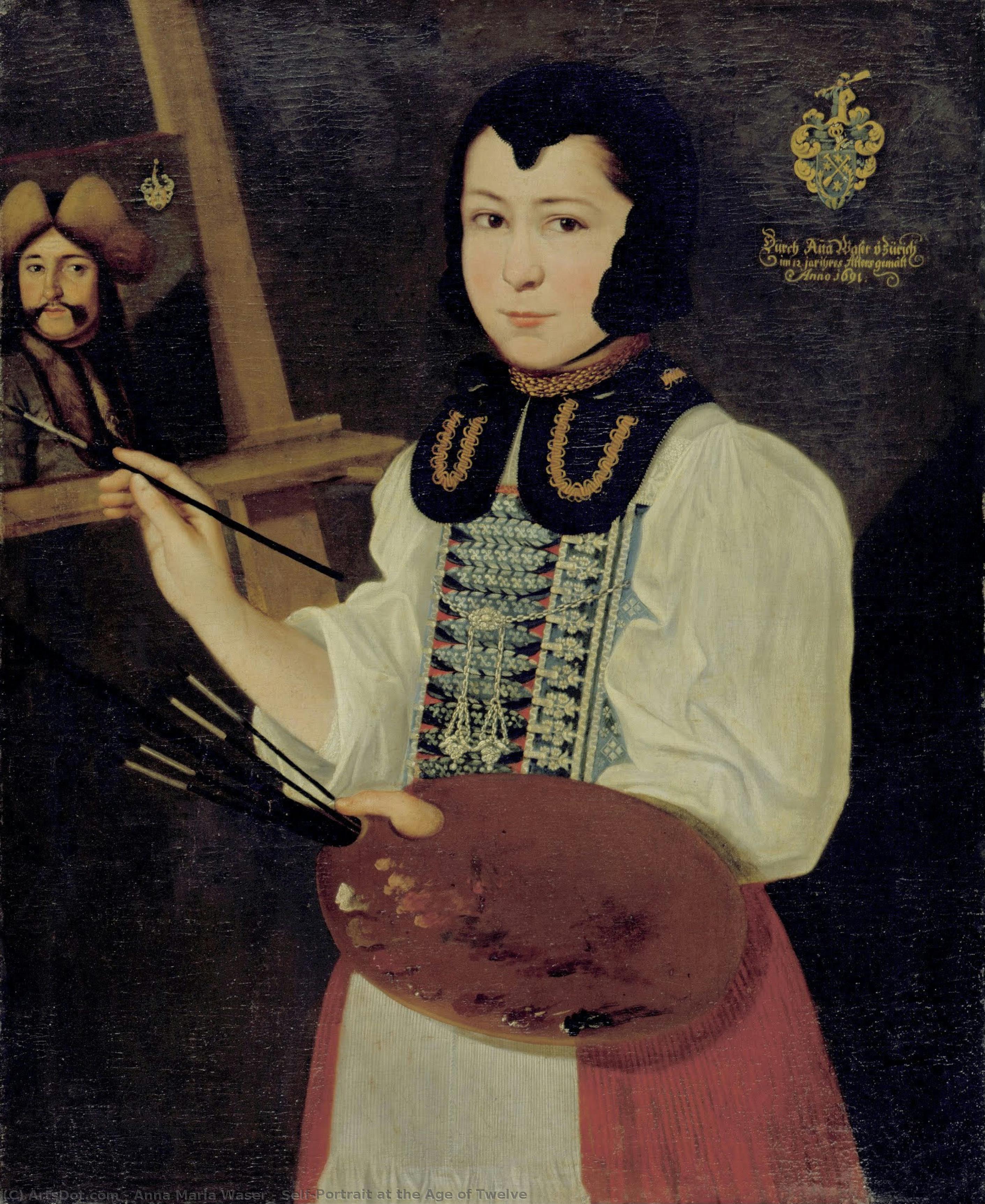
StatsSelf-Portrait at the Age of Twelve
 Oil On Canvas
- WallArt
- Baroque Painting
 1691
1691 83.0 x 68.0 cm
 Kunsthaus Zürich
 Ver más
Reproducción al óleo hecha a mano
Óleo sobre lienzo pintado a mano en el tamaño y marco de su elección, realizado por encargo por nuestros artistas. ( Switch to Print Switch to Digital Image)




P118B $10

P118H $10

P118W $10

P438Z $10

P508JH $12

P508YH $12

P805H $10

P805Z $10

P919BZ $10

P919G $10

P919XJ $10

P959ZH $10

P968JZ $12

W106C $8

W218G $10

W218JH $8

W218Y $10

W307PJ $10

W316G $10

W316PJ $8

W316Y $10

W398PJ $8

W4111J $10

W500HY $15

W500JH $15

W692G $12

W849H $8

W940BG $15

W953PJ $8




Elija entre nuestros tamaños predefinidos que respetan las proporciones originales de la obra.

Puede ingresar sus propias dimensiones para adaptarse a un marco o espacio específico. Si el tamaño seleccionado no coincide con las proporciones de la imagen original, recortaremos la obra o extenderemos la pintura con elementos adicionales pintados a mano. Se le enviará una maqueta digital para su aprobación antes de comenzar la producción.
Tenga en cuenta que la vista previa en pantalla no refleja el recorte o la extensión reales. Solo la maqueta mostrará con precisión la composición final.
Si bien existen tamaños personalizados, recomendamos seleccionar una dimensión de la lista predefinida para preservar las proporciones originales.
Tras realizar el pedido, el equipo de ArtsDot.com enviará un correo electrónico al cliente para solicitar instrucciones y proporcionarle una vista previa del boceto.
Envío a todo el mundo () en 3-4 semanas en lugar de las 5 semanas estándar. (7 septiembre). Sin comprometer la calidad.

Envío exprés gratuito a todo el mundo

Lienzo de lino de alta calidad

Seguro de envío total

Garantía de reembolso de impuestos aduaneros

Garantía de fidelidad cromática exacta

Política de devolución de 100 días (solo por defectos)

Garantía de devolución del 100% del dinero

Descuento por cantidad
 La opción de vidrio solo está disponible en tamaños inferiores a 110 cm.

Self-Portrait at the Age of Twelve
Técnica de reproducción
Dimensiones de la reproducción
-


Precio total final
$ 263
A Window Into Youth: Anna Maria Waser’s “Self-Portrait at the Age of Twelve”
Anna Maria Waser's "Self-Portrait at the Age of Twelve," painted in 1691, isn’t merely a depiction of a young girl; it’s a remarkably poignant and surprisingly mature glimpse into the burgeoning talent of a pioneering Swiss artist. This captivating work, now residing within the Kunsthaus Zürich’s collection, transcends its youthful subject matter to reveal a profound understanding of light, composition, and the very essence of self-representation – qualities that would define Waser's distinguished career.
The painting immediately draws the eye with its intimate scale. Measuring just 83 x 68 centimeters, it feels remarkably personal, as if offering an invitation into a private moment. The young girl, identified as Anna Maria herself, stands before a simple wooden table, upon which rests a palette and brushes – tools of her nascent craft. Her gaze is direct, unwavering, holding the viewer captive with an intensity that belies her age. She’s not posing for the camera; she's engaged in the act of creation itself, radiating a quiet confidence and focused determination.
Waser’s technique is characterized by a remarkable attention to detail and a masterful manipulation of light. The soft, diffused illumination suggests an afternoon sun filtering through a window, casting gentle shadows that subtly define her features and the textures of her clothing. Notice how she renders the brush in her hand – not with stark realism, but with a delicate suggestion of form and movement, hinting at the creative process unfolding before us. The use of oil paints allows for subtle gradations of tone, creating a sense of depth and volume that elevates the portrait beyond a simple likeness.
A Pioneer in a Male-Dominated World
Understanding the historical context is crucial to appreciating Waser’s achievement. In 17th and 18th century Switzerland, the world of art was overwhelmingly dominated by men. Women were largely excluded from formal training and professional opportunities. Anna Maria's journey as a female artist – particularly one who trained alongside male peers – represents a significant challenge to societal norms and a testament to her unwavering dedication. Her appointment as court painter to Count Wilhelm Moritz von Solms-Braunfels in 1699 was a remarkable breakthrough, demonstrating the recognition of her considerable skill.
Her time at Joseph Werner’s workshop in Bern, where she studied alongside male apprentices, provided an invaluable education. While often overlooked in historical accounts, this experience undoubtedly shaped her artistic development, allowing her to hone her skills and develop a unique perspective. The fact that she was the *only* female student within the workshop is itself a powerful statement about the barriers she faced and the determination required to pursue her passion.
Symbolism of Youth and Self-Discovery
The “Self-Portrait at the Age of Twelve” isn’t simply a record of a young girl; it's an exploration of identity and self-discovery. The act of painting, of capturing one’s own image on canvas, is inherently a process of introspection. Waser’s choice to depict herself in this moment – engaged in the creative act – suggests a nascent understanding of her own potential and a desire to define herself through art.
The inclusion of the table with the palette and brushes further reinforces this symbolism. These are not merely tools for creating a portrait; they represent the very instruments of self-expression, the means by which she is forging her artistic identity. The arrow pointing towards the painting itself could be interpreted as an invitation to contemplate the process of creation – the journey from observation to representation.
A Timeless Masterpiece
“Self-Portrait at the Age of Twelve” endures not just for its technical brilliance, but also for its emotional resonance. It’s a remarkably intimate and honest portrayal of a young girl on the cusp of artistic maturity – a testament to the power of observation, the beauty of simplicity, and the enduring legacy of a pioneering Swiss artist. Reproductions of this work offer a captivating window into a pivotal moment in art history, inviting us to contemplate the origins of talent and the transformative potential of self-expression.
Obras relacionadas

Biografía del artista
Anna Maria Waser: Una Pionera Pintora Suiza
Primeros Años y Formación
- Nacida: 16 de octubre de 1678, en Zúrich, Suiza.
- Anna Maria Waser provenía de una familia que valoraba la educación y las artes, fomentando su interés temprano por la pintura a pesar de las normas sociales.
- Su formación artística inicial comenzó con Johannes Sulzer en Winterthur, sentando las bases para su desarrollo futuro.
- A los catorce años, se mudó a Berna para estudiar bajo la guía de Joseph Werner, un destacado pintor suizo.
Desarrollo Artístico y Carrera
- El tiempo de Waser en el taller de Werner fue único, ya que ella fue la única estudiante femenina entre sus compañeros masculinos. Esto proporcionó oportunidades invaluables para afinar sus habilidades.
- Demostró rápidamente un talento excepcional, evidente en sus primeras obras como su Autorretrato a los Doce Años (1691), que mostraba confianza y dominio.
- En 1699, se alcanzó un hito importante cuando fue nombrada pintora de la corte del Conde Wilhelm Moritz von Solms-Braunfels, marcando el reconocimiento internacional creciente.
- Su trayectoria profesional no estuvo exenta de interrupciones; las obligaciones familiares ocasionalmente la llamaban a Zúrich, lo que afectaba la consistencia de su producción artística.
Obras Notables y Estilo
- Autorretrato a los Doce Años (1691): Una obra temprana notable que demuestra habilidad precoz y seguridad en sí misma.
- El estilo de Waser se caracteriza por su atención al detalle, realismo y un toque humano en sus retratos. También destacó en la pintura en miniatura.
- Sus obras a menudo presentaban retratos de individuos prominentes, reflejando su posición dentro de los círculos aristocráticos.
Influencias y Contexto Artístico
- El desarrollo artístico de Waser fue influenciado tanto por Johannes Sulzer como por Joseph Werner, quienes le proporcionaron una formación fundamental en técnicas de pintura.
- Trabajó dentro de la tradición barroca, un estilo prevaleciente durante los siglos XVII y principios del XVIII, caracterizado por el drama, los colores ricos y la ornamentación detallada.
- El contexto social de la época presentó desafíos para las artistas mujeres; el éxito de Waser fue particularmente notable dadas estas limitaciones.
Legado e Importancia Histórica
- La carrera de Anna Maria Waser rompió con las convenciones sociales, allanando el camino para futuras generaciones de artistas mujeres en Suiza.
- Su obra continúa siendo apreciada por su habilidad técnica, autenticidad y representación perspicaz de sus sujetos.
- Sus pinturas se exhiben en colecciones destacadas como el Kunsthaus Zürich, asegurando su lugar en la historia del arte suizo.
- Fallecida: 20 de septiembre de 1714.
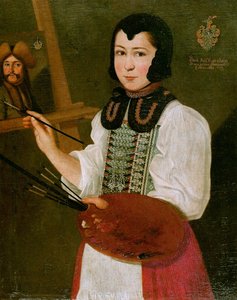
Anna Maria Waser
1678 - 1714 , Suiza
Datos clave
- Fecha De Fallecimiento: 1714-09-20
- Fecha De Nacimiento: 1678-10-16
- Influenciada Por: Johannes Sulzer, Joseph Werner
- Lugar De Nacimiento: Zúrich, Suiza
- Movimiento: Barroco
- Nacionalidad: Suiza
- Nombre: Anna Maria Waser
- Obras Notables: Autorretrato a los doce años (1691)
Artículos relacionados
Reflecting the Self: A History of Portraiture & Psychological Insight
Explore the fascinating history of self-portraiture from Renaissance masters like Dürer & Rembrandt to modern interpretations. Discover the psychological insights and artistic techniques behind these iconic works. Expert analysis for art enthusiasts.
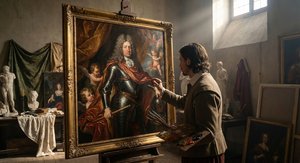
The Grandeur of Baroque Portraiture: Power, Emotion & Artistic Innovation
Explore the grandeur of Baroque portraiture! Discover Rubens, Van Dyck & the masters of 17th-century art. Uncover symbolism, techniques & lasting influence. Expert insights for collectors and enthusiasts.
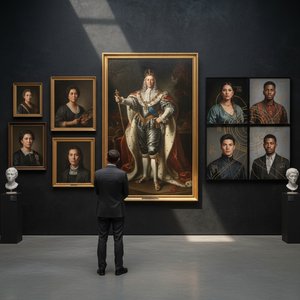
The Enduring Legacy of Formal Portraiture: Power, Identity & Artistic Exploration
Explore the rich history of formal portraiture & its enduring power to capture identity and shape perception. Discover investment-worthy artworks, expert appraisals, and custom reproduction services at ArtsDot.

The Inner Landscape: Exploring Themes of Introspection in Visual Art Across Movements & Eras
Explore the captivating world of introspective art! Discover how artists across eras – from Rembrandt to Kahlo – used self-portraiture to reveal their inner worlds and emotional depths. A journey through art history & psychology.

Barroco Sublime: 10 Obras Maestras que Definieron una Época |
Descubre las 10 obras maestras del Barroco que marcaron una época. Caravaggio, Bernini y Velázquez cobran vida en . Reproducciones de arte de calidad museo para decorar tu hogar con elegancia. ¡Explora la colección online!