

 Ver en contexto
 Enviar
 Compartir
 Detalles

 Descargar
 Similares
 Radiografía
 Presentación de diapositivas
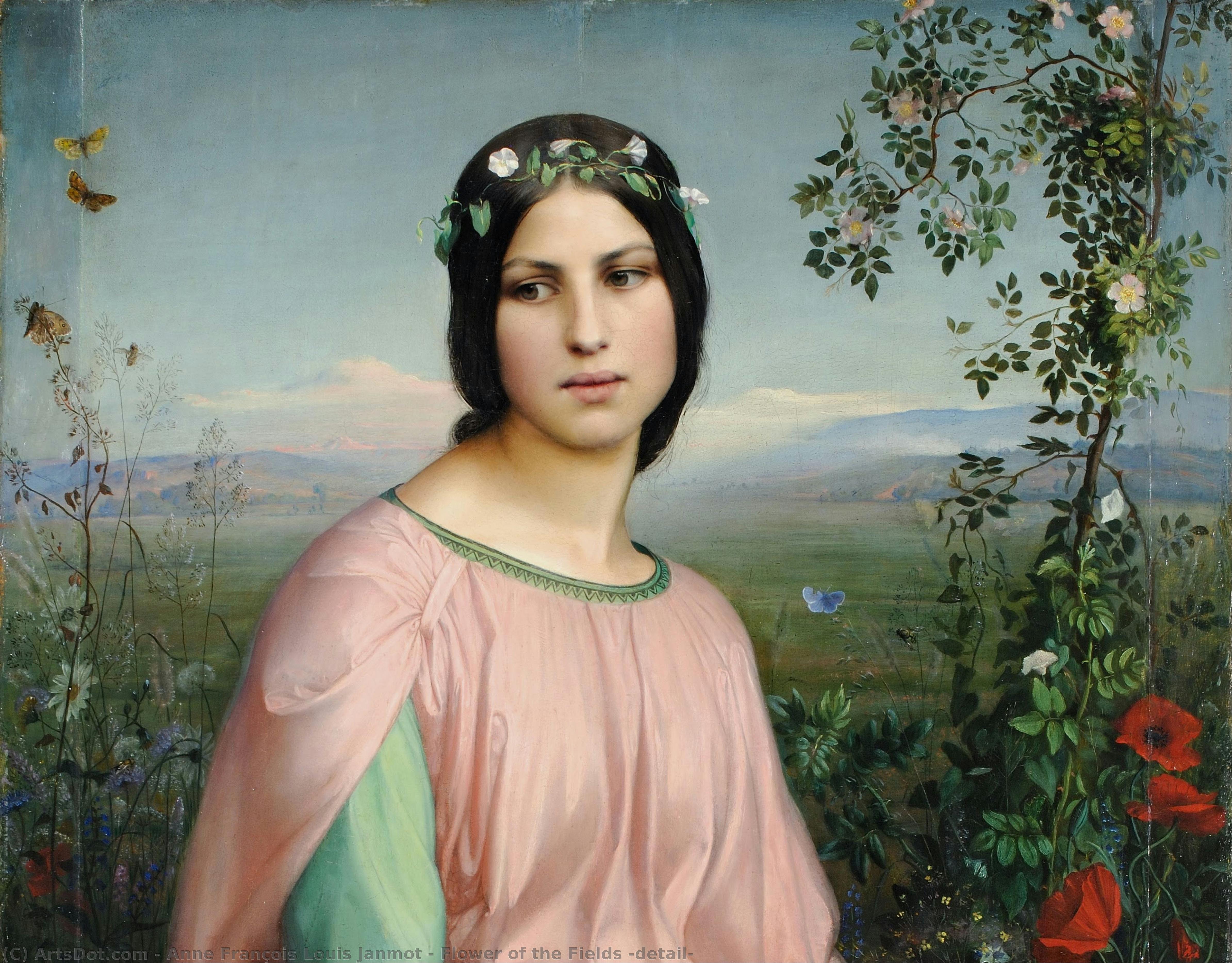
Flower of the Fields (detail)


 Ver más
Giclée / Impresión de arte
Impresiones giclée o en lienzo de calidad de museo con producción rápida y opciones de acabado flexibles. ( Comprar pintura hecha a mano Comprar imagen)




P118B $10

P118H $10

P118W $10

P438Z $10

P508JH $12

P508YH $12

P805H $10

P805Z $10

P919BZ $10

P919G $10

P919XJ $10

P959ZH $10

P968JZ $12

W106C $8

W218G $10

W218JH $8

W218Y $10

W307PJ $10

W316G $10

W316PJ $8

W316Y $10

W398PJ $8

W4111J $10

W500HY $15

W500JH $15

W692G $12

W849H $8

W940BG $15

W953PJ $8




Elija entre nuestros tamaños predefinidos que respetan las proporciones originales de la obra.

Puede introducir sus propias dimensiones para adaptarse a un marco o espacio específico. Si el tamaño seleccionado no coincide con las proporciones de la imagen original, recortaremos la obra de arte o extenderemos la imagen con un borde con efecto espejo o de color sólido. Se enviará una maqueta digital para su aprobación antes de que comience la producción.
Tenga en cuenta que la vista previa en pantalla no refleja el recorte o la extensión real. Solo la maqueta mostrará con precisión la composición final.
Aunque existen tamaños personalizados, recomendamos seleccionar una dimensión de la lista predefinida para preservar las proporciones originales.
Envío a todo el mundo () en 2 semanas en lugar de las 4/5 semanas estándar. (31 agosto)

Envío exprés gratuito a todo el mundo

Lienzo de lino de alta calidad

Seguro de envío total

Garantía de reembolso de impuestos aduaneros

Garantía de fidelidad cromática exacta

Política de devolución de 60 días (solo por defectos)

Garantía de devolución del 100% del dinero

Descuento por cantidad
 La opción de vidrio solo está disponible en tamaños inferiores a 110 cm.

Flower of the Fields (detail)
Giclée / Impresión de arte
Dimensiones de la reproducción
-


Precio total final
$ 62
A Moment Frozen in Bloom: Unveiling Janmot's 'Flower of the Fields'
Anne-François Louis Janmot’s “Flower of the Fields (detail)” is more than a depiction of a pastoral scene; it’s a carefully constructed poem rendered in oil on canvas, steeped in the romanticism and burgeoning symbolism of 19th-century France. Painted in 1845, this intimate portrait captures a young woman bathed in the hazy light of an idyllic garden, her gaze direct and serene – a silent invitation to contemplate beauty, innocence, and the quiet mysteries of nature. The painting immediately evokes a sense of melancholy, not born of sadness, but rather of a poignant awareness of transience and the fleeting nature of earthly pleasures, a hallmark of Janmot’s artistic sensibility.
Janmot, a pivotal figure bridging the Romantic and Symbolist movements, brought to this work a deeply personal perspective shaped by early loss. Raised within a devout Catholic household in Lyon, France, he carried with him an enduring spiritual awareness that profoundly influenced his art. This sensitivity is palpable in the painting’s subdued palette – muted pinks, greens, and blues—a deliberate choice that eschews vibrant exuberance for a more contemplative mood. The composition itself is meticulously balanced, drawing the eye to the central figure while simultaneously immersing it within the profusion of wildflowers surrounding her. Notice how the artist skillfully employs atmospheric perspective, creating a sense of depth and distance that draws the viewer into this imagined realm.
Decoding the Floral Language
The language of flowers – or floriography – was at its height of popularity during Janmot’s time, offering a discreet yet potent means of communication. “Flower of the Fields” is rich in symbolic detail, inviting interpretation through the careful selection of blooms. The woman's wreath, overflowing with roses (representing love and beauty), poppies (symbolizing sleep and remembrance – perhaps alluding to Janmot’s personal tragedies), and lilies (signifying purity and innocence) speaks volumes without a single word. The arrangement isn’t merely decorative; it’s a coded message, a whispered secret conveyed through the visual language of nature. The inclusion of specific flowers would have held particular significance for the recipient, adding layers of meaning to the gift.
Beyond the individual blooms, the entire scene resonates with symbolic weight. The rolling hills in the distance represent eternity and the vastness of God’s creation, while the wildflowers themselves embody the ephemeral beauty of life – a reminder that all things are transient and destined to fade. The woman's direct gaze suggests introspection, inviting us to share in her quiet contemplation of this fleeting moment.
A Masterpiece of Romantic Detail
Janmot’s technical skill is evident in every brushstroke. The painting demonstrates a remarkable attention to detail, from the delicate texture of the petals to the subtle variations in light and shadow. His use of oil paint allows for rich textures and luminous colors, creating an almost tactile quality that draws the viewer into the scene. The loose, expressive brushwork contributes to the overall sense of atmosphere and emotion, capturing the fleeting beauty of a summer’s day with remarkable sensitivity. The painting's dimensions are unknown, but its impact is undeniable.
Further research reveals Janmot as a key figure in bridging Romanticism and Symbolism, influenced by artists like Ingres and drawing inspiration from the Pre-Raphaelite Brotherhood. His work, particularly “Flower of the Fields,” offers a poignant glimpse into the artistic currents of 19th-century France – a time of profound social change, spiritual questioning, and an enduring fascination with beauty and symbolism. Reproductions of this captivating artwork offer a beautiful way to bring a touch of timeless elegance and contemplative serenity into any space.
Obras relacionadas
Biografía del artista
Anne-François-Louis Janmot: Una Vida Entre el Romanticismo y el Simbolismo
- Nacido: Lyon, Francia (1814)
- Fallecido: 1892
Anne-François-Louis Janmot fue un pintor y poeta francés cuya carrera abarcó la transición del Romanticismo al Simbolismo. Nacido en Lyon de padres católicos profundamente religiosos, su vida temprana estuvo marcada por tragedias personales – las muertes de sus hermanos y hermanas impactaron profundamente en él. Estas experiencias moldearon significativamente su sensibilidad artística y poética, imbuyendo su obra con un profundo sentido de espiritualidad y melancolía.
Formación Artística Temprana e Influencias
- Educación: Janmot recibió una educación temprana en el Real Colegio de Lyon, donde conoció a Frederic Ozanam y seguidores del profesor de filosofía Abbe Noirot.
- Estudios Formales: En 1831, ingresó en la École des Beaux-Arts de Lyon, obteniendo la Laurel Dorada en 1832. Posteriormente estudió con Victor Orsel y Jean-Auguste-Dominique Ingres en París y Roma.
- Influencias Clave: Janmot fue influenciado por Shakespeare y Dante, evidente en su enfoque alegórico y poético del arte. Su tiempo estudiando bajo Ingres le inculcó un dominio de la técnica a la vez que le permitió desarrollar su propio estilo único. El movimiento Nazareno también dejó su huella en su obra, particularmente en los temas religiosos que exploró.
Obras Principales y Desarrollo Artístico
- Primer Éxito en el Salón: Janmot obtuvo reconocimiento en el Salon de París por pinturas a gran escala con inspiración religiosa, como La Resurrección del Hijo de la Viuda de Nain (1839) y Cristo en Getsemaní (1840).
- "Flor de los Campos": Su pintura Flor de los Campos (1845) atrajo la atención de Charles Baudelaire, abriendo puertas a una mayor exposición.
- El "Poema del Alma": El proyecto más ambicioso de Janmot fue el “Poema del Alma”, un ciclo de 18 pinturas y 16 dibujos acompañados de versos. Esta obra, que le ocupó durante cuarenta años, exploró temas de espiritualidad, mortalidad y la condición humana. Se considera su magnum opus.
- Comisiones Eclesiásticas: Recibió numerosas comisiones para decorar iglesias, incluyendo frescos en la Iglesia de San Policarpo y decoraciones para la cúpula de la Iglesia de San Francisco de Sales.
Vida Posterior y Legado
- Carrera Docente: Janmot sirvió como profesor en la École des Beaux-Arts de Lyon y posteriormente en la Escuela Dominica de Arcueil.
- Luchas Personales: Su vida estuvo marcada por dificultades personales y financieras, agravadas por tragedias familiares incluyendo la muerte de su esposa.
- Retorno al Arte: A pesar de las adversidades, Janmot continuó creando arte, produciendo un fresco en la capilla de los Franciscanos en Tierra Santa y completando la segunda parte de su “Poema del Alma”.
- Significado Histórico: Janmot es reconocido como una figura de transición entre el Romanticismo y el Simbolismo. Su obra prefiguró aspectos de la Hermandad Prerrafaelita, y fue admirado por artistas tales como Puvis de Chavannes, Odilon Redon y Maurice Denis. Representa una mezcla única de la precisión técnica de Ingres con un misticismo profundamente sentido.
Características Clave y Estilo
- Alegoría Religiosa: El arte de Janmot se caracteriza por sus fuertes temas religiosos y narrativas alegóricas.
- Misticismo: Un profundo sentido de espiritualidad impregna su obra, reflejando su devota educación católica.
- Dominio Técnico: Su formación bajo Ingres resultó en un alto nivel de habilidad técnica y atención al detalle.
- Precursor del Simbolismo: La exploración de estados internos y la imaginería simbólica por parte de Janmot anticipa el desarrollo del arte simbolista.
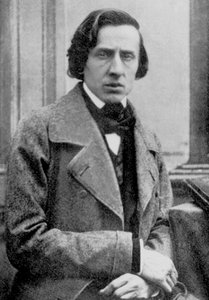
Anne François Louis Janmot
1814 - 1892 , Francia
Datos clave
- Artistas Influenciados Por Este Artista:
- Puvis de Chavannes
- Odilon Redon
- Maurice Denis
- Pre-Rafaelitas
- Artistas Que Influyeron:
- Victor Orsel
- Ingres
- Fecha De Fallecimiento: 1 de junio de 1892
- Fecha De Nacimiento: 21 de mayo de 1814
- Lugar De Nacimiento: Lyon, Francia
- Movimiento Artístico: Romanticismo y Simbolismo
- Nacionalidad: Francés
- Nombre Completo: Anne François Louis Janmot
- Obras Notables:
- Resurrección del hijo de Nain
- Cristo en Getsemaní
- Flor de los campos
- Poema del alma
Artículos relacionados
Dante Gabriel Rossetti: Las 25 Obras Maestras del Prerrafaelismo | ArtsDot
Descubre las 25 obras maestras de Dante Gabriel Rossetti, el máximo exponente del Prerrafaelismo. Explora su simbolismo, retratos victorianos y la belleza femenina en lienzos inolvidables. Reproducciones de arte exclusivas en ArtsDot.com.
Arthur Hughes: Pre-Raphaelite Visions of Beauty & Melancholy
Explore the captivating world of Arthur Hughes (1832-1915), a leading Pre-Raphaelite painter. Discover his dreamy landscapes, poetic narratives & iconic Victorian artworks. Learn about his life, style & collecting today.
Sir John Everett Millais: Pre-Raphaelite Rebellion & Victorian Narrative Detail
Explore the revolutionary art of Sir John Everett Millais & the Pre-Raphaelite Brotherhood. Discover their radical realism, symbolic narratives, and lasting impact on Victorian aesthetics. A deep dive into 19th-century masterpieces.
La Hermandad Prerrafaelita: Rebelión Estética y Romance Medieval en el Arte Victoriano
Descubre la fascinante historia de la Hermandad Prerrafaelita y su rebelión estética contra el arte victoriano. Análisis profundo de sus obras, temas y legado con expertos en arte.
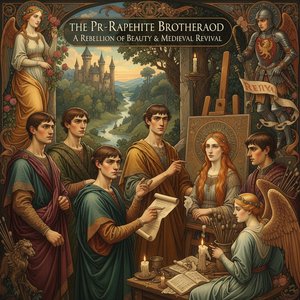
La Hermandad Prerrafaelita: Una Rebelión Estética y el Renacimiento Medieval en la Pintura Victoriana
Descubre la Hermandad Prerrafaelita: su rebelión contra el arte académico victoriano y su fascinante retorno a los maestros del Renacimiento. Análisis profundo, artistas clave y obras emblemáticas.

