 Ver en contexto
 Enviar
 Compartir
 Detalles

 Descargar
 Similares
 Radiografía
 Presentación de diapositivas
 Estadísticas
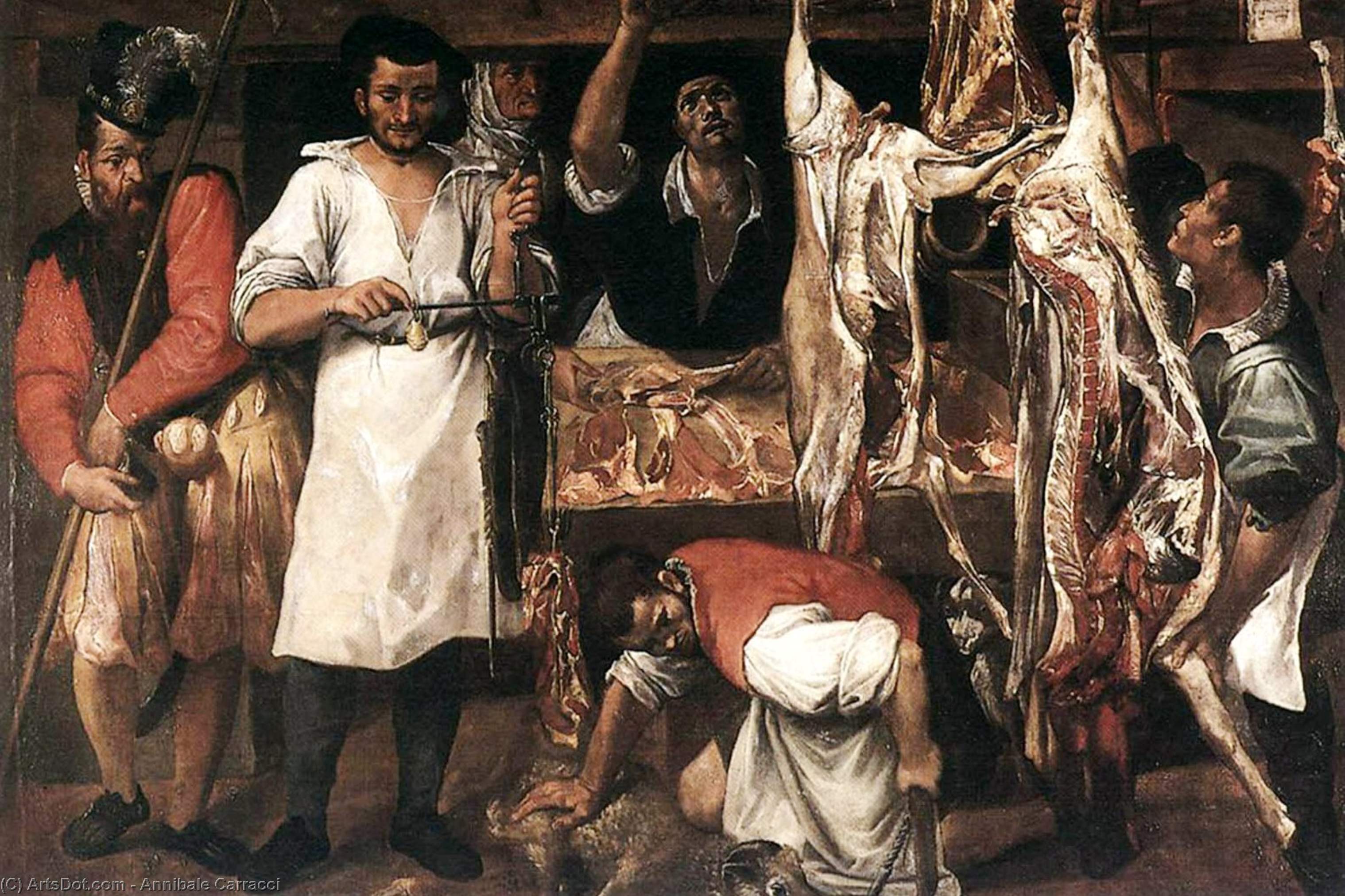
Butcher's Shop
 Oil On Canvas
- WallArt
- Baroque Painting
 1580
1580 185.0 x 266.0 cm
 Galería de la Iglesia de Cristo
 Ver más
Giclée / Impresión de arte
Impresiones giclée o en lienzo de calidad de museo con producción rápida y opciones de acabado flexibles. ( Comprar pintura hecha a mano Cambiar a imagen digital)




P118B $10

P118H $10

P118W $10

P438Z $10

P508JH $12

P508YH $12

P805H $10

P805Z $10

P919BZ $10

P919G $10

P919XJ $10

P959ZH $10

P968JZ $12

W106C $8

W218G $10

W218JH $8

W218Y $10

W307PJ $10

W316G $10

W316PJ $8

W316Y $10

W398PJ $8

W4111J $10

W500HY $15

W500JH $15

W692G $12

W849H $8

W940BG $15

W953PJ $8




Elija entre nuestros tamaños predefinidos que respetan las proporciones originales de la obra.

Puede introducir sus propias dimensiones para adaptarse a un marco o espacio específico. Si el tamaño seleccionado no coincide con las proporciones de la imagen original, recortaremos la obra de arte o extenderemos la imagen con un borde con efecto espejo o de color sólido. Se enviará una maqueta digital para su aprobación antes de que comience la producción.
Tenga en cuenta que la vista previa en pantalla no refleja el recorte o la extensión real. Solo la maqueta mostrará con precisión la composición final.
Aunque existen tamaños personalizados, recomendamos seleccionar una dimensión de la lista predefinida para preservar las proporciones originales.
Envío a todo el mundo () en 2 semanas en lugar de las 4/5 semanas estándar. (9 septiembre)

Envío exprés gratuito a todo el mundo

Lienzo de lino de alta calidad

Seguro de envío total

Garantía de reembolso de impuestos aduaneros

Garantía de fidelidad cromática exacta

Política de devolución de 100 días (solo por defectos)

Garantía de devolución del 100% del dinero

Descuento por cantidad
 La opción de vidrio solo está disponible en tamaños inferiores a 110 cm.

Butcher's Shop
Giclée / Impresión de arte
Dimensiones de la reproducción
-


Precio total final
$ 62
A Window into Renaissance Life: Annibale Carracci’s “Butcher’s Shop”
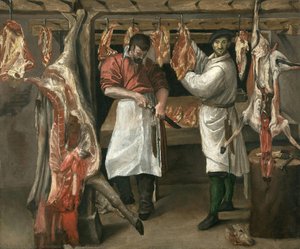
Annibale Carracci's "Butcher’s Shop," painted in 1580, isn’t merely a depiction of a bustling marketplace; it’s a vibrant snapshot of everyday life rendered with the meticulous observation and dramatic flair characteristic of the Bolognese School. Housed within the venerable Christ Church Picture Gallery in Oxford, this oil on canvas offers a remarkably intimate glimpse into the world of a 16th-century butcher's shop – a space brimming with activity, commerce, and surprisingly nuanced human interaction. More than just a genre scene, Carracci’s masterpiece is a testament to his mastery of light, composition, and the art of capturing the essence of a common profession, elevating it to an unexpectedly compelling subject matter. The painting immediately draws the viewer in, inviting them to become part of this lively tableau, a world both familiar and subtly transformed by the artist's discerning eye.The Art of Chiaroscuro: Light and Drama
Carracci’s genius lies not just in his detailed representation but in his masterful manipulation of light and shadow – a technique known as *chiaroscuro*. He employs this dramatic contrast to sculpt forms, create depth, and guide the viewer's gaze. Notice how the strong light illuminates the central figure, a butcher holding a knife poised over a freshly butchered animal, while simultaneously plunging other areas into darkness. This isn’t simply about creating visual interest; it’s a deliberate strategy for emphasizing key elements and drawing attention to the narrative unfolding before us. The play of light across the rough-hewn beams and the glistening surfaces of meat creates a palpable sense of realism, almost as if we could step directly into this bustling scene. Carracci's use of *chiaroscuro* elevates the mundane to the dramatic, transforming a simple butcher’s shop into a stage for human drama.A Symphony of Composition: Storytelling Through Arrangement
The composition of “Butcher’s Shop” is meticulously crafted, functioning almost like a carefully arranged still life combined with a miniature narrative. The central figure – the butcher himself – immediately commands attention, his posture and gesture conveying both authority and a certain weariness. Surrounding him are a cast of characters engaged in various tasks: a servant dragging a carcass, another preparing to slaughter an animal, and an elderly woman attempting to pilfer a piece of meat. Each individual is rendered with remarkable detail, contributing to the overall sense of bustling activity. Carracci’s skill lies in his ability to create movement and dynamism within this static scene – a testament to his understanding of human behavior and his talent for capturing fleeting moments. The arrangement isn't random; it’s a deliberate construction designed to tell a story, inviting us to observe the interactions and relationships between these individuals.Symbolism and Social Commentary
Beyond its technical brilliance, “Butcher’s Shop” offers subtle layers of symbolism and social commentary. The presence of the opportunistic old woman attempting to steal meat speaks volumes about the realities of poverty and survival in 16th-century society. The butcher's solemn demeanor suggests a profession that is both vital and demanding, while the careful arrangement of the meats on display hints at the importance of trade and commerce. Carracci’s decision to portray this seemingly humble profession with such dignity and attention to detail challenges conventional notions of beauty and elevates it to an artful subject. The painting subtly critiques social inequalities while celebrating the everyday lives of ordinary people.A Legacy of Renaissance Innovation
Annibale Carracci was a pivotal figure in the transition from the High Renaissance to the Baroque period, bridging the ideals of his predecessors with a more dynamic and expressive style. “Butcher’s Shop” exemplifies this shift, showcasing his innovative approach to composition, light, and color. His embrace of direct observation – drawing inspiration from life rather than relying solely on classical models – marked a significant departure from previous artistic conventions. The painting's influence can be seen in the works of subsequent generations of artists, solidifying Carracci’s place as one of the most important figures in Italian art history. Reproductions of this captivating work continue to inspire and delight viewers today, offering a rare glimpse into the vibrant world of Renaissance Italy.Obras relacionadas
Biografía del artista
Primeros años y formación
- Nacimiento: Bolonia, Italia (3 de noviembre de 1560)
- Fallecimiento: Roma, Italia (15 de julio de 1609)
- Annibale Carracci nació en una familia de artistas en Bolonia. Es probable que recibiera su formación inicial dentro del taller familiar.
- En 1582, junto con su hermano Agostino y su primo Ludovico, Annibale estableció un estudio de pintura en Bolonia conocido como la Academia de los Desiderosi (Academia de los Deseosos). Esta academia más tarde se convirtió en la Accademia degli Incamminati (Academia de los Progresistas), enfatizando el dibujo a partir del natural y la discusión artística.
Estilo artístico e influencias
- El estilo de Carracci se caracterizó por una mezcla ecléctica, combinando el dibujo lineal reminiscente de artistas florentinos como Rafael y Andrea del Sarto con el color vibrante y los efectos atmosféricos de pintores venecianos, particularmente Tiziano.
- Buscó revivir los ideales del Alto Renacimiento, alejándose de las complejidades del manierismo.
- Influencias clave incluyeron:
- Rafael: Por su claridad y equilibrio compositivo.
- Andrea del Sarto: Por su enfoque naturalista de las figuras.
- Tiziano: Por sus paletas de colores ricos y pinceladas expresivas.
- Correggio: Por sus composiciones dinámicas y efectos ilusionistas, particularmente evidentes en los frescos.
- La síntesis de Carracci de estas influencias ayudó a definir la Escuela Boloñesa de pintura, una rama significativa del arte barroco.
Obras destacadas y logros
- El triunfo de Baco y Ariadna (Palacio Farnesio, Roma): Este ciclo monumental de frescos es considerado como una de las obras maestras de Carracci. Demuestra su dominio de las técnicas ilusionistas, la composición dinámica y el color vibrante. La obra representa escenas del mito de Baco, dios del vino, y celebra el amor humano bajo la guía divina.
- Los amores de los dioses (Palacio Farnesio, Roma): Otro importante ciclo de frescos en el Palacio Farnesio, que explora temas de mitología y amor con una mezcla de idealismo clásico y observación naturalista.
- Retrato de Giovanni Gabrieli con la Lira: Un retrato notable que demuestra la habilidad de Carracci para capturar el carácter individual y crear una sensación de inmediatez.
- La Sagrada Familia con el Niño San Juan Bautista: Un ejemplo de sus pinturas religiosas, que muestra su capacidad para combinar piedad con innovación artística.
Desarrollo y Significado Histórico
- Las primeras obras de Carracci en Bolonia lo establecieron como una figura destacada en la revitalización de los ideales clásicos y el naturalismo.
- Su traslado a Roma y su trabajo en el Palacio Farnesio marcaron un punto de inflexión, consolidando su reputación e influyendo en generaciones de artistas.
- Jugó un papel crucial en la transición del manierismo al arte barroco, cerrando la brecha entre la estética del Alto Renacimiento y el estilo dinámico que dominaría el siglo XVII.
- La Accademia degli Incamminati, fundada por Carracci y sus asociados, sirvió como modelo para las academias de arte posteriores en toda Europa, promoviendo la formación artística basada en la observación y los principios clásicos.
- Su énfasis en el naturalismo y la expresión emocional allanó el camino para artistas como Caravaggio, que desarrollaron aún más estas cualidades en sus propios estilos distintivos.
Legado
- La influencia de Annibale Carracci se extendió mucho más allá de su vida. Su trabajo moldeó el desarrollo de la pintura barroca en toda Europa.
- Es recordado como una figura clave en la historia del arte, cerrando la brecha entre las estéticas renacentistas y barrocas.
- Sus frescos en el Palacio Farnesio siguen siendo ejemplos icónicos del ilusionismo barroco y la grandeza artística.
- La familia Carracci – Annibale, Agostino y Ludovico – dejaron colectivamente una huella indeleble en el arte italiano, estableciendo Bolonia como un importante centro de innovación artística.
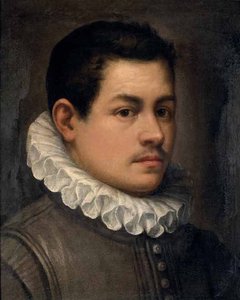
Annibale Carracci
1560 - 1609 , Italia
Datos clave
- Artistas Influenciados:
- Cortona
- Lanfranco
- Andrea Pozzo
- Artistas Que Influyeron:
- Rafael
- Andrea del Sarto
- Tiziano
- Fecha De Fallecimiento: 15 de julio de 1609
- Fecha De Nacimiento: 3 de noviembre de 1560
- Lugar De Nacimiento: Bolonia, Italia
- Movimiento Artístico: Barroco, Escuela boloñesa
- Nacionalidad: Italiana
- Nombre Completo: Annibale Carracci
- Obras Notables:
- Triunfo de Baco y Ariadna
- Los amores de los dioses
- Retrato de Giovanni Gabrieli
Artículos relacionados

El Óleo sobre Lienzo: Historia, Técnica y la Persistencia de un Medio Artístico Atemporal
Descubre la historia y técnica del óleo sobre lienzo. Explora reproducciones fieles hechas a mano, personalización artística y consejos de expertos con ArtsDot. ¡Colecciona arte con confianza!

The Enduring Power of Painting: A Historical & Contemporary Exploration of Form and Emotion
Explore the rich history & enduring techniques of oil painting with ArtsDot. Discover masterpieces, learn about art collecting, and find authentic handmade reproductions crafted by skilled artists.

El Legado Duradero del Óleo sobre Lienzo: Técnica, Historia y Práctica Contemporánea
Descubre la historia y técnica del óleo sobre lienzo. Explora reproducciones fieles hechas a mano, personalización artística y consejos de expertos con .

The Enduring Legacy of Oil on Canvas: Technique, History & Aesthetic Impact
Explore the rich history & techniques of oil painting – from Renaissance masters to Impressionism. Discover pigments, layering methods, and why this timeless medium endures. Expert insights for artists & art enthusiasts.
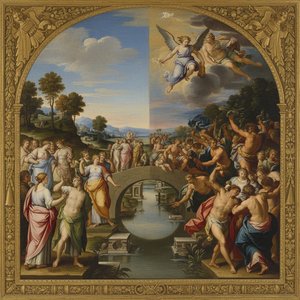
Annibale Carracci: Bridging Renaissance Ideals & Baroque Innovation
Explore the life & art of Annibale Carracci, a pivotal figure bridging Renaissance ideals with Baroque innovation. Discover his masterpieces and lasting influence on Italian painting.