

 Ver en contexto
 Enviar
 Compartir
 Detalles

 Descargar
 Similares
 Radiografía
 Presentación de diapositivas
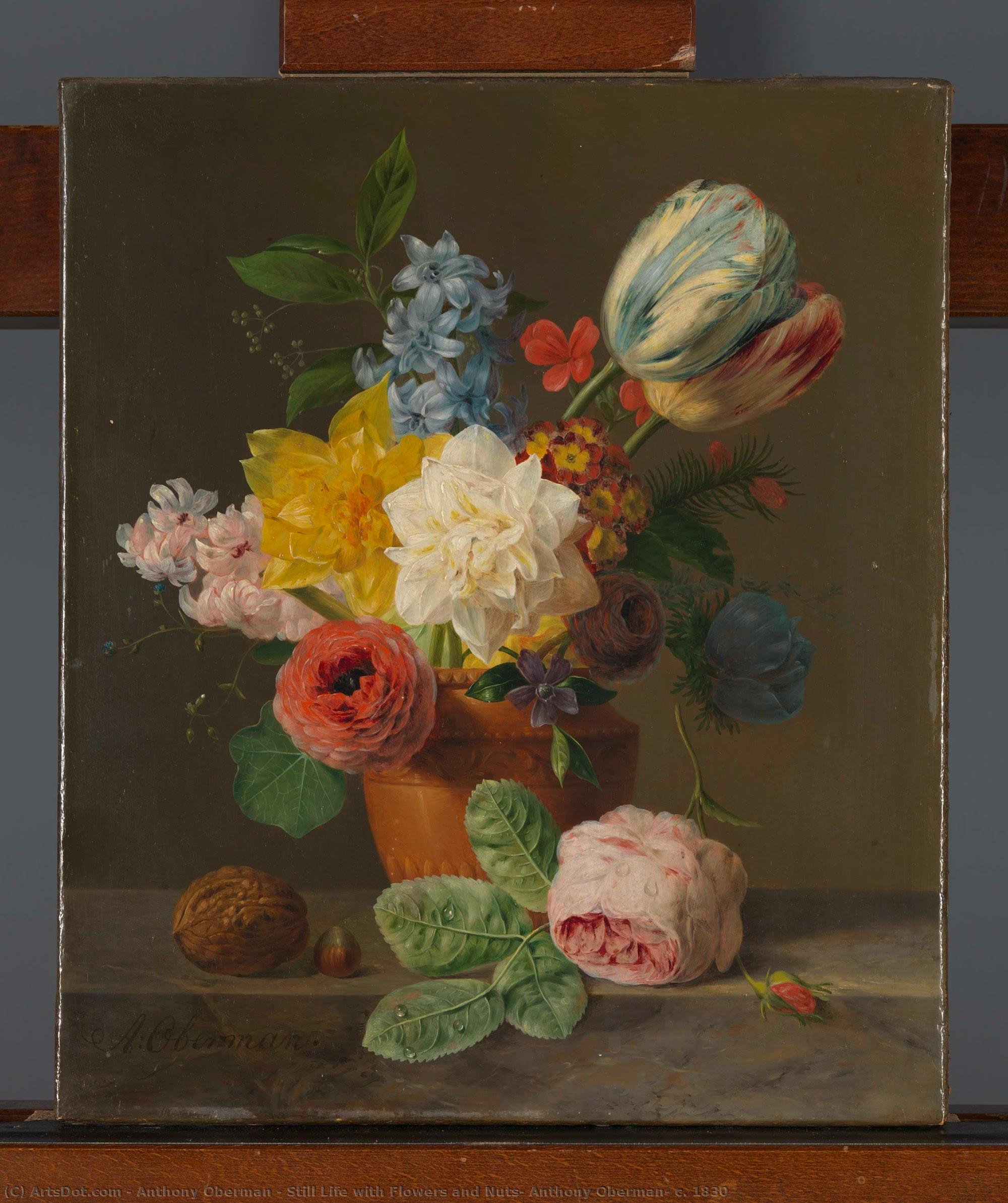
Still Life with Flowers and Nuts, Anthony Oberman, c. 1830
 1830
1830 50.0 x 44.0 cm
 Ver más
Giclée / Impresión de arte
Impresiones giclée o en lienzo de calidad de museo con producción rápida y opciones de acabado flexibles. ( Comprar pintura hecha a mano Comprar imagen)




































Elija entre nuestros tamaños predefinidos que respetan las proporciones originales de la obra.

Puede introducir sus propias dimensiones para adaptarse a un marco o espacio específico. Si el tamaño seleccionado no coincide con las proporciones de la imagen original, recortaremos la obra de arte o extenderemos la imagen con un borde con efecto espejo o de color sólido. Se enviará una maqueta digital para su aprobación antes de que comience la producción.
Tenga en cuenta que la vista previa en pantalla no refleja el recorte o la extensión real. Solo la maqueta mostrará con precisión la composición final.
Aunque existen tamaños personalizados, recomendamos seleccionar una dimensión de la lista predefinida para preservar las proporciones originales.
Envío a todo el mundo () en 2 semanas en lugar de las 4/5 semanas estándar. (28 agosto)

Envío exprés gratuito a todo el mundo

Lienzo de lino de alta calidad

Seguro de envío total

Garantía de reembolso de impuestos aduaneros

Garantía de fidelidad cromática exacta

Política de devolución de 60 días (solo por defectos)

Garantía de devolución del 100% del dinero

Descuento por cantidad
 La opción de vidrio solo está disponible en tamaños inferiores a 110 cm.

Still Life with Flowers and Nuts, Anthony Oberman, c. 1830
Giclée / Impresión de arte
Dimensiones de la reproducción
-


Precio total final
$ 62
Obras relacionadas









Biografía del artista
Anthony Oberman: A Dutch Portraitist Bridging Classical Tradition and Romantic Impression
Anthony Oberman (1781 – 1845) stands as a significant figure in 19th-century Dutch art, primarily recognized for his meticulously crafted portraits and genre scenes that captured the spirit of his era. Born in Amsterdam during a period marked by burgeoning artistic experimentation and societal transformation, Oberman’s formative years were steeped in the traditions of Haarlem Baroque painting—a legacy he skillfully assimilated into his own distinctive style. His education at the Stadstekenacademie provided him with foundational skills, propelling him towards a career dedicated to depicting individuals and everyday life with remarkable accuracy and sensitivity. Oberman's artistic journey commenced amidst the intellectual fervor surrounding Romanticism, yet he steadfastly adhered to classical principles of composition and disegno—the Italian term for drawing—demonstrating an admirable ability to synthesize disparate influences. This approach is vividly exemplified in his celebrated work, “The Artist at His Studio” (1820), housed within the Rijksmuseum’s collection. The painting portrays a solitary artist amidst his workspace, bathed in natural light and surrounded by sketches and pigments—a scene imbued with symbolic resonance that speaks to the pursuit of artistic excellence and the contemplation of creative process. It's considered one of Oberman’s masterpieces, showcasing his mastery of tonal gradation and anatomical precision; a testament to his unwavering commitment to classical technique. Beyond “The Artist at His Studio,” Oberman produced a substantial body of genre paintings depicting scenes from Dutch domestic life—often featuring children playing in meadows or portraying intimate family gatherings. These works reveal an astute observation of human behavior and emotion, underpinned by a meticulous attention to detail. Notably, his depictions of Adriaan van der Hoop’s Trotter ‘De Vlugge’ (The Fast One) and ‘De Rot’ at the Coach House offer compelling insights into Dutch equestrian culture during the Romantic period—a deliberate contrast to the idealized landscapes favored by many contemporaries. Oberman's technique—characterized by subtle brushstrokes and masterful use of color—mirrors the stylistic innovations championed by artists like Jean-Auguste Dominique Ingres, reflecting a broader engagement with European artistic currents. His influence extended beyond his immediate contemporaries; Oberman’s dedication to classical draughtsmanship served as an inspiration for subsequent generations of Dutch painters. He established himself as a respected teacher and mentor, fostering a commitment to artistic rigor within the Haarlem Academy—a tradition that endured for decades after his passing. Anthony Oberman's enduring legacy resides not merely in his individual paintings but also in his contribution to upholding the values of artistic excellence and humanist observation—qualities that continue to resonate with art historians and collectors alike. He is remembered as a pivotal figure in preserving the heritage of Haarlem Baroque painting while simultaneously embracing the expressive dynamism of Romanticism, securing his place among the most influential portraitists of his time.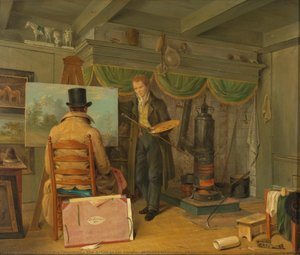
anthony oberman
1781 - 1845 , Países Bajos
Datos clave
- Artistic Movement Or Style: Classical portraiture
- Date Of Birth: Amsterdam, Netherlands (1781)
- Date Of Death: 1845
- Full Name: Anthony Oberman
- Nationality: Dutch
- Notable Artworks: ['The Artist at His Studio']
- Place Of Birth: Amsterdam, Netherlands

