

 Ver en contexto
 Enviar
 Compartir
 Detalles

 Descargar
 Similares
 Radiografía
 Presentación de diapositivas
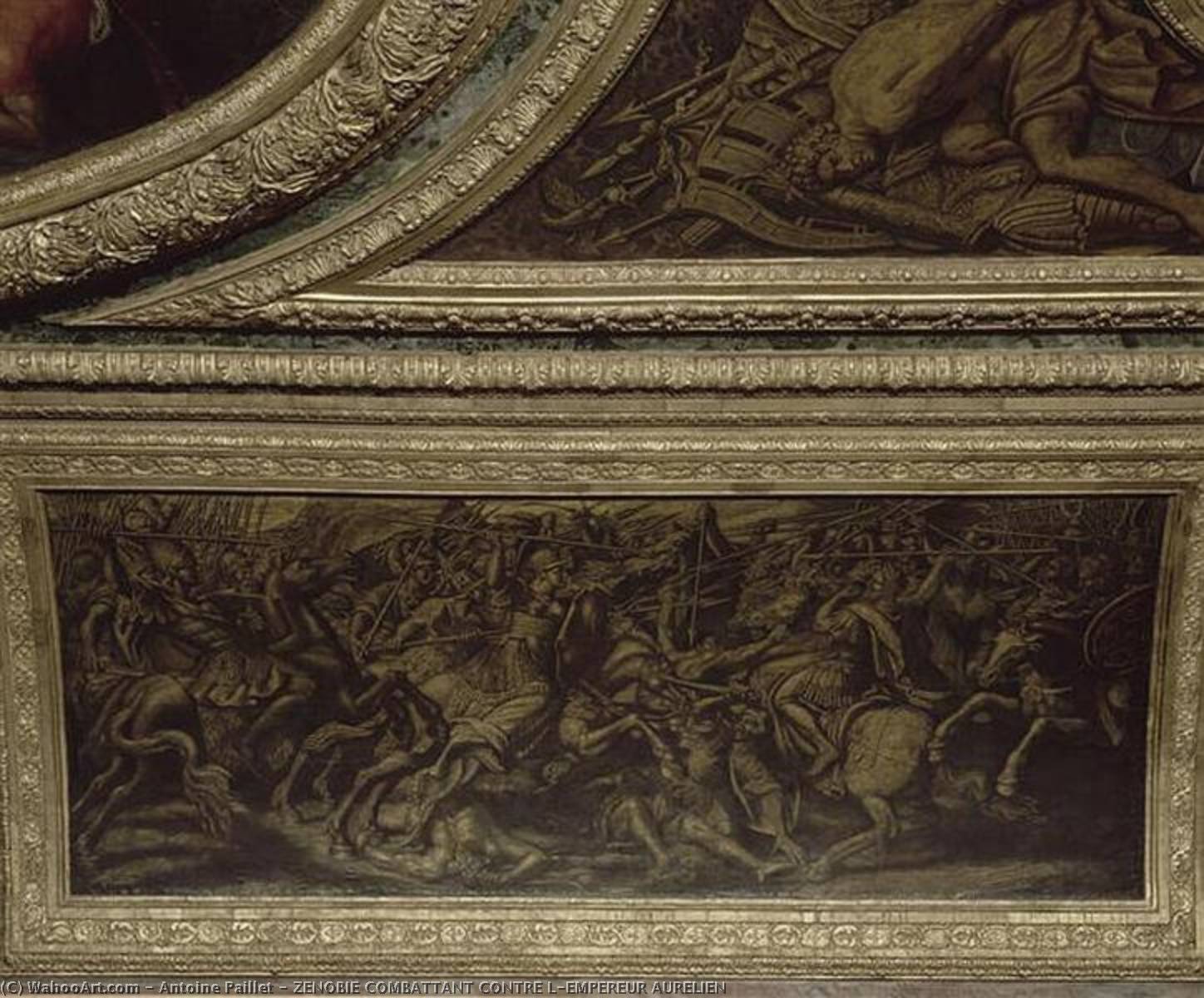
ZENOBIE COMBATTANT CONTRE L'EMPEREUR AURELIEN

 Ver más
Adquiera una imagen digital de alta resolución y optimizada, muy superior a la vista previa en línea.
Cada archivo es preparado meticulosamente por nuestros especialistas internos mediante el uso de herramientas avanzadas y un experto retoque manual. Nos aseguramos de que cada imagen posea una claridad excepcional, una precisión cromática impecable y un detalle minucioso.
El archivo final se entrega por correo electrónico en un plazo de 72 horas, optimizado para su uso inmediato en entornos profesionales, editoriales y de impresión. Esta es la misma calidad en la que confían los estudios de diseño, las editoriales y las galerías de primer nivel.
Imagen Digital
Descarga un archivo de alta resolución para exhibición personal, impresión y proyectos creativos. ( Comprar impresión Comprar pintura hecha a mano)
Incluido en cada pedido de imágenes digitales
Entrega digital experta, garantizada.
Al elegir ArtsDot.com, no solo está adquiriendo una imagen; está recibiendo una obra de arte digital mejorada profesionalmente, elaborada con precisión y respaldada por una garantía de satisfacción. Esto es todo lo que incluye su pedido, automáticamente:

Entrega rápida por email
Recibirá su archivo de imagen digital en alta resolución por correo electrónico en un plazo de 72 horas tras realizar su pedido, listo para su uso inmediato.

Archivo digital optimizado por IA
Su obra de arte se optimiza profesionalmente mediante herramientas avanzadas de IA y edición manual, garantizando el máximo detalle, claridad y precisión cromática.

Reenvío gratuito de por vida
¿Has borrado o perdido tu archivo por error? No te preocupes: te lo volveremos a enviar en cualquier momento, sin coste adicional.

Sin gastos de importación, siempre
Disfrute de su obra de arte al instante sin aduanas, aranceles ni gastos de envío; las descargas digitales siempre están libres de impuestos.

Garantía de fidelidad de color
Garantizamos que su imagen digital refleje los colores originales con la mayor fidelidad posible, mediante el uso de herramientas profesionales y gestión del color.

Garantía de satisfacción de 60 días
Si no está satisfecho con su imagen digital, la revisaremos o le reembolsaremos el 100% en un plazo de 60 días, sin preguntas.

100% Garantía de devolución de dinero
¿No está satisfecho? Obtenga un reembolso completo dentro de los 60 días posteriores a la recepción de su archivo digital, sin necesidad de explicaciones.

Descuentos por pedidos grandes
Compra 3 imágenes, ahorra 10% - Compra 5, ahorra 15% - Compra 10+, ahorra 20%. Ideal para proyectos creativos, galerías y agencias.
Obras relacionadas
Biografía del artista
Early Life and Artistic Formation
Antoine Paillet, born in Paris around 1626, emerged during a period of significant transformation within the French art world. While details surrounding his family remain scarce, it is known that he received his foundational training under Sébastien Bourdon, a leading figure of French Baroque painting and a founding member of the Académie Royale de Peinture et de Sculpture. Bourdon’s influence proved pivotal in shaping Paillet's early artistic sensibilities, instilling within him a penchant for dramatic historical narratives and refined portraiture. The mid-17th century Parisian art scene was characterized by an increasing embrace of Italianate styles and the burgeoning patronage of the royal court under Louis XIII, creating a dynamic environment that fostered the development of ambitious young painters like Paillet. His formal acceptance into the Académie Royale in 1659, marked by the presentation of his *Triomphe d’Auguste après la bataille d’Actium*, signaled his growing recognition within established artistic circles and demonstrated an early mastery of academic conventions.A Career Defined by Historical Grandeur
Paillet quickly distinguished himself as a painter specializing in large-scale historical compositions, often imbued with a theatrical intensity and a keen attention to detail. His canvases frequently depicted scenes of conflict, heroism, and the power struggles of antiquity, reflecting both the prevailing tastes of his aristocratic clientele and a broader fascination with classical themes during the reign of Louis XIV. He wasn’t merely replicating history; he was interpreting it through a Baroque lens—emphasizing movement, emotion, and vibrant color palettes. His works are not simply depictions of events but rather carefully constructed dramas designed to evoke awe and inspire contemplation. A notable example is *La Fureur et la Guerre*, a powerful fresco showcasing figures locked in fierce conflict, capturing the raw energy and chaos of battle with remarkable skill. This piece exemplifies his ability to translate complex narratives into visually arresting compositions.Portraits and Academic Recognition
Beyond his historical paintings, Paillet also cultivated a successful practice as a portraitist, capturing the likenesses of prominent figures within Parisian society. He executed portraits of playwright Pierre Corneille among others, many of which were subsequently engraved by artists such as Étienne Picart and Guillaume Vallet between 1663 and 1696. These engravings suggest that Paillet often worked *ad vivum* – directly from life – and potentially employed pastel techniques, though surviving examples of his pastels remain elusive. His dedication to the Académie Royale was further demonstrated by his elevation to the position of *recteur* in 1695, a testament to his influence within the French art world and his commitment to upholding academic standards. This role placed him at the forefront of artistic discourse and decision-making during a crucial period of stylistic evolution.Themes of Power and Female Agency
A recurring motif in Paillet’s oeuvre is the depiction of powerful women warriors, figures like Artemisia and Zenobia who challenged conventional gender roles and exerted significant political influence. *ZENOBIE COMBATTANT CONTRE L'EMPEREUR AURELIEN* stands as a compelling example of this fascination, portraying Zenobia, the warrior queen of Palmyra, in a dramatic confrontation with Emperor Aurelian. These paintings are not simply historical representations; they offer nuanced explorations of female agency, ambition, and resistance within patriarchal societies. Paillet’s choice of subject matter suggests an interest in challenging traditional narratives and celebrating figures who defied societal expectations. His depictions of these women are often imbued with a sense of dignity, strength, and unwavering determination.Legacy and Historical Significance
Antoine Paillet's works can be found today in esteemed institutions such as the Musée des Augustins in Toulouse and the Palace of Versailles near Paris, serving as enduring testaments to his artistic skill and historical importance. While perhaps not as widely celebrated as some of his contemporaries, Paillet played a significant role in shaping the landscape of 17th-century French painting. His dramatic compositions, meticulous attention to detail, and exploration of themes of power and female agency continue to resonate with audiences today. He represents a fascinating intersection of Baroque grandeur, classical influence, and academic rigor, leaving behind a body of work that offers valuable insights into the artistic and cultural values of his time. His induction into the Académie Royale solidified his position as a respected member of the French art establishment, ensuring his legacy would endure for generations to come.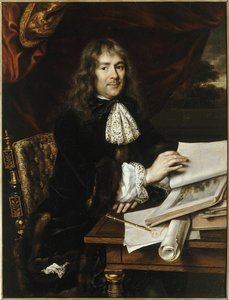
Antoine Paillet
1626 - 1701

