 Ver en contexto
 Enviar
 Compartir
 Detalles

 Descargar
 Similares
 Radiografía
 Presentación de diapositivas
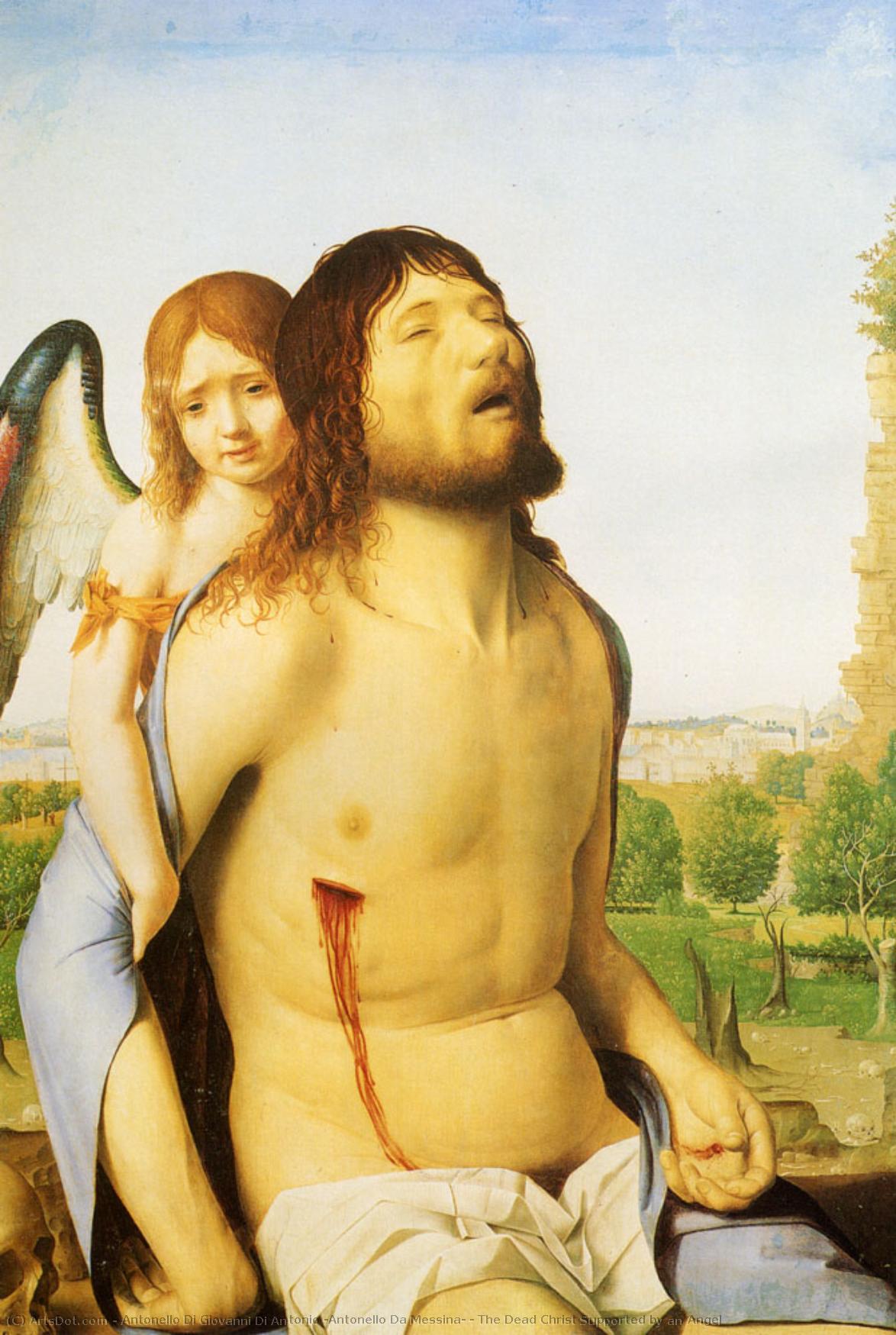
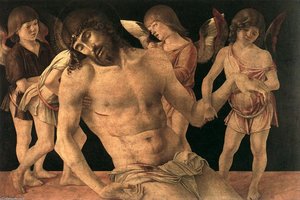
The Dead Christ Supported by an Angel
 Oil On Canvas
- WallArt
- Early Renaissance
 1478
1478 51.0 x 74.0 cm
 Museo del Prado
 Ver más
Giclée / Impresión de arte
Impresiones giclée o en lienzo de calidad de museo con producción rápida y opciones de acabado flexibles. ( Comprar pintura hecha a mano Comprar imagen)




P118B $10

P118H $10

P118W $10

P438Z $10

P508JH $12

P508YH $12

P805H $10

P805Z $10

P919BZ $10

P919G $10

P919XJ $10

P959ZH $10

P968JZ $12

W106C $8

W218G $10

W218JH $8

W218Y $10

W307PJ $10

W316G $10

W316PJ $8

W316Y $10

W398PJ $8

W4111J $10

W500HY $15

W500JH $15

W692G $12

W849H $8

W940BG $15

W953PJ $8




Elija entre nuestros tamaños predefinidos que respetan las proporciones originales de la obra.

Puede introducir sus propias dimensiones para adaptarse a un marco o espacio específico. Si el tamaño seleccionado no coincide con las proporciones de la imagen original, recortaremos la obra de arte o extenderemos la imagen con un borde con efecto espejo o de color sólido. Se enviará una maqueta digital para su aprobación antes de que comience la producción.
Tenga en cuenta que la vista previa en pantalla no refleja el recorte o la extensión real. Solo la maqueta mostrará con precisión la composición final.
Aunque existen tamaños personalizados, recomendamos seleccionar una dimensión de la lista predefinida para preservar las proporciones originales.
Envío a todo el mundo () en 2 semanas en lugar de las 4/5 semanas estándar. (27 agosto)

Envío exprés gratuito a todo el mundo

Lienzo de lino de alta calidad

Seguro de envío total

Garantía de reembolso de impuestos aduaneros

Garantía de fidelidad cromática exacta

Política de devolución de 60 días (solo por defectos)

Garantía de devolución del 100% del dinero

Descuento por cantidad
 La opción de vidrio solo está disponible en tamaños inferiores a 110 cm.

The Dead Christ Supported by an Angel
Giclée / Impresión de arte
Dimensiones de la reproducción
-


Precio total final
$ 62
Descripción de la pieza
The Lamentation of Christ: Antonello da Messina’s “Dead Christ Supported by an Angel”
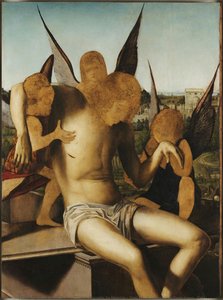
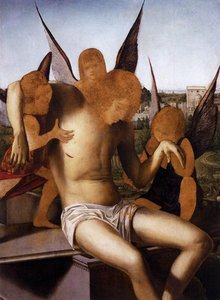
Antonello da Messina's "Dead Christ Supported by an Angel," painted in 1478, is not merely a depiction of death; it’s a profound meditation on grief, sacrifice, and divine consolation. This arresting work, now housed within the Museo del Prado in Madrid, transcends its simple subject matter to become a cornerstone of the Italian Renaissance, bridging the gap between the somber introspection of Early Netherlandish painting and the burgeoning humanism of the era. The scene unfolds with an almost unbearable intensity – Christ’s lifeless body, draped in coarse linen, rests upon a simple wooden cross, while Mary Magdalene, rendered with startling realism, kneels in sorrowful embrace. Yet, it is the presence of the angel, positioned on the right shoulder, that truly elevates the composition, offering a glimmer of hope amidst the overwhelming despair.
The painting’s genesis lies within the complex artistic landscape of 15th-century Italy. While often associated with the influence of Jan van Eyck – a claim debated by scholars – Messina's work demonstrates a uniquely Italian sensibility. He masterfully integrates elements borrowed from his Northern European contemporaries, particularly in the meticulous detail and luminous realism characteristic of Early Netherlandish painting, yet imbues them with a distinctly Sicilian character. The use of oil paint, a relatively new medium at the time, allows for an unprecedented level of subtlety and depth – capturing not just the physical appearance but also the emotional weight of the scene. Messina’s technical prowess is evident in the delicate rendering of textures: the rough fabric of Christ's shroud, the smooth skin of his face, the flowing drapery of Mary Magdalene, all rendered with astonishing precision.
A Symphony of Light and Shadow
The composition itself is a carefully orchestrated drama of light and shadow. Messina employs a sophisticated understanding of perspective, creating a sense of depth that draws the viewer into the scene. The light source, seemingly originating from an unseen window on the right, casts dramatic shadows across Christ’s body, emphasizing his vulnerability and mortality. This interplay of light and dark is not simply aesthetic; it serves to heighten the emotional impact of the image, mirroring the duality of grief and hope. Notice how the angel's wing subtly filters the light, creating a halo-like effect around Christ’s head – a visual representation of divine grace descending upon the scene.
The color palette is restrained yet evocative, dominated by muted earth tones—ochre, umber, and sienna—contrasted with touches of vibrant blue in Mary Magdalene's robe. This deliberate choice contributes to the painting’s somber mood, while also highlighting the key figures within the composition. The background cityscape, a stylized representation of Messina itself, provides a subtle grounding for the scene, anchoring it within its earthly context. It is a detail often overlooked, yet crucial to understanding the work's broader significance – a reminder that this profound meditation on loss and redemption unfolds within the everyday reality of Sicilian life.
Symbolism and Emotional Resonance
Beyond its technical brilliance, “Dead Christ Supported by an Angel” is rich in symbolic meaning. The pose of Christ—prone and vulnerable—directly references depictions of the *Pieta*, a motif deeply rooted in Christian iconography. However, Messina’s interpretation transcends mere imitation; he imbues the image with a profound sense of human emotion. Mary Magdalene's gesture – reaching out to embrace the dead Christ—is not simply an act of grief but also a symbol of compassion and devotion. The angel, traditionally associated with comfort and solace, offers a tangible representation of divine consolation, cradling Christ’s head in his hands.
The inclusion of the angel is particularly significant. It represents more than just a messenger of God; it embodies the promise of resurrection and eternal life. The angel's presence transforms the scene from one of utter despair into one of quiet hope, suggesting that even in death, there is the possibility of redemption. The painting’s enduring power lies in its ability to evoke a deeply felt emotional response – prompting viewers to contemplate themes of loss, faith, and the mysteries of human existence. It remains a testament to Antonello da Messina's artistic genius and his profound understanding of the human condition.
A Reproduction for Your Space
Reproductions of “Dead Christ Supported by an Angel” offer a remarkable opportunity to bring this iconic work into your home or office. The meticulous detail and emotional depth captured by Antonello da Messina are faithfully reproduced in high-quality prints, allowing you to experience the painting’s power firsthand. Consider framing your reproduction within a classic wooden frame to complement its Renaissance aesthetic, or opt for a contemporary setting to create a striking juxtaposition of styles. This artwork is more than just decoration; it's an invitation to contemplate one of art history’s most poignant and enduring images – a timeless reminder of the beauty and fragility of life.
Obras relacionadas
Biografía del artista
Antonello da Messina: Un Pionero de la Visión Renacentista
Antonello di Giovanni di Antonio, más comúnmente conocido como Antonello da Messina (c. 1430 – febrero de 1479), se erige como una figura fundamental en la transición del arte temprano renacentista al alto renacimiento. Nacido y criado en la vibrante ciudad portuaria de Messina, Sicilia, forjó una identidad artística única, fusionando el realismo meticuloso de la pintura flamenco-nórdica con los ideales humanistas emergentes de su tiempo. Aunque a menudo eclipsado por sus contemporáneos venecianos, la influencia de Antonello en las generaciones posteriores de pintores italianos—especialmente aquellos de Venecia—es innegable, marcándolo como un verdadero innovador y un puente entre tradiciones artísticas dispares.
Su vida temprana permanece envuelta en cierta oscuridad, aunque se cree que recibió su formación inicial del escultor Niccolò Colantonio en Nápoles. Este encuentro resultó crucial, exponiéndolo a las sofisticadas técnicas de los maestros flamencos como Jan van Eyck y Rogier van der Weyden, cuyo trabajo había sido coleccionado por el mecenas de Colantonio, Alfonso V de Aragón. Estas primeras influencias—caracterizadas por un detalle minucioso, colores luminosos y una profunda comprensión de la óptica—formaron los cimientos de su estilo distintivo. A diferencia de muchos artistas de su época que viajaban extensamente, Antonello permaneció principalmente en Messina, creando un cuerpo de trabajo que reflejaba tanto sus raíces sicilianas como su compromiso con las corrientes artísticas internacionales.
El Desarrollo de un Estilo Distintivo
El viaje artístico de Antonello se caracteriza por una evolución gradual. Sus primeras obras, como el “Crucifijo de Sibiu” (1455), demuestran una clara deuda con los maestros flamencos—especialmente en su uso del óleo y la representación meticulosa de las texturas. Las figuras poseen un realismo casi fotográfico, capturando detalles minúsculos con asombrosa precisión. Sin embargo, Antonello rápidamente se superó a sí mismo, imbuyendo sus pinturas con una sensibilidad distintivamente italiana. Introdujo una mayor sensación de profundidad espacial, empleando la perspectiva atmosférica para crear una ilusión más convincente de distancia. Además, desarrolló una técnica refinada para modelar las formas a través de sutiles gradaciones de luz y sombra, anticipando los efectos de claroscuro que se convertirían en un elemento central de la pintura renacentista. A diferencia de muchos artistas de su época que viajaban extensamente, Antonello permaneció principalmente en Messina, creando un cuerpo de trabajo que reflejaba tanto sus raíces sicilianas como su compromiso con las corrientes artísticas internacionales.
Un punto de inflexión clave en el desarrollo artístico de Antonello fue su encuentro con Giovanni Bellini en Venecia alrededor de 1456. Si bien la naturaleza exacta de esta interacción sigue siendo objeto de debate, está claro que Bellini influyó profundamente en el enfoque de Antonello hacia el color y la composición. El uso de colores ricos y saturados por parte de Bellini—especialmente los rojos y azules—y su énfasis en la belleza lírica tuvieron un impacto duradero en la paleta y el estilo de Antonello. La “Virgen Anunciada” (c. 1460), pintada poco después de este encuentro, ejemplifica esta transición, mostrando una armonía tonal más refinada y una mayor sensación de elegancia que sus obras anteriores.
Obras Clave e Innovaciones Artísticas
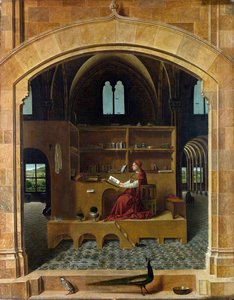
Las pinturas más celebradas de Antonello—incluyendo el “Estudio de San Jerónimo” (c. 1475) y la “Anunciación” (c. 1475)—son testimonio de su maestría artística. El “Estudio de San Jerónimo”, un panel pequeño pero notablemente complejo, se considera un logro fundamental en la pintura italiana. Demuestra el uso innovador de Antonello de la perspectiva, la luz y el detalle—una síntesis de las técnicas flamencas y los planteamientos franceses. La representación meticulosa de la anatomía del santo, combinada con el intrincado entorno arquitectónico, crea una ilusión convincente de profundidad y espacio.
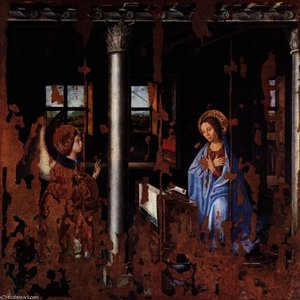
De manera similar, la “Anunciación” muestra la capacidad de Antonello para capturar momentos fugaces de emoción y gracia. La expresión serena de la Virgen María y la atención del ángel Gabriel transmiten un profundo sentido de reverencia. El uso magistral del óleo por parte de Antonello le permite lograr sutiles gradaciones de color y textura, creando una representación notablemente realista de estas figuras sagradas.
Legado e Influencia
A pesar de su relativamente corta carrera—murió en 1479 a la edad de solo 49 años—Antonello da Messina dejó una huella imborrable en la historia del arte italiano. Es ampliamente considerado como el introductor de la pintura al óleo en Italia, aunque esta afirmación ha sido debatida por los estudiosos. Independientemente de esto, el uso pionero de Antonello del óleo y sus técnicas innovadoras sin duda influyeron en una generación de pintores venecianos, incluyendo a Giorgione y Titian. Su énfasis en el realismo, la perspectiva atmosférica y la integración de ideales humanistas ayudó a dar forma al curso de la pintura renacentista en Italia.
La obra de Antonello sigue siendo admirada por su brillantez técnica, profundidad emocional y profundo sentido de belleza. Él sigue siendo una figura vital para comprender la compleja interacción entre las tradiciones artísticas y el cambiante panorama cultural de la Italia renacentista.
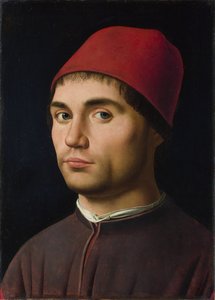
antonello di giovanni di antonio (antonello da messina)
1430 - 1479 , Italia
Datos clave
- Artistic Movement Or Style: Renacimiento temprano
- Artists Or Movements Influenced By This Artist: ['Piero della Francesca']
- Artists Who Influenced This Artist:
- Jan van Eyck
- Rogier van der Weyden
- Date Of Birth: c. 1430, Messina, Italia
- Date Of Death: 1479, Messina, Italia
- Full Name: Antonello di Giovanni di Antonio
- Nationality: Italiano
- Notable Artworks:
- Cristo muerto
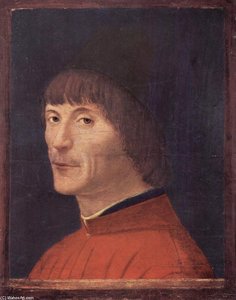
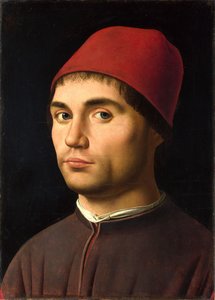
- Retrato hombre
- Place Of Birth: Messina, Italia
Artículos relacionados
Leonardo da Vinci: Las 25 Obras Maestras que Definieron un Genio | ArtsDot
Descubre las 25 obras maestras de Leonardo da Vinci, desde la Mona Lisa hasta La Última Cena. Explora su arte renacentista, técnicas innovadoras y el legado del genio italiano. Reproducciones de alta calidad para decorar tu hogar con belleza y historia en ArtsDot.com.
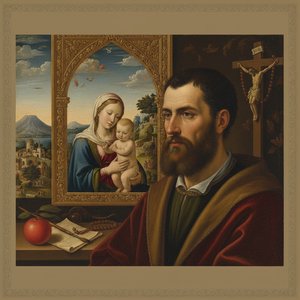
Antonello da Messina: Innovation, Devotion & the Sicilian Renaissance Master's Enduring Legacy
Explore the groundbreaking art of Antonello da Messina, a pivotal figure of the Renaissance. Discover his innovative oil painting techniques, captivating portraits, and lasting influence on Italian masters. Learn more at ArtsDot.
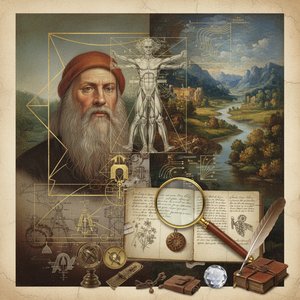
Leonardo da Vinci: Síntesis del Arte, la Ciencia y la Observación Humana en el Renacimiento – Una Reinterpretación para el Coleccionista
Descubra la síntesis del arte y la ciencia en Leonardo da Vinci. Análisis profundo de sus obras maestras, técnicas innovadoras y legado para coleccionistas exigentes. Una reinterpretación experta.
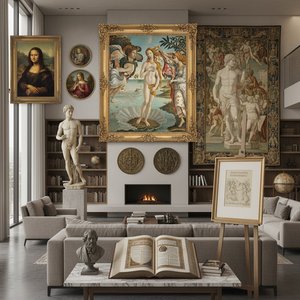
Renacimiento Humanista: 10 Obras Maestras que Cambiaron la Historia del Arte | ArtsDot
Descubre 10 obras maestras del Renacimiento Humanista: Leonardo, Miguel Ángel y Rafael. Explora la historia, técnica y belleza de estos iconos del arte italiano. Reproducciones de alta calidad en ArtsDot.com. ¡Encuentra tu obra perfecta!
Los 25 Tesoros del Museo Británico: Arte, Historia y Decoración Excepcional
Descubre los 25 tesoros del Museo Británico: desde la Piedra Rosetta hasta obras de Rembrandt y Van Gogh. Explora su historia, técnica y significado. Reproducciones de arte exclusivas en ArtsDot.com para decorar tu hogar con elegancia.