

 Ver en contexto
 Enviar
 Compartir
 Detalles

 Descargar
 Similares
 Radiografía
 Presentación de diapositivas
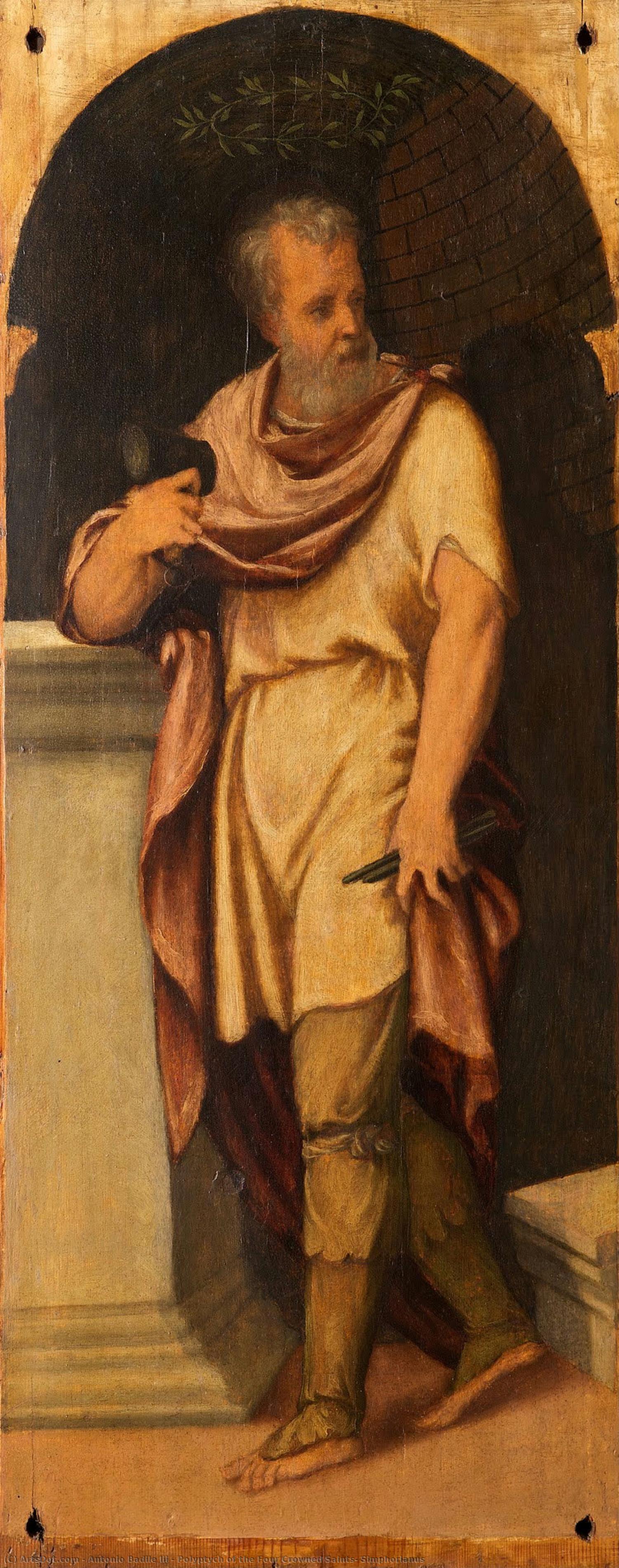
Polyptych of the Four Crowned Saints, Simphorianus


 Ver más
Adquiera una imagen digital de alta resolución y optimizada, muy superior a la vista previa en línea.
Cada archivo es preparado meticulosamente por nuestros especialistas internos mediante el uso de herramientas avanzadas y un experto retoque manual. Nos aseguramos de que cada imagen posea una claridad excepcional, una precisión cromática impecable y un detalle minucioso.
El archivo final se entrega por correo electrónico en un plazo de 72 horas, optimizado para su uso inmediato en entornos profesionales, editoriales y de impresión. Esta es la misma calidad en la que confían los estudios de diseño, las editoriales y las galerías de primer nivel.
Imagen Digital
Descarga un archivo de alta resolución para exhibición personal, impresión y proyectos creativos. ( Comprar impresión Comprar pintura hecha a mano)
Incluido en cada pedido de imágenes digitales
Entrega digital experta, garantizada.
Al elegir ArtsDot.com, no solo está adquiriendo una imagen; está recibiendo una obra de arte digital mejorada profesionalmente, elaborada con precisión y respaldada por una garantía de satisfacción. Esto es todo lo que incluye su pedido, automáticamente:

Entrega rápida por email
Recibirá su archivo de imagen digital en alta resolución por correo electrónico en un plazo de 72 horas tras realizar su pedido, listo para su uso inmediato.

Archivo digital optimizado por IA
Su obra de arte se optimiza profesionalmente mediante herramientas avanzadas de IA y edición manual, garantizando el máximo detalle, claridad y precisión cromática.

Reenvío gratuito de por vida
¿Has borrado o perdido tu archivo por error? No te preocupes: te lo volveremos a enviar en cualquier momento, sin coste adicional.

Sin gastos de importación, siempre
Disfrute de su obra de arte al instante sin aduanas, aranceles ni gastos de envío; las descargas digitales siempre están libres de impuestos.

Garantía de fidelidad de color
Garantizamos que su imagen digital refleje los colores originales con la mayor fidelidad posible, mediante el uso de herramientas profesionales y gestión del color.

Garantía de satisfacción de 60 días
Si no está satisfecho con su imagen digital, la revisaremos o le reembolsaremos el 100% en un plazo de 60 días, sin preguntas.

100% Garantía de devolución de dinero
¿No está satisfecho? Obtenga un reembolso completo dentro de los 60 días posteriores a la recepción de su archivo digital, sin necesidad de explicaciones.

Descuentos por pedidos grandes
Compra 3 imágenes, ahorra 10% - Compra 5, ahorra 15% - Compra 10+, ahorra 20%. Ideal para proyectos creativos, galerías y agencias.
Descripción del coleccionable
A Vision of Devotion: The Polyptych of the Four Crowned Saints
In the heart of Verona, within the hallowed halls of the Castelvecchio Museum, resides a profound testament to the spiritual and artistic fervor of the mid-16th century. Antonio Badile III’s Polyptych of the Four Crowned Saints, Simphorianus is not merely a painting but a window into the soul of the Counter-Reformation. Created in 1552, this masterful oil on board captures the solemnity of Saint Simphorianus with a gravity that commands immediate attention. The figure emerges from the shadows, his bearded countenance and classical toga suggesting a dignity rooted in the ancient Roman tradition. As he gazes downward, there is an introspective stillness, a quiet moment of martyrdom and reflection that invites the viewer to pause and contemplate the weight of faith.
The artistry of Badile III lies in his ability to bridge the gap between the fading elegance of the Gothic tradition and the burgeoning realism of the Italian Renaissance. In this specific panel, we see a masterful use of light and shadow—a technique that breathes life into the heavy folds of the saint's attire and defines the rugged texture of the brickwork behind him. The artist employs a subtle chiaroscuro to create a sense of three-dimensional space, making the figure feel as though he is occupying a tangible, physical realm. This interplay of light does more than just illuminate; it sculpts the emotion of the piece, casting a somber yet divine glow upon the martyr’s face.
Historical Resonance and Symbolic Depth
To understand this work is to understand the shifting tides of religious history in 16th-century Italy. The polyptych was originally commissioned for the Veronese church of San Pietro Incarnario, specifically for the altar dedicated to the art of stone cutting. This historical context imbues every brushstroke with meaning; the Four Crowned Saints were the patrons of sculptors and stonemasons, making this piece a sacred emblem of their craft. Badile III achieved something remarkable here by reuniting the Pannonian sculptors with the Roman officers in a single cohesive narrative, responding to the era's demand for historical accuracy and sacred unity.
The symbolism within the painting transcends the individual figure of Simphorianus. The very composition speaks to the endurance of the spirit against the temporal world. The architectural elements—the cold, unyielding brick wall—serve as a stark contrast to the human vulnerability and divine grace represented by the saint. For collectors and lovers of classical art, this piece offers a profound connection to the era of the Counter-Reformation, where art was used as a powerful tool to evoke piety, strength, and an unwavering commitment to one's convictions.
An Elegant Addition to Sophisticated Interiors
For the discerning interior designer or the passionate art collector, a high-quality reproduction of this polyptych offers more than just decoration; it provides a focal point of historical depth and intellectual intrigue. The muted, earthy tones and the dramatic, classical subject matter make it an exquisite addition to spaces that celebrate traditional elegance, such as libraries, study halls, or formal dining rooms. Its presence evokes a sense of timelessness, grounding a modern room with the weight of Renaissance history.
Integrating such a piece into a curated collection allows for a dialogue between the past and the present. Whether placed in a setting filled with rich textures like velvet and dark wood, or used to provide a classical contrast in a minimalist contemporary space, the Polyptych of the Four Crowned Saints serves as a conversation starter. It is an invitation to explore the legacy of Antonio Badile III and to surround oneself with the enduring beauty of Veronese mastery.
Obras relacionadas



Biografía del artista
primeros años y formación
antonio badile iii, pintor italiano de verona, nació en 1517, sumergido en un legado de gran prestigio, pues era nieto de giovanni badile da verona, un reconocido maestro del siglo XV. Su formación, forjada bajo la tutela de su tío francesco badile y de giovanni francesco caroto, sentó las bases fundamentales para el éxito que alcanzaría en su trayectoria profesional.influencias artísticas y estilo
la esencia de antonio se define por una maestría técnica que influyó profundamente en figuras como paul véronèse y su cuñado giovanni battista zelotti. Su pincel también se nutrió de la sensibilidad del pintor bresciano alessandro bonvicino (il moretto). Esta mezcla ecléctica de corrientes dio lugar a un estilo único, capaz de entrelazar con armonía los elementos del renacimiento italiano con la rica tradición veronesa.obras notables y legado
entre sus creaciones más memorables destacan piezas que narran la transición de épocas:- santos cecilia, tiburcio y valeriano (museo castelvecchio, verona, italia), un tríptico que revela su fascinación por integrar las innovaciones renacentistas dentro de una estructura lineal y gótica.
- retablo de san nazaro, que presenta a la madonna y los santos (1540), una obra donde su dominio de la composición y el color alcanza su plenitud.
- la resurrección de lazaro en la chapelle de la sainte-croix, iglesia de san bernardino, donde demuestra su destreza para capturar escenas de gran dramatismo.
museos y colecciones
la obra de antonio se preserva en diversas ciudades de la región del véneto. Para profundizar en su universo artístico y descubrir otros maestros, puede visitar el museo parrocchiale (verolanuova, italia) o explorar el extenso perfil del artista: antonio badile iii en ArtsDot.conclusión
las contribuciones de antonio badile iii a la tradición pictórica veronesa son innegables; su capacidad para fusionar influencias y su maestría compositiva han dejado una huella imborrable en el mundo del arte. Para sumergirse más profundamente en su legado y en el de otros artistas de renombre, le invitamos a explorar la completa base de datos de arte de ArtsDot.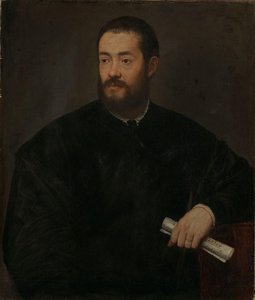
Antonio Badile Iii
1517 - 1560 , Italia
Breves datos
- Artistas O Movimientos Influenciados Por Este Artista:
- Leonardo da Vinci
- Estilo de Savonarola
- Artistas Que Influyeron En Este Artista:
- Cosimo Rosselli
- Rafael
- Fecha De Muerte: 31 de octubre de 1517
- Fecha De Nacimiento: 28 de marzo de 1472
- Lugar De Nacimiento: Savignano di Prato, Toscana
- Movimiento O Estilo Artístico: Alto Renacimiento
- Nacionalidad: Renacimiento italiano
- Nombre Completo: Fra Bartolomeo”
- Obras Notables:
- Visión de San Bernardo
- Retrato de Savonarola

