

 Ver en contexto
 Enviar
 Compartir
 Detalles

 Descargar
 Similares
 Radiografía
 Presentación de diapositivas
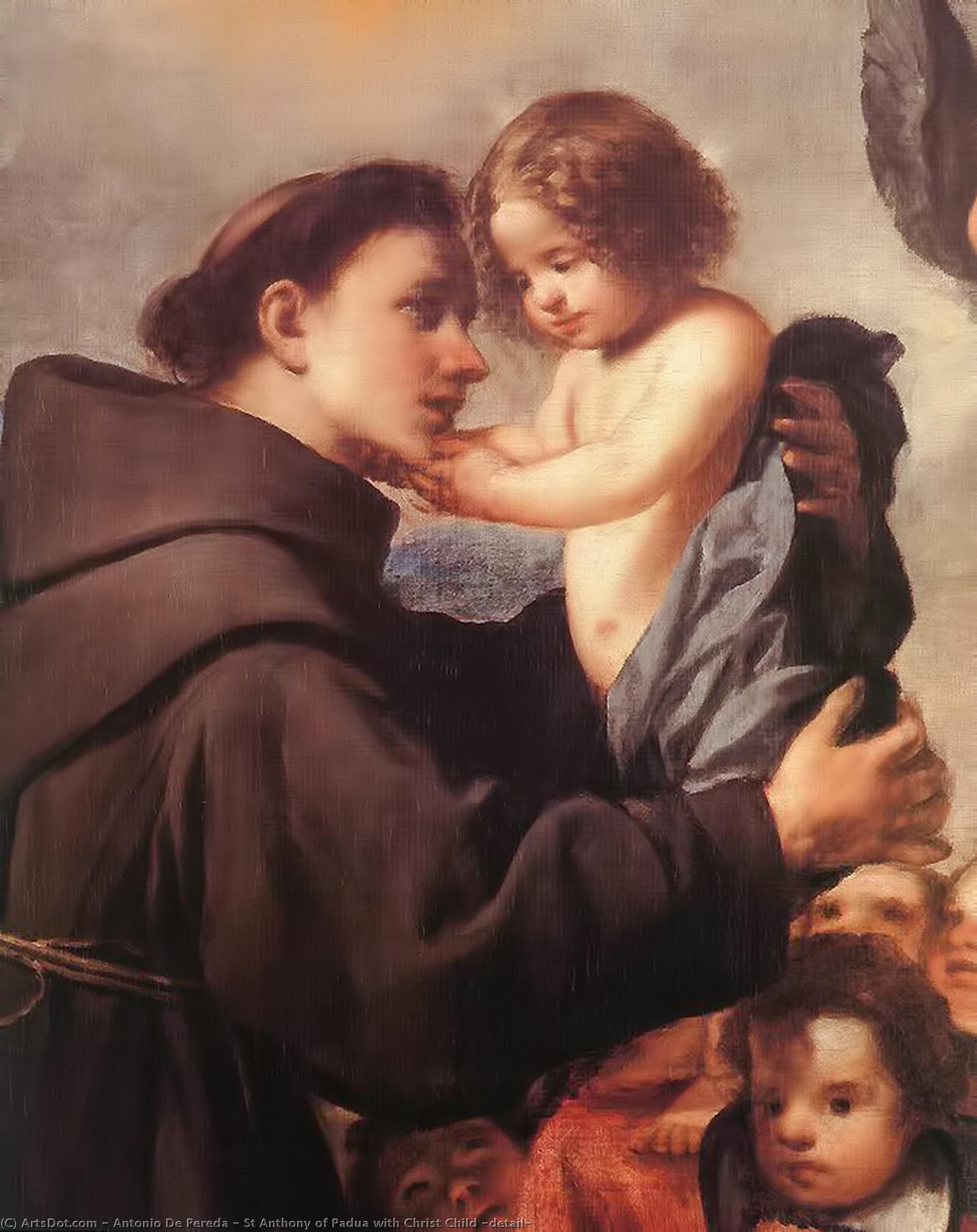
St Anthony of Padua with Christ Child (detail)


 Ver más
Adquiera una imagen digital de alta resolución y optimizada, muy superior a la vista previa en línea.
Cada archivo es preparado meticulosamente por nuestros especialistas internos mediante el uso de herramientas avanzadas y un experto retoque manual. Nos aseguramos de que cada imagen posea una claridad excepcional, una precisión cromática impecable y un detalle minucioso.
El archivo final se entrega por correo electrónico en un plazo de 72 horas, optimizado para su uso inmediato en entornos profesionales, editoriales y de impresión. Esta es la misma calidad en la que confían los estudios de diseño, las editoriales y las galerías de primer nivel.
Imagen Digital
Descarga un archivo de alta resolución para exhibición personal, impresión y proyectos creativos. ( Comprar impresión Comprar pintura hecha a mano)
Incluido en cada pedido de imágenes digitales
Entrega digital experta, garantizada.
Al elegir ArtsDot.com, no solo está adquiriendo una imagen; está recibiendo una obra de arte digital mejorada profesionalmente, elaborada con precisión y respaldada por una garantía de satisfacción. Esto es todo lo que incluye su pedido, automáticamente:

Entrega rápida por email
Recibirá su archivo de imagen digital en alta resolución por correo electrónico en un plazo de 72 horas tras realizar su pedido, listo para su uso inmediato.

Archivo digital optimizado por IA
Su obra de arte se optimiza profesionalmente mediante herramientas avanzadas de IA y edición manual, garantizando el máximo detalle, claridad y precisión cromática.

Reenvío gratuito de por vida
¿Has borrado o perdido tu archivo por error? No te preocupes: te lo volveremos a enviar en cualquier momento, sin coste adicional.

Sin gastos de importación, siempre
Disfrute de su obra de arte al instante sin aduanas, aranceles ni gastos de envío; las descargas digitales siempre están libres de impuestos.

Garantía de fidelidad de color
Garantizamos que su imagen digital refleje los colores originales con la mayor fidelidad posible, mediante el uso de herramientas profesionales y gestión del color.

Garantía de satisfacción de 60 días
Si no está satisfecho con su imagen digital, la revisaremos o le reembolsaremos el 100% en un plazo de 60 días, sin preguntas.

100% Garantía de devolución de dinero
¿No está satisfecho? Obtenga un reembolso completo dentro de los 60 días posteriores a la recepción de su archivo digital, sin necesidad de explicaciones.

Descuentos por pedidos grandes
Compra 3 imágenes, ahorra 10% - Compra 5, ahorra 15% - Compra 10+, ahorra 20%. Ideal para proyectos creativos, galerías y agencias.
The Serene Embrace: Antonio de Pereda’s St. Anthony and the Infant Christ
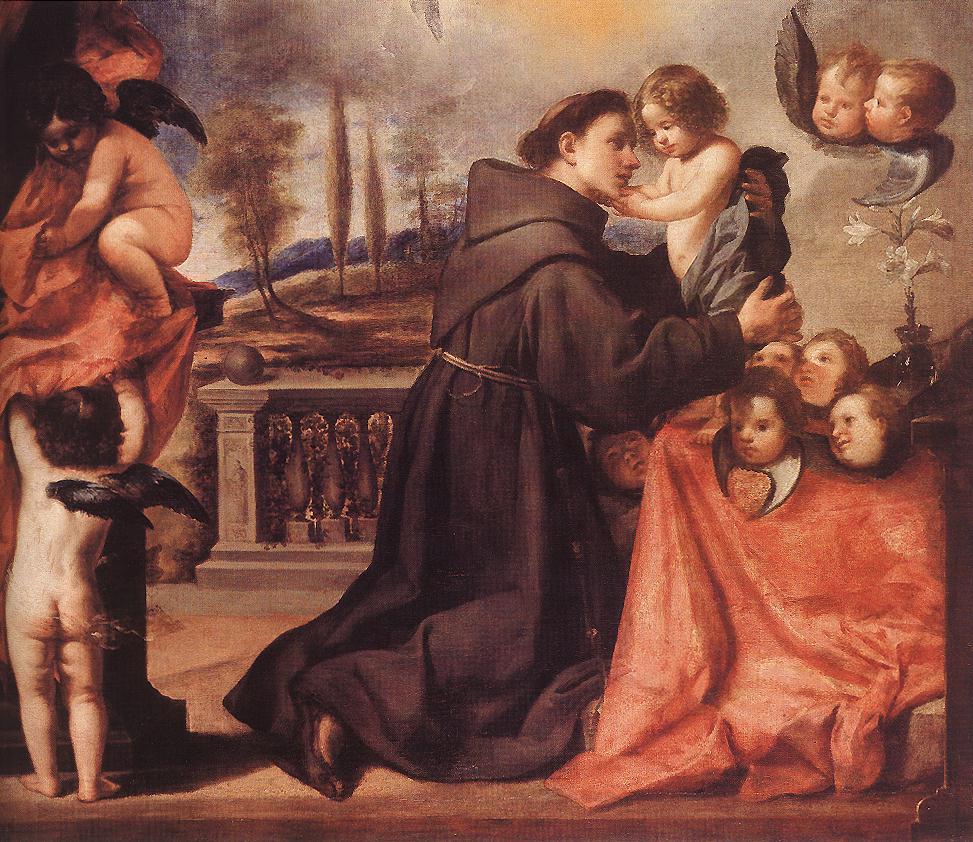
Antonio de Pereda's “St. Anthony of Padua with Christ Child” is more than just a devotional painting; it’s a poignant meditation on faith, charity, and the profound connection between earthly devotion and divine grace. Completed around 1635 during the height of the Spanish Baroque period, this intimate portrait captures a pivotal moment in St. Anthony's life – his early embrace of Franciscan ideals and his unwavering commitment to serving the marginalized. The painting’s power lies not just in its technical brilliance but also in the palpable sense of tenderness and spiritual depth it conveys.
A Symphony of Light and Shadow: De Pereda’s Baroque Technique
Pereda, a key figure in the Madrid school of painting, masterfully employs the techniques characteristic of the Spanish Baroque. The composition is dominated by a rich, dark palette—deep browns, ochres, and umbers—creating an atmosphere of solemnity and reverence. Light, however, isn’t absent; it's carefully sculpted to highlight key elements: the luminous halo above the Christ Child’s head, the gentle illumination on St. Anthony’s face, and the subtle sheen on his Franciscan habit. Notice how he uses *chiaroscuro* – the dramatic contrast between light and dark – to draw the viewer’s eye directly to the central figures, imbuing them with a sense of sacredness. The brushwork is remarkably detailed yet retains an underlying fluidity, reflecting Pereda's ability to capture both texture and emotion.
- Oil on Canvas: The medium itself contributes to the painting’s depth and richness.
- Detailed Realism: Notice the meticulous rendering of fabric folds and facial features.
- Dramatic Lighting: The masterful use of light creates a powerful emotional impact.
Symbolism Woven into the Scene
Beyond the straightforward depiction of St. Anthony cradling the infant Christ, the painting is laden with symbolic meaning. The presence of the Christ Child immediately evokes themes of innocence, redemption, and divine love. St. Anthony’s posture—kneeling in humble adoration—underscores his dedication to service and his role as a compassionate shepherd of souls. The small vase of lilies at the base of the composition is a traditional symbol of purity and virginity, further emphasizing the sanctity of the scene. The background, though somewhat indistinct, hints at a simple, rural setting – reflecting St. Anthony’s early life and connection to the common people.
A Legacy of Devotion: Pereda's Place in Art History
Antonio de Pereda stands as a significant figure within the Spanish Baroque, renowned primarily for his still lifes but also producing works of considerable spiritual depth. His “St. Anthony of Padua with Christ Child” exemplifies this duality—a testament to both artistic skill and profound religious conviction. The painting’s enduring appeal lies in its ability to resonate with viewers across centuries, offering a glimpse into the heart of faith and the transformative power of compassion. Reproductions of this masterpiece continue to grace homes and churches worldwide, serving as reminders of St. Anthony's legacy and the timeless beauty of spiritual devotion.
Obras relacionadas

Biografía del artista
Antonio de Pereda: Un Maestro del Barroco Español
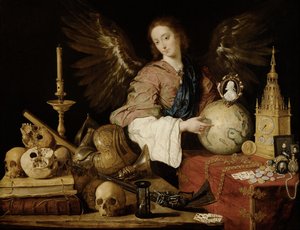
Antonio de Pereda y Salgado (1611 – 1678) fue un destacado pintor español de la época barroca, celebrado principalmente por sus exquisitas bodegones. Nacido en Valladolid, España, surgió como una figura significativa dentro de la escuela de pintura de Madrid.
Vida Temprana y Familia Artística
Pereda provenía de una familia profundamente artística; su padre, madre y dos hermanos eran todos pintores. Este entorno familiar sin duda fomentó su temprano interés y desarrollo en el arte. Recibió su formación inicial en Madrid bajo la tutela de Pedro de las Cuevas, un respetado pintor de la época.
Patronazgo y Carrera Temprana
Un momento crucial en la carrera de Pereda fue el patrocinio de Giovanni Battista Crescenzi, una figura influyente en la corte española. Crescenzi lo acogió bajo su ala, brindándole oportunidades y orientación. Sin embargo, tras la muerte de Crescenzi en 1635, Pereda fue expulsado de la corte y comenzó a aceptar encargos de instituciones religiosas.
Desarrollo Artístico y Estilo
El estilo artístico de Pereda se caracteriza por un uso magistral del tenebrismo, un contraste dramático entre luz y oscuridad. Esta técnica, común en la pintura barroca, añade profundidad e intensidad emocional a sus obras. Si bien es mejor conocido por los bodegones, Pereda también destacó en pinturas religiosas y composiciones históricas.
Obras Maestras y Logros
- Bodegones: Los bodegones de Pereda son famosos por su realismo, detalle meticuloso y significado simbólico. Ejemplos incluyen “Bodegón con Fruta” y “Bodegón con un Cárter de Ébano”.
- Pinturas Históricas: Contribuyó significativamente al programa decorativo del Salón de Reinos en el Palacio del Buen Retiro de Madrid. Su pintura histórica más notable es “El Asedio de Génova” (1635), creada como parte de una serie junto a obras de Velázquez, particularmente "La Rendición de Breda".
- Pinturas Religiosas: Pereda produjo numerosas pinturas religiosas, a menudo representando escenas de la vida de los santos y narrativas bíblicas. “San Jerónimo” es un ejemplo primario de su habilidad en este género.
Influencias
La obra de Pereda fue influenciada por varios artistas y movimientos clave:
- Pedro de las Cuevas: Su maestro temprano, quien proporcionó una formación fundamental.
- Giovanni Battista Crescenzi: Brindó patrocinio y orientación durante su tiempo en la corte.
- Caravaggio & los Caravagistas: El uso dramático del tenebrismo refleja la influencia de Caravaggio y sus seguidores.
Significado Histórico
Antonio de Pereda ocupa un lugar importante en el arte barroco español. Sus bodegones se consideran entre los mejores ejemplos del género, mostrando una notable capacidad para capturar la textura, la luz y la forma. Sus pinturas históricas demuestran su versatilidad y habilidad como pintor narrativo a gran escala. Contribuyó significativamente al paisaje artístico del siglo XVII en España, dejando un legado de obras maestras que continúan siendo admiradas hoy en día.
Antonio de Pereda
1611 - 1678 , España
Breves datos
- Artistic Movement Or Style: Barroco
- Artists Who Influenced This Artist:
- Pedro de las Cuevas
- Giovanni Battista Crescenzi
- Date Of Birth: Valladolid, España (1611)
- Date Of Death: Madrid, España (1678)
- Full Name: Antonio de Pereda y Salgado
- Nationality: Español
- Notable Artworks:
- Bodegón con Fruta
- Bodegón con un Cárter de Ébano
- El Socorro a Génova
- El Sueño del Caballero
- Place Of Birth: Valladolid

