 Ver en contexto
 Enviar
 Compartir
 Detalles

 Descargar
 Similares
 Radiografía
 Presentación de diapositivas
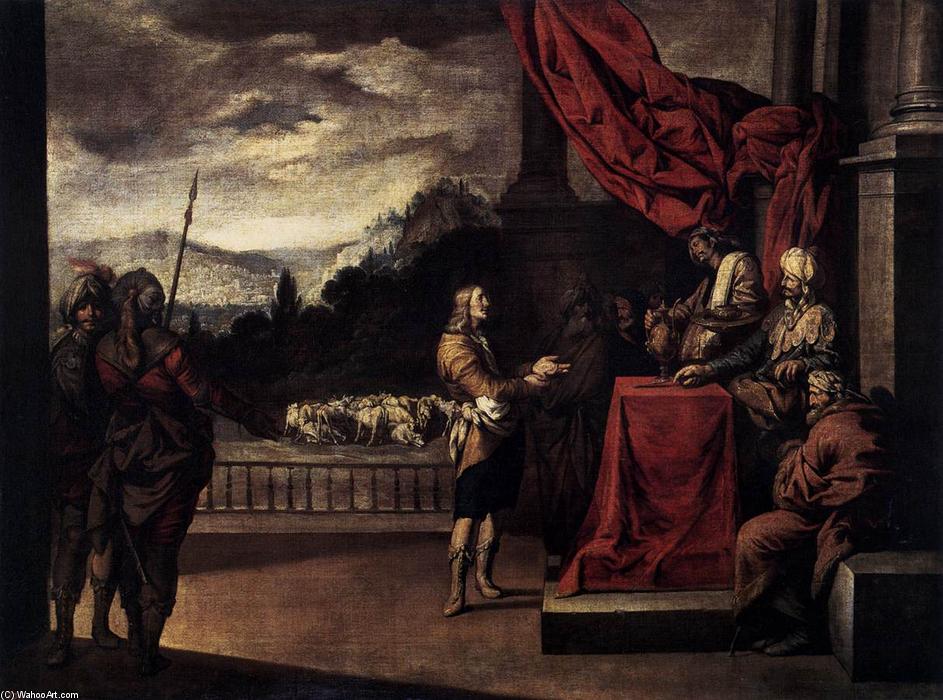
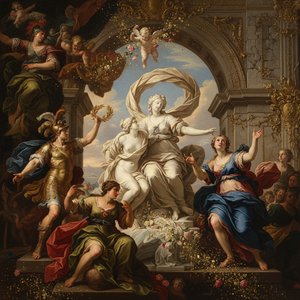
Joseph Explains the Dream of the Pharaoh
 Oil On Canvas
- WallArt
- Baroque
 109.0 x 145.0 cm
 Museo del Prado
 Ver más
Reproducción al óleo hecha a mano
Óleo sobre lienzo pintado a mano en el tamaño y marco de su elección, realizado por encargo por nuestros artistas. ( Comprar impresión Comprar imagen)




P118B $10

P118H $10

P118W $10

P438Z $10

P508JH $12

P508YH $12

P805H $10

P805Z $10

P919BZ $10

P919G $10

P919XJ $10

P959ZH $10

P968JZ $12

W106C $8

W218G $10

W218JH $8

W218Y $10

W307PJ $10

W316G $10

W316PJ $8

W316Y $10

W398PJ $8

W4111J $10

W500HY $15

W500JH $15

W692G $12

W849H $8

W940BG $15

W953PJ $8




Elija entre nuestros tamaños predefinidos que respetan las proporciones originales de la obra.

Puede ingresar sus propias dimensiones para adaptarse a un marco o espacio específico. Si el tamaño seleccionado no coincide con las proporciones de la imagen original, recortaremos la obra o extenderemos la pintura con elementos adicionales pintados a mano. Se le enviará una maqueta digital para su aprobación antes de comenzar la producción.
Tenga en cuenta que la vista previa en pantalla no refleja el recorte o la extensión reales. Solo la maqueta mostrará con precisión la composición final.
Si bien existen tamaños personalizados, recomendamos seleccionar una dimensión de la lista predefinida para preservar las proporciones originales.
Tras realizar el pedido, el equipo de ArtsDot.com enviará un correo electrónico al cliente para solicitar instrucciones y proporcionarle una vista previa del boceto.
Envío a todo el mundo () en 3-4 semanas en lugar de las 5 semanas estándar. (23 agosto). Sin comprometer la calidad.

Envío exprés gratuito a todo el mundo

Lienzo de lino de alta calidad

Seguro de envío total

Garantía de reembolso de impuestos aduaneros

Garantía de fidelidad cromática exacta

Política de devolución de 60 días (solo por defectos)

Garantía de devolución del 100% del dinero

Descuento por cantidad
 La opción de vidrio solo está disponible en tamaños inferiores a 110 cm.

Joseph Explains the Dream of the Pharaoh
Técnica de reproducción
Dimensiones de la reproducción
-


Precio total final
$ 263
Descripción de la obra
A Window Into Biblical Narrative: Antonio del Castillo y Saavedra’s “Joseph Explains the Dream of the Pharaoh”
The Museo del Prado in Madrid houses a masterpiece that transcends mere visual representation—Antonio del Castillo y Saavedra’s “Joseph Explains the Dream of the Pharaoh,” an oil painting completed sometime around 1650. More than just depicting a pivotal moment from Genesis, this artwork embodies the spirit of Baroque art and offers a profound glimpse into the artistic sensibilities of its era. Examining its composition, technique, and symbolic resonance reveals layers of meaning that continue to captivate audiences centuries later.The Scene Unfolds: Composition and Narrative Detail
Del Castillo’s depiction centers on Joseph, son of Jacob and Rachel, standing confidently before Pharaoh's throne—a symbol of royal authority and divine providence. He gestures emphatically towards Pharaoh, conveying the urgency of his message – an interpretation of Pharaoh’s prophetic dream concerning seven years of prosperity followed by seven years of famine. The artist meticulously captures the grandeur of the palace interior, utilizing architectural elements like columns and drapery to establish a sense of scale and majesty. Surrounding Joseph are attendants who listen intently, reflecting the importance placed upon interpreting divine signs and safeguarding the kingdom’s future. Beyond the throne room lies a landscape—a deliberate inclusion that expands the narrative beyond the immediate setting, suggesting the broader implications of Pharaoh's predicament. The overcast sky contributes to an atmosphere of solemn contemplation, mirroring the gravity of the situation being portrayed.Baroque Technique: Light and Shadow – Mastering Illusion
Del Castillo’s masterful execution exemplifies the hallmarks of Baroque painting—specifically, dramatic chiaroscuro. He skillfully employs light and shadow to sculpt figures and create depth within the canvas. Intense highlights illuminate Joseph's face and attire, emphasizing his conviction and conveying a sense of spiritual illumination. Conversely, darker tones envelop the throne room and landscape, fostering an illusionistic effect that draws viewers into the scene. The artist’s meticulous brushwork contributes to the painting’s textural richness, capturing the subtle nuances of fabric folds and architectural surfaces. This technique wasn't merely decorative; it served a crucial purpose in conveying emotion and enhancing the dramatic impact of the biblical narrative.Symbolism Beyond the Dream: Faith and Divine Guidance
“Joseph Explains the Dream of the Pharaoh” is laden with symbolic significance rooted in Christian theology. Joseph’s posture embodies humility before God, acknowledging divine wisdom and accepting responsibility for interpreting prophetic visions. The throne symbolizes royal power but also represents God's dominion over earthly affairs—a reminder that human rulers are ultimately accountable to a higher authority. Furthermore, the landscape serves as a backdrop for contemplation, symbolizing the eternal realm of God’s grace and offering solace amidst worldly anxieties. The dream itself is interpreted as a divine warning about impending hardship, urging Pharaoh to heed Joseph's counsel and prepare for future challenges—a testament to faith’s ability to illuminate even the darkest moments.Emotional Resonance: Capturing Human Dignity and Spiritual Conviction
Ultimately, Del Castillo succeeds in conveying profound emotional resonance. The painting captures the dignity of human intellect as Joseph strives to communicate complex theological concepts with clarity and conviction. His gaze directs towards Pharaoh, projecting confidence and determination—a visual embodiment of faith’s unwavering belief in divine providence. The overall mood is one of solemn seriousness, reflecting the weighty responsibility entrusted to Joseph and highlighting the importance of interpreting prophetic messages. “Joseph Explains the Dream of the Pharaoh” remains a powerful reminder that art can transcend time, communicating timeless truths about faith, leadership, and the enduring quest for understanding.Obras relacionadas

Biografía del artista
un maestro del barroco español (1616-1668)
antonio del castillo y saavedra, una figura prominente en el arte español, dejó una huella indeleble en los mundos de la pintura, la escultura y la poesía. nacido en córdoba, españa, el 10 de julio de 1616, emprendió un viaje que le permitiría trascender diversas disciplinas artísticas.primeros años y formación
bajo la tutela de su padre, agustín del castillo, antonio recibió su formación inicial en la pintura. tras el fallecimiento de su padre, entre 1631 y 1634, continuó sus estudios con ignacio aedo calderón, un pintor religioso menos conocido. más tarde, en sevilla, perfeccionó sus habilidades bajo la guía de francisco de zurbarán y su tío, juan del castillo, quien también instruyó a artistas notables como cano, murillo y de moya.contribuciones artísticas
la obra de antonio se caracteriza por su viveza y profundidad emocional. entre sus obras más destacadas se encuentran:- san vicente ferrer, una pintura al óleo sobre lienzo que captura la esencia de los alrededores de córdoba.
- paisaje con san juan bautista niño dormido, otra pieza al óleo sobre lienzo, que muestra la belleza de córdoba y sus alrededores.
- sus frescos y pinturas al óleo en la iglesia de santa marina son un testimonio de su destreza y versatilidad.
museos que albergan su obra
- el museo palacio de viana (córdoba, españa), que alberga una impresionante colección de pinturas y esculturas europeas desde el siglo xiv al xx. /es/art/show/art-d3aj6b-es/
- otros museos notables que presentan su obra pueden encontrarse en la guía completa de arte y artistas españoles de ArtsDot. [https://ArtsDot.com/@/antonio-del-castillo-y-saavedra](https://ArtsDot.com/@/antonio-del-castillo-y-saavedra)
legado
el legado de antonio del castillo y saavedra es un testimonio de su polifacético genio artístico. su fallecimiento el 2 de febrero de 1668 marcó el fin de una era, pero también allanó el camino para las generaciones futuras de artistas. descubra más sobre antonio del castillo y saavedra y otros pintores del barroco español a través de la extensa colección de ArtsDot: /es/art/show/art-d3atkt-es/
Antonio Del Castillo Y Saavedra
1616 - 1668 , España
Datos clave
- Artistic Movement Or Style: Barroco
- Artists Who Influenced This Artist:
- Francisco de Zurbarán
- Ignacio Aedo Calderón
- Date Of Birth: Julio 10, 1616
- Date Of Death: Feb. 2, 1668
- Full Name: Antonio del Castillo y Saavedra
- Nationality: Español
- Notable Artworks:
- San Vicente Ferrer
- Paisaje con San Juan Bautista niño dormido
- Place Of Birth: Córdoba, España
Artículos relacionados

Barroco Sublime: 10 Obras Maestras que Definieron una Época |
Descubre las 10 obras maestras del Barroco que marcaron una época. Caravaggio, Bernini y Velázquez cobran vida en . Reproducciones de arte de calidad museo para decorar tu hogar con elegancia. ¡Explora la colección online!

Drama Barroca: Llevando la Grandeza y la Emoción a los Interiores Contemporáneos
Descubre cómo el drama y la grandeza del arte barroco pueden transformar tus interiores. Guía experta, inspiración y reproducciones de alta calidad en .

The Dramatic Flourish: Exploring the Baroque Movement's Enduring Legacy in Art History
Explore the dramatic world of Baroque art! Discover iconic artists like Caravaggio & Rubens, defining techniques, and its lasting impact on art history. Expert insights for collectors & enthusiasts at ArtsDot.

The Visceral Stage: Exploring Dramatic Narratives & Emotional Intensity in Baroque Art
Explore the dramatic world of Baroque art! Discover iconic masters like Caravaggio & Rembrandt, their techniques, and the movement's lasting impact. Expert insights for collectors & enthusiasts at ArtsDot.
Theatricality & Triumph: Baroque Drama in Painting & Sculpture
Explore the dramatic world of Baroque art! Discover its history, defining characteristics, & lasting influence on painting & sculpture. Expert insights into Caravaggio, Zurbarán, and Bernini – plus high-quality reproductions at ArtsDot.