

 Ver en contexto
 Enviar
 Compartir
 Detalles

 Descargar
 Similares
 Radiografía
 Presentación de diapositivas
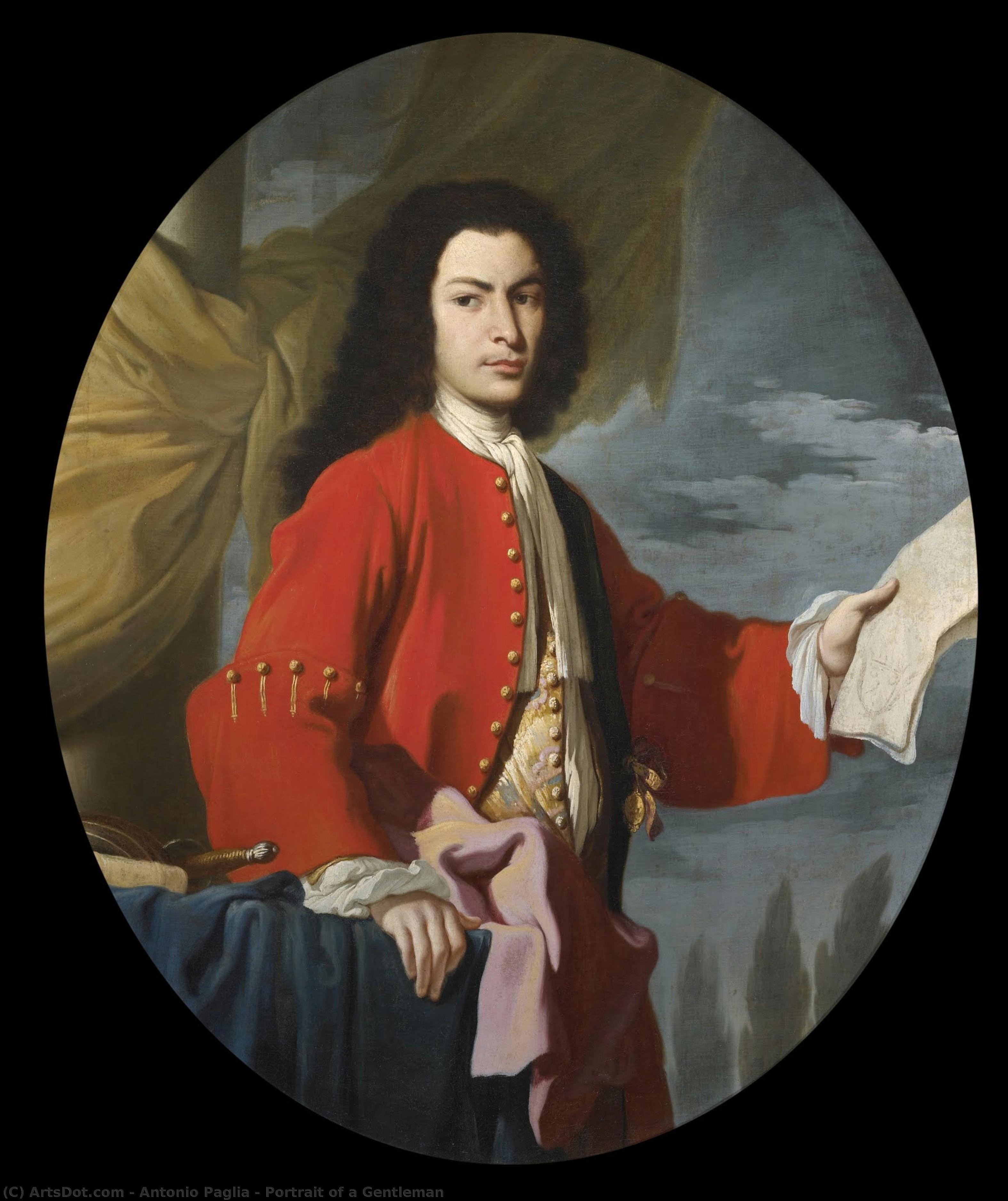
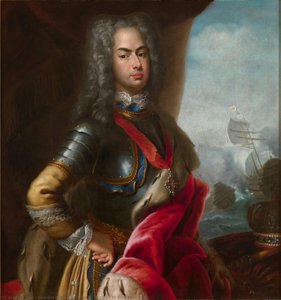
Portrait of a Gentleman

 Ver más
Reproducción al óleo hecha a mano
Óleo sobre lienzo pintado a mano en el tamaño y marco de su elección, realizado por encargo por nuestros artistas. ( Comprar impresión Comprar imagen)




































Elija entre nuestros tamaños predefinidos que respetan las proporciones originales de la obra.

Puede ingresar sus propias dimensiones para adaptarse a un marco o espacio específico. Si el tamaño seleccionado no coincide con las proporciones de la imagen original, recortaremos la obra o extenderemos la pintura con elementos adicionales pintados a mano. Se le enviará una maqueta digital para su aprobación antes de comenzar la producción.
Tenga en cuenta que la vista previa en pantalla no refleja el recorte o la extensión reales. Solo la maqueta mostrará con precisión la composición final.
Si bien existen tamaños personalizados, recomendamos seleccionar una dimensión de la lista predefinida para preservar las proporciones originales.
Tras realizar el pedido, el equipo de ArtsDot.com enviará un correo electrónico al cliente para solicitar instrucciones y proporcionarle una vista previa del boceto.
Envío a todo el mundo () en 3-4 semanas en lugar de las 5 semanas estándar. (5 septiembre). Sin comprometer la calidad.

Envío exprés gratuito a todo el mundo

Lienzo de lino de alta calidad

Seguro de envío total

Garantía de reembolso de impuestos aduaneros

Garantía de fidelidad cromática exacta

Política de devolución de 60 días (solo por defectos)

Garantía de devolución del 100% del dinero

Descuento por cantidad
 La opción de vidrio solo está disponible en tamaños inferiores a 110 cm.

Portrait of a Gentleman
Técnica de reproducción
Dimensiones de la reproducción
-


Precio total final
$ 263
Obras relacionadas






Biografía del artista
Antonio Paglia: Brescia’s Baroque Visionary
Antonio Paglia (1680 – 1747) represents a cornerstone of Brescia’s artistic heritage during the Baroque era—a period characterized by dramatic grandeur, fervent emotion, and an unparalleled devotion to portraying divine beauty. Born into a family deeply rooted in artistic tradition, Francesco Paglia, his father, was himself a respected painter, establishing a lineage committed to capturing spiritual fervor through masterful technique; this familial influence undoubtedly shaped Antonio’s formative years, nurturing within him an innate appreciation for visual storytelling that would permeate every facet of his creative output. Recognizing the importance of formal artistic training, Paglia embarked on a deliberate journey toward excellence, seeking guidance from Sebastiano Ricci in Venice (1714). This pivotal encounter exposed him to the Venetian style—renowned for its luminous color palettes and dynamic compositions—a stylistic choice that profoundly impacted Paglia’s subsequent artistic endeavors and infused his works with Venetian vibrancy. Returning to Brescia by 1718, he established a studio where he honed his craft diligently, transforming it into a crucible of innovation and preparing the groundwork for ambitious projects destined to elevate Brescia's cultural standing. Paglia’s most celebrated achievement resides in his monumental decorative cycle commissioned for the parish church of Chiari—a breathtaking undertaking that encapsulates the very essence of Baroque art’s ambition and emotional resonance. This expansive fresco series, depicting biblical narratives with meticulous detail and a dazzling array of hues, stands as testament to Paglia's mastery of perspective, chiaroscuro, and color theory; its sheer scale demanded exhaustive planning and execution—a reflection of Paglia’s unwavering dedication to artistic perfection—solidifying his reputation as Brescia’s foremost painter and securing his place amongst the luminaries of Lombardy. The cycle’s intricate symbolism and masterful rendering of light and shadow continue to captivate viewers today, serving as a poignant reminder of Brescia's Baroque splendor. Beyond Chiari, Paglia produced numerous altarpieces and religious paintings—each imbued with palpable spiritual depth and adorned with opulent ornamentation. His artistic style consistently demonstrated an awareness of contemporary trends while maintaining a distinctly Italian aesthetic sensibility, reflecting a harmonious blend of Venetian influences and traditional craftsmanship. He skillfully employed chiaroscuro to heighten dramatic effect and illuminate the sacred narratives he depicted, demonstrating a profound understanding of artistic principles that transcended his time. Antonio Paglia’s legacy extends far beyond the canvases he graced; it resides in the enduring impact of his artistic vision on Brescia's cultural identity—a testament to his contribution to the Baroque tradition and ensuring that his name remains enshrined in the annals of Italian art history. His work continues to inspire admiration and scholarly study, cementing Paglia’s position as a pivotal figure in Brescia’s artistic legacy.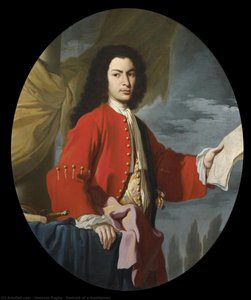
Antonio Paglia Brescia
1680 - 1747 , Italia
Datos clave
- Artistic Movement Or Style: Baroque
- Artists Who Influenced This Artist:
- Francesco Paglia
- Sebastiano Ricci
- Date Of Birth: 1680 Brescia Italy
- Date Of Death: 1747
- Full Name: Antonio Paglia
- Nationality: Italian
- Notable Artworks:
- Portrait of a Gentleman
- Decorative cycle Chiari
- Place Of Birth: Brescia Italia

