

 Ver en contexto
 Enviar
 Compartir
 Detalles

 Descargar
 Similares
 Radiografía
 Presentación de diapositivas
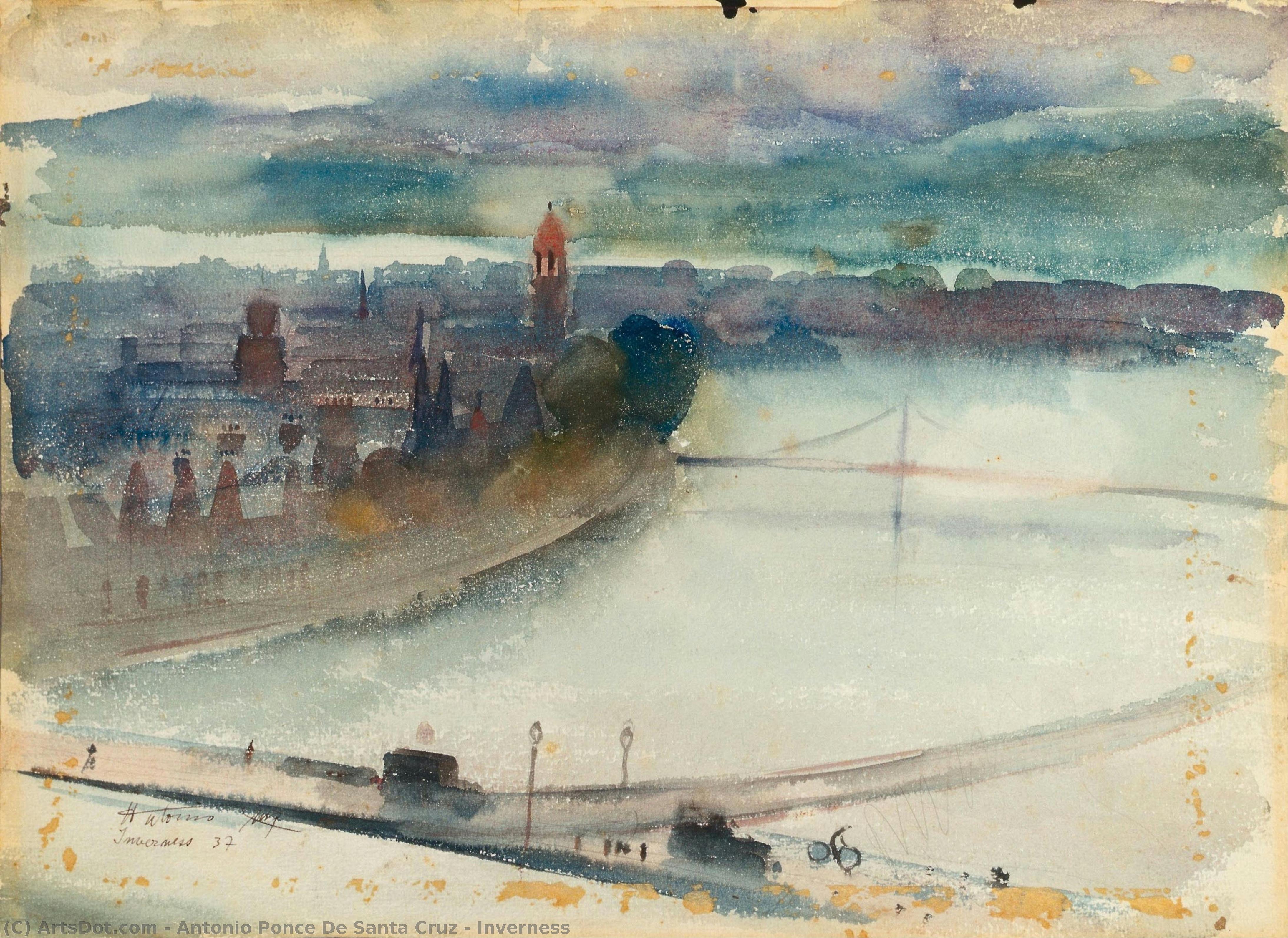
Inverness
 Watercolor
- WallArt
- Modernism
 1937
1937- Modern
 28.0 x 39.0 cm
 Museu do Chiado - National Museum of Contemporary Art
 Ver más
Reproducción al óleo hecha a mano
Óleo sobre lienzo pintado a mano en el tamaño y marco de su elección, realizado por encargo por nuestros artistas. ( Comprar impresión Comprar imagen)




P118B $10

P118H $10

P118W $10

P438Z $10

P508JH $12

P508YH $12

P805H $10

P805Z $10

P919BZ $10

P919G $10

P919XJ $10

P959ZH $10

P968JZ $12

W106C $8

W218G $10

W218JH $8

W218Y $10

W307PJ $10

W316G $10

W316PJ $8

W316Y $10

W398PJ $8

W4111J $10

W500HY $15

W500JH $15

W692G $12

W849H $8

W940BG $15

W953PJ $8




Elija entre nuestros tamaños predefinidos que respetan las proporciones originales de la obra.

Puede ingresar sus propias dimensiones para adaptarse a un marco o espacio específico. Si el tamaño seleccionado no coincide con las proporciones de la imagen original, recortaremos la obra o extenderemos la pintura con elementos adicionales pintados a mano. Se le enviará una maqueta digital para su aprobación antes de comenzar la producción.
Tenga en cuenta que la vista previa en pantalla no refleja el recorte o la extensión reales. Solo la maqueta mostrará con precisión la composición final.
Si bien existen tamaños personalizados, recomendamos seleccionar una dimensión de la lista predefinida para preservar las proporciones originales.
Tras realizar el pedido, el equipo de ArtsDot.com enviará un correo electrónico al cliente para solicitar instrucciones y proporcionarle una vista previa del boceto.
Envío a todo el mundo () en 3-4 semanas en lugar de las 5 semanas estándar. (27 agosto). Sin comprometer la calidad.

Envío exprés gratuito a todo el mundo

Lienzo de lino de alta calidad

Seguro de envío total

Garantía de reembolso de impuestos aduaneros

Garantía de fidelidad cromática exacta

Política de devolución de 60 días (solo por defectos)

Garantía de devolución del 100% del dinero

Descuento por cantidad
 La opción de vidrio solo está disponible en tamaños inferiores a 110 cm.

Inverness
Técnica de reproducción
Dimensiones de la reproducción
-


Precio total final
$ 263
A Vision of Mist and Memory
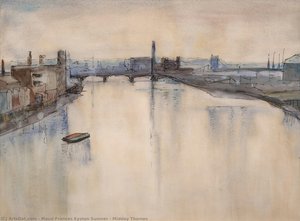
In the delicate, translucent layers of Inverness, we encounter more than just a landscape; we enter a fleeting moment captured in time. This exquisite watercolor by António Cruz serves as a profound meditation on the relationship between light, water, and the urban silhouette. The scene unfolds across a wide expanse of water, where the surface acts as a mirror for a soft, hazy sky, creating a sense of infinite depth. A prominent bridge stretches across the composition, acting as a structural anchor that guides the viewer’s eye toward the distant skyline. Within this cityscape, the subtle suggestion of a church steeple and various architectural forms emerge from the mist, offering a sense of place that feels both specific to the Scottish Highlands and universally nostalgic. It is an artwork that does not demand attention through bold confrontation but rather invites it through a quiet, rhythmic grace.
The technique employed by Cruz is a masterclass in the watercolor medium, specifically utilizing wet-on-wet applications to achieve a breathtakingly atmospheric effect. Drawing inspiration from the English tradition and the influential Euston Road School, the artist demonstrates an exceptional ability to manipulate light through varying densities of pigment. One can observe a sophisticated interplay between darker, more concentrated zones of color and areas where the white of the paper erupts through the washes, simulating the shimmering reflection of light upon moving water. The edges of the buildings and the distant figures are intentionally blurred, a stylistic choice that dissolves the boundaries of the physical world and pushes the work toward an abstracting, modernist sensibility. This soft-focus approach creates a texture that feels organic and breathing, as if the landscape itself is exhaling a fine morning fog.
Beyond its technical brilliance, Inverness carries a deep emotional resonance that makes it a captivating piece for any curated collection. There is an inherent tranquility in the muted color palette—a symphony of soft blues, greys, and earthy tones that evokes a feeling of peaceful observation. The vaguely outlined figures wandering in the foreground add a layer of human dimension, yet they remain secondary to the overwhelming presence of the atmosphere; they are mere witnesses to the grandeur of the natural and built environment. For the discerning collector or interior designer, this piece offers a sophisticated focal point that brings a sense of calm and contemplative depth to a space. It is an evocative window into a world where the boundaries between reality and impression blur, making it an enduringly beautiful choice for those who appreciate art that speaks to the soul through subtlety and light.
Obras relacionadas

Biografía del artista
The Physician’s Eye: The Dual Legacy of Antonio Ponce de Santa Cruz
In the golden twilight of the Spanish Renaissance, few figures embodied the harmonious union of scientific inquiry and aesthetic devotion as profoundly as Antonio Ponce de Santa Cruz. Born in Valladolid around 1561, his life was a remarkable tapestry woven from the threads of medicine, theology, and fine art. While history primarily remembers him as the esteemed court physician to the Spanish monarchs Philip III and Philip IV, his true immortality resides in the quiet, breathtaking stillness of his canvases. He did not merely observe the world through the clinical lens of a doctor; he captured its ephemeral essence through the brush of a master, creating a legacy where the precision of anatomy met the poetic beauty of the natural world.
Ponce de Santa Cruz’s intellectual journey began at the University of Valladolid, where his pursuit of medical excellence earned him a doctorate. This rigorous academic training instilled in him a disciplined, almost surgical, approach to observation. As a scholar and clergyman, he delved into the complexities of the human psyche, exploring profound themes such as free will, lycanthropy, and the psychological impact of love. His literary contributions, including the posthumous publication of his father Alonso’s work on melancholy and his own pioneering Spanish treatise on epilepsy, reveal a man deeply preoccupied with the intricacies of existence. It is whispered in scholarly circles that his fascination with the boundaries of madness may have even sparked a connection to the legendary Miguel de Cervantes, as both men navigated the thin line between reality and delusion.
A Symphony of Stillness: Mastery of the Baroque Still Life
The transition from the physician’s study to the artist's studio was not a departure from his scientific pursuits, but rather an extension of them. In his still-life paintings, one finds the same meticulous attention to detail that characterized his medical diagnoses. His work stands as a cornerstone of the Spanish Baroque, specifically within the genre of bodegones. Unlike the grand, sweeping narratives of historical painting, Ponce de Santa Cruz found divinity in the small and the overlooked. He possessed an uncanny ability to elevate simple arrangements of fruit, nuts, and flowers into profound meditations on life and decay.
His technique was defined by a masterful command of light and shadow, often employing a dramatic chiaroscuro that breathed life into every petal and rind. In works such as his Vase of Flowers or his lush arrangements of fruit and nuts, the viewer is invited to witness the tactile reality of nature. There is a palpable weight to the fruit and a delicate fragility to the blossoms, all rendered with an opulent richness that suggests both abundance and the inevitable passage of time. This duality—the celebration of life's vitality alongside the subtle reminder of its transience—is what gives his compositions such enduring emotional resonance.
Historical Significance and Artistic Enduring Spirit
The significance of Antonio Ponce de Santa Cruz lies in his ability to bridge two seemingly disparate worlds. He proved that the analytical mind of a scientist and the sensitive soul of an artist are not mutually exclusive, but rather complementary forces that can enrich one another. His presence at the Habsburg court provided him with the patronage of the highest order, allowing him to refine a style that would influence the trajectory of Spanish still-life painting for generations.
Today, his works serve as more than mere historical artifacts; they are windows into a period of intense intellectual and artistic ferment. To look upon a Ponce de Santa Cruz painting is to experience a moment of profound stillness, where the boundaries between the physical and the spiritual blur. His achievements remain etched in the annals of art history through:
- The Integration of Science and Art: Demonstrating how medical observation can enhance the realism and depth of botanical and organic subjects.
- Contribution to Spanish Baroque: Helping to establish the bodegón as a sophisticated genre capable of profound philosophical expression.
- Intellectual Legacy: Leaving behind a body of medical literature that contributed to the early understanding of neurological conditions in Spain.
- Aesthetic Mastery: Creating timeless compositions that continue to captivate audiences with their luminous textures and dramatic, atmospheric lighting.
antonio ponce de santa cruz
1561 - 1632
Datos clave
- Artistic Movement Or Style: Baroque Still Life
- Artists Or Movements Influenced By This Artist: ['Euston Road School']
- Artists Who Influenced This Artist: ['Juan Sánchez Cotán']
- Date Of Birth: 1561
- Date Of Death: 1632
- Full Name: Antonio Ponce de Santa Cruz
- Nationality: Spanish
- Notable Artworks:
- Still-Life in the Kitchen
- Inverness
- Vase of Flowers
- Place Of Birth: Valladolid, Spain
Artículos relacionados

Acuarelas Legendarias: 10 Obras Maestras que Transformaron el Arte | ArtsDot
Descubre 10 acuarelas legendarias de Turner, Monet y Sargent que revolucionaron el arte. Explora la historia, técnica y belleza de estas obras maestras impresionistas y románticas. Reproducciones de museo en ArtsDot.com.

Ephemeral Visions: Exploring the Artistic Legacy & Contemporary Practice of Watercolor Painting
Explore the captivating world of watercolor painting! Discover its rich history, essential techniques, influential artists & collecting tips. A comprehensive guide for art enthusiasts from ArtsDot.
Visiones Efímeras: Historia y Resonancia Emocional de la Pintura Acuarela
Descubre la fascinante historia de la acuarela, desde sus orígenes hasta su expresión contemporánea. Explora técnicas, artistas clave como Paul Klee y encuentra reproducciones de alta calidad en ArtsDot.
Ephemeral Visions: Exploring the Artistic Legacy & Nuances of Watercolor Painting
Explore the captivating world of watercolor painting! Discover its rich history, essential techniques, influential artists & collecting tips from art experts. A comprehensive guide for enthusiasts.
Ephemeral Echoes: Exploring the Aesthetic & Historical Significance of Vintage Watercolor Painting
Explore the captivating world of vintage watercolor painting! Discover its rich history, techniques, influential artists & collecting tips. Expert insights for enthusiasts and collectors at ArtsDot.

