

 Ver en contexto
 Enviar
 Compartir
 Detalles

 Descargar
 Similares
 Radiografía
 Presentación de diapositivas
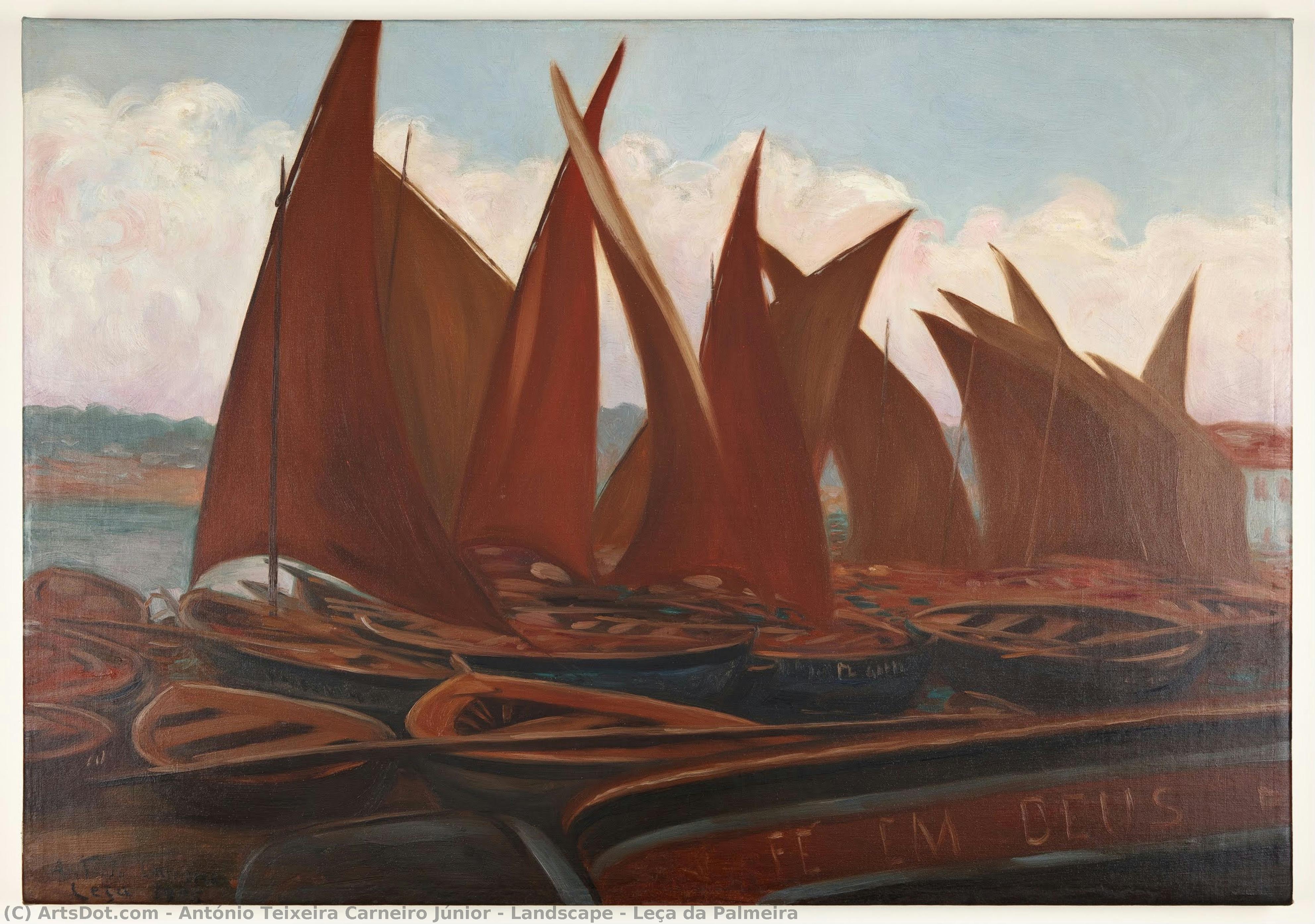
Landscape – Leça da Palmeira
 Oil On Canvas
- WallArt
- Expressionism
 1905
1905- 19th Century
 70.0 x 101.0 cm
 Centro de Arte Moderna Gulbenkian
 Ver más
Adquiera una imagen digital de alta resolución y optimizada, muy superior a la vista previa en línea.
Cada archivo es preparado meticulosamente por nuestros especialistas internos mediante el uso de herramientas avanzadas y un experto retoque manual. Nos aseguramos de que cada imagen posea una claridad excepcional, una precisión cromática impecable y un detalle minucioso.
El archivo final se entrega por correo electrónico en un plazo de 72 horas, optimizado para su uso inmediato en entornos profesionales, editoriales y de impresión. Esta es la misma calidad en la que confían los estudios de diseño, las editoriales y las galerías de primer nivel.
Imagen Digital
Descarga un archivo de alta resolución para exhibición personal, impresión y proyectos creativos. ( Comprar impresión Comprar pintura hecha a mano)
Incluido en cada pedido de imágenes digitales
Entrega digital experta, garantizada.
Al elegir ArtsDot.com, no solo está adquiriendo una imagen; está recibiendo una obra de arte digital mejorada profesionalmente, elaborada con precisión y respaldada por una garantía de satisfacción. Esto es todo lo que incluye su pedido, automáticamente:

Entrega rápida por email
Recibirá su archivo de imagen digital en alta resolución por correo electrónico en un plazo de 72 horas tras realizar su pedido, listo para su uso inmediato.

Archivo digital optimizado por IA
Su obra de arte se optimiza profesionalmente mediante herramientas avanzadas de IA y edición manual, garantizando el máximo detalle, claridad y precisión cromática.

Reenvío gratuito de por vida
¿Has borrado o perdido tu archivo por error? No te preocupes: te lo volveremos a enviar en cualquier momento, sin coste adicional.

Sin gastos de importación, siempre
Disfrute de su obra de arte al instante sin aduanas, aranceles ni gastos de envío; las descargas digitales siempre están libres de impuestos.

Garantía de fidelidad de color
Garantizamos que su imagen digital refleje los colores originales con la mayor fidelidad posible, mediante el uso de herramientas profesionales y gestión del color.

Garantía de satisfacción de 60 días
Si no está satisfecho con su imagen digital, la revisaremos o le reembolsaremos el 100% en un plazo de 60 días, sin preguntas.

100% Garantía de devolución de dinero
¿No está satisfecho? Obtenga un reembolso completo dentro de los 60 días posteriores a la recepción de su archivo digital, sin necesidad de explicaciones.

Descuentos por pedidos grandes
Compra 3 imágenes, ahorra 10% - Compra 5, ahorra 15% - Compra 10+, ahorra 20%. Ideal para proyectos creativos, galerías y agencias.
Descripción del coleccionable
A Glimpse of Coastal Life: Unveiling ‘Landscape – Leça da Palmeira’
António Teixeira Carneiro Júnior's “Landscape – Leça da Palmeira,” painted in 1905, isn’t merely a depiction of a harbor scene; it’s a poignant distillation of the Portuguese coast at the dawn of the 20th century. Born into hardship and shaped by an early life within an orphanage, Carneiro channeled his experiences – loss, resilience, and a deep connection to the natural world – into a style that would later be recognized as a cornerstone of Portuguese Expressionism. This particular canvas captures a fleeting moment in Leça da Palmeira, a fishing village near Porto, where the drama of the sea meets the muted tones of a cloudy sky.
The painting immediately draws the eye to the vibrant red sails dominating the composition. These aren’t idealized representations; they're imbued with a sense of urgency and movement, suggesting the tireless labor of the fishermen who call this coastline home. The boats themselves are rendered with loose, expressive brushstrokes – not precise details, but rather an impression of their form and the energy of their journey. The artist masterfully uses atmospheric perspective, softening distant elements and creating a hazy backdrop that emphasizes the immediate presence of the harbor.
Echoes of Impressionism and Portuguese Expressionism
While undeniably influenced by the burgeoning Impressionist movement – particularly in its focus on light and atmosphere – “Landscape – Leça da Palmeira” possesses a distinctly Portuguese sensibility. Carneiro’s use of color is restrained, favoring earthy tones and subtle gradations rather than bold contrasts. This aligns with the broader trends of Portuguese Expressionism, which sought to convey emotional depth and psychological intensity through simplified forms and heightened colors. The painting reflects a desire to capture not just what was seen, but also how it *felt* – the weight of the sea, the quiet dignity of the fishermen, and perhaps even a hint of melancholy.
The historical context is crucial to understanding this work. Portugal in 1905 was undergoing significant social and economic change, grappling with modernization while clinging to its traditions. Carneiro’s art reflects this tension, offering a glimpse into the lives of ordinary people connected to the land and sea – a subject matter that would become increasingly important within Portuguese artistic circles.
Technique and Materials: A Study in Texture
Examining the painting's technique reveals a deliberate layering of oil paints applied with loose, visible brushstrokes. This creates a rich, textured surface—a tactile quality that invites the viewer to linger and explore the details. The artist skillfully manipulates paint to suggest both solidity and fluidity, capturing the movement of water and the billowing fabric of the sails. The canvas itself appears almost sculpted, as if Carneiro built up the forms through repeated applications of color and texture.
The choice of materials – oil paints on a sturdy canvas—contributes to the painting’s longevity and its ability to convey subtle nuances of light and shadow. The slightly rough surface allows for a greater degree of luminosity, enhancing the overall impressionistic effect. It's a testament to the artist's skill that he could achieve such depth and emotion with this relatively simple palette and technique.
Symbolism and Emotional Resonance
Beyond its visual appeal, “Landscape – Leça da Palmeira” carries a quiet symbolism. The boats represent not just transportation but also livelihood, connection to the sea, and the enduring spirit of the Portuguese people. The muted colors evoke a sense of introspection and perhaps even nostalgia—a reflection on the passage of time and the changing nature of coastal communities. Ultimately, this painting is an invitation to contemplate the beauty and complexity of everyday life, rendered with sensitivity and profound artistic vision.
Obras relacionadas

Biografía del artista
A Life Forged in Shadow and Light: The World of António Teixeira Carneiro Júnior
António Teixeira Carneiro Júnior, a pivotal figure in Portuguese Expressionism, was an artist whose life story is as compelling and emotionally resonant as the canvases he imbued with psychological depth. Born in Amarante, Portugal, in 1872, his early years were marked by profound loss and abandonment. The absence of his father and the untimely death of his mother led to a childhood spent within the walls of the Santa Casa da Misericórdia orphanage in Porto. This formative experience, while undoubtedly difficult, proved unexpectedly crucial; it was there that Carneiro received his initial artistic training, nurturing a nascent talent for drawing through copying religious illustrations. The institution provided not merely shelter but also a spark—an early recognition of an ability that would define his life’s path. It was this foundation that ultimately led him to the Escola Superior de Belas-Artes do Porto in 1884, where he studied under João Marques de Oliveira, beginning a formal artistic education that would soon blossom into something uniquely his own.Parisian Influences and the Birth of an Expressionist Vision
The trajectory of Carneiro’s artistry took a significant turn with his sojourn to Paris. Enrolling at the Académie Julien in 1897, he immersed himself in the artistic currents of the French capital, studying under luminaries like Jean-Paul Laurens and Jean-Joseph Benjamin-Constant. This period proved transformative, exposing him to new techniques and aesthetic philosophies that would profoundly influence his style. However, Carneiro didn’t simply absorb these influences; he synthesized them with a distinctly Portuguese sensibility, forging an artistic voice that was both modern and deeply rooted in his own cultural heritage. It was during this time that he began to move away from the prevailing naturalism of the era, gravitating towards Symbolist ideas and exploring themes of spirituality, melancholy, and introspection. This culminated in his groundbreaking triptych “A Vida” (Life), completed around 1900, which earned him a Silver Medal at the Exposition Universelle in Paris—a pivotal moment that signaled the beginning of widespread recognition for his unique artistic vision. The work itself is a testament to his burgeoning expressionist style, capturing not merely outward appearances but the inner emotional landscape of existence.A Master of Psychological Portraiture and Landscape
Carneiro’s oeuvre is characterized by an intense focus on psychological depth, particularly evident in his portraits. He wasn't interested in mere physical likeness; rather, he sought to capture the essence of his subjects—their inner turmoil, their hopes, their fears. His figures often possess a haunting quality, their eyes gazing out with an unsettling intensity that draws the viewer into their emotional world. This ability to convey profound psychological states extended beyond portraiture and permeated his landscapes as well. He didn’t simply depict scenes; he imbued them with mood and atmosphere, transforming natural settings into reflections of the human condition. His landscapes are often stark and dramatic, reflecting a sense of isolation and existential questioning. Throughout his career, Carneiro also engaged in illustration, producing evocative drawings for Dante's *Inferno* that showcase his mastery of line and shadow. He was a prolific artist, constantly experimenting with different techniques and styles, yet always remaining true to his core artistic principles.Notable Works: Echoes of Emotion on Canvas
Carneiro’s artistic output spanned a remarkable range of mediums and subjects. Among his most celebrated pieces are “Landscape – Leça da Palmeira,” a masterful depiction of the Portuguese coastline imbued with palpable emotion; “Dionísio Pinheiro profile study,” an intimate portrait capturing the contemplative gaze of a fellow artist; “Untitled,” a striking composition that exemplifies Carneiro’s signature style—characterized by expressive brushstrokes and symbolic imagery; and “Dionysus and Hestia,” a monumental canvas exploring mythological themes with profound psychological resonance. These works stand as enduring symbols of Portuguese Expressionism, demonstrating Carneiro's unwavering commitment to conveying inner experience through visual language.Legacy and Influence: Shaping the Artistic Landscape of Portugal
António Teixeira Carneiro Júnior’s impact on Portuguese art extended far beyond his own creations. He served as Professor at the Escola de Belas-Artes do Porto for many years, fostering a generation of artists who embraced innovation and pursued artistic excellence. His teachings championed experimentation and encouraged students to delve into the complexities of human emotion—a legacy that continues to inspire artists today. Furthermore, Carneiro’s involvement in literary circles solidified his position as a cultural figure, contributing to influential publications and engaging in spirited debates about artistic ideals. He remains a testament to the transformative power of art and its ability to shape intellectual discourse. ## Rediscovering Carneiro: Museums and Continued Appreciation Today, António Teixeira Carneiro Júnior’s works can be found in prominent collections across Portugal, including the Centro de Arte Moderna Gulbenkian in Lisbon and the Museu da Fundação Dionísio Pinheiro e Alice Cardoso Pinheiro in Águeda. These institutions provide opportunities for audiences to engage with his art firsthand, appreciating the nuances of his technique and the depth of his emotional expression. The Museu da Fundação Dionísio Pinheiro e Alice Cardoso Pinheiro, in particular, holds a significant collection of Carneiro’s work, offering valuable insights into his artistic development. His paintings continue to be exhibited internationally, ensuring that his legacy endures for future generations. As scholars and art enthusiasts alike rediscover the richness and complexity of his oeuvre, António Teixeira Carneiro Júnior is rightfully taking his place among the most important figures in Portuguese Expressionism—an artist whose life and work serve as a testament to the power of art to illuminate the human condition.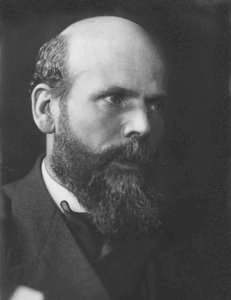
António Teixeira Carneiro Júnior
1872 - 1930 , Portugal
Breves datos
- Artistas Que Influyeron:
- Jean-Paul Laurens
- Jean-Joseph Constant
- Fecha De Fallecimiento: 1930
- Fecha De Nacimiento: 1872
- Lugar De Nacimiento: Amarante, Portugal
- Movimiento Artístico: Expresionismo
- Nacionalidad: Portugués
- Nombre Completo: António Teixeira Carneiro Júnior
- Obras Notables:
- Paisaje – Leça da Palmeira
- Estudio interior iglesia
- Dionísio Pinheiro estudio

