 Vista previa
 Compartir
 Compartir
 Ver detalles

 Descargar
 Ver similares
 Radiografía
 Presentación de diapositivas
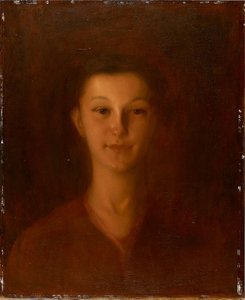
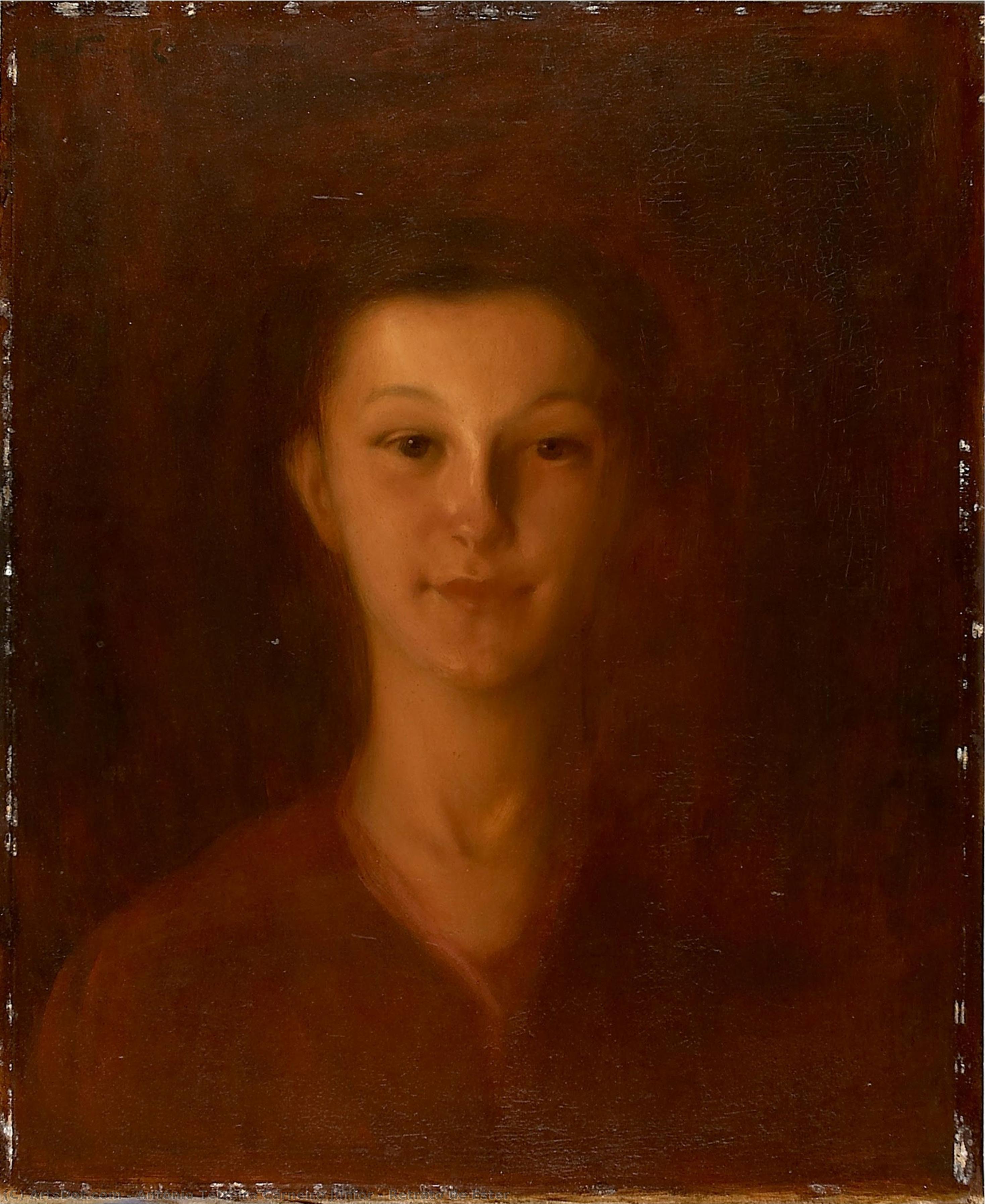
Retrato de Ester
 Acrílico sobre lienzo
- Arte de pared
- Portuguese Expressionism
 56.0 x 46.0 cm
 Centro de Arte Moderna Gulbenkian
 Leer más
Reproducción al óleo hecha a mano
Óleo sobre lienzo pintado a mano en el tamaño y marco de su elección, realizado por encargo por nuestros artistas. ( Pedir impresión Comprar descarga)




P118B $10

P118H $10

P118W $10

P438Z $10

P508JH $12

P508YH $12

P805H $10

P805Z $10

P919BZ $10

P919G $10

P919XJ $10

P959ZH $10

P968JZ $12

W106C $8

W218G $10

W218JH $8

W218Y $10

W307PJ $10

W316G $10

W316PJ $8

W316Y $10

W398PJ $8

W4111J $10

W500HY $15

W500JH $15

W692G $12

W849H $8

W940BG $15

W953PJ $8




Elija entre nuestros tamaños predefinidos que respetan las proporciones originales de la obra.

Puede ingresar sus propias dimensiones para adaptarse a un marco o espacio específico. Si el tamaño seleccionado no coincide con las proporciones de la imagen original, recortaremos la obra o extenderemos la pintura con elementos adicionales pintados a mano. Se le enviará una maqueta digital para su aprobación antes de comenzar la producción.
Tenga en cuenta que la vista previa en pantalla no refleja el recorte o la extensión reales. Solo la maqueta mostrará con precisión la composición final.
Si bien existen tamaños personalizados, recomendamos seleccionar una dimensión de la lista predefinida para preservar las proporciones originales.
Tras realizar el pedido, el equipo de ArtsDot.com enviará un correo electrónico al cliente para solicitar instrucciones y proporcionarle una vista previa del boceto.
Envío a todo el mundo () en 3-4 semanas en lugar de las 5 semanas estándar. (21 agosto). Sin comprometer la calidad.

Envío exprés gratuito a todo el mundo

Lienzo de lino de alta calidad

Seguro de envío completo

Garantía de reembolso de aranceles aduaneros

Garantía de fidelidad cromática exacta

Política de devolución de 60 días (solo por defectos)

Garantía de devolución del 100% del dinero

Oferta por volumen
 La opción de vidrio solo está disponible en tamaños inferiores a 110 cm.

Retrato de Ester
Técnica de reproducción
Tamaño de la reproducción
-


Precio total
$ 263
Descripción de la obra
Retrato de Ester: Un Encuentro entre Luz y Oscuridad en la Pintura Portuguesa Expressionista
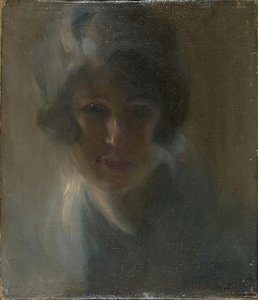
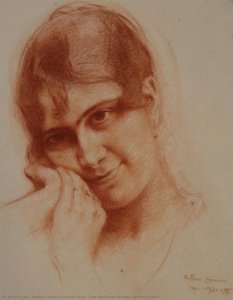
La obra “Retrato de Ester”, creada por António Teixeira Carneiro Júnior alrededor de 1900, representa una profunda exploración psicológica del rostro femenino, encapsulada en un lienzo de dimensiones modestas pero cargado de significado. Esta pintura, ubicada actualmente en el Centro de Arte Moderna Gulbenkian de Lisboa, Portugal, ofrece una ventana fascinante al universo artístico portugués de principios del siglo XX y a las corrientes expresionistas que estaban influyendo en la época.
- Tema Central: El retrato captura la esencia de una mujer cuya mirada directa transmite una mezcla compleja de serenidad y vulnerabilidad. Carneiro logra transmitir una sensación de intimidad, invitando al espectador a compartir un momento silencioso con el sujeto representado.
- Estilo y Técnica: Carneiro adoptó una estética influenciada por movimientos como el impresionismo francés y el expresionismo alemán, aunque manteniendo una sensibilidad propia que lo distingue. Utilizó una combinación de colores apagados y tonos tierra para crear una atmósfera melancólica pero también llena de luz tenue, reflejando la lucha entre la belleza y la tristeza inherente a la condición humana. La aplicación de pintura es suave y meticulosa, destacando la habilidad del artista en capturar las texturas y los detalles más pequeños del rostro.
- Contexto Histórico: El retrato fue creado durante un período marcado por cambios sociales y culturales significativos en Portugal. El expresionismo portugués buscaba expresar emociones profundas y conflictos internos, ofreciendo una visión crítica de la sociedad contemporánea. Carneiro se inspiró en artistas como Jean-Paul Laurens y Jean-Joseph Benjamin-Constant, quienes exploraban temas similares en sus obras.
Más allá de su belleza estética, “Retrato de Ester” posee una fuerza emocional que sigue resonando con los espectadores actuales. Carneiro logró transmitir la esencia del espíritu humano, capturando un instante fugaz pero esencial en el tiempo. Esta obra invita a la reflexión sobre temas como la identidad femenina, la memoria y la relación entre el artista y su sujeto.
- Reproducción de Alta Calidad: ArtsDot ofrece reproducciones meticulosamente restauradas de esta pintura, utilizando técnicas avanzadas de impresión para garantizar una calidad excepcional que captura los colores originales y los detalles más pequeños del lienzo.
- Ideal para Diseño Interior: “Retrato de Ester” puede ser un elemento sorprendente en cualquier espacio interior, aportando una sensación de profundidad emocional y añadiendo un toque artístico sofisticado.
Obras relacionadas
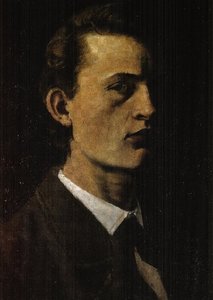
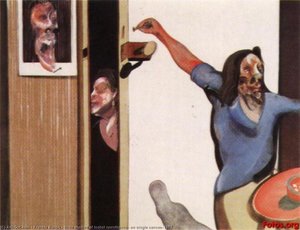

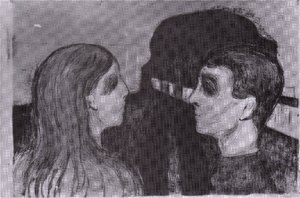
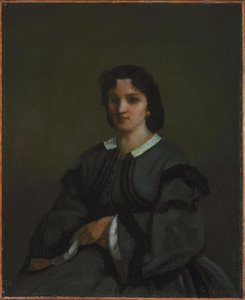
Biografía del artista
A Life Forged in Shadow and Light: The World of António Teixeira Carneiro Júnior
António Teixeira Carneiro Júnior, a pivotal figure in Portuguese Expressionism, was an artist whose life story is as compelling and emotionally resonant as the canvases he imbued with psychological depth. Born in Amarante, Portugal, in 1872, his early years were marked by profound loss and abandonment. The absence of his father and the untimely death of his mother led to a childhood spent within the walls of the Santa Casa da Misericórdia orphanage in Porto. This formative experience, while undoubtedly difficult, proved unexpectedly crucial; it was there that Carneiro received his initial artistic training, nurturing a nascent talent for drawing through copying religious illustrations. The institution provided not merely shelter but also a spark—an early recognition of an ability that would define his life’s path. It was this foundation that ultimately led him to the Escola Superior de Belas-Artes do Porto in 1884, where he studied under João Marques de Oliveira, beginning a formal artistic education that would soon blossom into something uniquely his own.Parisian Influences and the Birth of an Expressionist Vision
The trajectory of Carneiro’s artistry took a significant turn with his sojourn to Paris. Enrolling at the Académie Julien in 1897, he immersed himself in the artistic currents of the French capital, studying under luminaries like Jean-Paul Laurens and Jean-Joseph Benjamin-Constant. This period proved transformative, exposing him to new techniques and aesthetic philosophies that would profoundly influence his style. However, Carneiro didn’t simply absorb these influences; he synthesized them with a distinctly Portuguese sensibility, forging an artistic voice that was both modern and deeply rooted in his own cultural heritage. It was during this time that he began to move away from the prevailing naturalism of the era, gravitating towards Symbolist ideas and exploring themes of spirituality, melancholy, and introspection. This culminated in his groundbreaking triptych “A Vida” (Life), completed around 1900, which earned him a Silver Medal at the Exposition Universelle in Paris—a pivotal moment that signaled the beginning of widespread recognition for his unique artistic vision. The work itself is a testament to his burgeoning expressionist style, capturing not merely outward appearances but the inner emotional landscape of existence.A Master of Psychological Portraiture and Landscape
Carneiro’s oeuvre is characterized by an intense focus on psychological depth, particularly evident in his portraits. He wasn't interested in mere physical likeness; rather, he sought to capture the essence of his subjects—their inner turmoil, their hopes, their fears. His figures often possess a haunting quality, their eyes gazing out with an unsettling intensity that draws the viewer into their emotional world. This ability to convey profound psychological states extended beyond portraiture and permeated his landscapes as well. He didn’t simply depict scenes; he imbued them with mood and atmosphere, transforming natural settings into reflections of the human condition. His landscapes are often stark and dramatic, reflecting a sense of isolation and existential questioning. Throughout his career, Carneiro also engaged in illustration, producing evocative drawings for Dante's *Inferno* that showcase his mastery of line and shadow. He was a prolific artist, constantly experimenting with different techniques and styles, yet always remaining true to his core artistic principles.Notable Works: Echoes of Emotion on Canvas
Carneiro’s artistic output spanned a remarkable range of mediums and subjects. Among his most celebrated pieces are “Landscape – Leça da Palmeira,” a masterful depiction of the Portuguese coastline imbued with palpable emotion; “Dionísio Pinheiro profile study,” an intimate portrait capturing the contemplative gaze of a fellow artist; “Untitled,” a striking composition that exemplifies Carneiro’s signature style—characterized by expressive brushstrokes and symbolic imagery; and “Dionysus and Hestia,” a monumental canvas exploring mythological themes with profound psychological resonance. These works stand as enduring symbols of Portuguese Expressionism, demonstrating Carneiro's unwavering commitment to conveying inner experience through visual language.Legacy and Influence: Shaping the Artistic Landscape of Portugal
António Teixeira Carneiro Júnior’s impact on Portuguese art extended far beyond his own creations. He served as Professor at the Escola de Belas-Artes do Porto for many years, fostering a generation of artists who embraced innovation and pursued artistic excellence. His teachings championed experimentation and encouraged students to delve into the complexities of human emotion—a legacy that continues to inspire artists today. Furthermore, Carneiro’s involvement in literary circles solidified his position as a cultural figure, contributing to influential publications and engaging in spirited debates about artistic ideals. He remains a testament to the transformative power of art and its ability to shape intellectual discourse. ## Rediscovering Carneiro: Museums and Continued Appreciation Today, António Teixeira Carneiro Júnior’s works can be found in prominent collections across Portugal, including the Centro de Arte Moderna Gulbenkian in Lisbon and the Museu da Fundação Dionísio Pinheiro e Alice Cardoso Pinheiro in Águeda. These institutions provide opportunities for audiences to engage with his art firsthand, appreciating the nuances of his technique and the depth of his emotional expression. The Museu da Fundação Dionísio Pinheiro e Alice Cardoso Pinheiro, in particular, holds a significant collection of Carneiro’s work, offering valuable insights into his artistic development. His paintings continue to be exhibited internationally, ensuring that his legacy endures for future generations. As scholars and art enthusiasts alike rediscover the richness and complexity of his oeuvre, António Teixeira Carneiro Júnior is rightfully taking his place among the most important figures in Portuguese Expressionism—an artist whose life and work serve as a testament to the power of art to illuminate the human condition.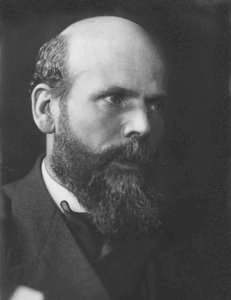
António Teixeira Carneiro Júnior
1872 - 1930 , Portugal
Datos clave
- Artistas Que Influyeron:
- Jean-Paul Laurens
- Jean-Joseph Constant
- Fecha De Fallecimiento: 1930
- Fecha De Nacimiento: 1872
- Lugar De Nacimiento: Amarante, Portugal
- Movimiento Artístico: Expresionismo
- Nacionalidad: Portugués
- Nombre Completo: António Teixeira Carneiro Júnior
- Obras Notables:
- Paisaje – Leça da Palmeira
- Estudio interior iglesia
- Dionísio Pinheiro estudio
Artículos relacionados

Expresionismo Alemán: 10 Obras Maestras que Transformaron el Arte | ArtsDot
Descubre las 10 obras maestras del Expresionismo Alemán: Kirchner, Munch y más. Explora la historia, técnica y emoción detrás de estos lienzos icónicos. Reproducciones de arte de museo en ArtsDot.com. ¡Inspira tu hogar con arte!

Las 10 Obras de Arte que Despiertan Profundas Emociones Espirituales |
Descubre 10 obras de arte icónicas que inspiran paz y reflexión. Explora la historia, el simbolismo y las emociones detrás de Van Gogh, Monet, Da Vinci y más. Encuentra reproducciones de museo en .
Franz Marc: Expressionism, Spirituality & the Animal Symbolism of a Modern Master
Explore the profound world of Franz Marc's Expressionist paintings. Discover his spiritual connection to animals, innovative use of color, and lasting impact on modern art history. Learn more at ArtsDot.

The Raw Emotion of Expressionism: A Deep Dive into its History, Characteristics & Enduring Influence
Explore the raw emotion of Expressionism with ArtsDot. Discover its history, key artists like Kirchner & Munch, and lasting influence on modern art. Expert insights for collectors & enthusiasts.
Expresionismo Figurado: Intensidad Emocional y Realidad Subjetiva en el Arte del Siglo XX
Explora la intensidad emocional del Expresionismo Figurado alemán. Descubre sus orígenes, artistas clave como Munch y Kirchner, y su legado en el arte moderno. Análisis experto y profundo.