

 Ver en contexto
 Enviar
 Compartir
 Detalles

 Descargar
 Similares
 Radiografía
 Presentación de diapositivas
 Stats
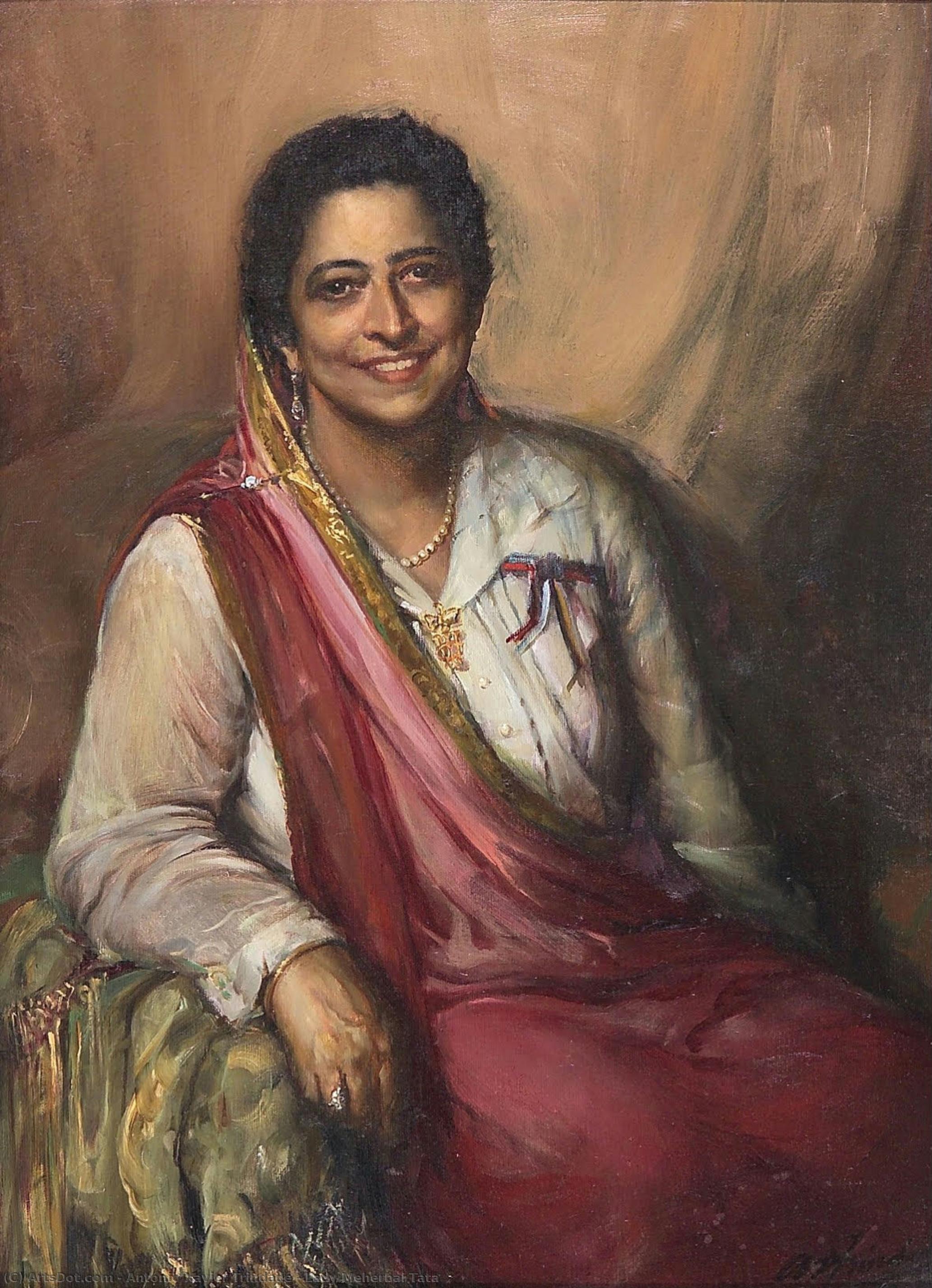
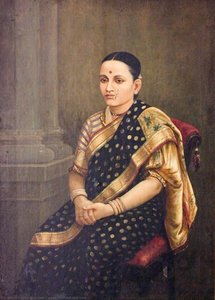
StatsLady Meherbai Tata
 Oil On Canvas
- WallArt
- Realism
 1931
1931- Modern
 105.0 x 82.0 cm
 Museu do Oriente
 Ver más
Adquiera una imagen digital de alta resolución y optimizada, muy superior a la vista previa en línea.
Cada archivo es preparado meticulosamente por nuestros especialistas internos mediante el uso de herramientas avanzadas y un experto retoque manual. Nos aseguramos de que cada imagen posea una claridad excepcional, una precisión cromática impecable y un detalle minucioso.
El archivo final se entrega por correo electrónico en un plazo de 72 horas, optimizado para su uso inmediato en entornos profesionales, editoriales y de impresión. Esta es la misma calidad en la que confían los estudios de diseño, las editoriales y las galerías de primer nivel.
Imagen Digital
Descarga un archivo de alta resolución para exhibición personal, impresión y proyectos creativos. ( Switch to Print Comprar pintura hecha a mano)
Incluido en cada pedido de imágenes digitales
Entrega digital experta, garantizada.
Al elegir ArtsDot.com, no solo está adquiriendo una imagen; está recibiendo una obra de arte digital mejorada profesionalmente, elaborada con precisión y respaldada por una garantía de satisfacción. Esto es todo lo que incluye su pedido, automáticamente:

Entrega rápida por email
Recibirá su archivo de imagen digital en alta resolución por correo electrónico en un plazo de 72 horas tras realizar su pedido, listo para su uso inmediato.

Archivo digital optimizado por IA
Su obra de arte se optimiza profesionalmente mediante herramientas avanzadas de IA y edición manual, garantizando el máximo detalle, claridad y precisión cromática.

Reenvío gratuito de por vida
¿Has borrado o perdido tu archivo por error? No te preocupes: te lo volveremos a enviar en cualquier momento, sin coste adicional.

Sin gastos de importación, siempre
Disfrute de su obra de arte al instante sin aduanas, aranceles ni gastos de envío; las descargas digitales siempre están libres de impuestos.

Garantía de fidelidad de color
Garantizamos que su imagen digital refleje los colores originales con la mayor fidelidad posible, mediante el uso de herramientas profesionales y gestión del color.

Garantía de satisfacción de 100 días
Si no está satisfecho con su imagen digital, la revisaremos o le reembolsaremos el 100% en un plazo de 100 días, sin preguntas.

100% Garantía de devolución de dinero
¿No está satisfecho? Obtenga un reembolso completo dentro de los 100 días posteriores a la recepción de su archivo digital, sin preguntas.

Descuentos por pedidos grandes
Compra 3 imágenes, ahorra 10% - Compra 5, ahorra 15% - Compra 10+, ahorra 20%. Ideal para proyectos creativos, galerías y agencias.
A Glimpse into Elegance: The Soul of Lady Meherbai Tata
In the quiet, commanding presence of António Xavier Trindade’s Lady Meherbai Tata, one finds more than a mere likeness; one encounters a profound intersection of colonial history, social reform, and personal grace. Painted in 1931, this masterful portrait serves as a window into the life of a woman who was as much a pillar of her community as she was a symbol of refined elegance. As a notable figure of the Parsi elite, Lady Tata’s legacy is etched not only in the fine silks she wears but in her tireless humanitarian efforts during the Great War and her pivotal role in the legislative fight against child marriage in India. Trindade, often celebrated as the 'Rembrandt of the East', captures this duality with breathtaking sensitivity, presenting a subject who is simultaneously regal and deeply approachable.
The composition is a masterclass in the use of light and texture, characteristic of the Bombay School’s academic excellence. Trindade employs a warm, luminous palette that breathes life into the scene, utilizing visible brushstrokes to create a sense of movement and vitality. The subject is framed by heavy, baroque drapery that lends a theatrical depth to the portrait, yet the focus remains intimately fixed upon her face. Her expression—a soft, welcoming smile—breaks through the formality of the setting, establishing an immediate emotional connection with the viewer. This warmth is further enhanced by the rich, rust-colored tones of her sheer sari and the delicate interplay of light on the gold and pearl ornaments that adorn her.
Every detail within the frame serves to tell a story of status and cultural synthesis. The meticulous rendering of the zari border, the tiny pearl buttons on her Western-style blouse, and the brilliant glint of the diamond pin holding her pallu reflect a cosmopolitan identity that bridged Eastern tradition with Western influence. For the discerning collector or interior designer, this piece offers an unparalleled sense of historical weight and sophisticated charm. It is a work that does not merely decorate a space but enriches it, providing a focal point of conversation and a timeless connection to an era of transformative social change. To possess a reproduction of this caliber is to invite a fragment of India’s golden age of portraiture into the modern home.
Obras relacionadas


Biografía del artista
A Life Etched in Light: The World of António Xavier Trindade
António Xavier Trindade, a name resonating with quiet power within the annals of Indian art history, was more than just a painter; he was a cultural bridge. Born in Sanguem, Goa, in 1870 to Catholic parents, his journey began amidst the lush landscapes and complex colonial tapestry of Portuguese India. This formative environment would indelibly shape his artistic vision, fostering a unique blend of Western academic training with an intrinsic understanding of Indian life and character. Trindade’s early promise led him to the prestigious Sir Jamsetjee Jeejeebhoy School of Art in Bombay, a pivotal institution that exposed him to European naturalism while simultaneously nurturing a growing generation of Indian artists. It was here, within those hallowed halls, that he honed his skills, mastering techniques that would later define his signature style and earn him accolades like the Mayo Silver Medal for artistic merit in 1892—a testament to his burgeoning talent.The Bombay School and a Rising Star
Trindade’s ascent within the Bombay art scene was swift and assured. Appointed as a teacher of drawing and painting at the Sir J.J. School of Art in 1898, he not only contributed to the education of future generations but also solidified his position as a leading figure in the burgeoning Bombay School. He wasn’t merely imparting technical skills; he was shaping a generation of artists who sought to represent Indian life with both authenticity and artistic vision. Later, assuming the role of Superintendent of the Reay Workshop of Art from 1914 to 1926, he further influenced artistic production and pedagogy, fostering an environment where experimentation and innovation flourished. However, it wasn’t merely institutional recognition that marked his success; it was the captivating quality of his work itself. While initially embracing traditional portraiture and landscapes, Trindade gradually developed a style characterized by its realism, sensitivity to light, and an ability to capture the psychological depth of his subjects. He became known for portraying Indian women with a dignity and intimacy rarely seen in colonial-era art, offering glimpses into their lives beyond the confines of societal expectations—a deliberate departure from the often-stereotyped representations prevalent at the time. This earned him the affectionate title “Rembrandt of the East,” acknowledging both his technical mastery and his profound understanding of human emotion.Themes and Techniques: A Synthesis of Worlds
The 1920s witnessed a maturation in Trindade’s artistic expression, marked by an increasing focus on portraits, landscapes, and still lifes. His canvases became windows into the lives of his contemporaries—wealthy patrons, family members, and everyday individuals—each rendered with meticulous detail and a subtle yet powerful emotional resonance. Dolce Far Niente (Flora or Mother Reclining), awarded the Bombay Art Society’s gold medal in 1920, exemplifies this period; it is not merely a depiction of a woman at rest but an exploration of motherhood, serenity, and the quiet beauty of domestic life. The painting captures a moment of profound intimacy, inviting the viewer to share in the subject's peaceful contemplation. Similarly, New Year’s Song (1928) and Hindu Girl (1930), recipients of the Governor’s prize, showcase his ability to capture cultural nuances and individual personalities with remarkable sensitivity. Trindade's technique was rooted in Western academic principles—a mastery of chiaroscuro, precise draftsmanship, and a sophisticated understanding of color theory—but he infused these elements with an Indian sensibility, creating a unique visual language that transcended stylistic boundaries. He wasn’t simply replicating what he had learned; he was transforming it, imbuing it with the spirit of his homeland. His use of light, in particular, became a hallmark of his style, often employed to create a sense of warmth and intimacy within his compositions.Notable Works & Legacy
Trindade’s oeuvre is remarkably diverse, encompassing portraits, landscapes, and genre scenes that offer a rich tapestry of Indian life during the early 20th century. His paintings frequently depict women in everyday settings—preparing food, tending to children, or engaging in leisurely activities—portraying them with respect and dignity. The *Nasik Scenes* series (1920s-30s), a collection of twelve large-scale canvases depicting the diverse communities and religious practices along the Nasik River, stands as a testament to his commitment to documenting Indian cultural heritage. These works are not merely scenic representations; they are carefully constructed narratives that capture the complexity and vibrancy of Indian society. The *Family by Lamplight* (1916) is another significant work, offering a poignant glimpse into the domestic life of a Goan family—a scene imbued with warmth, intimacy, and a subtle sense of melancholy. Trindade’s legacy extends beyond his individual artworks; he played a crucial role in shaping the Bombay School of Art and fostering a generation of Indian artists who embraced both Western techniques and their own cultural identity. He was truly considered by many to be the “Rembrandt of the East,” an epithet that reflects not only his technical skill but also his profound understanding of human nature and his ability to capture the essence of India in his paintings.A Painter’s Passing
Despite facing personal challenges—including declining health and eventual blindness in later life—Trindade continued to paint with unwavering dedication, supported by his daughter Ângela Trindade, herself a talented artist who carried on her father’s legacy. His work gained further recognition with an exhibition at the Festival of the Empire in Wembley, London, in 1934, bringing his art to an international audience. On 16 March 1935, António Xavier Trindade passed away peacefully in his family home in Mahim, Bombay, leaving behind a remarkable artistic legacy that continues to inspire and captivate audiences today. His paintings remain treasured possessions of museums and private collectors alike, serving as enduring reminders of a pivotal moment in Indian art history—a time when artists dared to forge their own identities and celebrate the beauty and complexity of their homeland.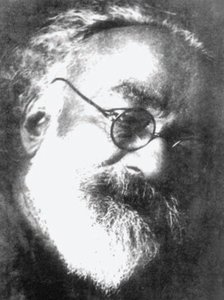
António Xavier Trindade
1870 - 1935 , India
Breves datos
- Artistic Movement Or Style: Escuela de Bombay, Realismo
- Date Of Birth: 1870
- Date Of Death: 1935
- Full Name: António Xavier Trindade
- Nationality: Portugués
- Notable Artworks:
- Dolce Far Niente
- New Year’s Song
- Hindu Girl
- Place Of Birth: Sanquém, India