

 Ver en contexto
 Enviar
 Compartir
 Detalles

 Descargar
 Similares
 Radiografía
 Presentación de diapositivas
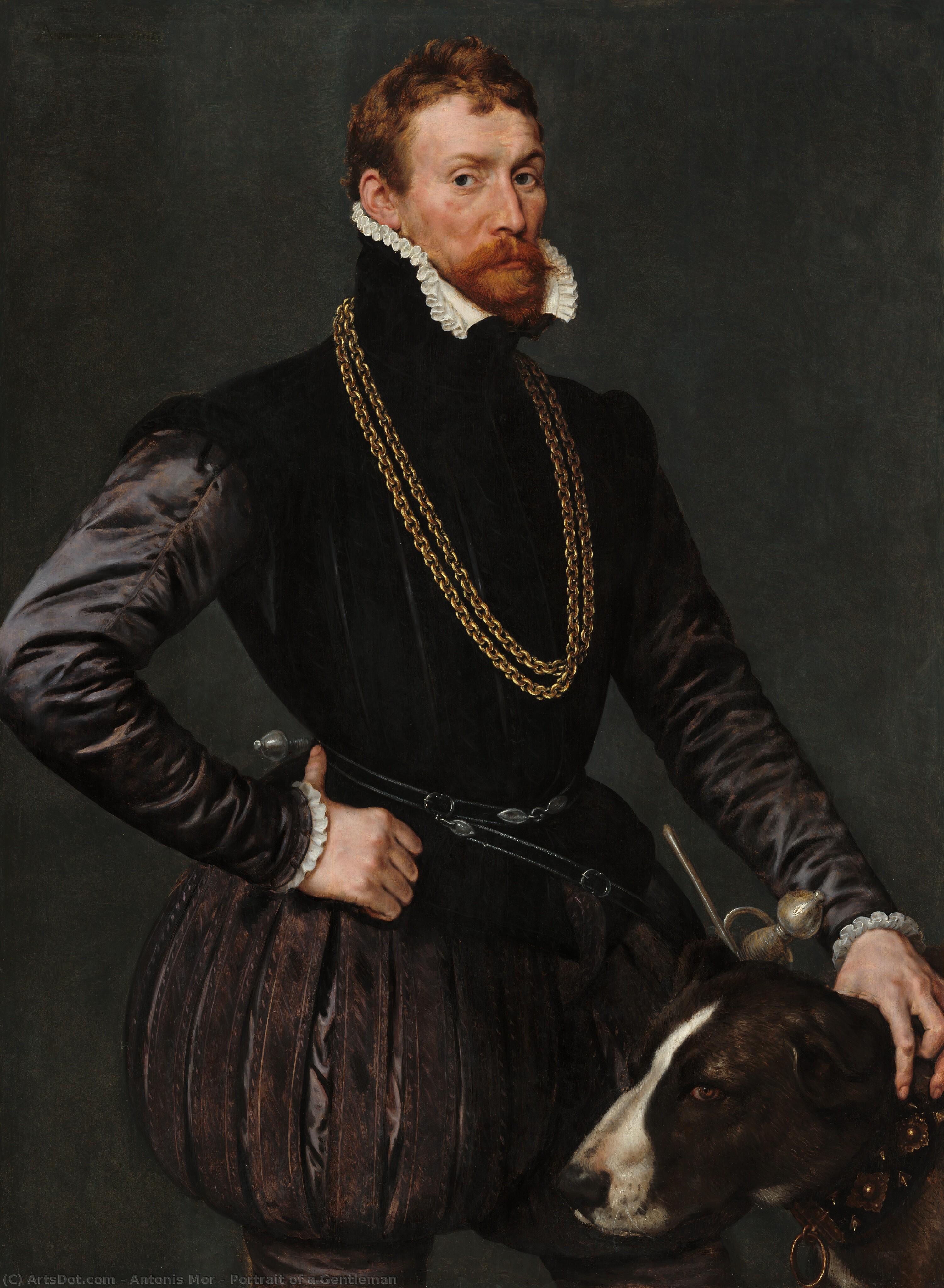
Portrait of a Gentleman
 1569
1569 120.0 x 88.0 cm
 Ver más
Reproducción al óleo hecha a mano
Óleo sobre lienzo pintado a mano en el tamaño y marco de su elección, realizado por encargo por nuestros artistas. ( Comprar impresión Comprar imagen)




































Elija entre nuestros tamaños predefinidos que respetan las proporciones originales de la obra.

Puede ingresar sus propias dimensiones para adaptarse a un marco o espacio específico. Si el tamaño seleccionado no coincide con las proporciones de la imagen original, recortaremos la obra o extenderemos la pintura con elementos adicionales pintados a mano. Se le enviará una maqueta digital para su aprobación antes de comenzar la producción.
Tenga en cuenta que la vista previa en pantalla no refleja el recorte o la extensión reales. Solo la maqueta mostrará con precisión la composición final.
Si bien existen tamaños personalizados, recomendamos seleccionar una dimensión de la lista predefinida para preservar las proporciones originales.
Tras realizar el pedido, el equipo de ArtsDot.com enviará un correo electrónico al cliente para solicitar instrucciones y proporcionarle una vista previa del boceto.
Envío a todo el mundo () en 3-4 semanas en lugar de las 5 semanas estándar. (6 septiembre). Sin comprometer la calidad.

Envío exprés gratuito a todo el mundo

Lienzo de lino de alta calidad

Seguro de envío total

Garantía de reembolso de impuestos aduaneros

Garantía de fidelidad cromática exacta

Política de devolución de 100 días (solo por defectos)

Garantía de devolución del 100% del dinero

Descuento por cantidad
 La opción de vidrio solo está disponible en tamaños inferiores a 110 cm.

Portrait of a Gentleman
Técnica de reproducción
Dimensiones de la reproducción
-


Precio total final
$ 263
Obras relacionadas








Biografía del artista
The Silent Master of Tudor Portraiture
In the grand, sweeping tapestry of the sixteenth century, few painters captured the quiet gravity of power as effectively as Antonis Mor. A Netherlandish master whose brush danced between the meticulous precision of his Northern roots and the luminous warmth of the Italian Renaissance, Mor became the definitive portraitist for the most influential courts in Europe. To look upon a Mor portrait is to encounter more than just a likeness; it is to meet a subject frozen in a moment of profound, self-possessed dignity. Whether painting the high nobility of the Habsburgs or the burgeoning Tudor court, he possessed an uncanny ability to render the physical splendor of silk and gold while simultaneously unveiling the psychological depth of the sitter.
Born in Utrecht around 1517, Mor’s early years were shaped by the intellectual and artistic ferment of the Low Countries. His formative training under Jan van Scorel provided him with a vital foundation, introducing him to the burgeoning influence of Italian ideals that were beginning to reshape Northern Europe. This mentorship was transformative, instilling in him a reverence for the structural clarity of the Renaissance. However, it was Mor’s subsequent journey through Italy that truly ignited his genius. By immersing himself in the atmosphere of Venice, he absorbed the essence of colorito—the Venetian technique of prioritizing vibrant pigment and rich, textural layers. This synthesis of Northern detail and Venetian light would become the hallmark of his mature style, allowing him to paint textures so lifelike they seemed to pulse with life.
A Legacy Written in Gold and Shadow
As Mor moved through the artistic hubs of Europe, most notably Antwerp, his reputation as a premier court painter grew exponentially. His arrival in Antwerp in 1547 marked a period of immense professional triumph, where he secured membership in the prestigious Guild of St. Luke and caught the eye of powerful figures like Cardinal Granvelle. This connection to the highest echelons of political power propelled him into the orbit of the Tudor monarchy during the reign of Elizabeth I. His work during this era is characterized by a remarkable formal consistency; he often utilized half-length poses, subtly turned, which allowed for an understated elegance that avoided the pitfalls of flamboyant ornamentation.
The brilliance of Mor’s technique lies in his masterful command of contrast and detail. He had a particular gift for rendering the heavy weight of velvet, the sharp glint of jewelry, and the intricate patterns of lace, yet he never allowed these material riches to overshadow the human element. His portraits are celebrated for their psychological penetration, particularly in his depictions of men, where he could convey a sense of commanding presence through nothing more than a subtle tilt of the head or the intensity of a gaze. This ability to balance formal precision with emotional resonance ensured that his subjects appeared not merely as icons of status, but as living, breathing individuals of immense character.
The historical significance of Antonis Mor extends far beyond the borders of the Netherlands or England. His refined, formal style for court portraiture became a blueprint for painters across the continent. Most notably, his influence traveled south to the Iberian Peninsula, where his approach laid the groundwork for a tradition of Spanish portraiture that would eventually culminate in the hands of Diego Velázquez. Through his ability to marry the tactile reality of the North with the atmospheric grace of the South, Mor left an indelible mark on the history of Western art, ensuring his place as a silent but powerful architect of the European visual identity.
Datos clave
- Artistic Movement Or Style: High Renaissance
- Artists Or Movements Influenced By This Artist: ['Titian']
- Artists Who Influenced This Artist: ['Jan van Scorel']
- Date Of Birth: c. 1517
- Date Of Death: 1577
- Full Name: Antonis Mor van Dashorst
- Nationality: Netherlandish
- Notable Artworks:
- Portrait of a Man
- George, 5th Lord Seton, and Family (after Frans Pourbus the Elder)
- Jan van Scorel
- Place Of Birth: Utrecht, Netherlands