

 Ver en contexto
 Enviar
 Compartir
 Detalles

 Descargar
 Similares
 Radiografía
 Presentación de diapositivas
 Estadísticas
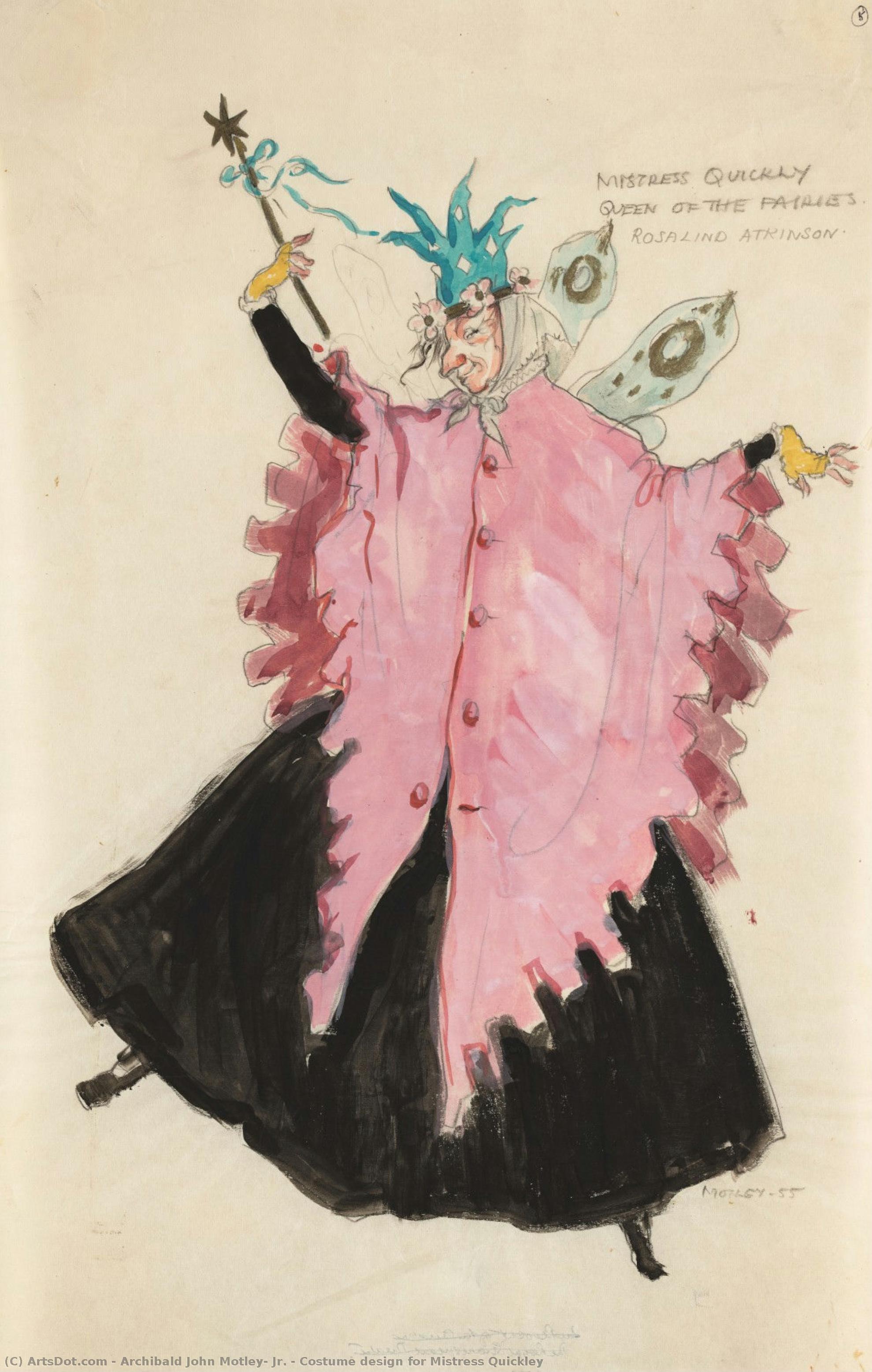
Costume design for Mistress Quickley


 Ver más
Giclée / Impresión de arte
Impresiones giclée o en lienzo de calidad de museo con producción rápida y opciones de acabado flexibles. ( Comprar pintura hecha a mano Cambiar a imagen digital)




P118B $10

P118H $10

P118W $10

P438Z $10

P508JH $12

P508YH $12

P805H $10

P805Z $10

P919BZ $10

P919G $10

P919XJ $10

P959ZH $10

P968JZ $12

W106C $8

W218G $10

W218JH $8

W218Y $10

W307PJ $10

W316G $10

W316PJ $8

W316Y $10

W398PJ $8

W4111J $10

W500HY $15

W500JH $15

W692G $12

W849H $8

W940BG $15

W953PJ $8




Elija entre nuestros tamaños predefinidos que respetan las proporciones originales de la obra.

Puede introducir sus propias dimensiones para adaptarse a un marco o espacio específico. Si el tamaño seleccionado no coincide con las proporciones de la imagen original, recortaremos la obra de arte o extenderemos la imagen con un borde con efecto espejo o de color sólido. Se enviará una maqueta digital para su aprobación antes de que comience la producción.
Tenga en cuenta que la vista previa en pantalla no refleja el recorte o la extensión real. Solo la maqueta mostrará con precisión la composición final.
Aunque existen tamaños personalizados, recomendamos seleccionar una dimensión de la lista predefinida para preservar las proporciones originales.
Envío a todo el mundo () en 2 semanas en lugar de las 4/5 semanas estándar. (9 septiembre)

Envío exprés gratuito a todo el mundo

Lienzo de lino de alta calidad

Seguro de envío total

Garantía de reembolso de impuestos aduaneros

Garantía de fidelidad cromática exacta

Política de devolución de 100 días (solo por defectos)

Garantía de devolución del 100% del dinero

Descuento por cantidad
 La opción de vidrio solo está disponible en tamaños inferiores a 110 cm.

Costume design for Mistress Quickley
Giclée / Impresión de arte
Dimensiones de la reproducción
-


Precio total final
$ 62
A Vibrant Tapestry of Chicago Life: Archibald Motley Jr.’s “Costume Design for Mistress Quickley”
Archibald John Motley Jr.’s “Costume Design for Mistress Quickley,” painted in 1955, isn’t merely a depiction of a theatrical costume; it's a window into the heart and soul of Chicago during the mid-20th century. This captivating watercolor captures a fleeting moment within the city’s vibrant Black community—a scene brimming with energy, social grace, and a subtle undercurrent of untold stories. Motley, a pivotal figure in the Harlem Renaissance’s influence on American art, masterfully translated the rhythms of urban life onto canvas, imbuing his work with an unparalleled sense of immediacy and cultural richness.
The painting centers around a woman radiating confidence and style, adorned in a flamboyant pink costume accented by a sweeping cape. Her pose is dynamic, suggesting movement and theatricality—a clear reference to Shakespeare’s “A Midsummer Night’s Dream,” though Motley’s interpretation transcends simple adaptation. She holds a wand, not as a symbol of magic, but perhaps as an emblem of influence or command within this social setting. The details are meticulously rendered: the intricate folds of her costume, the gleam of jewelry, and the carefully observed expressions on the faces surrounding her. Motley's skill lies in his ability to capture not just appearances, but the very essence of a scene—the unspoken conversations, the shared glances, and the palpable atmosphere.
The Artist’s Vision: Motley’s Chicago Renaissance
Motley’s artistic journey was deeply intertwined with the social and cultural landscape of Chicago. Born in New Orleans and raised amidst the burgeoning Black community of the city's South Side, he witnessed firsthand the complexities of race relations, economic disparities, and the resilience of African American culture. His art became a powerful tool for documenting this reality—a celebration of Black life while simultaneously confronting issues of prejudice and inequality. He deliberately chose to depict scenes from everyday urban existence, focusing on subjects often overlooked by mainstream artists: Black families, musicians, dancers, and social gatherings.
His work is firmly rooted in the Chicago Black Renaissance, a period of artistic flourishing that emerged in the 1920s and 30s. Influenced by figures like W.E.B. Du Bois and Alain Locke, Motley sought to create art that was both aesthetically compelling and socially conscious—a means of affirming racial pride and challenging prevailing stereotypes. He employed a distinctive style characterized by bold colors, dynamic compositions, and an expressive use of line, creating works that pulsate with energy and vitality.
Technique and Style: A Masterclass in Color and Form
“Costume Design for Mistress Quickley” exemplifies Motley’s signature approach to watercolor painting. He utilized a loose, gestural brushstroke, layering colors to create rich textures and luminous effects. The pink of the costume dominates the composition, immediately drawing the eye while simultaneously creating a sense of warmth and vibrancy. Motley's masterful use of light and shadow adds depth and dimension to the scene, highlighting key figures and creating a dramatic atmosphere. Notice how he employs contrasting values—the bright pink against the darker background—to emphasize the subject’s presence and draw attention to her captivating attire.
The composition itself is carefully constructed, with multiple figures arranged in a dynamic diagonal that leads the viewer's eye through the scene. Motley’s use of perspective is somewhat flattened, typical of his style, which prioritizes capturing the essence of a moment over strict adherence to realistic representation. This stylistic choice contributes to the painting’s overall sense of immediacy and spontaneity.
Symbolism and Emotional Resonance
Beyond its surface depiction of a theatrical costume, “Costume Design for Mistress Quickley” is rich in symbolic meaning. The woman's confident posture and elaborate attire suggest power, grace, and social standing—a testament to her presence within this community. The wand she holds could represent agency, influence, or perhaps even the transformative potential of performance. The surrounding figures, though less defined, contribute to the painting’s overall sense of bustling activity and communal spirit.
Ultimately, Motley's work invites us to contemplate the complexities of identity, culture, and social dynamics within a specific historical context. “Costume Design for Mistress Quickley” is not just a beautiful painting; it’s a poignant reminder of Chicago’s rich cultural heritage and a testament to the enduring power of art to capture the human experience.
Obras relacionadas


Biografía del artista
Archibald John Motley Jr.: Una Vida en Color
Primeros Años y Educación
- Nacido el 7 de octubre de 1891 en Nueva Orleans, Luisiana, Archibald John Motley Jr. fue una figura clave del arte estadounidense.
- Su familia se trasladó a Chicago en 1894, donde su padre trabajaba como cartero de vagones Pullman. Esta mudanza moldeó profundamente la vida y la perspectiva artística de Motley.
- Motley asistió a la Escuela de Arte de la Universidad de Artes de Chicago durante los años 1910, graduándose en 1918. Recibió formación clásica pero pronto desarrolló un estilo modernista único.
- Las experiencias tempranas, incluyendo acompañar a su padre en viajes ferroviarios y presenciar el prejuicio racial de primera mano, influyeron profundamente en su visión artística.
Desarrollo Artístico e Influencias
- La obra de Motley fue significativamente impactada por el Movimiento New Negro, una floreciente explosión cultural del arte y el pensamiento intelectual afroamericano.
- Se inspiró en artistas como W.E.B. Du Bois y Alain Locke, quienes abogaban por la representación negra en las artes.
- Su estilo evolucionó de un realismo académico a un enfoque modernista vibrante, caracterizado por colores audaces y composiciones dinámicas.
- La exploración de los tonos de piel de Motley y su retrato matizado de la vida afroamericana lo distinguieron de muchos contemporáneos.
Temas y Estilo
- Motley es conocido por su crónica colorida de la experiencia afroamericana en Chicago durante las décadas de 1920 y 1930.
- Sus pinturas a menudo representaban la cultura del jazz, reuniones sociales y la vida cotidiana dentro de la comunidad negra.
- Exploró temas de raza, identidad, clase y orgullo cultural con sensibilidad e insight crítico.
- El uso del color por parte de Motley era deliberado y expresivo, reflejando la vitalidad y complejidad de sus sujetos.
Logros Importantes y Reconocimiento
- Obtuvo reconocimiento temprano en su carrera, participando en exposiciones en el Art Institute of Chicago y recibiendo una beca Guggenheim en 1926.
- Su exposición individual en la New Gallery de Nueva York en 1928 fue un hito significativo para un artista afroamericano durante esa época.
- Motley recibió la medalla de oro del Fondo Harmon en artes visuales en 1928 por su pintura The Octoroon Girl.
- Continuó exhibiendo y creando arte a lo largo de su vida, dejando un rico legado de pinturas y dibujos.
Significado Histórico
- Archibald Motley Jr. se considera uno de los principales contribuyentes tanto al Renacimiento Harlem como al Renacimiento Negro de Chicago.
- Su obra desafió los estereotipos prevalecientes y ofreció una representación positiva y multifacética de la vida afroamericana.
- Allanó el camino para las futuras generaciones de artistas negros y ayudó a ampliar el alcance de la historia del arte estadounidense.
- Las pinturas de Motley proporcionan valiosos conocimientos sobre el panorama social, cultural y político de principios del siglo XX.
- Falleció el 16 de enero de 1981 en Chicago, Illinois, dejando un impacto duradero en el mundo del arte.
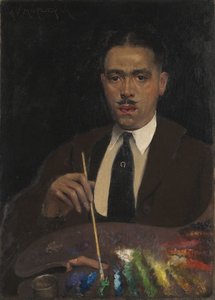
archibald john motley jr.
1891 - 1981 , Estados Unidos de América
Datos clave
- Artistic Movement Or Style: Modernismo
- Artists Or Movements Influenced By This Artist:
- Harlem Renaissance
- Chicago Black Renaissance
- Artists Who Influenced This Artist:
- W.E.B. Du Bois
- Alain Locke
- Date Of Birth: 7 octubre 1891
- Full Name: Archibald John Motley Jr.
- Nationality: Americano
- Notable Artworks:
- Hot Rhythm
- Cocktails
- Place Of Birth: Nueva Orleans, Estados Unidos de América
Artículos relacionados

Ephemeral Visions: Exploring the Artistic Legacy & Nuances of Watercolor Painting
Explore the captivating world of watercolor painting! Discover its rich history, essential techniques, influential artists & collecting tips from art experts. A comprehensive guide for enthusiasts.

La Fascinación Duradera de la Acuarela: Historia, Técnicas y Práctica Contemporánea
Descubre la fascinante historia y las técnicas de la acuarela. Explora obras maestras, aprende con expertos y encuentra reproducciones o comisiones personalizadas en .

Ephemeral Visions: Exploring the Artistic Legacy & Contemporary Practice of Watercolor Painting
Explore the captivating world of watercolor painting! Discover its rich history, essential techniques, influential artists & collecting tips. A comprehensive guide for art enthusiasts from ArtsDot.

Acuarelas Legendarias: 10 Obras Maestras que Transformaron el Arte | ArtsDot
Descubre 10 acuarelas legendarias de Turner, Monet y Sargent que revolucionaron el arte. Explora la historia, técnica y belleza de estas obras maestras impresionistas y románticas. Reproducciones de museo en ArtsDot.com.

Visiones Efímeras: Historia y Resonancia Emocional de la Pintura Acuarela
Descubre la fascinante historia de la acuarela, desde sus orígenes hasta su expresión contemporánea. Explora técnicas, artistas clave como Paul Klee y encuentra reproducciones de alta calidad en ArtsDot.