

 Ver en contexto
 Enviar
 Compartir
 Detalles

 Descargar
 Similares
 Radiografía
 Presentación de diapositivas
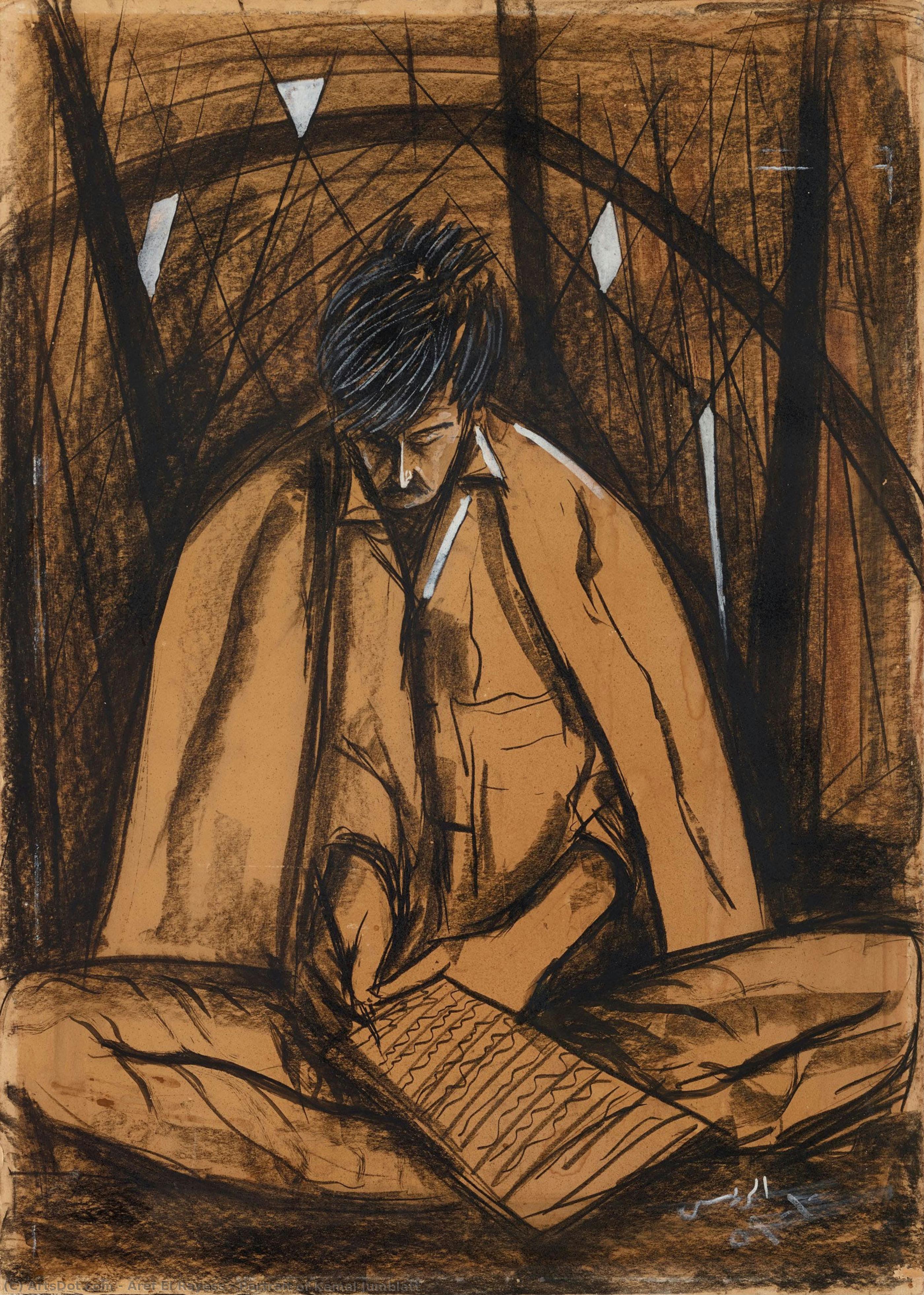
Portrait of Kamal Jumblatt
 Drawing
- WallArt
- Conceptual Art
 1959
1959- Modern
 69.0 x 49.0 cm
 La Fundación Ramzi y Saeda Dalloul de Arte
 Ver más
Giclée / Impresión de arte
Impresiones giclée o en lienzo de calidad de museo con producción rápida y opciones de acabado flexibles. ( Comprar pintura hecha a mano Comprar imagen)




P118B $10

P118H $10

P118W $10

P438Z $10

P508JH $12

P508YH $12

P805H $10

P805Z $10

P919BZ $10

P919G $10

P919XJ $10

P959ZH $10

P968JZ $12

W106C $8

W218G $10

W218JH $8

W218Y $10

W307PJ $10

W316G $10

W316PJ $8

W316Y $10

W398PJ $8

W4111J $10

W500HY $15

W500JH $15

W692G $12

W849H $8

W940BG $15

W953PJ $8




Elija entre nuestros tamaños predefinidos que respetan las proporciones originales de la obra.

Puede introducir sus propias dimensiones para adaptarse a un marco o espacio específico. Si el tamaño seleccionado no coincide con las proporciones de la imagen original, recortaremos la obra de arte o extenderemos la imagen con un borde con efecto espejo o de color sólido. Se enviará una maqueta digital para su aprobación antes de que comience la producción.
Tenga en cuenta que la vista previa en pantalla no refleja el recorte o la extensión real. Solo la maqueta mostrará con precisión la composición final.
Aunque existen tamaños personalizados, recomendamos seleccionar una dimensión de la lista predefinida para preservar las proporciones originales.
Envío a todo el mundo () en 2 semanas en lugar de las 4/5 semanas estándar. (31 agosto)

Envío exprés gratuito a todo el mundo

Lienzo de lino de alta calidad

Seguro de envío total

Garantía de reembolso de impuestos aduaneros

Garantía de fidelidad cromática exacta

Política de devolución de 60 días (solo por defectos)

Garantía de devolución del 100% del dinero

Descuento por cantidad
 La opción de vidrio solo está disponible en tamaños inferiores a 110 cm.

Portrait of Kamal Jumblatt
Giclée / Impresión de arte
Dimensiones de la reproducción
-


Precio total final
$ 62
A Moment of Quiet Contemplation
In the delicate interplay of light and shadow captured within Portrait of Kamal Jumblatt, we are invited into a private sanctuary of thought. Created in 1959 by the visionary Lebanese master Aref el Rayess, this evocative drawing transcends mere portraiture to become a profound study of intellectual depth. The composition presents a man seated upon the ground, his posture bowed in a gesture of intense focus as he engages with the written word. There is an undeniable gravity to his silhouette, a weightiness that suggests the subject is not merely reading, but wrestling with ideas of immense significance. Through the masterful use of monochrome tones, El Rayess strips away the distractions of color, forcing the viewer to confront the raw, emotional essence of the moment.
The artist’s technique in this piece demonstrates a remarkable command over line and texture. Though rendered in black and white, the drawing possesses a tactile quality that breathes life into the scene. The way the light falls across the subject's form creates a sense of three-dimensionality, pulling the viewer into the quiet room where time seems to have slowed to a crawl. Subtle details, such as the presence of a chair in the periphery and a clock suspended on the wall, serve as more than mere background elements; they act as silent witnesses to the passage of time, anchoring the subject in a domestic space that feels both intimate and timeless. The composition is balanced yet dynamic, guiding the eye from the concentrated figure toward the surrounding atmosphere of stillness.
The Intersection of Art and Identity
To understand this work, one must consider the historical and cultural landscape inhabited by Aref el Rayess. As a pivotal figure in Lebanese modernism, El Rayess was renowned for his ability to weave political consciousness into the fabric of conceptual art. In Portrait of Kamal Jumblatt, we see the seeds of this intellectual engagement. The subject himself, Kamal Jumblatt, was a figure of immense socio-political importance in Lebanon, and by capturing him in such a vulnerable, scholarly state, El Rayess elevates the act of thinking to a heroic endeavor. The drawing becomes a symbol of the intellectual's role in society—the quiet, solitary labor of study that precedes the loud, transformative actions of leadership.
For the discerning collector or interior designer, this piece offers an unparalleled opportunity to introduce a sense of sophisticated introspection into a living space. Its monochromatic palette and classical composition make it a versatile masterpiece, capable of anchoring a modern gallery wall or providing a soulful focal point in a study or library. Owning a reproduction of such a significant work is not merely about decoration; it is about preserving a fragment of Middle Eastern art history and inviting the spirit of profound contemplation into one's daily environment. This artwork serves as a poignant reminder that within the stillness of thought, the most powerful revolutions often begin.
Obras relacionadas
Biografía del artista
Aref El Rayess - Un Pionero del Arte Conceptual Lebanés
Aref El Rayess (1928 – 2005) fue un pintor y escultor lebanés cuya obra marcó profundamente el panorama artístico de su país, convirtiéndose en una voz esencial para la reflexión sobre cuestiones políticas y sociales. Nacido en Aley, Mont Libano, comenzó su trayectoria artística autodidacta en 1948, exhibiendo por primera vez sus trabajos con el apoyo del periodista Arlette Levy, el artista Georges Cyr, el crítico de arte Victor Hakim y el jefe del Instituto Francés de arqueología Henry Seyrig. Esta temprana exposición estableció las bases para una carrera dedicada a la exploración de nuevas formas de expresión artística. Desde 1948 hasta 1957, El Rayess viajó entre Senegal y París donde estudió arte en la Academia de Bellas Artes y los estudios libres liderados por Fernand Léger, André Lhote y Marcel Marceau mientras asistía a clases en la École Supérieure des Beaux-Arts de Paris. En este período clave, absorbió influencias diversas que enriquecieron su visión artística y lo prepararon para enfrentar los desafíos del mundo artístico internacional. Su formación académica fue complementada por el encuentro con artistas expresionistas estadounidenses, experiencia que marcó un punto de inflexión en su desarrollo creativo. En 1957 regresó a Beirut donde abrió un estudio y un taller de tapices Aubusson junto al canadiense Roger Caron, estableciendo una colaboración artística fructífera que duraría muchos años. Este proyecto impulsó la creación de obras originales que reflejaban tanto sus habilidades técnicas como su sensibilidad estética. Además, El Rayess desempeñó un papel importante en la formación de artistas jóvenes en la Universidad Libre del Líbano y el Centro Cultural Francés, donde compartió su conocimiento y pasión por el arte con nuevas generaciones. La Guerra Civil libanesa marcó un punto de inflexión en la vida artística de El Rayess, quien trasladó su residencia a Arabia Saudí alrededor de 1975 buscando seguridad y estabilidad para sí mismo y su familia. Durante este período difícil, continuó trabajando como escultor y pintor, creando obras que abordaban temas relacionados con el conflicto armado y sus consecuencias sociales y humanas. Su compromiso con la defensa de los derechos humanos y la libertad artística lo convirtió en una figura destacada del movimiento artístico árabe contemporáneo. Aref El Rayess recibió numerosos premios académicos en Líbano, incluyendo el Premio Ministerio de Educación Nacional libanés por la exposición primavera de 1955, el Premio Unesco por el Salón Primavera de 1957 y el Primer y Segundo Premio Escultura otorgados por el Ministerio de Obras Públicas en 1963. También fue reconocido como artista destacado por el Museo Sursock, donde obtuvo el Gran Premio de Escultura en 1965-66 por diversas obras exhibidas y su Primer Premio Escultura en 1966-67. Además, fue nombrado Presidente de la Asociación Artistas Libaneses – Pintores y Escultores, donde lideró una importante iniciativa para promover el arte y la cultura en Líbano. Su legado artístico sigue siendo objeto de estudio y admiración por artistas y críticos de todo el mundo.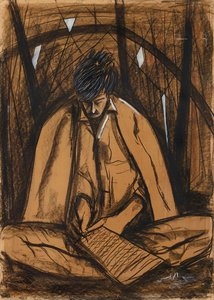
Aref El Rayess
1928 - 2005 , Lebanon
Datos clave
- Artistic Movement Or Style: Conceptual Art
- Artists Who Influenced This Artist:
- Fernand Léger
- André Lhote
- Date Of Birth: 1928
- Full Name: Aref El Rayess
- Nationality: Lebanese
- Notable Artworks:
- The Workers of the Body.
- Portrait of Kamal Jumblatt.
- Place Of Birth: Lebanon
Artículos relacionados

Blanco Sublime: Los 10 Cuadros Más Famosos Dominados por la Luz y el Color
Descubre los 10 cuadros blancos más emblemáticos de la historia del arte. Explora Monet, Van Gogh y Klimt, y su magistral uso de la luz y el color. Encuentra reproducciones de alta calidad e inspírate para tu decoración en .

Las 10 Pinturas Más Famosas Dominadas por el Negro | Arte y Decoración
Descubre las 10 pinturas más impactantes dominadas por el negro. Explora obras maestras de Rembrandt, Goya y Rothko, su historia y significado. Encuentra reproducciones de arte exclusivas para transformar tu hogar en .

Monochrome Visions: Exploring the Aesthetic & Historical Significance of Black & White Photography
Explore the rich history & artistic power of black and white photography. From early techniques to iconic masters like Ansel Adams, discover why monochrome continues to captivate art lovers today. Expert insights for collectors.
Las 10 Obras Maestras Dominadas por el Negro Marsella: Arte y Decoración
Descubre las 10 pinturas más famosas dominadas por el negro marsella. Explora la historia, técnica y simbolismo de obras maestras del expresionismo alemán, gótico y arte moderno. Reproducciones de museos en .
The Nuances of Graphite: Exploring Emotional Depth & Technical Mastery in Pencil Drawing
Explore the captivating world of graphite drawing! Discover its rich history, master essential techniques like chiaroscuro, and learn how artists evoke emotion through this timeless medium. Expert insights for art enthusiasts.

