 Ver en contexto
 Enviar
 Compartir
 Detalles

 Descargar
 Similares
 Radiografía
 Presentación de diapositivas
St Catherine of Alexandria
 Acrylic
- WallArt
- Baroque Dramatic Style
 1640
1640 76.0 x 60.0 cm
 Ver más
Reproducción al óleo hecha a mano
Óleo sobre lienzo pintado a mano en el tamaño y marco de su elección, realizado por encargo por nuestros artistas. ( Comprar impresión Comprar imagen)




P118B $10

P118H $10

P118W $10

P438Z $10

P508JH $12

P508YH $12

P805H $10

P805Z $10

P919BZ $10

P919G $10

P919XJ $10

P959ZH $10

P968JZ $12

W106C $8

W218G $10

W218JH $8

W218Y $10

W307PJ $10

W316G $10

W316PJ $8

W316Y $10

W398PJ $8

W4111J $10

W500HY $15

W500JH $15

W692G $12

W849H $8

W940BG $15

W953PJ $8




Elija entre nuestros tamaños predefinidos que respetan las proporciones originales de la obra.

Puede ingresar sus propias dimensiones para adaptarse a un marco o espacio específico. Si el tamaño seleccionado no coincide con las proporciones de la imagen original, recortaremos la obra o extenderemos la pintura con elementos adicionales pintados a mano. Se le enviará una maqueta digital para su aprobación antes de comenzar la producción.
Tenga en cuenta que la vista previa en pantalla no refleja el recorte o la extensión reales. Solo la maqueta mostrará con precisión la composición final.
Si bien existen tamaños personalizados, recomendamos seleccionar una dimensión de la lista predefinida para preservar las proporciones originales.
Tras realizar el pedido, el equipo de ArtsDot.com enviará un correo electrónico al cliente para solicitar instrucciones y proporcionarle una vista previa del boceto.
Envío a todo el mundo () en 3-4 semanas en lugar de las 5 semanas estándar. (25 agosto). Sin comprometer la calidad.

Envío exprés gratuito a todo el mundo

Lienzo de lino de alta calidad

Seguro de envío total

Garantía de reembolso de impuestos aduaneros

Garantía de fidelidad cromática exacta

Política de devolución de 60 días (solo por defectos)

Garantía de devolución del 100% del dinero

Descuento por cantidad
 La opción de vidrio solo está disponible en tamaños inferiores a 110 cm.

St Catherine of Alexandria
Técnica de reproducción
Dimensiones de la reproducción
-


Precio total final
$ 263
Descripción de la obra
A Portrait of Courage and Vision: Artemisia Gentileschi’s St Catherine of Alexandria
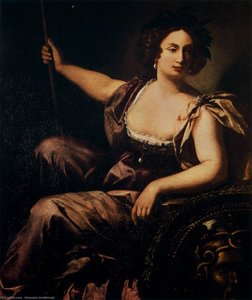
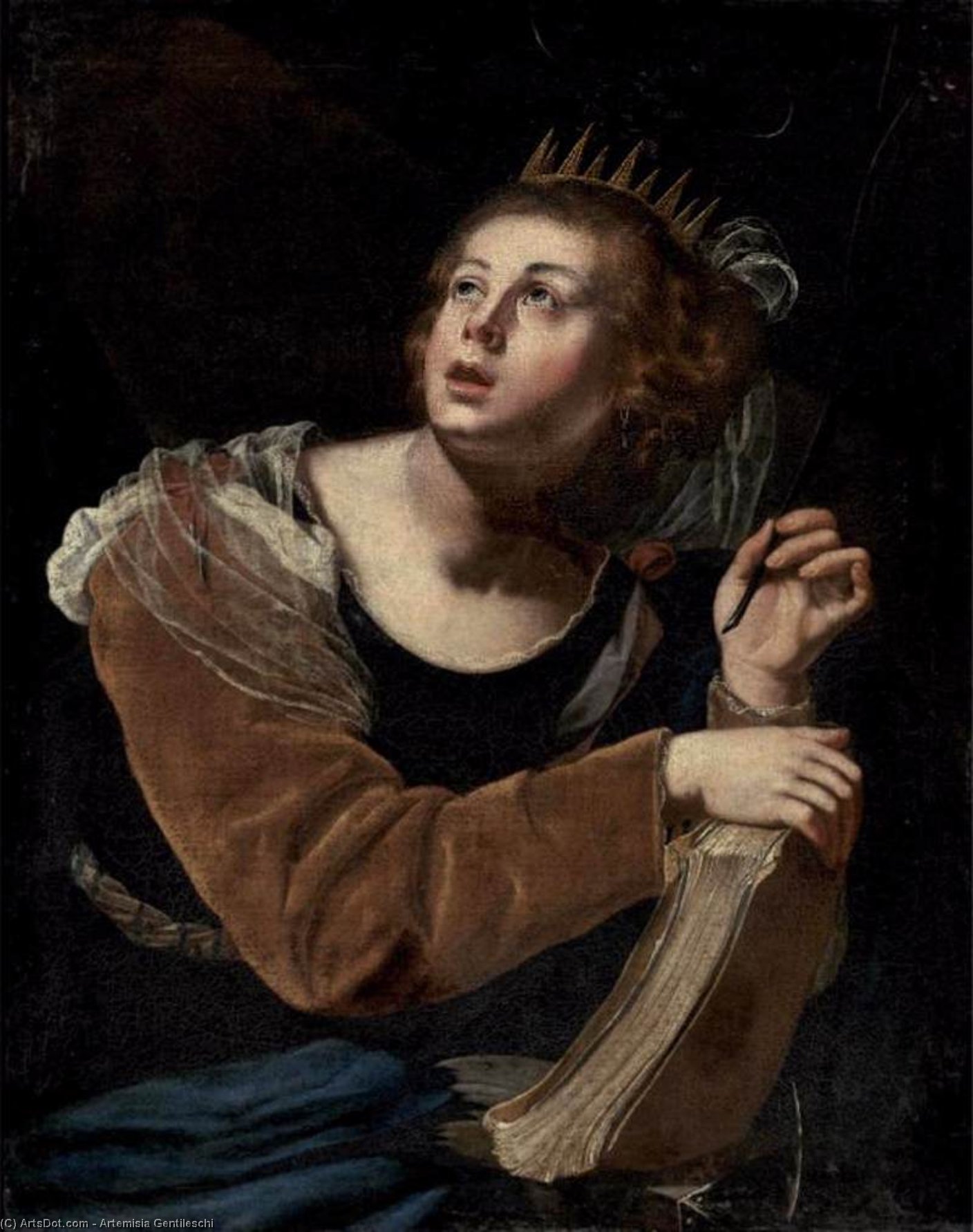
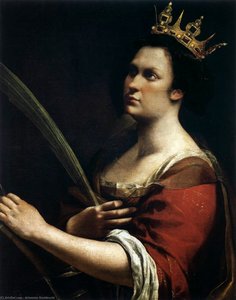
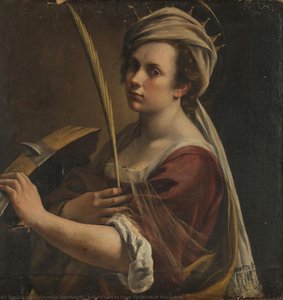
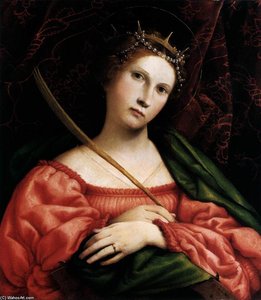
The painting “St Catherine of Alexandria,” executed by Artemisia Gentileschi in 1640, stands as a testament to the artist's unwavering commitment to portraying biblical narratives with unflinching realism and imbued with profound psychological depth. More than just a depiction of Saint Catherine—a revered martyr known for her steadfast faith and intellectual prowess—the artwork embodies a broader statement about female agency within Renaissance art and spirituality.- Subject Matter: The composition centers around St Catherine, portrayed in serene contemplation as she gazes upon an unseen manuscript. This gesture immediately establishes her character – intelligent, inquisitive, and deeply engaged with matters of faith and learning. Unlike many depictions of saints at the time, Gentileschi doesn’t present Catherine as a passive figure; instead, she captures her active engagement with knowledge.
- Style: Gentileschi's style aligns powerfully with Caravaggio’s revolutionary approach to painting—a technique characterized by dramatic chiaroscuro (the interplay of light and dark) that elevates the scene beyond mere representation. The artist skillfully utilizes tenebrism, plunging much of the canvas into darkness while highlighting Catherine’s face and hands with luminous illumination, creating a palpable sense of drama and conveying an emotional intensity rarely found in her contemporaries.
- Technique: Gentileschi employed oil paint on canvas—a medium favored by artists of her era—allowing for rich color saturation and meticulous detail. Her brushstrokes are confident yet subtly textured, contributing to the painting’s palpable physicality. The artist's mastery is evident in the rendering of Catherine’s drapery, which appears to ripple with movement despite its stillness, mirroring the inner turmoil and unwavering conviction that define her spiritual journey.
Historical Context: Challenging Gender Norms in Renaissance Florence
Painted during a period when artistic patronage was predominantly male-dominated, Gentileschi’s “St Catherine” represents a significant departure from convention. The commissioning of religious art by wealthy Florentine families often prioritized idealized beauty and subservience—qualities antithetical to the portrayal of Saint Catherine. Gentileschi's decision to depict Catherine as an intellectually active woman speaks volumes about her ambition to reclaim space for female artists and intellectuals within the cultural landscape of Renaissance Italy. It reflects a burgeoning interest in humanist ideals that questioned traditional hierarchies and celebrated individual achievement.Symbolism: Light, Knowledge, and Spiritual Resilience
The luminous illumination surrounding Catherine’s face and hands serves as a potent symbol of divine grace and enlightenment—a direct reference to Caravaggio's stylistic choices. The manuscript she examines represents the pursuit of wisdom and understanding, mirroring Catherine’s own unwavering devotion to intellectual pursuits despite facing persecution for her beliefs. Furthermore, Catherine’s posture exudes resilience and fortitude; she embodies the spirit of those who bravely defend their faith against adversity—a theme that resonates powerfully with viewers even today.Emotional Impact: A Window into Inner Conviction
Ultimately, “St Catherine of Alexandria” transcends mere visual representation. It invites contemplation on themes of courage, intellect, and spiritual fortitude. Gentileschi’s masterful use of chiaroscuro captures not only the dramatic lighting of the scene but also the profound emotional depth within Catherine's gaze—a gaze that conveys unwavering conviction and an inner peace born from steadfast faith. This artwork continues to inspire admiration for its artistic brilliance and serves as a poignant reminder of Artemisia Gentileschi’s pioneering role in redefining the boundaries of Renaissance art.Obras relacionadas

Biografía del artista
vida temprana y formación
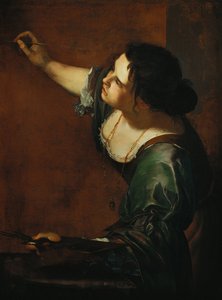
artemisia gentileschi, nacida en Roma el 8 de julio de 1593, emergió como una pintora italiana barroca pionera en un momento en que el campo era predominantemente masculino. Fue entrenada por su padre, orazio gentileschi, un pintor toscano, artemisia desarrolló rápidamente un estilo propio, profundamente influenciado por el realismo de Caravaggio pero marcado por su enfoque único.obras notables y estilo
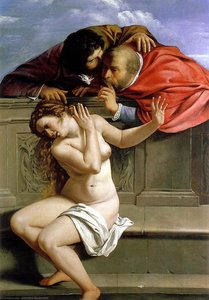
A los 15 años, ya estaba produciendo obras profesionales, mostrando una profunda comprensión del color y el naturalismo al representar la figura femenina. Su talento era innegable, ya que se convirtió en la primera mujer admitida en la academia de arte del dibujo en Florencia. Algunas de sus obras más notables incluyen:- susanna y los ancianos (1610, colección schönborn, pommersfelden), una obra maestra del período barroco
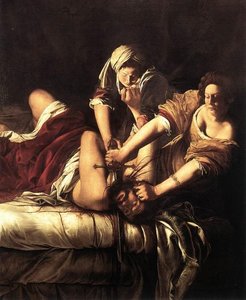
- judith matando a holofernes (1614-1620, galería de los Uffizi), que muestra su habilidad para manejar el color para expresar dimensión y drama
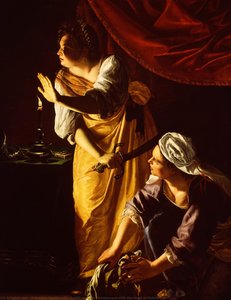
- judith y su criada (1625, instituto de arte de Detroit), un testimonio de su perspectiva innovadora sobre el mundo del arte
desafíos y legado
A pesar de su destreza artística, la carrera de gentileschi estuvo a menudo eclipsada por el trauma de su violación por parte de agostino tassi y el posterior juicio. Sin embargo, los siglos XX y XXI han presenciado una reevaluación de su vida y arte, reconociéndola como una de las pintoras más expresivas e innovadoras de su generación. movimientos artísticos clave:- pinacoteca comunale de Forlì, Italia, que presenta una rica colección de arte italiano
- obras de artemisia gentileschi, caracterizadas por un enfoque naturalista y un uso dramático de la luz
lectura adicional:
Para obtener más información sobre artemisia gentileschi y sus contemporáneos, visite galería Spada en Roma, Italia, o explore el estilo de Caravaggio en Wikipedia.
Artemisia Gentileschi
1593 - 1656 , Italia
Datos clave
- Artistas Que Influyeron: ['Caravaggio']
- Fecha De Muerte: 1656
- Fecha De Nacimiento: 8 de julio de 1593
- Lugar De Nacimiento: Roma, Italia
- Movimiento Artístico: Barroco
- Nacionalidad: Italiana
- Nombre Completo: Artemisia Gentileschi
- Obras Notables:
- Susanna y los ancianos
- Judit decapitando a Holofernes
- Judit y su criada
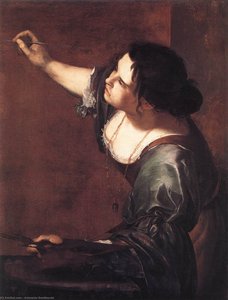
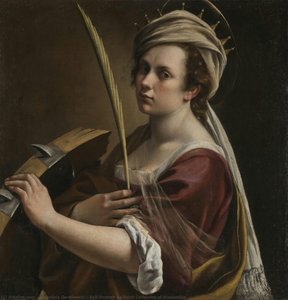
- Autorretrato como Santa Catalina
Artículos relacionados

The Dramatic Flourish: Exploring the Baroque Movement's Enduring Legacy in Art History
Explore the dramatic world of Baroque art! Discover iconic artists like Caravaggio & Rubens, defining techniques, and its lasting impact on art history. Expert insights for collectors & enthusiasts at ArtsDot.

Barroco Sublime: 10 Obras Maestras que Definieron una Época |
Descubre las 10 obras maestras del Barroco que marcaron una época. Caravaggio, Bernini y Velázquez cobran vida en . Reproducciones de arte de calidad museo para decorar tu hogar con elegancia. ¡Explora la colección online!

The Visceral Stage: Exploring Dramatic Narratives & Emotional Intensity in Baroque Art
Explore the dramatic world of Baroque art! Discover iconic masters like Caravaggio & Rembrandt, their techniques, and the movement's lasting impact. Expert insights for collectors & enthusiasts at ArtsDot.
The Dramatic Flourish: Exploring Baroque Painting's Emotional Intensity & Artistic Innovations
Explore the dramatic world of Baroque painting! Discover its history, defining characteristics, iconic artists like Caravaggio & Rubens, and lasting influence on Western art. Expert insights for collectors.

The Golden Age Reforged: Dramatic Realism & Religious Zeal in Spanish Baroque Art
Explore the dramatic world of Spanish Baroque art! Discover masters like Zurbarán & the powerful influence of religious zeal on painting techniques – a guide for collectors and enthusiasts.