

 Ver en contexto
 Enviar
 Compartir
 Detalles

 Descargar
 Similares
 Radiografía
 Presentación de diapositivas
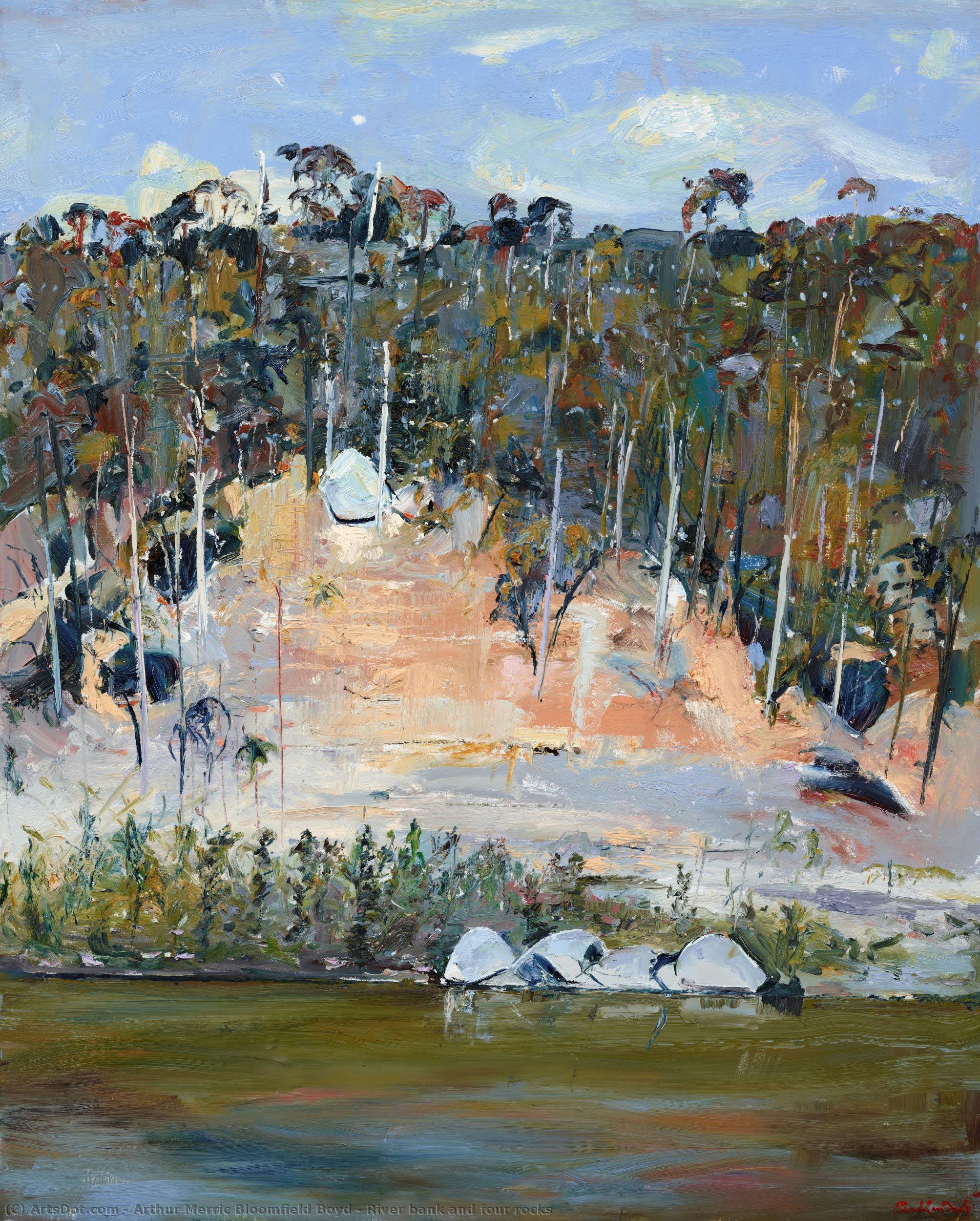
River bank and four rocks
 Acrylic On Canvas
- WallArt
- Expressionism
 1993
1993- 19th Century
 155.0 x 125.0 cm
 Galería de Arte de Nueva Gales del Sur
 Ver más
Adquiera una imagen digital de alta resolución y optimizada, muy superior a la vista previa en línea.
Cada archivo es preparado meticulosamente por nuestros especialistas internos mediante el uso de herramientas avanzadas y un experto retoque manual. Nos aseguramos de que cada imagen posea una claridad excepcional, una precisión cromática impecable y un detalle minucioso.
El archivo final se entrega por correo electrónico en un plazo de 72 horas, optimizado para su uso inmediato en entornos profesionales, editoriales y de impresión. Esta es la misma calidad en la que confían los estudios de diseño, las editoriales y las galerías de primer nivel.
Imagen Digital
Descarga un archivo de alta resolución para exhibición personal, impresión y proyectos creativos. ( Comprar impresión Comprar pintura hecha a mano)
Incluido en cada pedido de imágenes digitales
Entrega digital experta, garantizada.
Al elegir ArtsDot.com, no solo está adquiriendo una imagen; está recibiendo una obra de arte digital mejorada profesionalmente, elaborada con precisión y respaldada por una garantía de satisfacción. Esto es todo lo que incluye su pedido, automáticamente:

Entrega rápida por email
Recibirá su archivo de imagen digital en alta resolución por correo electrónico en un plazo de 72 horas tras realizar su pedido, listo para su uso inmediato.

Archivo digital optimizado por IA
Su obra de arte se optimiza profesionalmente mediante herramientas avanzadas de IA y edición manual, garantizando el máximo detalle, claridad y precisión cromática.

Reenvío gratuito de por vida
¿Has borrado o perdido tu archivo por error? No te preocupes: te lo volveremos a enviar en cualquier momento, sin coste adicional.

Sin gastos de importación, siempre
Disfrute de su obra de arte al instante sin aduanas, aranceles ni gastos de envío; las descargas digitales siempre están libres de impuestos.

Garantía de fidelidad de color
Garantizamos que su imagen digital refleje los colores originales con la mayor fidelidad posible, mediante el uso de herramientas profesionales y gestión del color.

Garantía de satisfacción de 60 días
Si no está satisfecho con su imagen digital, la revisaremos o le reembolsaremos el 100% en un plazo de 60 días, sin preguntas.

100% Garantía de devolución de dinero
¿No está satisfecho? Obtenga un reembolso completo dentro de los 60 días posteriores a la recepción de su archivo digital, sin necesidad de explicaciones.

Descuentos por pedidos grandes
Compra 3 imágenes, ahorra 10% - Compra 5, ahorra 15% - Compra 10+, ahorra 20%. Ideal para proyectos creativos, galerías y agencias.
Descripción del coleccionable
A River’s Echoes: Arthur Boyd's ‘River Bank and Four Rocks’
Arthur Merric Bloomfield Boyd’s “River Bank and Four Rocks,” painted in 1993, isn’t merely a depiction of a landscape; it’s a profound meditation on isolation, vulnerability, and the enduring power of nature. Boyd, a pivotal figure in Australian art, masterfully blends elements of Expressionism with his deep connection to the country's rugged terrain and biblical storytelling, creating an image that resonates with both immediate visual impact and layered symbolic meaning. The painting captures a serene yet subtly unsettling scene: a gently flowing river framed by a bank strewn with four prominent rocks, their forms anchoring the composition and drawing the eye into the heart of the artwork.
Boyd’s technique is characterized by a loose, almost gestural application of paint—a deliberate departure from strict realism. He employs broad brushstrokes and washes of color to evoke atmosphere and mood rather than meticulously rendering every detail. The palette leans towards earthy tones – ochres, browns, and greens – mirroring the natural world while simultaneously injecting a sense of melancholy. Notice how he uses light and shadow not just to define form but also to create an emotional resonance; the dappled sunlight filtering through the trees suggests both beauty and a certain foreboding.
Echoes of Biblical Narrative
Boyd’s artistic journey was deeply intertwined with religious themes, particularly those found in the Old Testament. “River Bank and Four Rocks” subtly references the story of Noah's Ark, with the four rocks acting as silent witnesses to a potential deluge. The composition itself—a small group of figures (implied by the tents) positioned within a vast, untamed landscape—evokes the feeling of vulnerability and precariousness experienced during a flood. This isn’t a dramatic, overtly religious scene; instead, it's a quiet contemplation on humanity’s relationship with the forces of nature and the inevitability of hardship.
The inclusion of tents adds another layer of interpretation. They represent human presence—a small, temporary foothold within an overwhelming environment. This juxtaposition highlights the insignificance of individual existence against the backdrop of the natural world's enduring power. Boyd’s use of color and light further emphasizes this theme; the warm tones of the tents contrast sharply with the cool, muted hues of the riverbank and surrounding trees, creating a visual tension that mirrors the emotional complexity of the scene.
The Australian Landscape as Symbol
Beyond its biblical allusions, “River Bank and Four Rocks” is deeply rooted in the Australian landscape. Boyd’s lifelong fascination with the country's unique environment—its vastness, its rugged beauty, and its often-challenging conditions—is palpable throughout his work. The riverbank itself becomes a symbol of resilience – a place where life persists despite adversity. The rocks, steadfast and enduring, represent the strength and stability that can be found in nature’s embrace.
The painting's setting, reminiscent of areas within New South Wales, speaks to Boyd’s deep connection with the Australian bush. He frequently depicted scenes from his own life and experiences within this landscape, imbuing them with a sense of personal significance and emotional depth. The careful observation of light, texture, and color demonstrates his profound understanding of the region's visual language.
A Legacy of Emotional Resonance
“River Bank and Four Rocks” is more than just a beautiful landscape painting; it’s a poignant exploration of human existence within the context of nature. Boyd’s masterful use of symbolism, technique, and color creates an image that lingers in the mind long after viewing. It invites contemplation on themes of vulnerability, resilience, and the enduring power of the natural world—themes that continue to resonate with viewers today. Reproductions of this artwork offer a remarkable opportunity to bring this evocative scene into any space, fostering a sense of tranquility and reflecting on the timeless beauty of the Australian landscape.
Obras relacionadas
Biografía del artista
A Life Immersed in Art and the Australian Landscape
Arthur Merric Bloomfield Boyd, born on July 24, 1920, in Murrumbeena, Victoria, was more than just a painter; he was a chronicler of the human condition, deeply entwined with the spirit of the Australian landscape. His artistic journey began not as a solitary pursuit but as an inheritance, nurtured within a family where creativity flowed like a lifeblood. Both his parents, Doris and Merric Boyd, were accomplished artists – potters and painters themselves – establishing a home environment saturated with aesthetic exploration. This early immersion wasn’t merely about learning technique; it was about understanding art as a way of life, a means of interpreting the world and expressing its complexities. From childhood sketches to mature masterpieces, Boyd's work consistently reflected this foundational influence, evolving yet always retaining a connection to his familial artistic roots. The legacy extended beyond his immediate family, with generations of Boyds contributing to Australia’s vibrant art scene, solidifying their place as one of the nation’s most prominent creative dynasties.Early Influences and Artistic Formation
Boyd's formative years were marked by a profound engagement with artistic traditions. Growing up in a household populated by artists—his father Merric Boyd was a potter, and his mother Doris Boyd a painter—provided him with an unparalleled environment for cultivating his own creative sensibilities. This familial legacy instilled within him a deep appreciation for craftsmanship and a conviction that art possessed the capacity to communicate profound truths about human experience. He honed his skills diligently, experimenting with various mediums and styles before ultimately gravitating towards expressionism and landscape painting – approaches that would define his artistic output throughout his career. Notably, Boyd’s fascination with biblical narratives began early on, foreshadowing his later explorations of religious themes within the Australian context. These initial influences shaped his worldview and fueled his determination to translate complex ideas into visually arresting artworks.Stylistic Evolution: Impressionism Meets Expressionism
Arthur Boyd's artistic style underwent a remarkable transformation over time, reflecting both his evolving sensibilities and his engagement with contemporary artistic currents. Initially drawn to impressionistic techniques—capturing the ephemeral qualities of light and color in landscapes—he skillfully blended these influences with the expressive fervor of expressionist painting. This duality allowed him to convey not only the beauty of the Australian bush but also its darker, more turbulent aspects. Consider *The Expulsion*, now residing in the Art Gallery of New South Wales; it exemplifies this masterful synthesis. Boyd’s canvases pulsate with emotion, conveying a palpable sense of urgency and confronting viewers with uncomfortable truths about human vulnerability. He achieved this effect through bold brushstrokes, vibrant hues, and a deliberate disregard for conventional compositional conventions—techniques that distinguished him from many of his contemporaries.Exploring Biblical Narratives in the Australian Landscape
Boyd’s artistic vision extended beyond mere aesthetic considerations; it was underpinned by a deep moral compass and a desire to engage with universal themes of faith, suffering, and redemption. He famously juxtaposed biblical stories against the backdrop of the Australian landscape—a daring move that challenged viewers to reconsider their understanding of spirituality and its relationship to the natural world. Paintings like *Angry Penguins*, showcased in numerous exhibitions across Australia and internationally, powerfully illustrate this approach. Boyd’s depictions of biblical figures—such as Moses and Aaron—were rendered with meticulous detail yet imbued with an unmistakable emotional resonance. He sought to elevate these narratives beyond their theological significance, transforming them into meditations on human resilience and the enduring power of hope amidst adversity. This distinctive stylistic choice cemented Boyd's reputation as a visionary artist who dared to reimagine religious iconography within a distinctly Australian framework.Legacy and Recognition
Arthur Boyd’s contribution to Australian art is undeniable—his oeuvre comprises hundreds of paintings, sculptures, and drawings that continue to inspire admiration and scholarly debate. He was inducted into the Order of Australia in 1985 for his services to the arts and humanitarian causes. Furthermore, he established Bundanon, a sprawling estate on the Shoalhaven River in New South Wales—a testament to his belief in the transformative potential of art and its capacity to foster dialogue between humanity and nature. Boyd’s legacy extends beyond his artistic achievements; he served as an influential mentor to younger artists, nurturing their creativity and encouraging them to pursue ambitious visions. His work remains critically acclaimed and widely exhibited globally, securing his place among Australia's most revered figures in the realm of visual arts—a testament to a lifetime devoted to capturing the essence of both human experience and the sublime grandeur of the Australian landscape.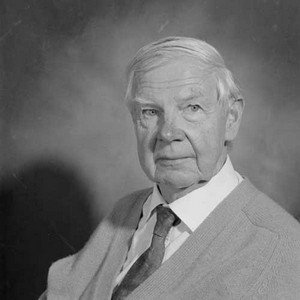
Arthur Merric Bloomfield Boyd
1920 - 1999 , Australia
Breves datos
- Artistic Movement Or Style: Expressionism, Landscape
- Date Of Birth: Jul 24, 1920
- Full Name: Arthur Merric Bloomfield Boyd
- Nationality: Australian
- Notable Artworks:
- Judas Kissing Christ
- River bank & Four rocks
- Nebuchadnezzar on fire
- Nude with beast III
- Place Of Birth: Murrumbeena, Australia

