 Vista previa
 Compartir
 Compartir
 Ver detalles

 Descargar
 Ver similares
 Radiografía
 Presentación de diapositivas
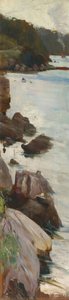
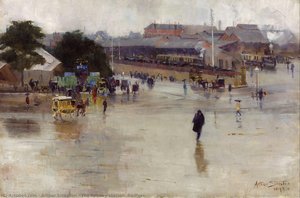
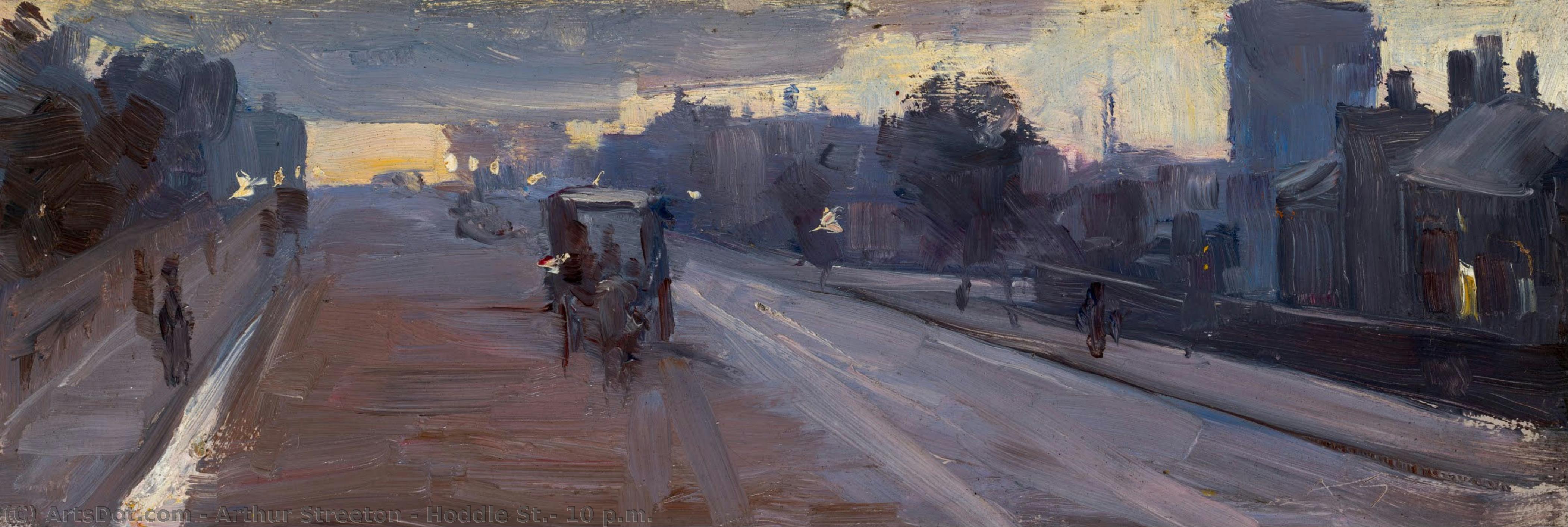
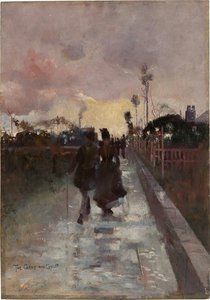
Hoddle St., 10 p.m.
 Oil
Oil- WallArt
 1889
1889- 19th Century
 23.0 x 7.0 cm
 Galería Nacional de Australia
 Leer más
Reproducción al óleo hecha a mano
Óleo sobre lienzo pintado a mano en el tamaño y marco de su elección, realizado por encargo por nuestros artistas. ( Pedir impresión Comprar descarga)




P118B $10

P118H $10

P118W $10

P438Z $10

P508JH $12

P508YH $12

P805H $10

P805Z $10

P919BZ $10

P919G $10

P919XJ $10

P959ZH $10

P968JZ $12

W106C $8

W218G $10

W218JH $8

W218Y $10

W307PJ $10

W316G $10

W316PJ $8

W316Y $10

W398PJ $8

W4111J $10

W500HY $15

W500JH $15

W692G $12

W849H $8

W940BG $15

W953PJ $8




Elija entre nuestros tamaños predefinidos que respetan las proporciones originales de la obra.

Puede ingresar sus propias dimensiones para adaptarse a un marco o espacio específico. Si el tamaño seleccionado no coincide con las proporciones de la imagen original, recortaremos la obra o extenderemos la pintura con elementos adicionales pintados a mano. Se le enviará una maqueta digital para su aprobación antes de comenzar la producción.
Tenga en cuenta que la vista previa en pantalla no refleja el recorte o la extensión reales. Solo la maqueta mostrará con precisión la composición final.
Si bien existen tamaños personalizados, recomendamos seleccionar una dimensión de la lista predefinida para preservar las proporciones originales.
Tras realizar el pedido, el equipo de ArtsDot.com enviará un correo electrónico al cliente para solicitar instrucciones y proporcionarle una vista previa del boceto.
Envío a todo el mundo () en 3-4 semanas en lugar de las 5 semanas estándar. (20 agosto). Sin comprometer la calidad.

Envío exprés gratuito a todo el mundo

Lienzo de lino de alta calidad

Seguro de envío completo

Garantía de reembolso de aranceles aduaneros

Garantía de fidelidad cromática exacta

Política de devolución de 60 días (solo por defectos)

Garantía de devolución del 100% del dinero

Oferta por volumen
 La opción de vidrio solo está disponible en tamaños inferiores a 110 cm.

Hoddle St., 10 p.m.
Técnica de reproducción
Tamaño de la reproducción
-


Precio total
$ 263
Descripción de la obra
Obras relacionadas
Biografía del artista
Primeros años y formación
Arthur Ernest Streeton, un destacado pintor paisajista australiano, nació el 8 de abril de 1867 en Duneed, Victoria. Comenzó su trayectoria artística en la National Gallery School bajo la tutela de George Folingsby en 1882. Esta temprana formación sentó las bases para su éxito como miembro destacado de la Escuela Heidelberg, también conocida como impresionismo australiano.Carrera y desarrollo artístico
El trabajo de Streeton mejoró rápidamente durante sus años formativos, y en 1888 fue ampliamente considerado uno de los pintores más dotados de Victoria. Su asociación con otros artistas, Tom Roberts y Frederick McCubbin, condujo a la formación de un período de dos años de estrecha compañía creativa, que eventualmente se conocería como el movimiento de la Escuela Heidelberg. Durante este tiempo, Streeton experimentó con técnicas de pintura *en plein air*, capturando la luz distintiva australiana en sus obras. Su estilo evolucionó hacia una representación más impresionista del paisaje, influenciado por artistas franceses contemporáneos.El campamento de Eaglemont y obras destacadas
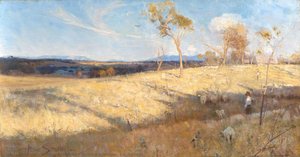
La época de Streeton en el campamento de Eaglemont en 1888 marcó un punto de inflexión significativo en su carrera. Este período vio la creación de obras notables como *Golden Summer, Eaglemont (1889)* y *"Still glides the stream, and shall for ever glide" (1890)*. Estas escenas pastorales bañadas por el sol mostraban el estilo único de Streeton, que luego se exhibió en la Royal Academy de Londres y recibió una mención honorable en el Salón de París de 1892. Estas pinturas son representativas del auge del impresionismo australiano y su capacidad para capturar la belleza natural del país.Viajes a Europa y servicio durante la Primera Guerra Mundial
En 1897, Streeton zarpó hacia Londres, buscando reconocimiento internacional. Aunque desarrolló una reputación considerable en Australia, no logró el mismo éxito en Inglaterra. Con el estallido de la Primera Guerra Mundial, se unió al Royal Army Medical Corps como ordenanza en el Hospital General número 3 de Wandsworth. Más tarde fue nombrado artista oficial de guerra por Australia en mayo de 1918 y sirvió en Francia, documentando las escenas del frente occidental. Sus dibujos, acuarelas y pinturas muestran la sede del AIF en St Gratien, Glisy y Heilly, estaciones de curación en Villers-Bretonneaux, estudios de paisajes y escenas de maquinaria destruida.Legado e influencia
Streeton regresó a Australia en 1920, convirtiéndose en un artista famoso y popular. Fue nombrado caballero en 1937 por sus servicios al arte y falleció el 1 de septiembre de 1943 en Olinda, Victoria. Su trabajo continúa siendo celebrado por su representación lírica del paisaje australiano y su contribución a la formación de una identidad artística nacional. Streeton influyó en generaciones posteriores de artistas australianos, inspirándolos a explorar los temas del paisaje y la luz con un enfoque impresionista.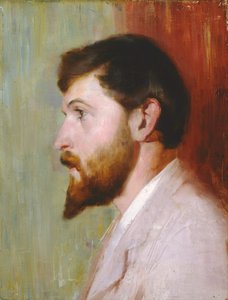
Arthur Streeton
1867 - 1943 , Australia
Datos clave
- Artistas Influenciados: ['Heidelberg School']
- Artistas Que Influyeron: ['Girolamo Nerli']
- Fecha De Fallecimiento: 1 de septiembre de 1943
- Fecha De Nacimiento: 8 de abril de 1867
- Lugar De Nacimiento: Mount Moriac, Australia
- Movimiento Artístico: Impresionismo australiano
- Nacionalidad: Australiano
- Nombre Completo: Arthur Ernest Streeton
- Obras Notables:
- Verano dorado, Eaglemont
- Still glides the stream
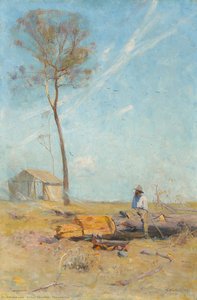
- El espíritu de la sequía
Artículos relacionados
Impresionismo: 10 Obras Maestras que Capturan la Luz y el Momento
Descubre 10 obras maestras del impresionismo de Monet, Renoir y Degas. Explora la luz, el color y las historias detrás de estos icónicos cuadros. Reproducciones de arte en ArtsDot.com para decorar tu hogar con estilo.
Los 10 Maestros del Postimpresionismo: Obras que Revolucionaron el Arte |
Descubre los 10 cuadros más influyentes del Postimpresionismo: Van Gogh, Monet, Cézanne y más. Explora la historia, técnica y significado de estas obras maestras. Reproducciones de arte en para decorar tu hogar con estilo.
Fleeting Moments & Radiant Light: Exploring the Enduring Legacy of Impressionism
Explore the captivating world of Impressionism! Discover its history, key artists like Monet & Renoir, defining techniques, and lasting impact on modern art. Expert insights for collectors.
Arthur Stockdale Cope: A Study in American Impressionism & Rural Life's Poetics
Explore the life & work of Arthur Stockdale Cope, a prominent British portraitist influenced by American Impressionism. Discover his captivating rural landscapes and royal commissions at ArtsDot.
Más Allá del Graffiti: Evolución e Impacto Cultural del Arte Callejero para Coleccionistas
Descubre la evolución del arte urbano y su impacto en el coleccionismo. Análisis de artistas clave, técnicas innovadoras e inversión en obras de street art. Guía experta para coleccionistas.